










Hair Transplant After 3 Months: What to Expect and How to Care for It?
Discover exactly what happens to your hair transplant after 3 months. Learn about the growth timeline, shedding phase, and how to maximize your final results.

- Last updated
- 111 reads
- 8 min read


Assessing your hair transplant after 3 months marks one of the most critical and psychologically demanding turning points in your entire restoration journey. You have successfully navigated the immediate surgical recovery, followed the strict sleeping protocols, and watched the initial scabs wash away. However, the mirror often reflects a sparse, uneven scalp that triggers sudden feelings of doubt and anxiety. You must understand that evaluating a hair transplant after 3 months requires immense patience, as the recently implanted follicles are only just beginning to awaken from their biological slumber. The heavy shedding phase has likely concluded, leaving you in a waiting game where microscopic changes happen beneath the surface of the skin before becoming visible to the naked eye. By deeply understanding the physiological processes occurring during this specific timeline, you can manage your expectations, reduce your stress, and take the necessary steps to support optimal, permanent growth.
The Biological Shift: From Dormancy to Active Growth
To make sense of the visual reality on your scalp, you need to comprehend the internal biological cycles governing your hair follicles. During the surgical extraction and implantation process, the follicular units experience significant physical trauma. To protect themselves, these units intentionally shut down their active growth phase and enter a defensive resting state known as the telogen phase. This biological mechanism causes the hair shafts to detach and fall out, a phenomenon universally referred to as "shock loss."
When you reach the ninety-day mark, a massive shift occurs beneath the tissue. The dormant follicles transition out of the telogen phase and enter the anagen phase, which represents active, continuous growth. The root establishes a firm, permanent connection with the surrounding blood vessels, drawing in vital oxygen and nutrients. Deep inside the scalp, the follicle begins constructing a brand-new hair shaft. Because this construction happens entirely beneath the skin, you will not see instant cosmetic density. The new hair must physically push its way through the dermal layers before it finally breaches the surface.
Surviving the Psychological "Ugly Duckling" Phase
Almost every patient struggles with the psychological weight of the third month. The medical community often refers to this timeline as the "ugly duckling" phase for a very specific reason. Your native hair has grown back out, but the transplanted areas remain largely bare or patchy. The stark contrast between the dense donor zone at the back of your head and the thin recipient area at the front creates an awkward, uneven aesthetic.
You might catch yourself constantly checking the mirror under harsh bathroom lighting, searching desperately for tiny signs of life. You must actively resist the urge to compare your progress with other patients you see in online forums or social media groups. Genetics, age, skin elasticity, and individual metabolic rates dictate the speed of cellular regeneration. Some individuals experience early sprouting by week ten, while others see absolutely nothing until week fourteen. Both scenarios represent perfectly normal healing trajectories. Stressing over daily micro-changes elevates your cortisol levels, which actively restricts blood flow to the scalp and hinders the very growth you desperately want to see.
Visual Changes: What the Mirror Actually Shows
If you look very closely at your scalp under natural sunlight during this period, you will likely spot the first genuine signs of success. The new hairs emerging from the scalp do not look like mature, thick adult hairs. Instead, they appear as "vellus hairs"—extremely fine, delicate, and often completely colorless or translucent strands. They feel soft to the touch, almost like peach fuzz.
Do not panic if these initial sprouts look weak or lacking in pigment. As the weeks progress, the follicles will expand in diameter and begin producing melanin. The hair shaft will gradually darken, thicken, and take on the structural characteristics of your natural hair. You will also notice that the growth does not happen uniformly. One side of your hairline might show significant sprouting while the other side remains smooth. The crown, in particular, always grows much slower than the frontal hairline because the blood supply at the top of the scalp is naturally less robust. Uneven, patchy sprouting represents the standard biological norm at this stage.
Dealing with Scalp Pimples and Redness
As the new hair shafts forcefully push their way through the healing skin, they often encounter slight resistance. This physical friction can cause small, localized inflammations that look exactly like minor acne or pimples scattered across the recipient zone. These are essentially mild ingrown hairs. While they might feel tender or look alarming, their presence actually delivers fantastic news: it proves that the follicles remain active, healthy, and aggressively trying to break the surface.
You must never squeeze, pop, or aggressively scrub these pimples. Bursting them introduces bacteria from your fingernails deep into the follicle pore, severely risking a painful infection that could kill the root. Apply a warm, damp cloth gently to the area for a few minutes a day to open the pores and help the trapped hair escape naturally. Additionally, you might still observe lingering redness or a pinkish hue across the implanted skin. This erythema simply indicates heightened blood circulation in the area, which acts as the primary fuel source for the demanding anagen growth phase. The redness will fade gradually as the skin fully normalizes.
Optimizing Your Scalp Care Routine
By the third month, the restrictive post-operative washing rules have officially ended, but you still need to treat your scalp with intelligent care. You can confidently return to your standard water pressure in the shower and resume normal massaging techniques with your fingertips. Massaging the scalp for five to ten minutes daily dramatically improves local micro-circulation, driving nutrient-rich blood directly into the demanding hair roots.
When selecting a shampoo, continue avoiding products packed with harsh chemical sulfates, parabens, and heavy artificial fragrances. These commercial chemicals strip away your natural protective sebum and dry out the emerging hair shafts, making them brittle and prone to breakage. Choose high-quality, organic formulations infused with biotin, caffeine, or saw palmetto to naturally support the structural integrity of the new growth. If your clinic recommended applying Minoxidil to accelerate the vascular supply, ensure you follow their specific application protocol carefully, stopping immediately if you experience severe itching or skin irritation.
Haircuts, Styling, and Sun Protection
You will likely feel a strong desire to get a haircut to manage the awkward, uneven lengths between your native hair and the transplanted zones. You can safely visit your barber, but you must establish strict ground rules before they touch your head. The barber can safely use electronic clippers on your donor area to fade the back and sides, neatening up your overall appearance. However, they must exclusively use scissors for the recipient area on top. Running heavy, vibrating metal clipper guards directly over the newly sprouted, delicate vellus hairs can physically damage the shafts or irritate the surrounding tissue.
Sun protection remains an absolute non-negotiable priority. The skin in the recipient area remains highly sensitive to ultraviolet radiation. Exposing your unprotected scalp to direct, harsh sunlight can cause permanent hyperpigmentation, leaving dark, unnatural spots around the base of the grafts. If you plan to spend time outdoors, you must wear a clean, loose-fitting baseball cap or apply a lightweight, non-greasy medical sunscreen specifically designed for sensitive skin.
Nutritional Support for Maximum Density
Your external hair care routine only accounts for half of the success equation; the rest depends entirely on your internal biology. Generating thousands of new hair shafts requires a massive amount of metabolic energy and raw nutritional building blocks. If your diet lacks essential vitamins and minerals, your body will prioritize vital organ function over hair production, resulting in thin, weak, and visually disappointing growth.
You must flood your system with high-quality proteins, as hair essentially consists of keratin, a complex protein structure. Incorporate lean meats, eggs, fish, and legumes into your daily meals. Iron plays a critical role in carrying oxygen to the follicles; a deficiency will immediately stall your progress. Ensure your zinc levels remain optimal to support rapid cellular division and tissue repair. Furthermore, completely abstain from nicotine products. Smoking constricts your blood vessels, drastically reducing the oxygen delivery to your scalp and literally choking the newly awakened follicles before they have a chance to mature.
Looking Forward: The Timeline to Final Results
Patience dictates the ultimate success of your journey. The sprouting you see now only represents about ten to twenty percent of the total cosmetic yield. Between months four and six, the growth rate accelerates exponentially, and the true density begins to take shape. You will notice a dramatic visual transformation as the hair shafts thicken and the patchy areas fill in securely.
Do not judge your final surgical outcome during this early phase. The texture of the new hair might initially feel slightly wiry, frizzy, or difficult to style. As the sebaceous glands fully reconnect and begin coating the shafts with natural oils, the hair will soften and perfectly match the texture of your native locks. You will require a full twelve to fifteen months for the front hairline to mature entirely, and up to eighteen months for the crown to reach its absolute peak density. Stay consistent with your healthy lifestyle, follow your clinical guidelines, and trust the biological process unfolding right before your eyes.
Frequently Asked Questions
Is it normal to have no visible growth at the three-month mark?
Yes, experiencing a completely bare scalp at this stage falls entirely within the boundaries of normal biological healing. Every individual possesses a unique metabolic rate. While early bloomers might see fine hairs, many patients do not experience their first physical sprouts until the fourth or even fifth month. The follicles remain alive and active beneath the skin, completing their resting phase before pushing outward.
Can I wear tight hats or heavy motorcycle helmets safely now?
At this stage, the follicles have anchored permanently into the dermal tissue. You can safely wear loose-fitting baseball caps, beanies, and standard headwear without fearing graft dislodgement. However, you should still exercise caution with extremely tight, heavy, and non-breathable gear like heavy motorcycle helmets or tight construction hardhats. If you must wear them, ensure you take frequent breaks to let the scalp breathe and prevent excessive sweating.
Are tingling or slightly numb sensations in the scalp normal?
Experiencing occasional tingling, mild itching, or patches of numbness across the top of your head is an expected physiological response. During the initial surgical incisions, microscopic nerve endings inevitably sustain minor damage. At the ninety-day mark, these nerve pathways are actively repairing and regenerating themselves. The tingling sensation directly indicates that your nervous system is successfully reconnecting the tissue.
May I resume heavy weightlifting and intense cardiovascular workouts?
You have full medical clearance to resume all forms of intense physical activity, including heavy weightlifting, high-intensity interval training, swimming, and contact sports. The risk of elevated blood pressure causing popped grafts completely vanished weeks ago. In fact, engaging in regular, intense cardiovascular exercise benefits your progress by heavily increasing systemic blood flow and delivering higher concentrations of oxygen directly to your scalp.
- Last updated
- Language
- English
How did you find this article?
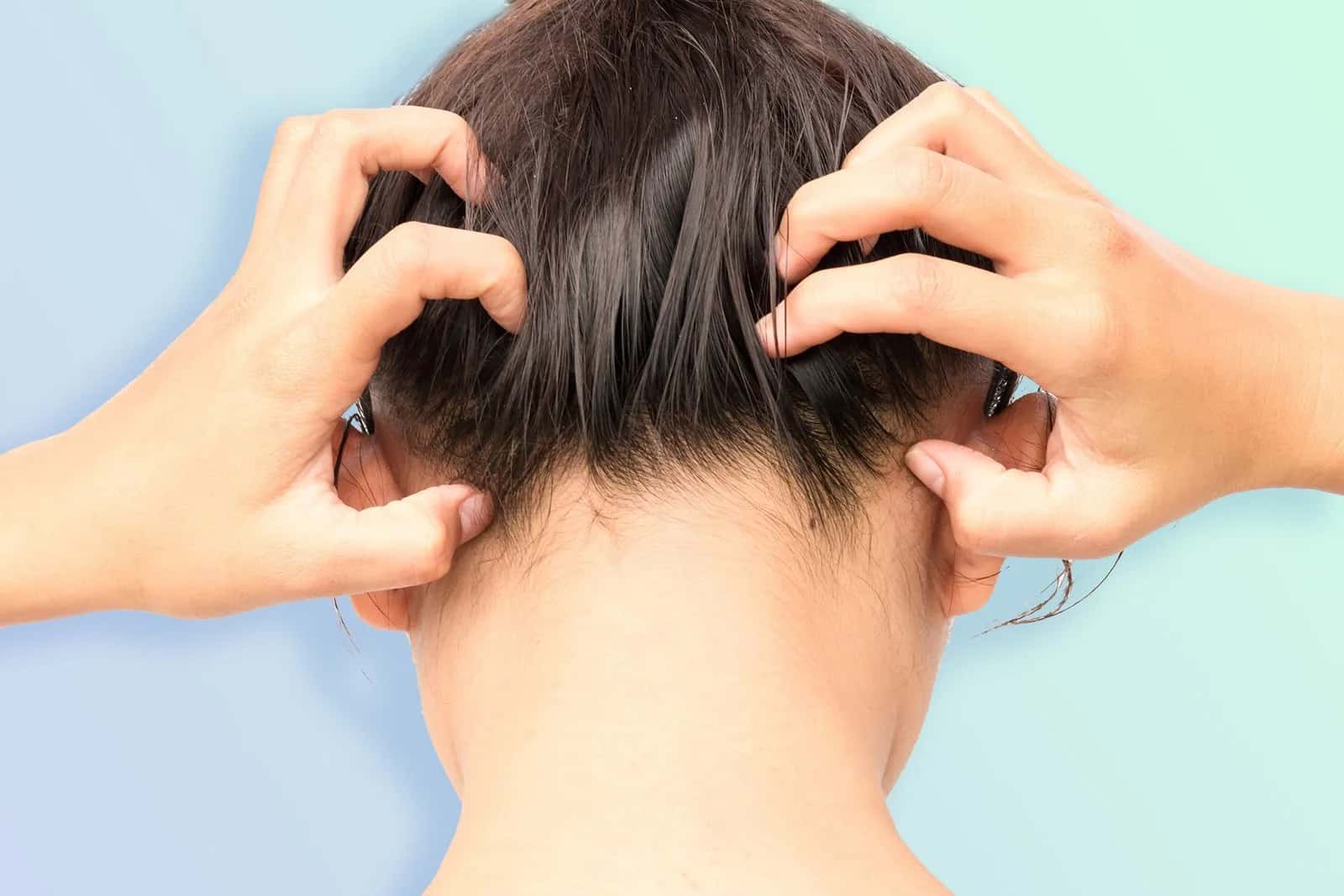
Air conditioning can dry out your scalp by reducing indoor humidity and affecting the skin's ability to maintain adequate moisture. Prolonged exposure to dry, cooled air may contribute to itching, flaking, tightness, and irritation, particularly when the scalp is already sensitive or prone to dryness.
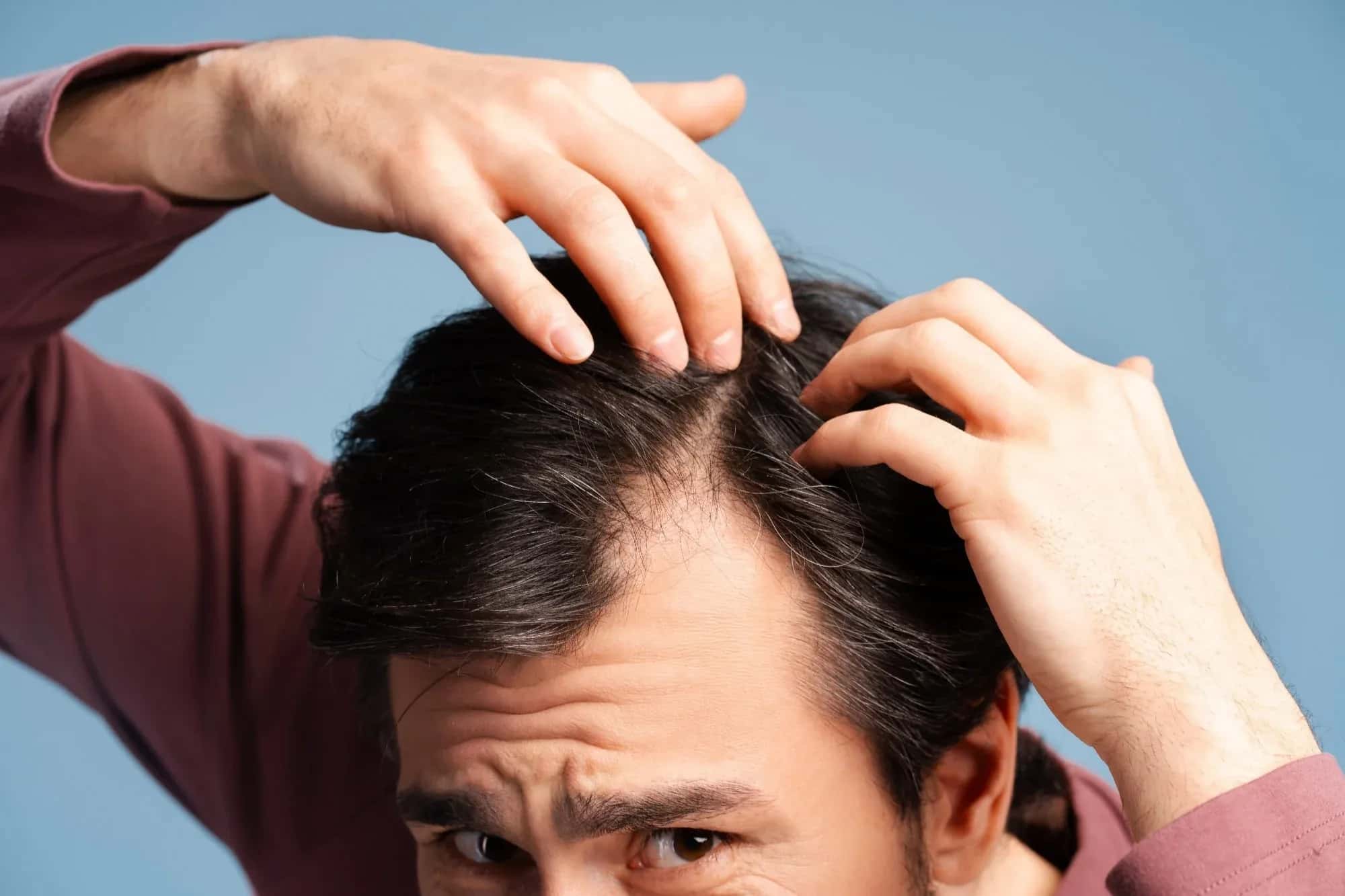
Certain dietary supplements can cause hair loss when taken in excessive amounts, particularly products containing high doses of vitamin A, selenium, or other concentrated nutrients. While supplements can help correct nutritional deficiencies that affect hair growth.
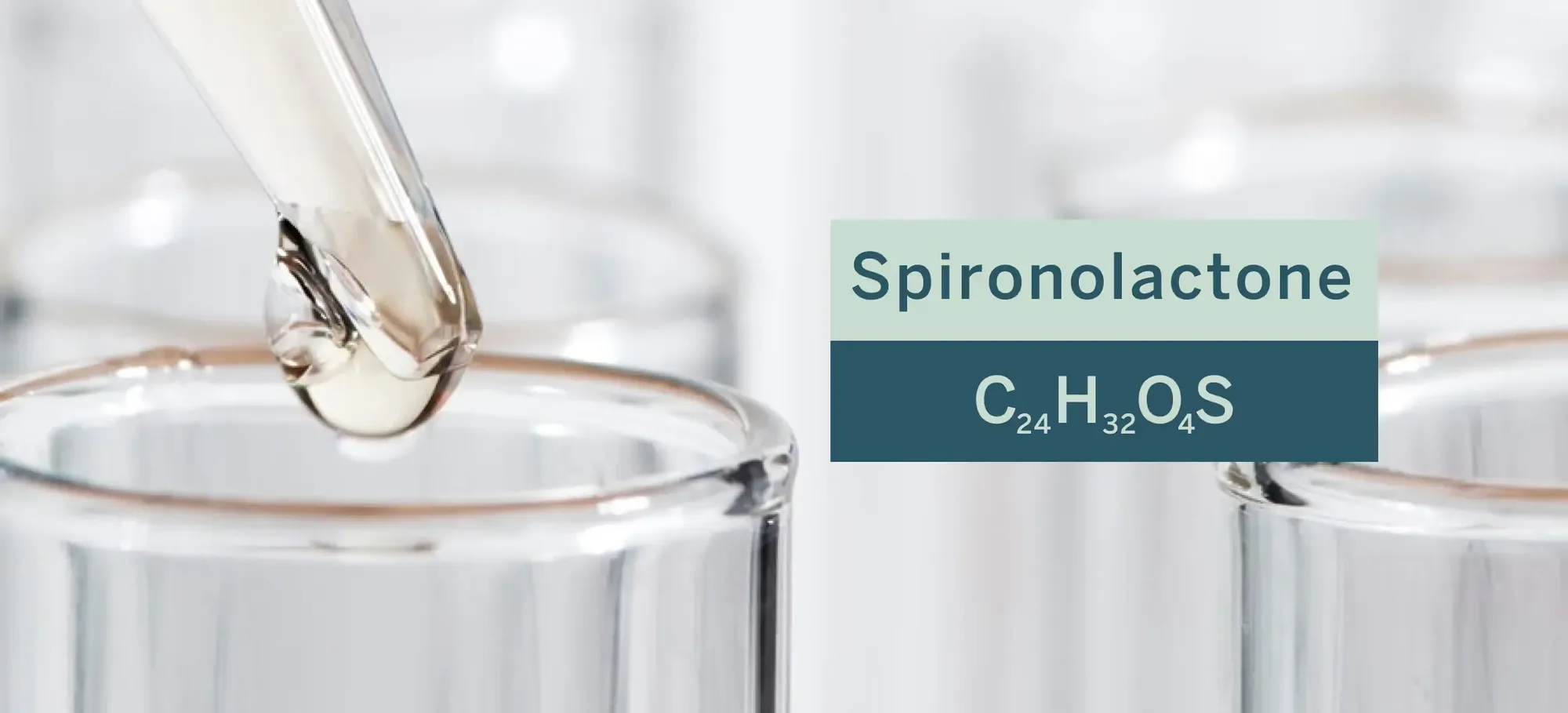
Spironolactone for female hair loss can help slow progressive thinning and improve hair density by reducing the effects of androgens on sensitive hair follicles. Although this prescription medication is not specifically approved for hair loss, clinical research supports its use in selected women.
Subscribe to the Medifinder newsletter and never miss our latest content.