










FUT Hair Transplant Timeline: Recovery and Hair Growth Month by Month
Understanding the FUT hair transplant timeline helps you plan your recovery and set realistic expectations. The process involves two distinct timelines: surgical healing, which is concentrated in the first days and weeks, and hair growth, which develops over several months.

- Last updated
- 302 reads
- 17 min read


Immediately after follicular unit transplantation, you will manage temporary swelling, crusting, and a linear donor incision. In the following weeks, you will likely experience temporary shedding of the transplanted hairs. This is normal, with slow early growth typically beginning around month three. Because exact timing varies according to your individual healing response, surgical technique, and aftercare, this guide outlines typical milestones from the procedure day through final maturation. It will help you distinguish normal postoperative changes from symptoms that require medical advice.
What Happens During an FUT Hair Transplant?
During follicular unit transplantation (also known as strip harvesting or linear strip excision), the surgical team begins with a donor-area assessment. The surgeon removes a narrow strip of hair-bearing scalp from the back or sides of your head. They then close this donor incision, which creates a linear scar.
While the donor area is closed, the team microscopically separates the removed strip into individual follicular units. The surgeon creates tiny recipient sites in the thinning areas of your scalp and carefully places the grafts into these sites. Finally, a postoperative dressing may be applied, and you will receive your specific aftercare instructions.
FUT Recovery Timeline at a Glance
Note: Healing and growth can occur earlier or later than these listed ranges. Always follow your operating physician’s exact timeline.
| Stage | Donor Area | Recipient Area | Hair Growth | Typical Patient Concerns | Important Qualification |
| Procedure day | Incision closed | Red, small sites | None | Numbness, tightness | Varies by clinic protocol |
| Days 1–3 | Tender, swollen | Red, crusting | None | Swelling, sleep position | Follow clinical wash rules |
| Days 4–7 | Tightness | Crusts loosening | None | Itching, friction | Avoid forceful rubbing |
| Days 8–14 | Stitch removal | Pinkness fading | None | Scar visibility | Surface healing only |
| Weeks 3–4 | Early healing | Looks thinner | Shedding begins | Shock loss fears | Shedding is expected |
| Months 1–2 | Healing ongoing | Minimal redness | Resting phase | Lack of progress | Growth takes time |
| Month 3 | Less redness | Normal skin | Early emergence | Fine, uneven hair | Slower in some areas |
| Months 4–5 | Scar maturing | Normal skin | Visible growth | Scalp bumps | Texture may feel wiry |
| Month 6 | Scar softening | Normal skin | Noticeable change | Incomplete density | Midpoint assessment |
| Months 7–9 | Fading scar | Normal skin | Increasing coverage | Crown development | Styling options improve |
| Months 10–12 | Mature | Normal skin | Blending well | Final expectations | Assessment of hairline |
| Months 12–18 | Final softening | Normal skin | Final maturation | Maximum thickness | Late developers catch up |
FUT Procedure Day
Immediately after your surgery, you will feel the effects of local anesthesia wearing off. Your donor area will be closed with sutures or staples, and a protective dressing may be present. The recipient area will look red and feature hundreds or thousands of small, visible graft sites.
It is common to experience mild bleeding or oozing, alongside a sensation of numbness or tightness across the scalp. Initial swelling may begin to develop. Depending on the medications used during the procedure, you may need an accompanying adult to transport you home. You will leave the clinic with written postoperative instructions.
Days 1–3: Early Healing and Graft Protection
The first three days require careful protection of the new grafts. You will likely feel tenderness and tightness around the donor incision. The recipient area will remain red, and small crusts will begin forming around each transplanted follicle.
Swelling is common and may move downward toward your forehead or around your eyes in some patients. You will experience temporary numbness. During this phase, you must sleep in the position instructed by your clinic (often elevated) and strictly avoid rubbing, scratching, or applying direct pressure to your scalp. Follow your clinic’s specific washing schedule, and attend an early clinical review where arranged.
Days 4–7: Washing and Early Scalp Changes
As authorized by your physician, you will begin gentle washing to assist the gradual loosening of dried blood and crusts. You must not forcefully remove these crusts, as scratching can traumatize healing skin and dislodge graft sites.
You will notice continuing redness and itching, alongside donor-area tightness. Your sutures or staples will be clearly visible. While you must continue protecting your scalp from friction, you can usually return to light daily activities during this window. Continued avoidance of strenuous activity is typically advised to prevent stretching the donor wound.
Days 8–14: Stitch Removal and Visible Healing
Between days 8 and 14, non-dissolvable sutures or staples are usually reviewed and removed. The exact timing of this appointment is determined by your surgeon. Do not attempt to remove stitches yourself.
During this period, crusting reduces significantly, though persistent pinkness or redness may remain. Temporary numbness often continues. Many patients return to routine work during this time, provided their existing hair is long enough to conceal the donor line. It is crucial to remember that surface closure does not mean complete scar maturation; the donor incision has not yet reached full strength, and restrictions on exercise or scalp trauma continue.
Weeks 3–4: Shedding May Begin
Around the third or fourth week, the expected shedding phase typically begins. You will notice the shedding of transplanted hair shafts, but the critical follicles remain securely anchored beneath the skin.
The amount of visible shedding varies greatly between individuals. You may also experience temporary shock loss in your native recipient hair or around the donor area. This combination can create a temporary appearance of reduced density. Continuing redness is normal in some skin types, and the early scar will be visible if your hair is kept very short. Shedding can occur at different times; lack of shedding does not prove better graft survival, and shedding does not mean the transplant is failing.
Months 1–2: The Resting Phase
This period is often the most concerning for patients because there is limited visible growth while shedding may continue. Your hair may temporarily look thinner than it did before the surgery due to the hair-cycle transition and potential shock loss.
You may still experience persistent numbness or altered scalp sensation. Your donor area continues its gradual internal healing, and the scar may appear red or pink. Once approved by your clinic, you can generally return to normal grooming routines. Remember that seeing little visible growth during this stage does not indicate failure.
Month 3: Early Growth May Start
For many patients, new hairs begin to emerge around the third month, though others may take longer. Individual follicles enter active growth at different times, so the process is asynchronous.
These early hairs are often fine, short, and light in color. They may grow unevenly and have a different texture than your native hair, making them difficult to see at first. Not all patients will see clear growth in the third month.
Months 4–5: Visible Growth Becomes More Noticeable
During months four and five, an increasing number of hairs emerge. You will notice an uneven early density as more follicles awaken. The new hair often has a fine or wiry texture, with potential changes in color or curl.
This stage brings gradual improvement rather than a sudden, dramatic result. The donor scar continues its maturation process. You may also notice small, folliculitis-like bumps as new hairs push through the skin. If these are persistent or severe, they require clinical assessment. Do not squeeze or puncture scalp bumps.
Month 6: The Midpoint Assessment
Six months is often used as a progress checkpoint rather than a final-result date. You will see more visible coverage, but growth speed varies, and the hair caliber remains immature. You will not yet have complete density.
At this stage, clinics often compare your progress with standardized preoperative photographs. The physician will assess the donor scar and review any ongoing native hair loss to discuss medical hair-loss management if necessary. Do not assume you should have exactly half of your final result by this date.
Months 7–9: Increasing Thickness and Coverage
During this window, you will notice the continued emergence of slower-growing follicles and the thickening of previously fine transplanted hairs. Your styling options will improve as the visual density changes.
You will see ongoing variation between scalp regions; development in the crown is frequently slower than at the hairline. Your donor scar will continue its maturation, fading closer to your natural skin tone. Cosmetic density depends on hair caliber, curl, color contrast, graft distribution, and existing hair, so visual thickness will continue to evolve.
Months 10–12: Approaching a Mature Result
By months 10 to 12, your hair growth becomes more established. You will see increased shaft thickness and improved blending with your native hair. This is an excellent time for the surgical team to assess the hairline design and evaluate the donor scar.
Your physician will compare your current coverage with baseline photographs. While you may see most of your visible result during this period, maturation can continue in slower-growing areas like the crown. The continued progression of untreated native hair loss is also evaluated at this time.
Months 12–18: Final Maturation
Final maturation occurs between one year and 18 months postoperative. You will experience continued thickening, texture normalization, and late crown development. The donor scar will undergo its final fading and softening.
During this period, you and your physician will evaluate the overall coverage and assess whether your initial expectations were realistic. Discussion of further treatment should only happen after this appropriate clinical review, as your final assessment must consider your original degree of hair loss, donor capacity, hair characteristics, and individual healing.
Donor-Area Healing After FUT
FUT produces a linear donor scar, and this wound follows its own healing timeline. You will experience early incision discomfort, tightness, and temporary numbness or itching. Sutures or staples secure the wound initially, and the scar will appear red for several weeks or months.
Over time, hair growth around the scar helps conceal it, though you may experience temporary donor shock loss nearby. Scar appearance is influenced by the closure technique, scalp elasticity, wound tension, previous FUT procedures, smoking, and your individual healing characteristics. There is a possibility of widening or hypertrophic scarring in susceptible individuals, which dictates your long-term haircut considerations.
How Long Does the FUT Scar Take to Heal?
Initial wound closure happens within the first two weeks, allowing for suture removal. However, the return of deep wound strength takes several more weeks.
Reduction in redness and scar softening take much longer. A scar can continue changing for months after the skin appears closed, eventually entering final scar maturation between 6 and 18 months. There is no universal date when a scar finishes changing, and you should not apply scar products without physician approval.
When Can You Return to Work?
Your return to work depends entirely on your type of work, physical demands, and your ability to conceal redness or sutures.
If you do remote or desk work, you might return within a few days. Public-facing work may require a week or two if you wish to hide the immediate signs of surgery. Manual labor, outdoor work, or jobs requiring helmets or tight headwear require specific clearance from your surgeon to protect the grafts and the healing donor incision.
When Can You Exercise After FUT?
Exercise restrictions involve protecting both the fragile new grafts and the healing donor incision. Walking and light activity are generally permitted early on. However, activities that increase wound tension—such as weight training, running, and heavy bending—are restricted longer.
Contact sports, swimming, and activities requiring helmets and tight headwear require even more time. FUT may require more caution around activities that stretch the donor incision compared to other methods. Always follow your operating physician’s individualized clearance.
When Can You Wash and Style Your Hair?
Your clinic will authorize your first gentle wash and instruct you on water pressure, shampoo selection, and crust management. You must strictly avoid rubbing and scratching.
Over the following weeks, as grafts secure and the scalp heals, you will gradually be allowed to resume normal combing, the use of hair dryers, and applying styling products. Haircuts, hair dye, and chemical treatments generally require a longer wait to ensure complete healing; recipient and donor areas may receive different instructions.
When Can You Wear a Hat After FUT?
The timing depends on the hat's tightness, cleanliness, and the potential for contact with grafts or donor-incision pressure. Do not assume all hats are safe after a fixed number of days. Ask your surgical team which type of loose, clean headwear is acceptable for your specific procedure.
When Can You Sleep Normally?
Early on, you will follow elevated sleeping recommendations to minimize swelling and avoid direct pressure on the grafts. You must also consider donor-incision comfort and protecting your bedding from mild oozing. You will gradually return to your usual sleep position based on differences in your recipient area and clinic protocol.
When Can You Travel or Fly After FUT?
Flying requires planning around early postoperative reviews, swelling, and access to your surgeon. Long flights can be uncomfortable, and you will need to protect your scalp and carry necessary medication and wound-care supplies.
International patients must arrange their first postoperative check, suture or staple removal, written aftercare instructions, and an emergency contact. Travelling too soon risks missing the window for managing early complications.
What Is Shock Loss After FUT?
Shock loss is a broad term that requires careful distinction. It includes the expected shedding of transplanted hair shafts, which is a normal part of the cycle. However, it can also refer to the temporary shedding of existing recipient hair or temporary donor-area shedding due to surgical trauma.
In selected circumstances, it may involve the permanent loss of already miniaturized native hair. Shock loss does not occur to the same extent in every patient, and while often temporary, complete regrowth of native hair is not guaranteed.
Is It Normal for FUT Growth to Be Uneven?
Yes, uneven growth is completely normal. Follicles enter their active growth phases at different times, and different scalp areas mature at different rates. Early hairs vary in thickness, and your existing native hair changes the visual appearance of the new growth. Crown patterns in particular can affect perceived density. If growth remains concerning after many months, clinical assessment may be appropriate.
What Can Affect the FUT Timeline?
Several variables influence healing and visible growth:
- Age and general health
- Hair-loss diagnosis and ongoing native hair loss
- Smoking habits and scalp condition
- Donor quality, hair caliber, and hair curl
- Graft handling and surgical planning
- Previous surgery and existing scar tissue
- Number of grafts and recipient-area blood supply
- Postoperative care, infection, or inflammation
- Individual hair-growth cycles and underlying medications
FUT Timeline vs FUE Timeline
While the recipient-area growth cycle is broadly similar because both methods transplant follicular units, the main timeline difference concerns donor harvesting and healing.
| Timeline Factor | FUT | FUE | Important Qualification |
| Donor harvesting | Strip of scalp removed | Individual units extracted | FUE is not scarless; it leaves dot scars |
| Donor wound | Linear incision | Circular puncture wounds | Both require specific wound care |
| Closure | Sutures or staples | Left to heal open | FUT requires stitch removal |
| Early discomfort | Tightness, tenderness | Mild soreness | FUT tightness can last longer |
| Strenuous activity | Restricted longer | Cleared sooner | FUT requires avoiding wound tension |
| Start of new growth | 3 to 4 months | 3 to 4 months | Growth timelines are biologically similar |
| Haircut considerations | Longer hair hides linear scar | Shorter hair possible | Depends on individual scar maturation |
When Should You Contact the Clinic?
Some redness, tenderness, swelling, and shedding are normal. However, you should seek prompt medical contact for symptoms such as:
- Increasing rather than improving pain
- Significant or persistent bleeding
- Wound separation at the donor incision
- Increasing redness or swelling after the first week
- Pus or foul-smelling discharge
- Fever or marked tenderness
- Rapidly worsening scalp changes
- Loss of sensation accompanied by other concerning symptoms
For urgent or severe symptoms, seek appropriate local medical care rather than relying only on online communication.
What Should You Ask Before an FUT Procedure?
- Is FUT appropriate for my hair-loss diagnosis?
- Why do you recommend FUT instead of FUE or another option?
- Who will perform the donor removal?
- Who will create the recipient sites?
- Who will dissect and place the grafts?
- How will the donor incision be closed?
- When will sutures or staples be removed?
- What scar can I realistically expect?
- How short can I wear my hair after healing?
- What is the expected recovery schedule for my occupation?
- When may I exercise?
- When may I travel?
- How will postoperative concerns be managed?
- What amount of shedding is expected?
- When will growth be reviewed?
- How will ongoing native hair loss be managed?
- What happens if the result is less dense than expected?
- Which costs are included in follow-up care?
- Who should I contact after business hours?
- Will I receive written aftercare instructions?
Frequently Asked Questions
How long does FUT take to heal?
Initial surface healing of the donor incision and recipient sites usually takes two to three weeks. However, deeper tissue healing and scar maturation continue for several months. While you can often return to most normal routines within 14 days, complete internal recovery from follicular unit transplantation is a gradual process.
When are FUT stitches removed?
Non-dissolvable sutures or staples are generally removed between 8 and 14 days after the procedure. The exact day is determined by your surgeon based on your wound tension and healing progress. You must return to the clinic or a qualified local provider for this removal.
When can you wash your hair after FUT?
Most clinics authorize a gentle first wash within the first three days, but you must use the specific pouring or dabbing method they prescribe. Normal water pressure and gentle massaging are typically restricted for at least a week to two weeks to protect the fragile grafts.
When do FUT grafts become secure?
Grafts generally become securely anchored within the first 7 to 14 days. During this initial window, they are highly vulnerable to being dislodged by scratching, tight hats, or harsh washing. Once securely anchored, the external hair shaft may still shed, but the follicle remains safe.
When does shedding start after FUT?
Postoperative shedding typically begins between weeks three and four. This occurs because the trauma of relocation pushes the transplanted follicles into a resting phase. The attached hair shafts detach and fall out, clearing the way for new growth cycles to begin.
Does every transplanted hair fall out?
No, not every transplanted hair falls out, though the vast majority usually do. The amount of visible shedding varies significantly among patients. Retaining more hair shafts does not mean your graft survival rate is better, and experiencing heavy shedding does not mean the procedure failed.
When does new hair start growing after FUT?
Early, fine hairs usually begin to emerge around the third or fourth month. Because hair follicles operate on independent cycles, this growth starts asynchronously. The earliest hairs are often very thin and light in color, making them difficult to notice immediately.
What should FUT look like after three months?
At three months, your scalp should be fully healed from the surgery with minimal redness. You may see a small amount of fine, uneven new hair breaking through the skin. However, many patients still look similar to their pre-surgery appearance at this stage.
How much FUT growth should you see at six months?
Six months serves as a midpoint assessment, not a final result. You will likely see noticeable cosmetic improvement and increased coverage, but the hair will remain somewhat thin and immature in caliber. Because growth is highly individual, universal percentage milestones are inaccurate expectations.
When can you see the final FUT result?
Most patients see their final result between 12 and 18 months. By this time, all viable follicles should have produced hair, the shafts will have thickened to their mature caliber, the texture will have normalized, and the donor scar will have significantly faded.
How long does the FUT scar remain red?
The linear donor scar typically remains red or pink for several weeks to a few months. As the deep tissue remodels and the vascularity normalizes, the scar slowly fades closer to your natural skin tone. This maturation process can take up to a year.
Can the FUT scar widen?
Yes, a linear FUT scar can stretch or widen. This is often influenced by individual scalp elasticity, excessive wound tension during closure, or engaging in strenuous physical activity and bending too soon after surgery. Careful adherence to postoperative restrictions minimizes this risk.
When can you return to work after FUT?
Return to work depends on your job's physical demands and your desire to conceal the surgery. Desk workers often return within days, while those in manual labor, outdoor environments, or jobs requiring hard hats may need several weeks of clearance from their surgeon.
When can you exercise after FUT?
Light walking is usually permitted early on, but activities that increase wound tension or blood pressure—like weightlifting, running, and heavy bending—are typically restricted for several weeks. You must obtain individualized clearance to prevent stretching the donor scar or risking graft damage.
When can you wear a hat after FUT?
You can generally wear a very loose, clean, adjustable hat within a few days if approved by your clinic. However, tight headwear like baseball caps or beanies that rub against the recipient area or put pressure on the donor wound are restricted longer.
When can you get a haircut after FUT?
You can usually have the sides and back trimmed with scissors a few weeks after surgery. However, using clippers near the donor scar, applying hair dye, or cutting the delicate new transplanted hair generally requires waiting several weeks or months. Ask your clinic for specific clearance.
Is FUT recovery longer than FUE recovery?
While the recipient-area hair-growth timeline is identical, FUT donor-area recovery is generally more restrictive. The linear incision requires stitches, involves more initial tightness, and necessitates longer restrictions on strenuous activity compared to the individual extraction sites of FUE.
When should you worry after an FUT transplant?
You should contact a doctor if you experience increasing pain, persistent bleeding, pus, foul-smelling discharge, fever, or visible separation of the donor wound. While mild swelling and redness are normal early on, rapidly worsening symptoms require professional medical assessment.
Conclusion
The FUT hair transplant timeline consists of two separate phases: surgical healing and long-term hair growth. The donor incision usually requires more focused wound care and activity restriction than individual FUE extraction sites. While temporary shedding can cause concern, it is a normal step before visible new growth begins around month three.
Early growth often appears uneven and immature, with most cosmetic development occurring gradually over several months. Final maturation, including scar softening and maximum density, may extend beyond one year. Because individual instructions from the operating physician always take priority over generalized online timelines, researching appropriately qualified hair-restoration physicians and clinics through MediFinder is the best way to ensure safe, professional care.
- Last updated
- Language
- English
How did you find this article?
Air conditioning can dry out your scalp by reducing indoor humidity and affecting the skin's ability to maintain adequate moisture. Prolonged exposure to dry, cooled air may contribute to itching, flaking, tightness, and irritation, particularly when the scalp is already sensitive or prone to dryness.
Certain dietary supplements can cause hair loss when taken in excessive amounts, particularly products containing high doses of vitamin A, selenium, or other concentrated nutrients. While supplements can help correct nutritional deficiencies that affect hair growth.
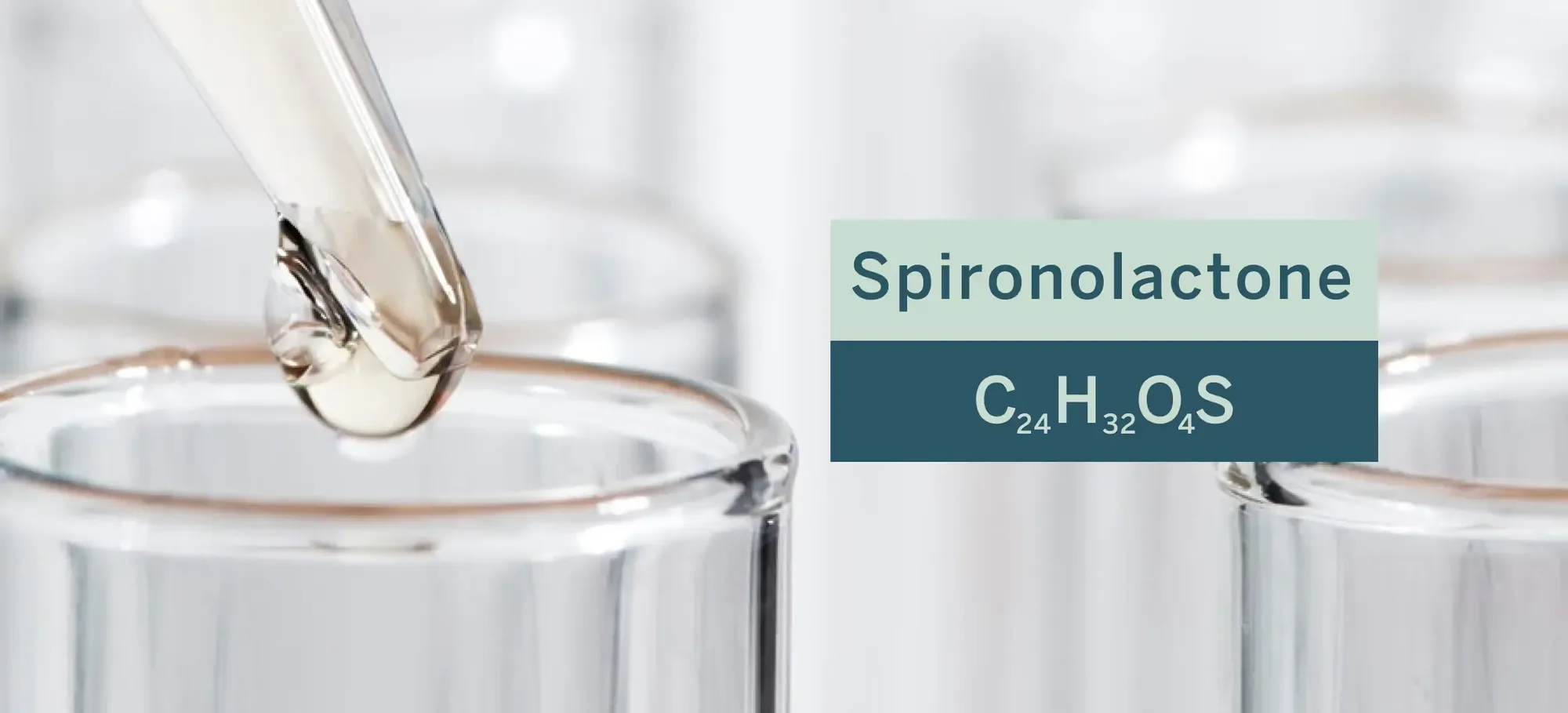
Spironolactone for female hair loss can help slow progressive thinning and improve hair density by reducing the effects of androgens on sensitive hair follicles. Although this prescription medication is not specifically approved for hair loss, clinical research supports its use in selected women.
Subscribe to the Medifinder newsletter and never miss our latest content.