










Finasteride Alternatives: Hair Loss Treatments
This guide explains the main finasteride alternatives for androgenetic alopecia, including minoxidil, dutasteride, PRP, low-level laser therapy, microneedling, topical treatments, supplements, and hair transplantation.

- Last updated
- 73 reads
- 8 min read


What Are the Main Alternatives to Finasteride for Hair Loss?
The main finasteride alternatives include minoxidil, dutasteride, PRP, low-level laser therapy, microneedling, selected topical treatments, and hair transplantation.
Common options include:
-
Topical minoxidil for direct follicular stimulation
-
Low-dose oral minoxidil used off-label
-
Dutasteride for stronger DHT suppression
-
PRP injections for follicular stimulation
-
Low-level laser or LED devices
-
Microneedling, commonly combined with minoxidil
-
Ketoconazole as an adjunctive scalp treatment
-
Hair transplantation for permanent follicle redistribution
These treatments work through different mechanisms, so choosing an alternative depends partly on why finasteride is unsuitable.
Is Minoxidil the Best-Known Alternative to Finasteride?
Topical minoxidil is the most established non-finasteride medication for androgenetic alopecia and does not work by blocking DHT production.
Instead, minoxidil supports follicular activity and can prolong the active growth phase of the hair cycle. It is used for both male and female pattern hair loss. Unlike finasteride, it does not directly address the androgen pathway responsible for follicular miniaturization. Treatment must usually continue to maintain the improvement. Early shedding can occur after starting minoxidil because hairs transition between growth-cycle phases. Visible improvement generally requires several months of consistent treatment rather than a few weeks.
Is Oral Minoxidil an Alternative to Finasteride?
Low-dose oral minoxidil is increasingly used off-label as a finasteride alternative, particularly when topical minoxidil is inconvenient, irritating, or difficult to use consistently.
Randomized evidence suggests oral and topical minoxidil can produce similar improvements in hair density and diameter. Oral treatment avoids daily scalp application but creates greater systemic exposure. Hypertrichosis is the most frequent side effect, while fluid retention, dizziness, and increased heart rate can occur less commonly. Because minoxidil was originally developed as a blood-pressure medication, cardiovascular history and concurrent medication use require consideration before oral treatment is prescribed.
Is Dutasteride More Effective Than Finasteride?
Dutasteride can produce greater hair-count improvement than finasteride because it suppresses both major forms of the 5-alpha-reductase enzyme involved in DHT production.
Finasteride primarily inhibits type II 5-alpha-reductase, while dutasteride inhibits type I and type II. This gives dutasteride stronger suppression of circulating DHT. Comparative evidence has found 0.5 mg dutasteride more effective than 1 mg finasteride for increasing hair counts in androgenetic alopecia. However, greater DHT suppression does not make dutasteride appropriate for everyone. Its use for hair loss is off-label in some countries, and systemic adverse effects remain an important consideration.
Is Topical Finasteride an Alternative to Oral Finasteride?
Topical finasteride is an alternative delivery method to oral finasteride, but it is not a completely finasteride-free treatment because the same active drug is involved.
The objective is to reduce DHT activity within the scalp while limiting systemic drug exposure. A randomized phase III study found comparable hair-count improvement between a topical finasteride spray and oral finasteride during 24 weeks of treatment. Systemic exposure was lower with the topical formulation, although absorption was not eliminated completely. Topical finasteride may therefore interest people specifically trying to avoid oral administration rather than individuals seeking to avoid finasteride exposure altogether.
Can PRP Replace Finasteride for Androgenetic Alopecia?
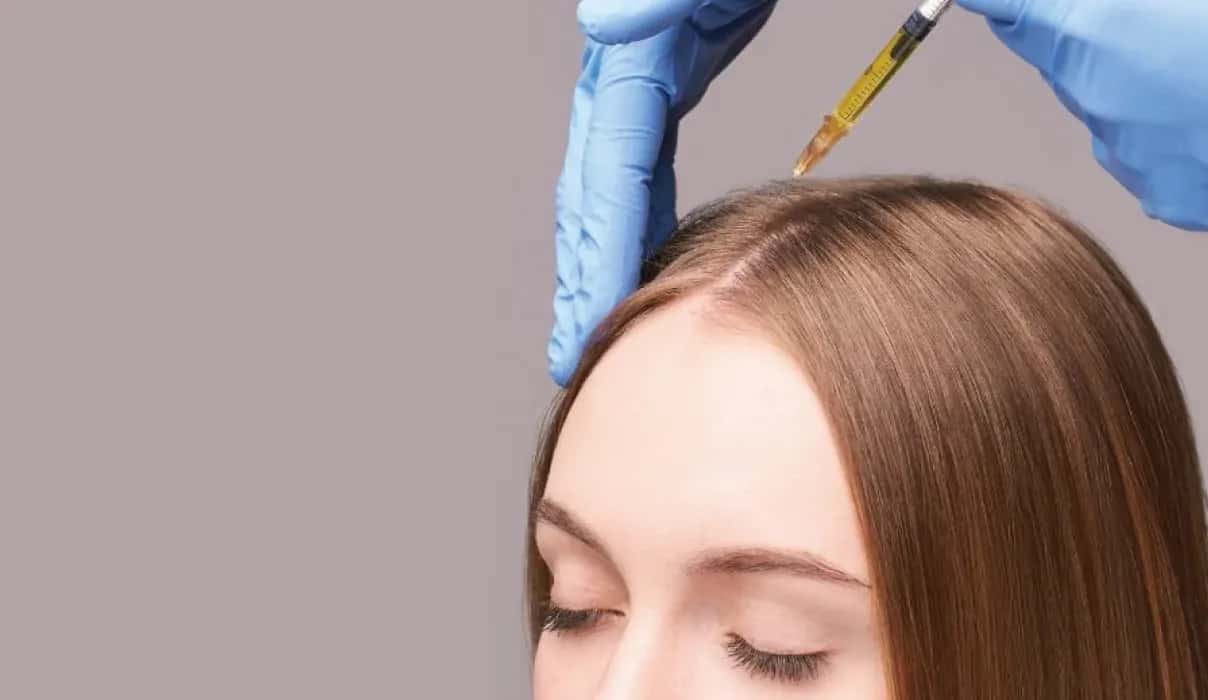
PRP can improve hair density in androgenetic alopecia, but current evidence does not establish it as a direct biological replacement for finasteride.
Platelet-rich plasma is prepared from the patient’s own blood and injected into thinning scalp areas. Its concentrated platelets release signaling molecules involved in tissue repair and follicular activity. Recent randomized-trial evidence supports an increase in hair density, although protocols differ considerably between studies. Preparation method, platelet concentration, injection intervals, and maintenance schedules are not standardized. PRP also does not directly suppress DHT, so genetically driven miniaturization can continue despite a temporary improvement in follicular activity.
Does Low-Level Laser Therapy Work as a Finasteride Alternative?
Low-level laser therapy can increase hair density in androgenetic alopecia and provides a non-drug option for people who prefer to avoid systemic medication.
Treatment uses red or near-infrared light delivered through helmets, caps, combs, or similar devices. A large systematic review involving more than 3,000 participants found significant improvements in hair density among people with androgenetic alopecia compared with placebo treatment. Another recent analysis also reported improvements in density and shaft thickness. The treatment requires repeated use over several months, and responses are variable. It stimulates follicles rather than directly blocking the DHT pathway responsible for pattern hair loss.
Can Microneedling Be Used Instead of Finasteride?
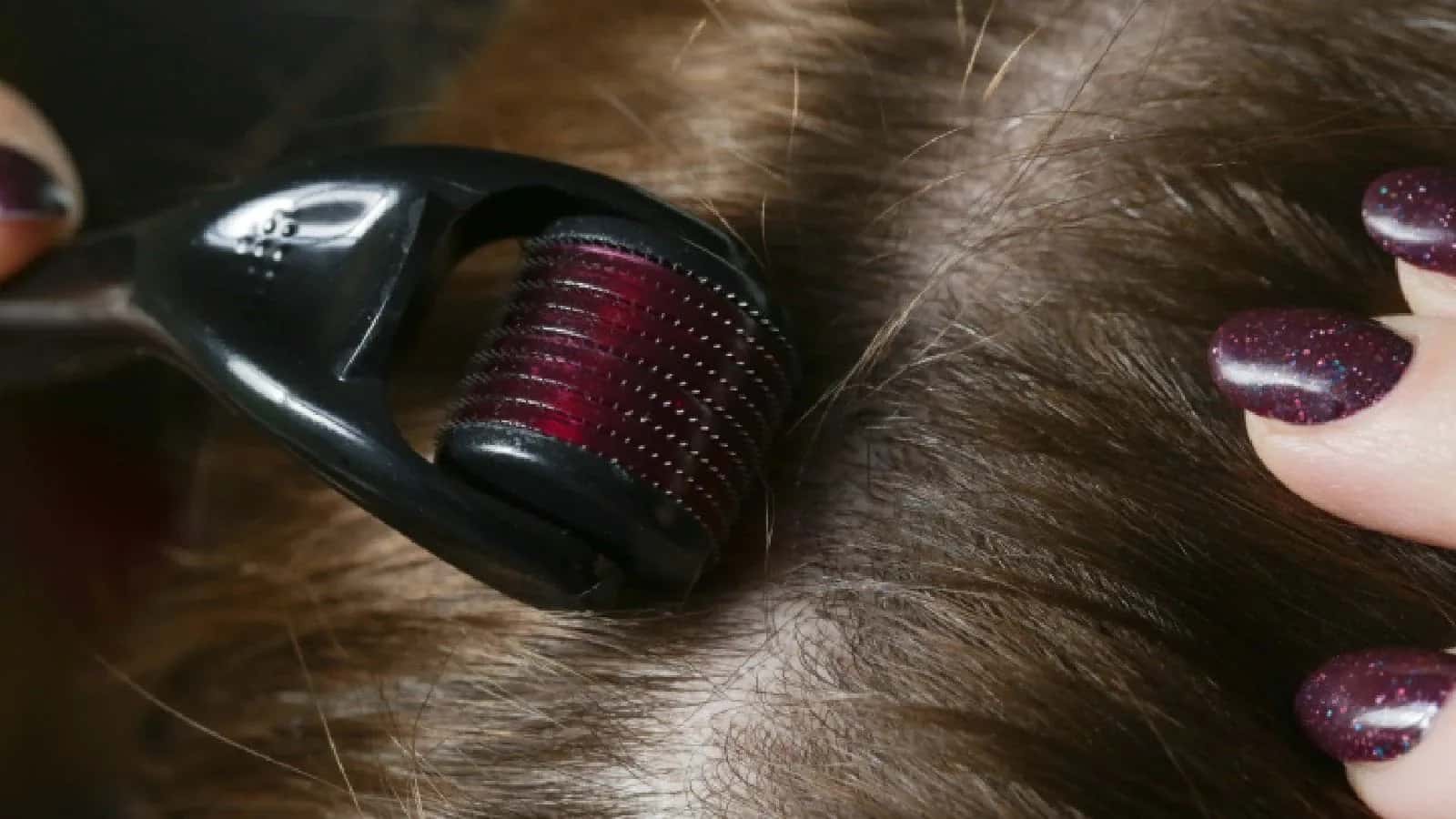
Microneedling can support hair growth in androgenetic alopecia, but the strongest evidence currently supports its use alongside another treatment rather than as isolated replacement therapy.
Microneedling creates controlled superficial injuries in the scalp, triggering wound-healing signals that may stimulate follicular activity. It can also increase penetration of topical treatments. A meta-analysis of randomized trials found that combined microneedling approaches improved outcomes compared with single treatments. More recent evidence found greater hair-count improvement when microneedling was combined with minoxidil than with minoxidil alone. The optimal needle depth, frequency, and long-term maintenance schedule remain incompletely standardized.
Can Ketoconazole Shampoo Replace Finasteride?
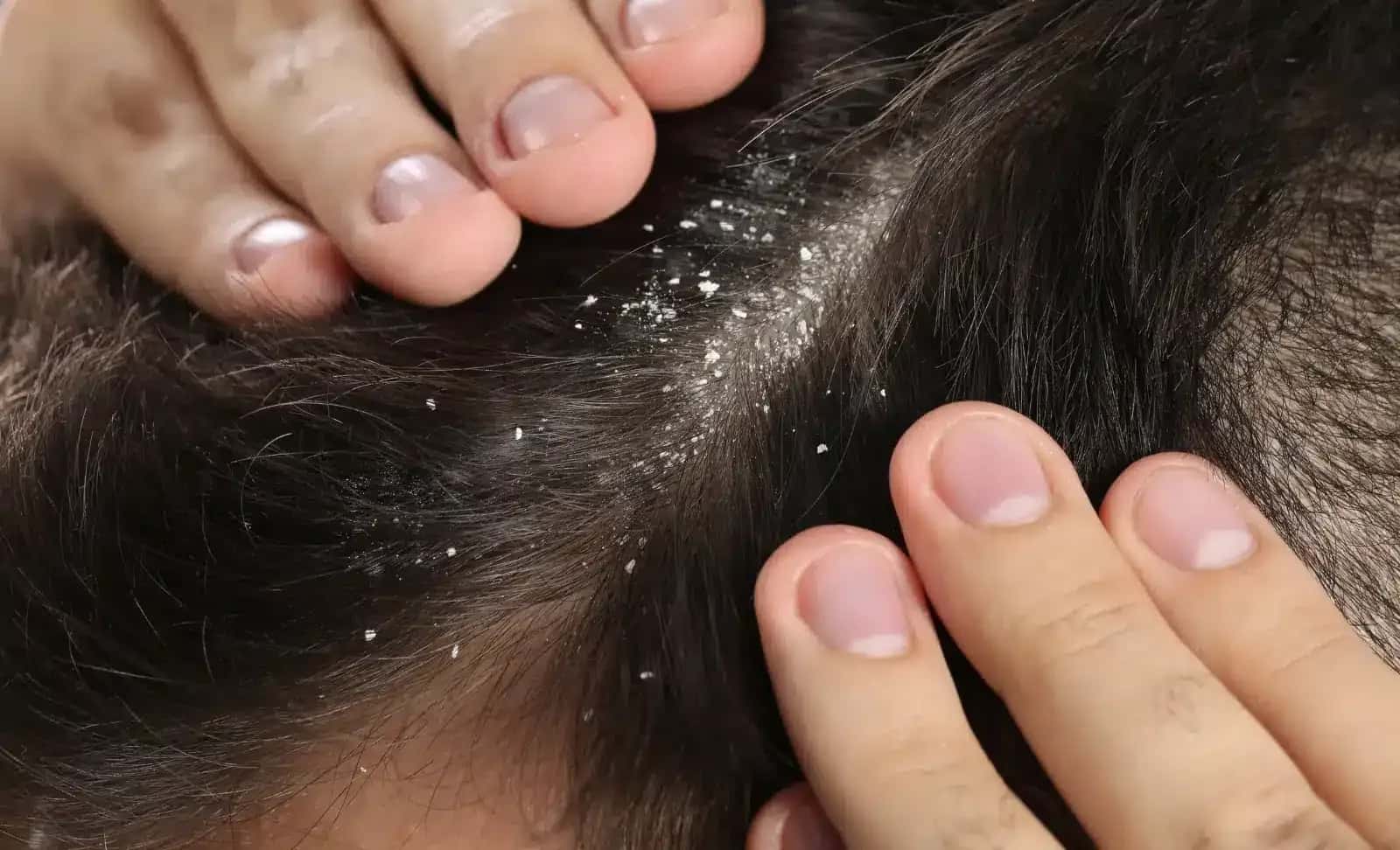
Ketoconazole shampoo may support scalp health and possibly improve androgenetic alopecia, but evidence is insufficient for it to replace established hair-loss treatments such as finasteride or minoxidil.
Ketoconazole is primarily used to treat seborrheic dermatitis and conditions associated with scalp yeast. Research has also explored anti-inflammatory and possible local antiandrogen effects. A systematic review found human studies reporting improvements in hair shaft diameter and selected hair-growth measurements. However, the available evidence remains considerably weaker than evidence supporting standard androgenetic alopecia medications. Ketoconazole is therefore better considered an adjunct, particularly when dandruff or seborrheic dermatitis accompanies pattern hair loss.
Is Saw Palmetto a Natural Alternative to Finasteride?
Saw palmetto is marketed as a natural finasteride alternative because it may have antiandrogenic activity, but the supporting evidence remains substantially weaker than for prescription treatments.
A systematic review identified several small trials reporting improvements in hair density, hair count, or perceived hair quality with oral or topical saw palmetto products. However, formulations differed substantially and many products contained additional ingredients. The individual contribution of saw palmetto therefore remains difficult to measure. Current reviews conclude that larger controlled trials are needed before its effectiveness and long-term safety can be established confidently. Natural origin also does not guarantee the absence of adverse effects or medication interactions.
Are Hair Supplements Effective Alternatives to Finasteride?
Hair supplements are not equivalent alternatives to finasteride unless a nutritional deficiency is contributing to hair loss or a specific product has supporting clinical evidence.
Androgenetic alopecia is driven mainly by genetic susceptibility and androgen-related follicular miniaturization, so ordinary vitamin supplementation does not remove its central biological mechanism. Correcting iron, vitamin D, zinc, protein, or other deficiencies can help when deficiency-related shedding coexists. Taking excessive nutrients without confirmed need can be ineffective and, in some cases, harmful. Botanical combinations and nutraceuticals have shown encouraging results in selected studies, but formulations vary substantially. Evidence for most remains weaker than evidence for established medical treatments.
Are There Finasteride Alternatives for Women With Pattern Hair Loss?
Women with pattern hair loss have alternatives including topical minoxidil, selected oral minoxidil regimens, and prescription antiandrogen approaches used according to reproductive and medical circumstances.
Topical minoxidil remains an established option because it stimulates follicular growth without suppressing DHT systemically. Low-dose oral minoxidil is also used off-label and has growing clinical evidence. Antiandrogen medications may be considered in selected women, but pregnancy potential becomes a major safety issue for treatments that affect androgen pathways. Finasteride and dutasteride require particularly careful reproductive precautions. Diagnosis also matters because female diffuse thinning can have causes other than androgenetic alopecia that require different treatment.
Is Hair Transplant Surgery an Alternative to Finasteride?
Hair transplantation is a surgical alternative for restoring areas already affected by significant permanent thinning, but it does not stop future loss of non-transplanted hair.
The procedure redistributes follicles from a relatively resistant donor zone into thinning or bald recipient areas. This makes transplantation fundamentally different from medications designed to preserve miniaturizing follicles. Patients with progressive androgenetic alopecia can retain transplanted hair while continuing to lose surrounding native hair. Long-term planning must therefore account for future progression and limited donor supply. Someone avoiding finasteride can still undergo transplantation, but another strategy may be needed to preserve susceptible existing hair around the grafts.
Which Finasteride Alternatives Have the Strongest Evidence?
Minoxidil, dutasteride, low-level laser therapy, PRP, and selected combination treatments currently have stronger clinical support than most supplements or experimental alternatives.
Topical minoxidil has one of the longest treatment histories and remains an established therapy for pattern hair loss. Dutasteride has shown strong efficacy in comparative studies but produces systemic DHT suppression and remains off-label for hair loss in some markets. Low-dose oral minoxidil has expanding evidence but is also generally prescribed off-label. PRP and low-level laser therapy can improve density without requiring daily antiandrogen medication. Evidence for ketoconazole, saw palmetto, and many supplements remains less robust.
Can Finasteride Alternatives Be Combined?
Finasteride alternatives can often be combined because treatments targeting different pathways may complement each other rather than duplicate the same biological effect.
For example, minoxidil can stimulate follicular growth while low-level laser therapy or microneedling provides another form of follicular stimulation. Evidence suggests microneedling combined with minoxidil can outperform minoxidil alone in selected studies. PRP is also frequently used alongside medical treatment, although protocols vary. Combining multiple treatments does not automatically produce proportionally greater improvement, and each additional therapy introduces cost, inconvenience, or potential adverse effects. A rational combination should address a defined mechanism rather than simply adding every available treatment simultaneously.
What Happens if Finasteride Is Stopped and Another Treatment Is Started?
Stopping finasteride can allow DHT-related follicular miniaturization to resume, while another treatment may preserve hair through a different mechanism without reproducing the same DHT suppression.
Minoxidil, PRP, laser therapy, and microneedling can stimulate follicles, but they do not replicate finasteride’s specific inhibition of 5-alpha-reductase. Dutasteride is the major exception because it suppresses the same hormonal pathway more strongly. Hair gained or maintained through finasteride can therefore gradually decline after withdrawal even when another treatment begins. Transition planning should account for treatment overlap, the natural progression of androgenetic alopecia, and the several-month delay before most alternatives produce measurable results.
How Should a Finasteride Alternative Be Chosen?
A finasteride alternative should be chosen according to the type of hair loss, treatment goal, medical history, tolerance for side effects, and willingness to maintain therapy long term.
Someone seeking a non-hormonal treatment may prioritize topical minoxidil, PRP, low-level laser therapy, or microneedling. A person seeking stronger DHT suppression may consider dutasteride, although its systemic profile requires separate consideration. Oral minoxidil can simplify treatment for someone unable to tolerate topical application, but cardiovascular precautions become relevant. Hair transplantation addresses established bald areas rather than the underlying progression. Confirming androgenetic alopecia first prevents an ineffective treatment strategy for hair loss caused by another condition.
- Last updated
- Language
- English
How did you find this article?
This guide explains whether a dermaroller can support hair growth, how scalp microneedling works, who may benefit, and what results can realistically be expected.
This guide explains issues associated with Procapil use, such as scalp irritation, dryness, itching, redness, concerns about hair shedding, allergic reactions, and long-term use.

This guide explains how Nizoral shampoo works, what it is used for, how often it can be applied, and what to expect from ketoconazole scalp care.
Subscribe to the Medifinder newsletter and never miss our latest content.