









How Long Does Donor Area Numbness Last After a Hair Transplant?
Learn how long donor area numbness lasts after a hair transplant, why it happens and when you should seek medical advice.

- Last updated
- 11 reads
- 4 min read
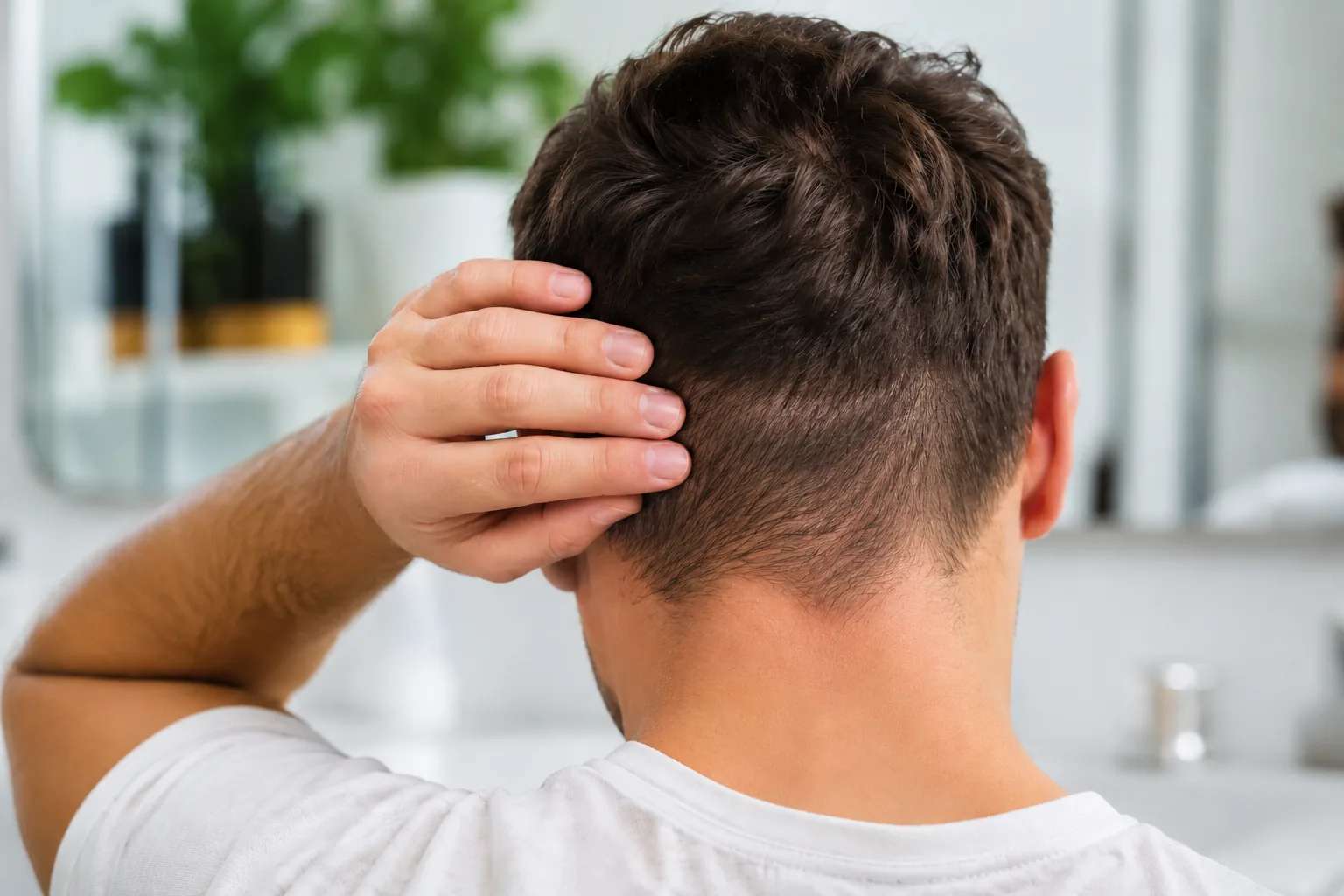


The back of your head may feel unusually numb, tight or sensitive in the days following a hair transplant. Even something as simple as resting your head on a pillow can feel different. While these sensations can be unsettling, temporary changes in scalp sensitivity are a recognised part of the recovery process.
How Long Does Donor Area Numbness Last?
Donor area numbness after a hair transplant generally improves within a few weeks to several months. Some patients regain normal sensation relatively quickly, while others experience reduced sensitivity for three to six months or longer.
The recovery of sensation is often gradual rather than immediate. Small areas of the scalp may regain sensitivity at different times, and numbness may temporarily be accompanied by tingling or mild itching. Persistent numbness is less common but can occur, particularly when sensory nerves have been injured.
Why Does the Donor Area Feel Numb After a Hair Transplant?
The scalp contains numerous small sensory nerves that allow you to feel touch, temperature and pressure. During hair follicle extraction, some of these nerves may be temporarily affected.
Several factors can contribute to donor area numbness:
-
Local anaesthesia used during the procedure
-
Temporary irritation or injury to small sensory nerves
-
Postoperative swelling and inflammation
-
Tissue healing following follicle extraction
-
The surgical technique and extent of the donor area treated
While the effects of local anaesthesia typically wear off within hours, changes related to nerve irritation and tissue healing can last considerably longer.
Donor Area Numbness Recovery Timeline
There is no exact timetable for the return of scalp sensation. However, the following stages provide a general idea of what patients may experience.
| Time after hair transplant | Possible sensations |
|---|---|
| First 1–3 days | Numbness, tightness and reduced sensitivity |
| First 1–2 weeks | Numb patches, itching or mild tingling |
| 2–4 weeks | Gradual return of sensation in some areas |
| 1–3 months | Continued improvement in scalp sensitivity |
| 3–6 months | Further recovery of sensory function |
| Beyond 6 months | Persistent numbness may require further assessment |
These are approximate recovery stages rather than guaranteed milestones. Sensation can return earlier or later depending on the extent of nerve irritation and individual healing.
Is Donor Area Numbness Normal After FUE?
Temporary numbness can occur after follicular unit extraction (FUE), even though the technique does not involve removing a strip of scalp.
During FUE, individual follicular units are extracted using small surgical instruments. This process can affect tiny sensory nerve branches in the donor area.
Numbness can also occur after follicular unit transplantation (FUT), which involves removing a strip of scalp. The pattern and duration of altered sensation may differ between the two techniques.
Neither technique completely eliminates the possibility of postoperative sensory changes.
Is Tingling a Sign That Sensation Is Returning?
Some patients notice a pins-and-needles sensation as numbness begins to improve. Others describe mild itching, prickling or brief electric-like sensations.
These feelings may occur as irritated sensory nerves recover, although tingling alone does not confirm that healing is progressing normally.
If you are experiencing similar symptoms, our article on the needle-pricking sensation after a hair transplant explains why these unusual scalp sensations can develop during recovery.
Severe, persistent or worsening discomfort should be assessed by your treating specialist.
Can You Speed Up Donor Area Numbness Recovery?
There is no proven home treatment that guarantees faster recovery of scalp sensation. However, protecting the donor area and following postoperative care instructions can support normal healing.
During recovery:
-
Avoid scratching or aggressively rubbing the donor area.
-
Follow the recommended scalp-washing routine.
-
Protect numb skin from excessive heat and direct sunlight.
-
Avoid applying unapproved creams, oils or medications.
-
Attend scheduled postoperative appointments.
Because numb skin may be less sensitive to heat and pressure, it is particularly important to avoid very hot water, heating pads and other potential sources of injury.
If dryness or irritation is making recovery uncomfortable, read our guide on whether cream can be applied to the donor area after a hair transplant.
Does Donor Area Numbness Affect Hair Growth?
Reduced scalp sensation does not necessarily indicate a problem with hair growth.
Sensory nerves and hair follicles have different functions. Temporary numbness alone does not mean that the remaining hair follicles in the donor area have been damaged or that the hair transplant has failed.
However, numbness accompanied by increasing pain, unusual skin changes or signs of infection should not be ignored.
Can Donor Area Numbness Be Permanent?
Most temporary sensory disturbances improve over time. However, persistent or permanent changes in sensation are possible if sensory nerves have sustained more significant damage.
If numbness remains unchanged for several months, affects a large area or interferes with daily comfort, a medical assessment may help identify the underlying cause.
Persistent numbness does not automatically mean that permanent nerve damage has occurred.
When Should You Be Concerned About Donor Area Numbness?
Although temporary numbness is a recognised postoperative symptom, certain accompanying changes may indicate a complication.
Contact your treating specialist if you experience:
-
Numbness that is spreading or worsening
-
Severe burning or shooting pain
-
Increasing redness, warmth or swelling
-
Pus, unusual discharge or fever
-
Numbness that shows no gradual improvement over several months
Increasing pain, spreading redness or fever warrants prompt medical attention rather than waiting for a routine follow-up appointment.
Will Your Donor Area Feel Normal Again?
For many patients, scalp sensitivity gradually returns as the tissues and sensory nerves recover. The process may take longer than the visible healing of the donor area, which is why the scalp can look completely healed while still feeling slightly numb.
Rather than comparing your recovery with someone else's, pay attention to whether sensation is gradually improving and report any unusual or worsening symptoms to your specialist.
Considering a hair transplant or looking for professional advice about your recovery? Explore hair transplant specialists and clinics on MediFinder to learn more about your treatment options.
- Last updated
- Language
- English
How did you find this article?
Discover five practical ways to reduce excessive hair shedding, protect the scalp, limit breakage and recognize when persistent loss needs attention.
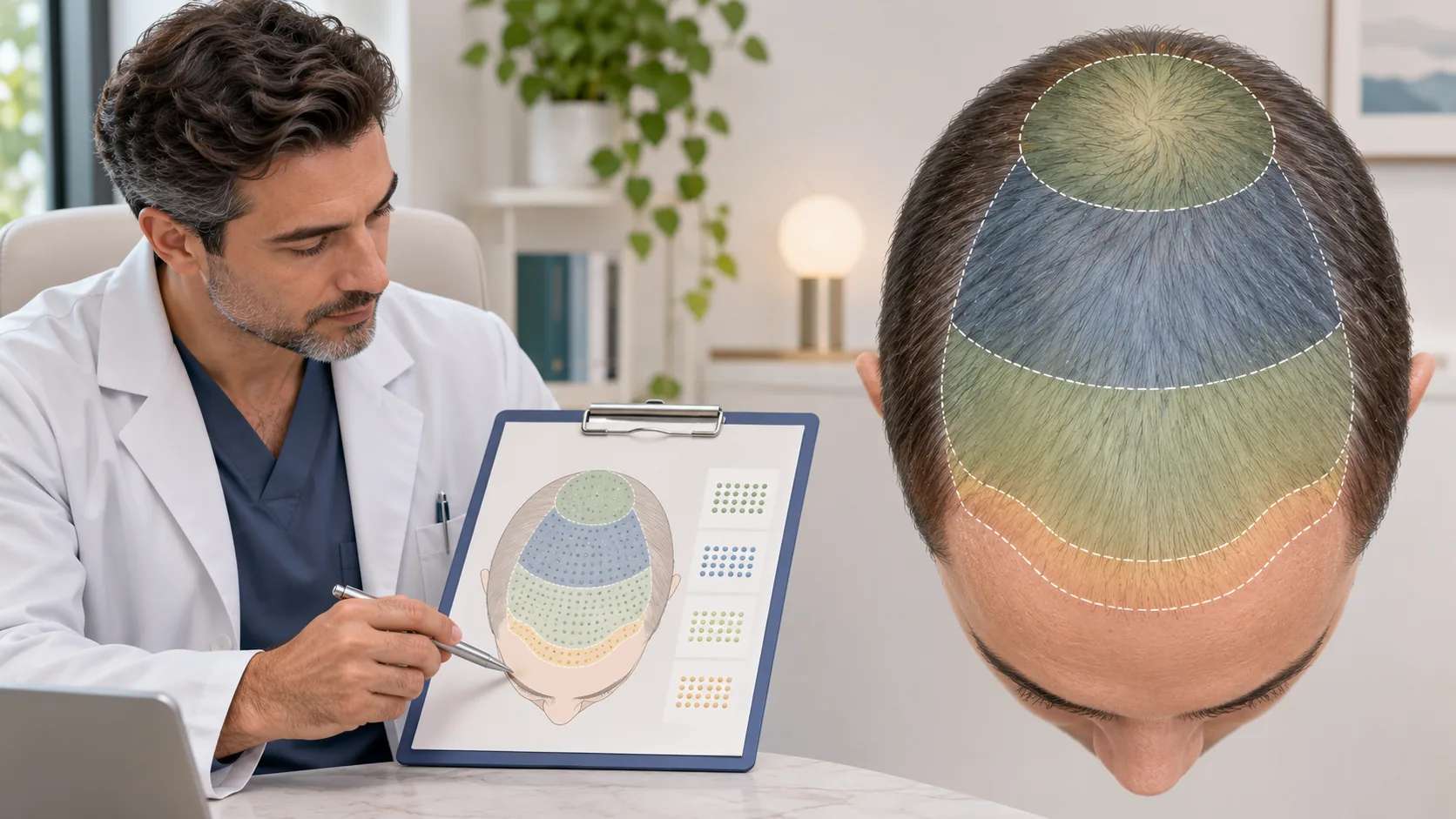
Learn how graft numbers are planned for the hairline, frontal zone, mid-scalp, crown and temples, with practical guidance on density and donor supply.

A practical guide to insurance exclusions, medical necessity, reconstructive cases and pre-authorization for hair transplantation.

Subscribe to the Medifinder newsletter and never miss our latest content.