










Can Cream Be Applied to the Donor Area After Hair Transplantation?
Cream can be applied to the donor area after hair transplantation; however, only the cream recommended by your doctor should be used. Using random moisturizers is not appropriate.

- Last updated
- 1K reads
- 4 min read


Can Cream Be Applied to the Donor Area After Hair Transplantation?
Cream can be applied to the donor area after hair transplantation; however, only the cream recommended by your doctor should be used. Since the donor area is where the hair follicles are extracted, it may be sensitive, red, and crusted during the first days. During this period, it is not appropriate to apply random moisturizers, antibiotic creams, St. John’s wort oil, petroleum jelly, or cosmetic products.
Some clinics may generally recommend a thin layer of antibiotic ointment or soothing cream for the donor area. Certain aftercare protocols state that antibiotic ointments may be applied to the donor area during the first few days or for approximately 5–7 days; however, the duration and product vary depending on the individual.
Things to consider:
- The cream should be applied only to the donor area specified by the doctor, not to the transplanted area.
- It should not be applied in a thick layer, as this may prevent the area from breathing.
- Crusts should not be forcibly removed.
- Hands should be clean before applying the cream.
- If burning, increasing redness, foul odor, discharge, swelling, or signs of infection occur, the clinic should be informed.
- For itching and dryness, some physicians may recommend mild moisturizers or soothing products in the following days; however, during the early period, product selection should always be determined by the surgical team.
In summary, cream may be applied to the donor area, but the timing, type of cream, and duration of use should follow the instructions of the hair transplant doctor.
Why Might the Donor Area Need Cream?
After hair transplantation, the donor area may require cream use to support healing and protect the skin. Especially in the area where grafts are extracted from the nape, redness, dryness, and sensitivity are very common. Proper cream use may help the skin recover more quickly while also improving comfort.
Since the donor area undergoes intensive procedures during hair transplantation, the skin barrier temporarily weakens. This may lead to itching, tightness, and flaking. Moisturizers and doctor recommended creams help restore lost moisture and reduce irritation. In addition, some creams may help reduce the risk of infection due to their antibacterial properties.
Creams used after hair transplantation are generally preferred for the following purposes:
- Moisturizing the skin
- Reducing crusting
- Relieving itching
- Soothing redness
- Accelerating the healing process
- Protecting the skin barrier
Since the donor area is highly sensitive during the first days, avoiding random product use is important. Especially fragranced or heavily chemical based creams may irritate the skin.
Which Cream Is Effective for Burning in the Donor Area?
For burning in the donor area, creams such as Bepanthol, Madecassol, and Fucidin are commonly recommended.
Products with moisturizing and restorative ingredients are generally preferred to reduce sensitivity after hair transplantation. Bepanthol especially helps soothe the skin, while Madecassol supports tissue regeneration. If there is a risk of infection, antibiotic creams such as Fucidin may be used. However, receiving medical advice for the correct product selection is important because incorrect use may increase irritation and negatively affect the healing process.
Is It Appropriate to Apply Cream to the Donor Area During the First Days?
The first 24–48 hours after hair transplantation are generally considered the most sensitive period. During this process, the donor area may remain bandaged or specially covered by the clinic. The timing of bandage removal, the first wash, and donor area cleaning may vary from clinic to clinic.
Some clinics recommend applying antibiotic ointment to the donor area from the first days onward, while others prefer only gentle cleansing and dryness control for a few days. For example, some aftercare protocols state that the donor area may be gently washed after 24–48 hours and that antibiotic ointments may be used for a few days. These differences depend on the technique used, the number of grafts, and the level of trauma in the donor area.
What Happens If Cream Is Applied to the Transplanted Area?
One of the most commonly confused topics after hair transplantation is the difference between the donor area and the transplanted area. The donor area is where the grafts are extracted. The transplanted area is the front hairline, crown, or bald area where the hair follicles are implanted. The healing behavior of these two areas differs.
The transplanted area is extremely sensitive during the first days. To prevent the grafts from becoming dislodged, this area should not be touched, rubbed, or treated with any unapproved products. A cream prescribed for the donor area may not be suitable for the transplanted area. The texture of the cream may cause excessive softening, residue buildup, oily layers, or irritation around the grafts. Therefore, the distinction between the two areas should be clearly maintained during cream application.
When applying cream to the donor area, it should be gently applied to the back or sides of the scalp. The frontal hairline and newly transplanted areas should be protected. Especially during the first week, this is one of the most critical periods affecting hair transplant results.
How Many Days Should Cream Be Used?
Cream use generally continues for 5 to 10 days after hair transplantation. This duration may vary depending on the healing speed of the donor area and the type of cream used. Especially during the first days after hair transplantation, regular use is recommended. As redness and sensitivity decrease, cream use is gradually discontinued.
Does Applying Cream Prevent Scarring?
Yes, proper cream use may help reduce the risk of scarring after hair transplantation.
Keeping the donor area moisturized and healthy supports skin regeneration and helps minimize scar formation. During this process, the creams recommended after hair transplantation should be used regularly. Especially restorative and moisturizing ingredients help strengthen the skin barrier while accelerating the healing process. However, cream alone may not be sufficient because a proper aftercare routine is also important.
- Last updated
- Language
- English
How did you find this article?
Air conditioning can dry out your scalp by reducing indoor humidity and affecting the skin's ability to maintain adequate moisture. Prolonged exposure to dry, cooled air may contribute to itching, flaking, tightness, and irritation, particularly when the scalp is already sensitive or prone to dryness.

Certain dietary supplements can cause hair loss when taken in excessive amounts, particularly products containing high doses of vitamin A, selenium, or other concentrated nutrients. While supplements can help correct nutritional deficiencies that affect hair growth.
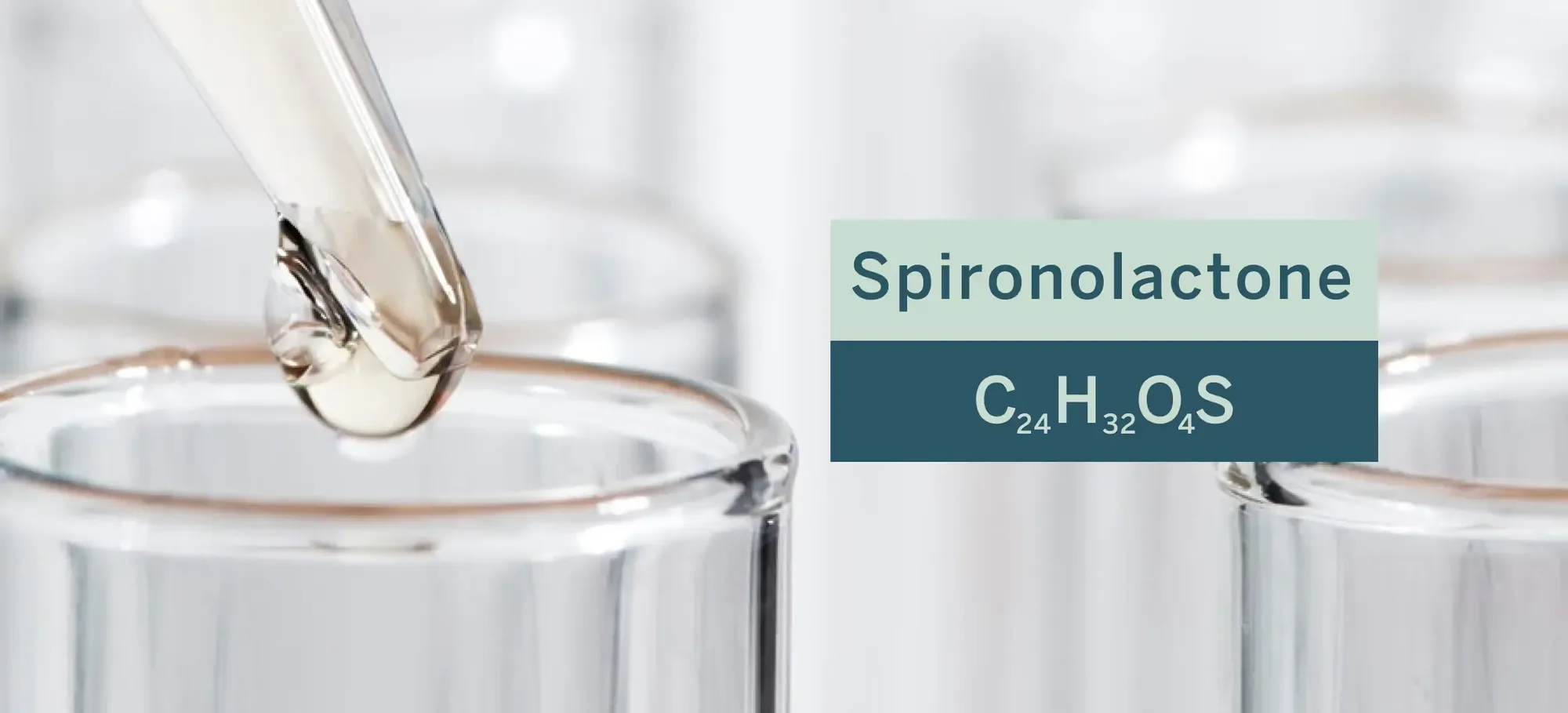
Spironolactone for female hair loss can help slow progressive thinning and improve hair density by reducing the effects of androgens on sensitive hair follicles. Although this prescription medication is not specifically approved for hair loss, clinical research supports its use in selected women.
Subscribe to the Medifinder newsletter and never miss our latest content.