










Does Mounjaro Cause Hair Loss?
Does Mounjaro cause hair loss? Learn why shedding may occur during tirzepatide treatment, how long it lasts and what you can do to support regrowth.

- Last updated
- 157 reads
- 10 min read


Mounjaro has become an important treatment option for people managing type 2 diabetes, and many patients also experience noticeable weight loss while using it. Alongside changes in appetite, digestion and body weight, some people report another unexpected concern: increased hair shedding.
So, does Mounjaro cause hair loss? Hair loss has been reported by people taking Mounjaro, and current prescribing information lists alopecia among reactions reported after the medication reached the market. However, that does not prove that tirzepatide directly damages hair follicles.
In many cases, rapid weight loss, reduced calorie intake, low protein consumption or a nutritional deficiency may trigger the shedding. The physical stress of a major metabolic change can also interrupt the normal hair growth cycle.
The resulting condition often resembles telogen effluvium, a temporary form of diffuse hair shedding. Although it can look dramatic, it usually does not destroy the follicles. Hair growth may gradually recover once your weight, nutrition and general health stabilise.
You should still investigate persistent or severe thinning. Hair loss can develop for many reasons, and Mounjaro may not always be the main cause.
What Is Mounjaro?
Mounjaro is the brand name for tirzepatide, a prescription medicine administered as a weekly injection. It activates both GIP and GLP-1 receptors, which help regulate blood sugar, insulin release, appetite and digestion.
Doctors prescribe Mounjaro to improve blood sugar control in people with type 2 diabetes. Because the medication reduces appetite and can make you feel full for longer, many patients also lose weight during treatment.
Tirzepatide is also available under the brand name Zepbound for eligible patients receiving medical treatment for obesity or overweight with related health conditions. Although the two products have different approved uses, they contain the same active ingredient.
This distinction matters when discussing hair loss. Weight-management trials involving tirzepatide have recorded hair loss more often in treatment groups than in placebo groups. Researchers also observed that hair loss occurred more often among women in those studies.
Is Hair Loss a Side Effect of Mounjaro?
Hair loss can occur while you take Mounjaro, but researchers have not yet confirmed a single explanation for every case.
Mounjaro’s current prescribing information includes alopecia in the section covering post-marketing reports. These reports show that people have experienced hair loss after starting the medication. However, voluntary reports cannot establish how often the reaction occurs or prove that the drug caused it directly.
Clinical studies of tirzepatide for weight management provide additional context. Participants taking tirzepatide reported hair loss more frequently than those taking a placebo, and the study data associated the reaction with weight reduction.
This suggests that the connection may involve the speed or extent of weight loss rather than a toxic effect on the follicle. Reduced food intake, gastrointestinal side effects and changes in nutrient intake may also contribute.
The most accurate answer is that Mounjaro may be associated with hair loss, but the relationship is often indirect and remains under investigation.
Why Might Mounjaro Lead to Hair Shedding?
Hair growth responds to changes throughout the body. When you lose a significant amount of weight quickly, your body may temporarily shift energy away from processes that it does not consider essential for immediate survival. Hair production can slow during this adjustment.
Mounjaro may reduce your appetite considerably. You may eat smaller meals, skip meals or lose interest in foods that once supplied important nutrients. Nausea, vomiting, diarrhoea and prolonged fullness can make balanced eating more difficult.
As a result, you may consume less protein, iron, zinc, vitamin B12 or other nutrients than your body needs. Even without a severe deficiency, a sudden reduction in calorie and protein intake can place stress on the hair cycle.
Rapid changes in blood sugar control, body composition and hormone signalling may add to that physical stress. Researchers are also exploring whether tirzepatide and similar medications influence the hair cycle through other pathways, but the evidence remains incomplete.
What Is Telogen Effluvium?
Telogen effluvium is a common form of temporary shedding that follows a physical or emotional stressor.
Hair follicles move through several stages. During the growth stage, they actively produce hair. They later enter a short transition period and then a resting stage. At the end of that resting stage, the hair falls out.
A major stressor can push a larger number of follicles into the resting stage at the same time. The hairs do not fall immediately. Shedding often begins two to four months after the original trigger.
This delay explains why you may not connect hair loss with the early months of Mounjaro treatment. Your shedding may become obvious after you have already lost weight or after digestive side effects have improved.
Telogen effluvium usually affects the entire scalp. It does not normally produce smooth, sharply defined bald patches.
What Does Mounjaro-Related Hair Loss Look Like?
Hair shedding associated with weight loss often appears diffuse. You may notice reduced density across the scalp rather than complete baldness in one area.
Extra strands may collect in the shower, around your brush, on your clothing or across your pillow. Your ponytail may feel smaller, and your part may appear wider under bright light. Longer hair can make the amount of shedding look particularly dramatic.
A naturally shed strand usually comes away at full length and may have a small pale bulb at one end. Broken hairs look shorter and snap somewhere along the shaft. Heat styling, bleaching and rough brushing can increase breakage while your hair feels fragile.
Mounjaro-related shedding may also reveal an existing condition. If you already have hereditary pattern hair loss, telogen effluvium can make the thinning more noticeable around the crown, temples or central part.
Circular patches, scalp pain, severe itching, redness or thick scaling suggest that another condition may be involved.
How Long Does Hair Loss From Mounjaro Last?
The duration depends on whether the trigger continues.
If rapid weight loss causes the shedding, hair loss may continue while your weight changes quickly and for several months afterward. Your follicles need time to complete the resting phase before they can return to active growth.
Many cases of telogen effluvium begin to settle within three to six months after the trigger improves. Visible density takes longer to return because new hair grows gradually. You may need six to twelve months before the difference becomes obvious.
Short regrowing strands around the hairline or part can signal recovery. These hairs may stand upright or feel difficult to style at first.
Ongoing calorie restriction, low protein intake, repeated illness or a nutritional deficiency can delay improvement. Hair loss may also continue when another condition, such as thyroid disease or genetic thinning, exists alongside the weight-related shedding.
Is Mounjaro Hair Loss Permanent?
Weight-loss-related telogen effluvium is usually temporary. It changes the timing of the hair cycle but does not normally destroy the follicles.
Once your body adapts, your weight stabilises and your nutritional intake improves, the follicles can return to the growth stage. Recovery may feel slow because scalp hair grows only a small amount each month.
However, you should not assume that every case will resolve on its own. Female or male pattern hair loss can progress independently of Mounjaro use. An episode of heavy shedding may simply make an existing genetic condition easier to see.
Inflammatory and scarring forms of hair loss require prompt treatment because they can permanently damage follicles. A shiny scalp, loss of follicle openings, persistent burning or clearly defined bald patches deserves medical attention.
Should You Stop Taking Mounjaro?
Do not stop Mounjaro or change your dose without speaking with the clinician who prescribed it.
Mounjaro may play an important role in controlling your blood sugar and reducing health risks associated with type 2 diabetes. Stopping it suddenly could interfere with your treatment plan.
Instead, tell your prescriber when the shedding started, how quickly your weight has changed and whether you struggle to eat because of nausea or prolonged fullness. Your clinician can review your dose, weight-loss rate and overall health.
A slower approach may sometimes help when appetite suppression prevents you from meeting your nutritional needs. Your healthcare provider may adjust your treatment schedule or refer you to a registered dietitian. You should not make these changes independently.
For many patients, addressing nutrition and monitoring the shedding offers a more appropriate response than abandoning an effective medication.
How Can You Reduce Hair Loss While Taking Mounjaro?
Start by examining what you eat rather than focusing only on supplements.
When your appetite decreases, every meal needs to provide useful nutrition. Include a source of protein whenever possible. Eggs, fish, poultry, yoghurt, cheese, tofu, beans, lentils, nuts and lean meat can help protect your protein intake.
Choose smaller, balanced meals if large portions make you uncomfortable. A meal that combines protein, vegetables, whole grains and healthy fats provides more nutritional value than a small portion of highly processed food.
Avoid combining Mounjaro with an extreme crash diet. Severe calorie restriction may speed up weight loss, but it can also increase physical stress and make nutrient deficiencies more likely.
Drink enough fluid, particularly if you experience vomiting or diarrhoea. Contact your healthcare provider when digestive symptoms prevent you from eating or drinking normally.
Could a Nutritional Deficiency Be Responsible?
Several nutritional problems can contribute to diffuse hair shedding.
Iron deficiency deserves particular attention, especially if you menstruate heavily, follow a restrictive diet or have a history of low iron levels. Inadequate protein intake can also interfere with hair production.
Low levels of vitamin B12, vitamin D or zinc may contribute in selected cases, although hair loss alone cannot confirm a deficiency. Thyroid disorders can produce similar symptoms and may develop independently of Mounjaro treatment.
Your doctor may recommend blood tests based on your symptoms, diet and medical history. Testing helps you avoid taking unnecessary supplements and allows your clinician to target an actual problem.
Do not start high-dose iron, zinc, selenium or vitamin products without guidance. Excessive amounts of certain nutrients can cause health problems and may even worsen hair loss.
Do Hair Supplements Help?
Hair supplements may help when they correct a confirmed deficiency. They will not necessarily stop telogen effluvium caused by rapid weight loss or ongoing calorie restriction.
Biotin appears in many hair products, but true biotin deficiency is uncommon. Taking very high doses does not guarantee faster growth, and biotin can interfere with the results of certain blood tests.
A multivitamin may support a limited diet, but it cannot replace adequate calories and protein. Your hair follicles need a consistent supply of energy as well as micronutrients.
Discuss supplements with your doctor or dietitian before adding them to your routine. A targeted approach usually makes more sense than taking several products at once.
Can Minoxidil Help?
Topical minoxidil can support hair growth in some people, particularly when hereditary pattern hair loss contributes to the thinning.
It does not correct rapid weight loss, inadequate nutrition or an untreated thyroid condition. You still need to address the underlying trigger.
Some people experience temporary increased shedding when they first begin minoxidil because the treatment shifts follicles into a new cycle. The product can also cause dryness or scalp irritation.
A dermatologist can determine whether minoxidil suits your pattern of hair loss. You should request medical advice before using it during pregnancy, while planning pregnancy or while breastfeeding.
Do not begin several treatments at the same time. Introducing one change at a time makes it easier to identify what helps or causes side effects.
How Should You Care for Shedding Hair?
Gentle hair care cannot change the internal trigger, but it can prevent unnecessary breakage.
Wash your scalp as needed. Shampooing does not pull healthy hair from active follicles. It releases strands that were already ready to fall.
Use your fingertips rather than your nails when washing. Detangle with a wide-tooth comb and begin at the ends. Avoid aggressive towel drying and reduce the temperature of hairdryers, straighteners and curling tools.
Pause frequent bleaching or chemical straightening if your hair feels brittle. Tight ponytails, braids and heavy extensions can place additional tension on a vulnerable hairline.
A shorter haircut, volumising product or different part may improve the appearance of fullness while regrowth develops. These changes do not treat the cause, but they can make the recovery period easier.
When Should You See a Doctor?
Speak with your healthcare provider when the shedding becomes severe, continues for more than six months or does not improve after your weight stabilises.
Seek an earlier assessment if you develop circular bald patches, scalp pain, redness, sores, heavy scaling or loss of eyebrows. These signs do not match typical weight-related telogen effluvium.
You should also report persistent vomiting, diarrhoea or an inability to eat enough. Severe fatigue, dizziness, feeling unusually cold, heart palpitations or unexplained weakness may point to a nutritional deficiency, thyroid problem or another medical issue.
A dermatologist can examine the pattern of hair loss and check whether the follicles show signs of genetic, autoimmune or inflammatory disease.
- Last updated
- Language
- English
How did you find this article?
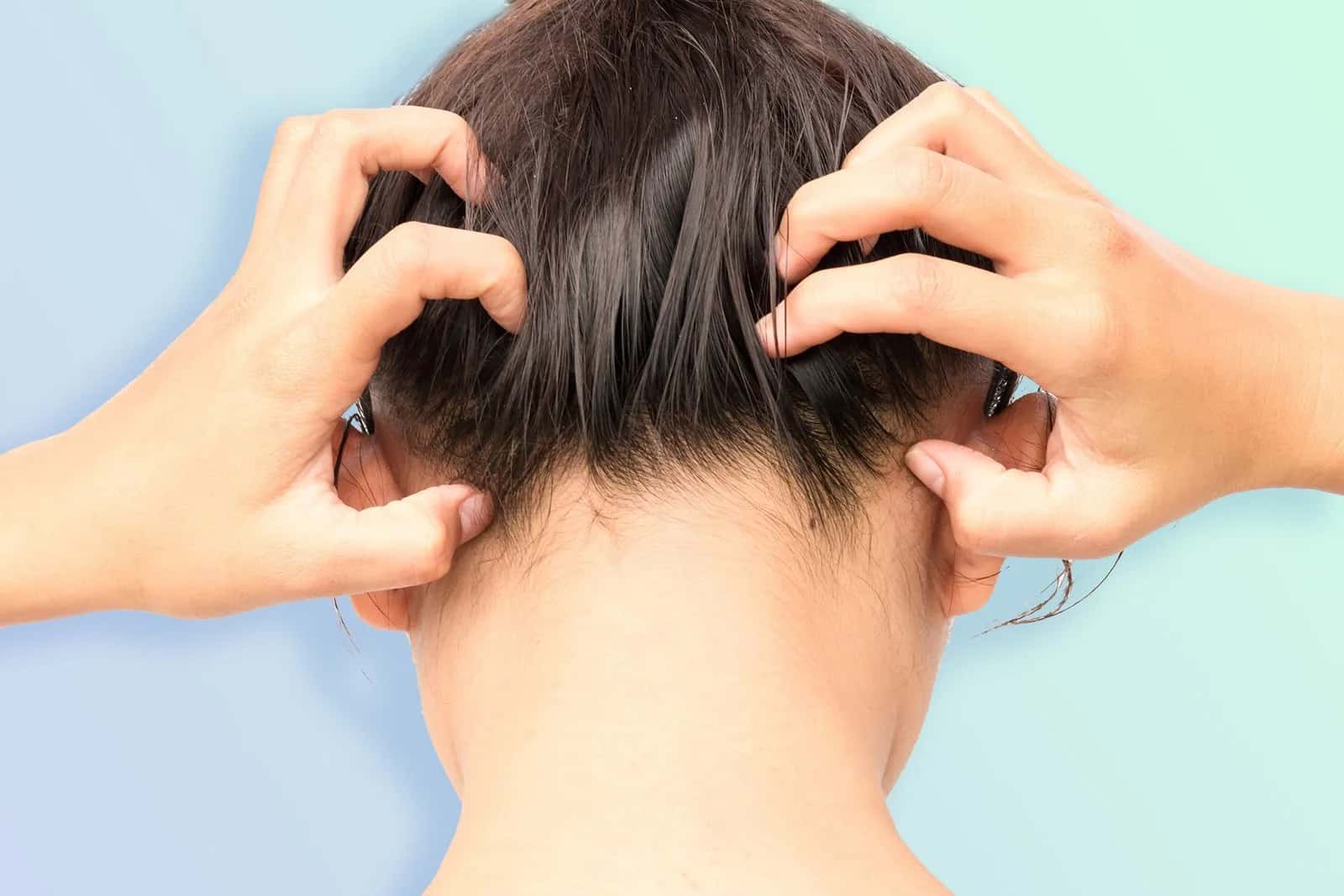
Air conditioning can dry out your scalp by reducing indoor humidity and affecting the skin's ability to maintain adequate moisture. Prolonged exposure to dry, cooled air may contribute to itching, flaking, tightness, and irritation, particularly when the scalp is already sensitive or prone to dryness.
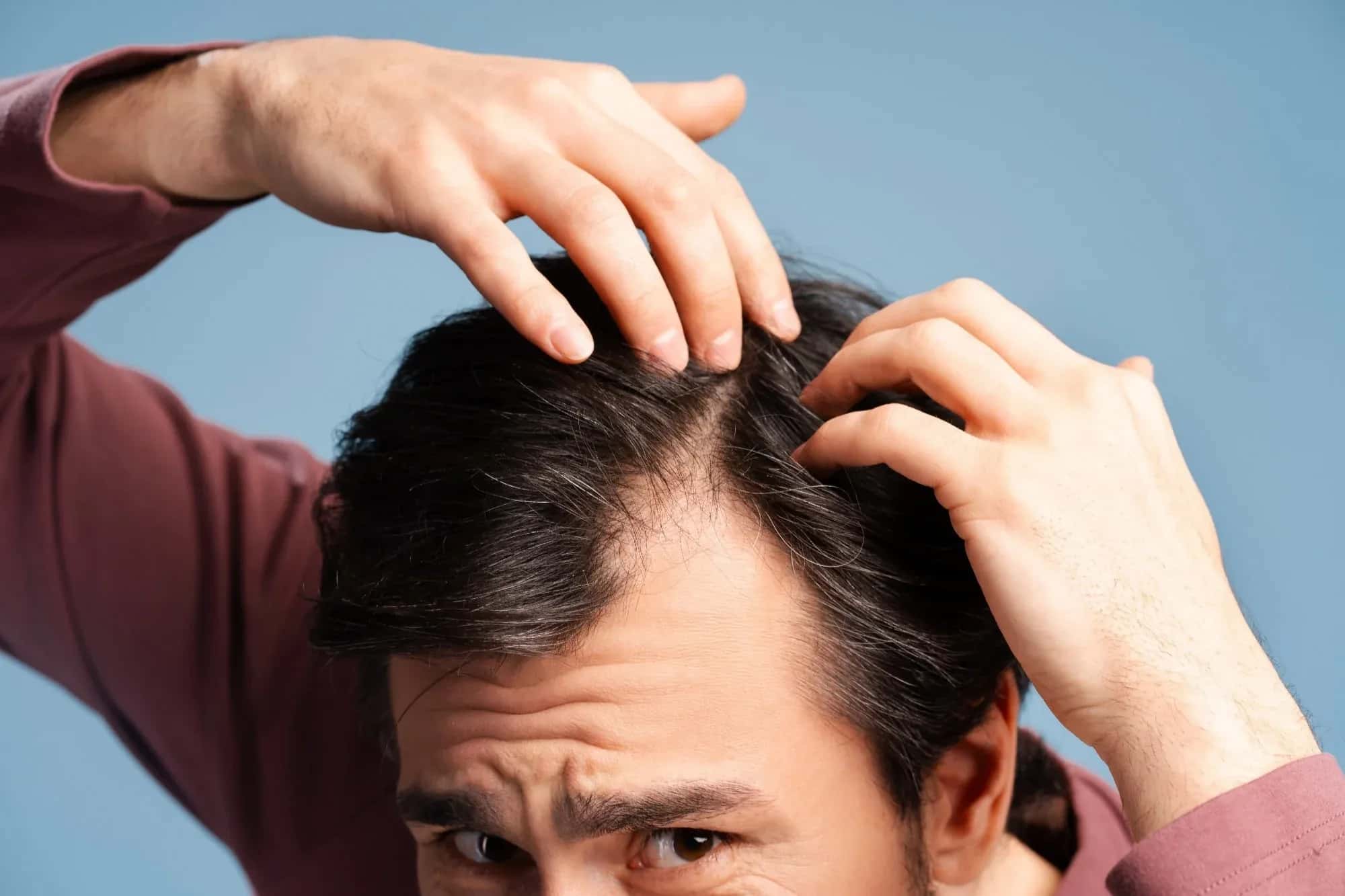
Certain dietary supplements can cause hair loss when taken in excessive amounts, particularly products containing high doses of vitamin A, selenium, or other concentrated nutrients. While supplements can help correct nutritional deficiencies that affect hair growth.

Spironolactone for female hair loss can help slow progressive thinning and improve hair density by reducing the effects of androgens on sensitive hair follicles. Although this prescription medication is not specifically approved for hair loss, clinical research supports its use in selected women.
Subscribe to the Medifinder newsletter and never miss our latest content.