










Does Hair Transplant Surgery Hurt?
Discover the truth about the clinical experience. Learn exactly how specialists prevent pain, what you actually feel during the procedure, and how to manage recovery.

- Last updated
- 79 reads
- 8 min read
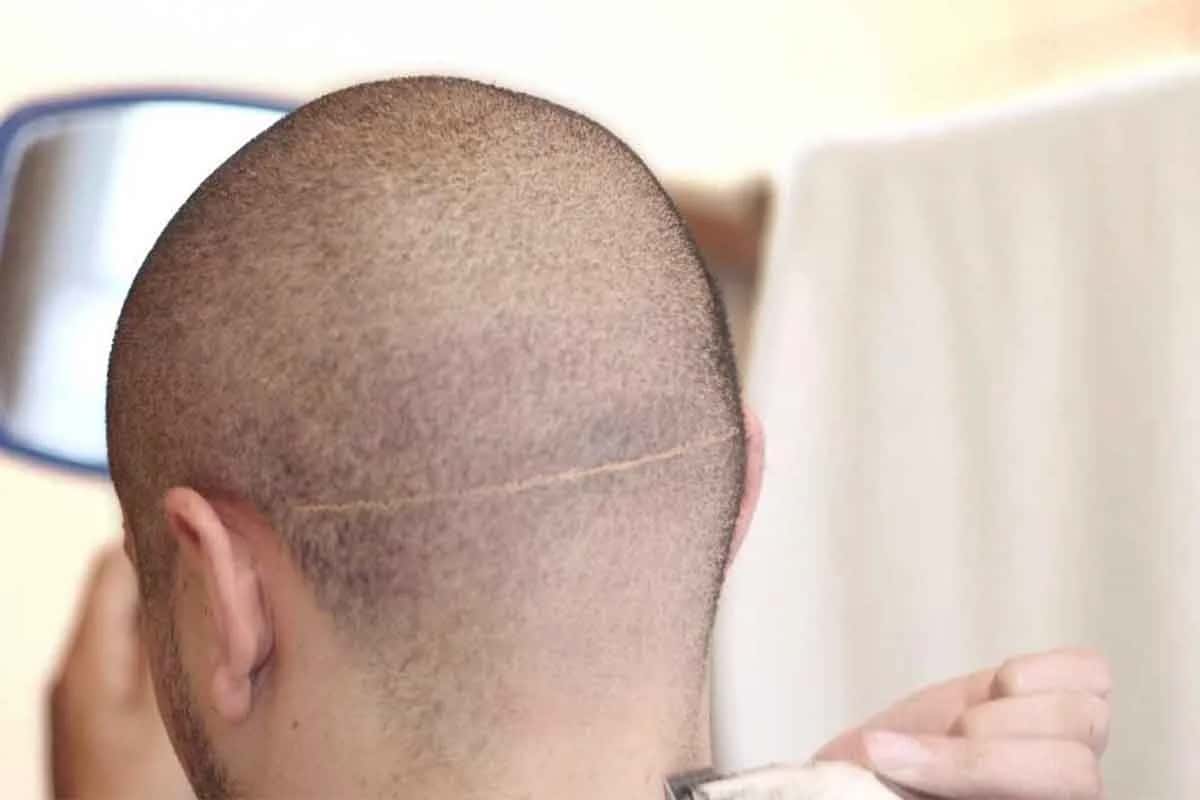


Determining exactly how much hair transplant surgery hurt remains the most significant concern for individuals planning their restoration journey. You invest immense time researching clinics, analyzing hairline designs, and reviewing before-and-after photos, yet the fear of physical pain often creates a massive mental roadblock. Many patients actively delay their clinical appointments simply because they let the fear of having hair transplant surgery hurt overshadow the lifelong benefits of a full hairline. To make a confident and informed decision, you must separate outdated surgical myths from modern clinical reality. Technological advancements in medical instrumentation and anesthesia delivery have completely revolutionized patient comfort. Instead of bracing for an agonizing ordeal, you should understand the precise sequence of sensations you will actually experience from the moment you sit in the surgical chair to your final day of recovery. By breaking down the extraction, implantation, and healing phases, you can eliminate your anxiety and approach your physical transformation with complete peace of mind.
The Administration of Local Anesthesia
The entire narrative regarding physical pain during your procedure begins and ends within the first five to ten minutes of your time in the surgical suite. Medical teams perform the entire operation using local anesthesia, meaning you remain fully awake, alert, and capable of holding conversations or watching movies while your scalp becomes completely numb. The surgeon must inject the anesthetic fluid directly into the subcutaneous layers of your scalp to block the nerve receptors.
During these initial injections, you will feel a series of sharp pinches and a distinct stinging sensation as the medication enters the tissue. This stinging occurs because the anesthetic fluid temporarily expands the tissue before the numbing effect takes over. The intensity of this brief discomfort heavily depends on your personal pain threshold, but the vast majority of patients rate it as a three or four out of ten on the pain scale. Within minutes, a profound heaviness settles over your scalp. The nerve endings stop transmitting pain signals to your brain, and the targeted area loses all physical sensation. From this precise moment forward, the clinical team can perform deep surgical work while you feel absolutely nothing but dull, distant pressure.
Needle-Free Innovations for Nervous Patients
If the thought of traditional anesthetic injections triggers severe anxiety, modern clinics now offer highly advanced needle-free anesthesia technologies to bridge the comfort gap. These specialized medical devices utilize high-pressure pneumatic systems rather than traditional steel needles to deliver the numbing fluid. The device rests flat against your scalp and uses a micro-jet of pressurized air to push the anesthetic liquid directly through the pores of your skin in a fraction of a second.
When the specialist triggers the needle-free device, you hear a loud clicking sound and feel a sensation similar to a quick snap of a rubber band against your skin. Because the fluid disperses instantly under the skin without a sharp needle physically piercing the tissue, the initial pain drops significantly. While the needle-free system does not eliminate the stinging sensation entirely, it drastically reduces the psychological trauma and physical sharpness associated with traditional syringes. Once the needle-free device creates a baseline layer of numbness, the surgeon can seamlessly transition to standard injections to achieve deep, prolonged anesthesia without causing you any further discomfort.
The Sensory Experience of the Extraction Phase
Following the complete numbing of your scalp, you will lie face down on a specialized surgical bed so the team can access the donor area at the back of your head. During the Follicular Unit Extraction (FUE) phase, the surgeon utilizes a high-speed motorized micro-punch to score the tissue around each individual hair follicle.
Because the local anesthesia blocks the sharp pain receptors, you will not feel the punch cutting into your skin. Instead, you will experience tactile feedback. You will hear the continuous humming sound of the micromotor operating close to your ears. You will feel the physical pressure of the surgeon’s hands resting heavily against the back of your skull, and you will sense a distinct vibration traveling through your scalp bones. Many patients find this repetitive vibration and the absence of pain highly relaxing, frequently falling into a deep sleep during this portion of the surgery. If the anesthesia begins to wear off after several hours and you start feeling a slight, sharp prick, you simply inform the medical team, and they immediately administer supplemental numbing drops to restore complete comfort.
What to Expect During the Implantation Phase
After the team successfully extracts and preserves your required grafts, you take a short break before transitioning to the implantation phase. You will lie on your back while the surgeon focuses on your frontal hairline or crown. Depending on the chosen technique, the surgeon will either use sapphire blades to open micro-channels across the bald areas or use Direct Hair Implantation (DHI) pens to inject the follicles directly.
The clinical team must administer another round of local anesthesia to numb this new recipient area. The skin on your forehead and frontal hairline contains a higher density of nerve endings than the back of your head, making these initial injections slightly more sensitive. However, the numbing takes effect just as quickly. During the channel opening process, you will hear a faint popping or crunching sound as the surgical blade pierces the upper layer of the dermis. This auditory experience often surprises patients, but it occurs entirely without pain. You simply feel the blunt rhythm of the surgeon tapping against your numb scalp as they meticulously place thousands of new follicles into their permanent positions.
Navigating the First 48 Hours of Recovery
The real test of your physical comfort begins after you leave the clinic and return to your home or hotel. The local anesthesia gradually wears off within six to eight hours post-surgery. As the nerve blocks dissipate, you will not experience severe, agonizing pain, but you will encounter a distinct set of uncomfortable physical sensations.
Your scalp will feel incredibly tight, heavy, and stiff. Because the surgeon extracted thousands of grafts and injected significant volumes of saline and anesthetic fluid under your skin, your tissue undergoes massive inflammation. You will likely feel a dull, continuous throbbing sensation across the back of your head where the extraction wounds reside. The recipient area on top rarely causes pain; it mostly just feels numb and swollen. Clinics anticipate this post-operative discomfort and provide a strict regimen of oral medications. By taking standard anti-inflammatory pills and prescribed analgesics exactly as directed, you easily suppress the throbbing and maintain a highly manageable level of comfort during the first two critical nights.
The Hidden Challenge: Post-Operative Itching
When patients evaluate their recovery timelines, they frequently discover that physical pain ranks much lower on the annoyance scale than the intense itching that follows. Around the fourth or fifth day after your procedure, the extraction sites at the back of your head begin to heal, close up, and form microscopic scabs. As this dermal tissue knits itself back together, it releases histamines that trigger a fierce, relentless burning itch across your donor zone.
You must exercise extreme self-control during this phase. Using your fingernails to scratch the back of your head introduces aggressive bacteria into open healing wounds and risks causing a severe clinical infection. Scratching the top of your head will literally rip the fragile, newly implanted grafts completely out of their channels, permanently ruining your surgical results. To combat this intense itching safely, you must utilize the soothing panthenol sprays or specialized saline solutions provided by your clinic. Applying these hydrating foams gently cools the inflamed tissue and suppresses the histamine reaction, allowing you to sleep through the night without accidentally damaging your investment.
Preparing Your Body to Maximize Anesthetic Efficacy
You hold a significant amount of control over how your body processes pain and reacts to local anesthesia during the surgery. Your dietary choices and lifestyle habits leading up to the procedure directly influence your clinical comfort. You must completely eliminate all caffeine consumption, including coffee, energy drinks, and strong teas, at least forty-eight hours before sitting in the surgical chair. Caffeine stimulates your central nervous system, heightens your nerve sensitivity, and accelerates your metabolism, which causes your body to burn through the local anesthesia much faster than normal.
Similarly, you must completely avoid alcohol and all nicotine products for a full week prior to your operation. Nicotine violently constricts your blood vessels, complicating the distribution of the numbing fluid through your tissue. Alcohol thins your blood, forcing the surgical team to battle excessive bleeding during the extraction phase. When your scalp bleeds heavily, the anesthesia washes out of the tissue prematurely, requiring the surgeon to administer multiple extra injections to keep you comfortable. By arriving at the clinic fully hydrated, well-rested, and free of stimulating chemicals, you guarantee that the initial anesthesia takes deep, long-lasting effect.
Frequently Asked Questions
Will I be awake for the entire hair transplant procedure?
Yes, you remain completely awake and conscious from start to finish. The medical team utilizes local anesthesia exclusively, completely avoiding the severe medical risks, nausea, and grogginess associated with general anesthesia. Because you remain awake, you can communicate your comfort levels, take bathroom breaks, eat lunch, and use your smartphone throughout the day.
Can I request additional pain medication if I feel sharp sensations?
Absolutely. The human body metabolizes anesthetic fluid at different rates. If you ever feel a transition from dull pressure to a sharp, pinching sensation during the hours-long surgery, you simply raise your hand or alert the surgeon. The team will instantly pause their work and apply additional targeted numbing drops to the specific area, restoring total comfort within seconds before continuing.
Why does the donor area hurt more than the recipient area during recovery?
The donor area at the back of your head sustains thousands of tiny physical extraction wounds. As these open micro-wounds begin to heal, close, and pull the skin tight, they naturally generate throbbing and itching. The recipient area on top primarily consists of tiny slits filled with grafts, which heal much faster and generally only experience prolonged numbness rather than active pain.
How many days will I need to take the prescribed painkillers?
The vast majority of patients only require strong clinical painkillers for the first two to three days following the operation. Once the initial massive inflammation subsides and the excess surgical fluid drains from your system, the dull throbbing disappears. By day four, most individuals easily manage any lingering discomfort or tightness with standard over-the-counter paracetamol or ibuprofen.
- Last updated
- Language
- English
How did you find this article?
Air conditioning can dry out your scalp by reducing indoor humidity and affecting the skin's ability to maintain adequate moisture. Prolonged exposure to dry, cooled air may contribute to itching, flaking, tightness, and irritation, particularly when the scalp is already sensitive or prone to dryness.
Certain dietary supplements can cause hair loss when taken in excessive amounts, particularly products containing high doses of vitamin A, selenium, or other concentrated nutrients. While supplements can help correct nutritional deficiencies that affect hair growth.
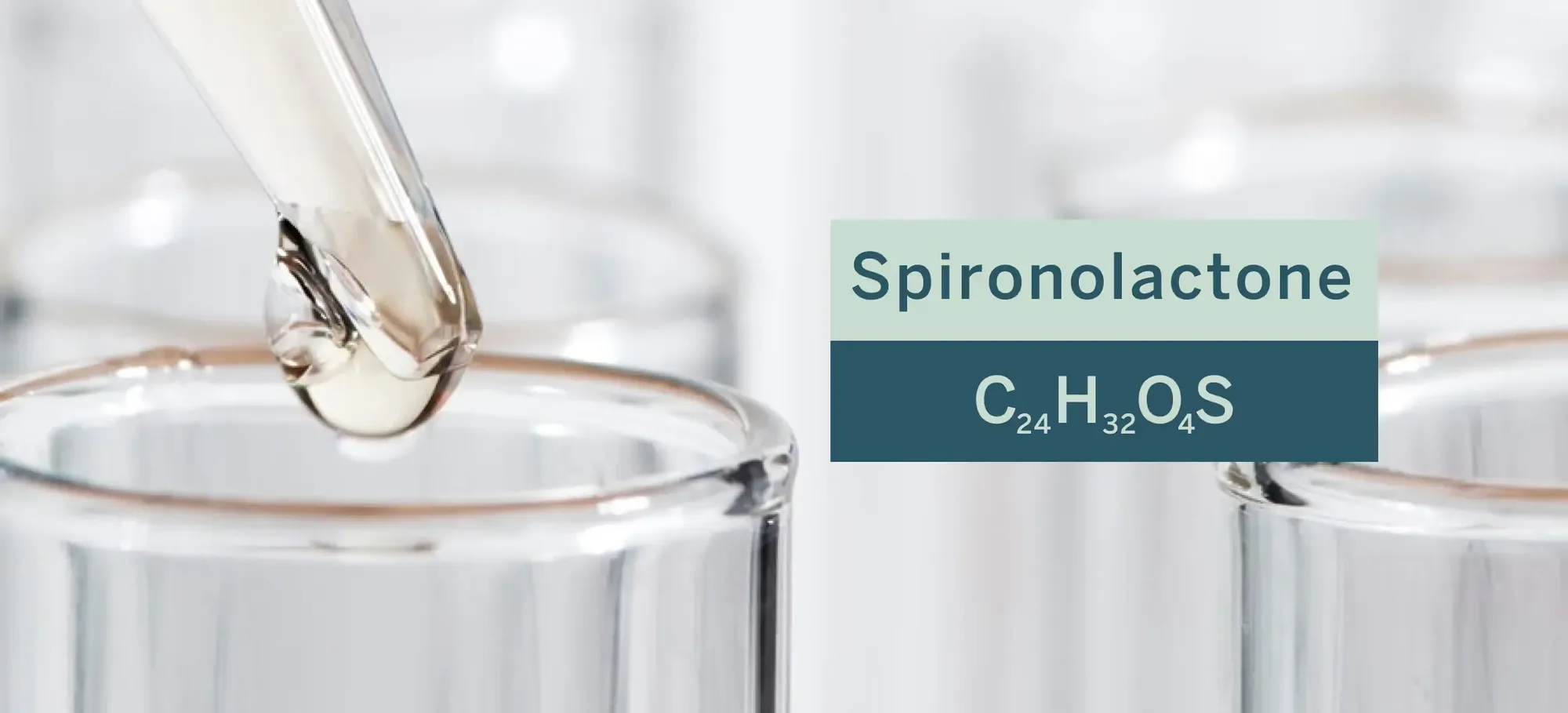
Spironolactone for female hair loss can help slow progressive thinning and improve hair density by reducing the effects of androgens on sensitive hair follicles. Although this prescription medication is not specifically approved for hair loss, clinical research supports its use in selected women.
Subscribe to the Medifinder newsletter and never miss our latest content.