










DIY Remedies for Tightening Enlarged Pores

- Last updated
- 31 reads
- 8 min read
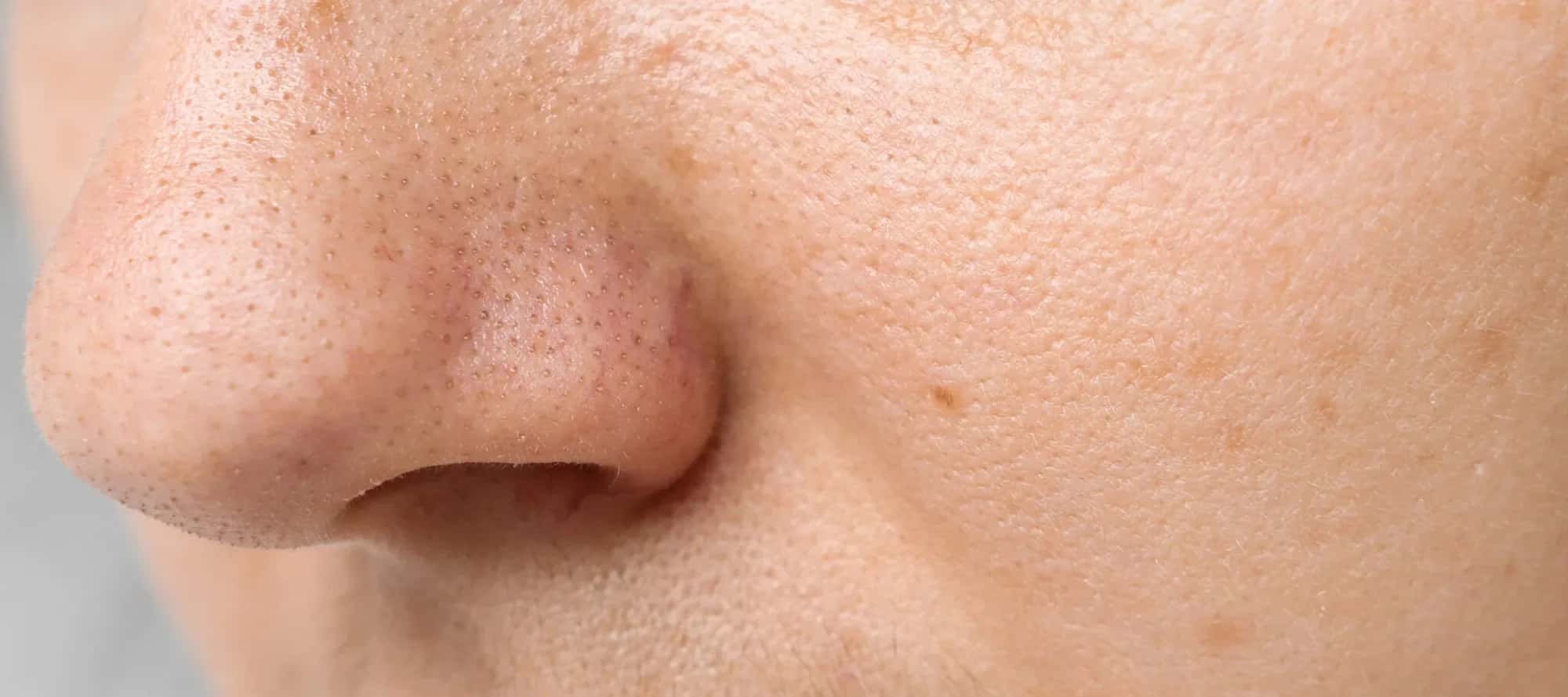


Enlarged pores are common, especially on oily or combination skin, but the right at-home routine can make them look smaller and help the skin feel smoother. True pore size is influenced by genetics, oil production, aging, and sun damage, so DIY remedies work best when they focus on cleansing, gentle exfoliation, hydration, and skin tightening support rather than quick fixes. With consistent care, you can improve texture, reduce excess shine, and create the appearance of more refined, smooth skin.
Can You Really Tighten Enlarged Pores at Home?
You cannot permanently shrink pores with a home remedy, but you can make them appear tighter by keeping them clear, supporting elasticity, and reducing the buildup of oil and dead skin. When pores are clogged, stretched by debris, or surrounded by dehydrated skin, they often look larger than they are. A thoughtful Pore Tightening routine helps by balancing oil, smoothing rough texture, and giving the skin a firmer, fresher look.
Think of pore care as maintenance, not magic. The goal is not to erase pores, because healthy skin needs them. Instead, the goal is to reduce the shadows, congestion, and uneven surface that make pores stand out.
Why Pores Look Larger Than Usual
Pores can become more noticeable for several reasons, and understanding the cause helps you choose the right remedy. Oily skin often makes pores look larger because excess sebum can mix with dead skin cells and settle inside the pore. Over time, that buildup can darken, oxidize, or create a rough, bumpy appearance.
Aging and sun exposure can also make pores appear more obvious. As skin loses firmness, the area around each pore may relax slightly, making the opening look wider. Dehydration can add to the problem because dry surface skin reflects light unevenly, drawing attention to texture.
Common triggers include:
- Excess oil: Makes pores look shiny and more visible.
- Dead skin buildup: Creates roughness and can clog pores.
- Heavy products: Thick creams or makeup may settle into pores.
- Loss of firmness: Reduced elasticity can make pores look stretched.
- Harsh cleansing: Stripping the skin can trigger more oil and irritation.
- Skipping sun protection: UV exposure can weaken the look of firmness over time.
Once you know what is making your pores stand out, DIY care becomes more targeted and less frustrating.
A Simple Daily Routine for Smoother-Looking Skin
The best DIY approach is a routine you can repeat without irritating your skin. Many people try to scrub pores away, but aggressive exfoliation usually makes redness, dryness, and oil imbalance worse. Gentle consistency is more effective for Pore Tightening than harsh treatments used once in a while.
Start with a mild cleanser in the morning and evening. If your skin is oily, choose a gel or light foaming cleanser that removes shine without leaving your face tight. If your skin is dry or sensitive, use a creamy or low-foam cleanser that preserves comfort.
Follow cleansing with hydration. This may seem surprising if you have enlarged pores, but dehydrated skin can produce more oil and show more texture. A lightweight moisturizer can help the skin surface look smoother, which makes pores less noticeable.
A basic routine can look like this:
- Cleanse gently: Remove oil, sweat, sunscreen, and makeup without scrubbing.
- Use a balancing toner if tolerated: Choose a simple, alcohol-free option.
- Apply a light moisturizer: Hydrated skin often appears plumper and smoother.
- Protect during the day: Daily sun protection helps preserve firmness.
- Exfoliate carefully: Limit exfoliating treatments to a few times per week.
This foundation matters because every mask, steam treatment, or DIY remedy works better on skin that is not irritated or stripped.
What DIY Ingredients Help With Pore Tightening?
The most useful DIY ingredients for Pore Tightening are those that absorb excess oil, calm the skin, lightly refine texture, or support hydration. They do not close pores like a zipper, but they can reduce the look of congestion and help skin appear more even. The key is choosing ingredients that are gentle enough for facial skin.
Clay for oil control
Clay masks are popular for enlarged pores because they absorb oil and help lift surface impurities. Kaolin clay is often gentler, while bentonite clay can feel more powerful and drying. If your skin becomes tight or flaky after clay, you are leaving it on too long or using it too often.
Mix clay with water or plain aloe gel until it forms a soft paste. Apply a thin layer only to oily areas, such as the nose, chin, and forehead. Rinse before the mask fully cracks, then moisturize right away.
Aloe for calm hydration
Aloe gel can help soothe the skin and add light hydration without a heavy feel. This is useful because irritated skin often looks rougher, and roughness can exaggerate pores. Aloe works especially well after cleansing or after a gentle mask.
Use plain aloe gel and avoid formulas with fragrance or strong cooling additives if your skin is sensitive. Apply a thin layer and let it absorb before moisturizer.
Honey for softness
Honey is a gentle DIY option for skin that looks dull or feels rough. It helps the surface feel soft and comfortable, which can support the appearance of smooth skin. Because honey is sticky, it is best used as a short mask rather than a leave-on treatment.
Apply a thin layer to clean skin for about 10 minutes, then rinse with lukewarm water. Avoid using it over active breakouts that are open, irritated, or painful.
Green tea for a refreshed look
Cooled green tea can be used as a simple facial rinse or compress. It feels refreshing and may help reduce the look of temporary redness or shine. This makes it a good option before makeup or after a warm day.
Brew the tea, let it cool completely, and apply it with clean hands or a soft cotton pad. Do not store homemade mixtures for long periods, since they do not contain preservatives.
DIY Masks and Remedies to Try Safely
DIY remedies are best when they are simple. The more ingredients you mix, the harder it becomes to know what helped or what caused irritation. Always patch test first, especially if your skin is sensitive, acne-prone, or reactive.
Try these beginner-friendly options:
- Clay and aloe mask: Mix one teaspoon of clay with enough aloe gel to make a smooth paste. Apply to the T-zone for 5 to 10 minutes, then rinse and moisturize.
- Honey softening mask: Smooth a thin layer of honey over clean skin for 10 minutes. Rinse gently and follow with a light moisturizer.
- Green tea compress: Soak a clean cloth in cooled green tea, press it over oily areas for a few minutes, then continue with your routine.
- Oat and yogurt polish: Mix finely ground oats with plain yogurt for a gentle, creamy mask. Do not scrub hard; let it sit briefly, then rinse.
- Cold rinse finish: After cleansing, splash with cool water to temporarily refresh the skin and reduce the look of puffiness.
Use masks one to three times per week depending on your skin type. Oily skin may tolerate clay more often, while dry or sensitive skin may do better with hydrating options. If your face burns, stings, or stays red, stop the treatment.
Exfoliation Makes the Biggest Visible Difference
Exfoliation can make pores look clearer because it removes the dead surface cells that contribute to dullness and buildup. However, DIY exfoliation should be gentle. Rough scrubs made with large particles can create tiny abrasions, leaving the skin more irritated and textured.
For a mild DIY approach, finely ground oats can be used in a soft mask, not as a harsh scrub. Massage with very light pressure, or simply let the mixture sit on the skin before rinsing. If you use store-bought exfoliating products, avoid layering them with multiple DIY masks on the same day.
A safe exfoliation rhythm might be:
- Sensitive skin: Once weekly, using a very gentle method.
- Dry skin: Once weekly, followed by richer hydration.
- Combination skin: One to two times weekly, mainly on congested areas.
- Oily skin: Two to three times weekly if there is no irritation.
Your skin should feel smoother after exfoliation, not raw, shiny, or tight. If you notice stinging when applying moisturizer, you may be overdoing it.
Ingredients and Habits to Avoid
Some popular DIY pore remedies can do more harm than good. Enlarged pores often tempt people into extreme treatments, but skin tightening should never come at the cost of damaging the skin barrier. When the barrier is stressed, pores may look worse because the face becomes red, flaky, oily, or inflamed.
Avoid these common mistakes:
- Lemon juice: It can irritate skin and increase sensitivity.
- Baking soda: It is too alkaline for facial skin and may disrupt balance.
- Toothpaste: It is made for teeth, not delicate facial skin.
- Harsh sugar or salt scrubs: Sharp granules can scratch and inflame the skin.
- Over-steaming: Too much heat can worsen redness and dehydration.
- Peel-off masks used aggressively: Pulling at the skin can irritate and weaken comfort.
- Skipping moisturizer: Dehydrated skin often shows more texture, not less.
Also be careful with essential oils. Natural does not always mean gentle, and concentrated oils can irritate the face quickly.
Lifestyle Habits That Support Smooth Skin
Your daily habits can make DIY remedies more effective. Pores often look worse when skin is dealing with sweat, makeup residue, dehydration, or repeated irritation. Small changes can help keep the surface clearer and more balanced.
Remove makeup thoroughly every night, especially around the nose and cheeks where buildup is common. Wash pillowcases regularly, since oil and product residue can transfer back onto the skin. Keep hair products away from the face if you notice clogged pores near the forehead or temples.
Hydration also matters. Drinking water will not erase pores, but overall hydration and a balanced routine can help the skin look less dull. Sleep, stress management, and sun protection all support a healthier-looking surface over time.
For a smoother routine, keep these habits in mind:
- Cleanse after heavy sweating.
- Choose non-heavy products if your pores clog easily.
- Avoid touching or squeezing pores.
- Give new routines several weeks before judging results.
- Keep masks gentle and consistent rather than intense and random.
When At-Home Remedies Are Not Enough
DIY care can improve the appearance of enlarged pores, but it has limits. If you have persistent blackheads, inflamed acne, scarring, or sudden changes in skin texture, at-home remedies may not be enough. In those cases, professional guidance can help you choose options that are better suited to your skin.
You should also pause DIY treatments if your skin becomes painful, swollen, itchy, or unusually sensitive. Pore care should make your skin feel balanced and comfortable. If every remedy seems to sting, your skin barrier may need recovery before you focus on Pore Tightening again.
- Last updated
- Language
- English
How did you find this article?
This 2026 winter skincare guide explains how to protect the skin barrier, prevent dryness, adjust active ingredients, and maintain a balanced routine as temperatures fall.

This guide explains PDRN skin treatments, including how they work, potential benefits, injections, topical products, treatment frequency, recovery, safety, and current clinical evidence.

Subscribe to the Medifinder newsletter and never miss our latest content.