










Comparing FUE and FUT Hair Transplants

- Last updated
- 71 reads
- 9 min read
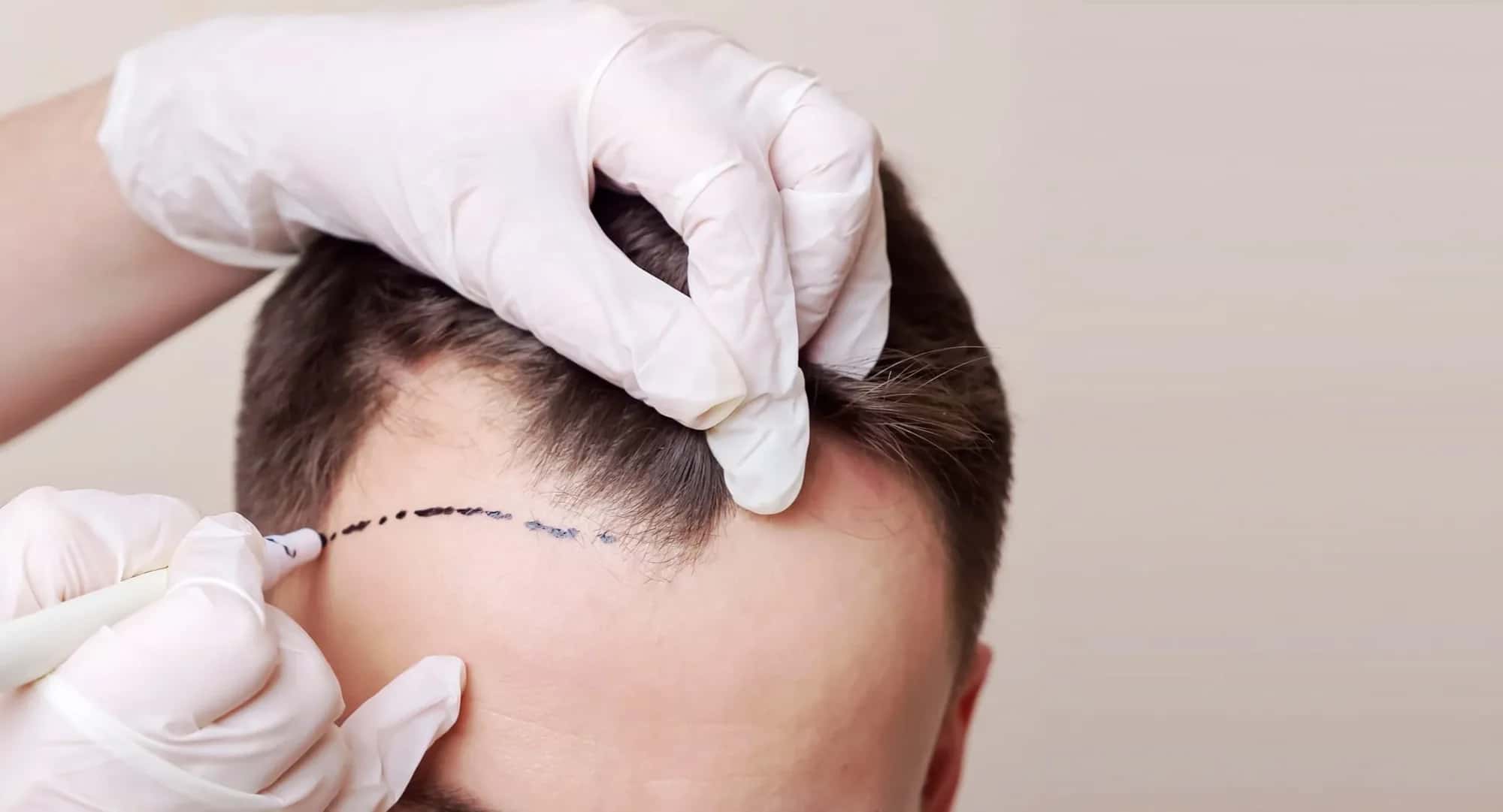


Hair transplantation is one of the more established hair loss solutions for people who have enough donor hair and want a long-term surgical option. The two main techniques are FUE and FUT, and the right choice usually depends on your hair loss pattern, donor area, hairstyle preferences, recovery expectations, and the number of grafts needed. A fue hair transplant often appeals to people who want tiny scattered extraction points, while FUT may suit patients who need a larger graft session and do not mind a linear donor scar hidden under longer hair.
Which option is better for your hair transplant goals?
Neither technique is automatically better for everyone. In a practical FUE vs FUT decision, FUE is often better for people who prefer very short hairstyles, want to avoid a linear scar, or need a smaller, more targeted session. FUT is often better for people who need a higher number of grafts in one procedure, have sufficient scalp laxity, and usually keep the back and sides of their hair long enough to cover a fine linear scar.
The best choice also depends on the surgeon’s assessment. Hair caliber, donor density, scalp flexibility, previous procedures, medical history, and future hair loss risk all influence the plan. A good consultation should not simply ask which technique sounds more attractive; it should explain which method protects your donor area while creating a natural-looking result.
The core difference between FUE and FUT
FUE stands for follicular unit extraction. In this method, individual follicular units are removed directly from the donor area, typically from the back and sides of the scalp. Each extraction leaves a small round healing point, which is why FUE is commonly chosen by patients who want more flexibility with shorter haircuts.
FUT stands for follicular unit transplantation and is sometimes called the strip method. In this method, a narrow strip of scalp is removed from the donor area, and follicular units are then carefully separated from that strip before being placed in thinning or balding areas. The donor area is closed with a linear incision, leaving a line-shaped scar that is usually concealed by surrounding hair.
Both methods can produce natural-looking results when grafts are planned and placed well. The artistry is not only in removing hair but in designing the hairline, matching the angle and direction of native growth, distributing grafts wisely, and preserving donor hair for the future.
FUE at a glance
A fue hair transplant is built around individual graft extraction. The surgeon or clinical team uses a small punch tool to remove follicular units one by one from the donor zone. Those grafts are then prepared and implanted into recipient sites created according to the treatment plan.
FUE may be a strong fit if you value minimal visible donor scarring, especially when hair is worn short. It can also be useful for patients who need smaller refinements, want to avoid a strip incision, or have already had FUT and need a different approach for a later procedure. Because extraction is spread across the donor area, planning matters; overharvesting can make the donor region look thin or patchy.
Key FUE considerations include:
- Scarring pattern: Small dot-like marks are spread across the extraction area rather than concentrated in one line.
- Hairstyle flexibility: Often preferred by people who wear the back and sides short, though shaving extremely close may still reveal texture or tiny marks.
- Session planning: May take longer for larger graft numbers because follicles are removed individually.
- Donor management: Requires careful spacing and conservative harvesting to maintain an even appearance.
- Recovery experience: Many patients like that there is no linear incision, but the donor area still needs time to heal.
FUT at a glance
FUT removes a narrow donor strip and then dissects it into follicular units for transplantation. This approach can allow a large number of grafts to be obtained efficiently from a concentrated donor zone. For the right patient, it can be a strong option when the priority is maximizing graft yield while preserving surrounding donor hair for possible future procedures.
The main tradeoff is the linear scar. For many patients, that scar is well hidden under longer hair, but it can become visible with very short cuts. Scalp laxity also matters because the donor area must close properly after strip removal.
Key FUT considerations include:
- Scarring pattern: A linear scar remains in the donor area, typically covered by surrounding hair.
- Graft volume: Often considered when a patient needs a larger session and has suitable donor characteristics.
- Hair length needs: Better suited to people who do not plan to shave the donor area very short.
- Surgical closure: Requires an incision and closure, so scalp tightness and healing tendencies matter.
- Future planning: Can preserve parts of the donor zone for later FUE in selected cases, depending on the patient’s long-term plan.
Which technique leaves less noticeable scarring?
FUE generally leaves less noticeable scarring for people who wear very short hair because it creates many tiny extraction marks rather than one line. FUT can be very discreet when hair is kept long enough to cover the donor scar, but it is usually less forgiving for shaved or closely cropped styles. The “best” scar is the one that matches how you actually plan to wear your hair.
A simple way to compare scarring is to think in patterns rather than promises:
- FUE scarring: Small, round marks distributed across the donor area. These may be hard to see with moderate hair length but can become more visible if the donor area is shaved closely or if too many grafts are taken from one zone.
- FUT scarring: One linear scar where the strip was removed. It may be well concealed by longer hair but can show if hair is cut short enough or if the scar widens during healing.
- Personal factors: Skin type, healing response, surgeon technique, post-operative care, and previous procedures all affect final scar appearance.
- Lifestyle fit: If you regularly wear a fade, buzz cut, or very short style, FUE may align better. If you usually keep more length, FUT may remain a practical option.
Scarring should be discussed honestly before surgery. No technique is scar-free, and any clinic that suggests otherwise is oversimplifying the decision.
Comparing FUE vs FUT by decision factors
A clear FUE vs FUT comparison should use the same criteria for both methods. The choice is rarely about one feature alone; it is about how several tradeoffs fit together.
Donor-area appearance
- FUE: Spreads extraction points across the donor zone, which can make scarring less obvious with short-to-medium hair lengths.
- FUT: Concentrates scarring into a single line, which may be easy to hide with sufficient hair length but less suitable for very short styles.
Procedure approach
- FUE: Removes individual follicular units directly from the scalp, usually making the extraction phase more time-intensive for larger sessions.
- FUT: Removes a strip of donor tissue, then separates follicular units under magnification before implantation.
Larger graft needs
- FUE: Can be used for larger cases, but donor management becomes especially important to avoid thinning the extraction area.
- FUT: May be recommended for patients needing a larger number of grafts when donor characteristics and scalp laxity are favorable.
Recovery priorities
- FUE: Avoids a linear incision, which some patients prefer during recovery and for future hairstyle flexibility.
- FUT: Involves a closed incision, so patients may need to be more mindful of tension, activity restrictions, and incision care as directed.
Long-term hair loss planning
- FUE: Offers flexibility but must be planned conservatively because the donor supply is limited.
- FUT: May be part of a staged plan, especially when a patient needs substantial coverage and may require future work.
Which option is better if you may need more hair restoration later?
The better option is the one that preserves donor hair strategically, not simply the one that moves the most grafts now. If you are likely to lose more hair, your plan should leave enough donor reserve for future refinement, crown work, or density support. Both FUE and FUT can be used responsibly, but both can also create problems if too much donor hair is used too early.
Future planning is especially important for younger patients or anyone with progressive hair loss. A dense, low hairline may look appealing today but can become difficult to maintain if loss advances behind it. Ethical planning usually means designing a hairline and coverage pattern that can age naturally.
Before choosing a method, ask the clinician to explain:
- Your donor capacity: How strong the donor area appears and how much can safely be used.
- Your likely pattern of future loss: How the plan accounts for thinning that may continue.
- Your priority zones: Whether the hairline, mid-scalp, crown, or overall framing matters most.
- Your graft strategy: Why the proposed number of grafts is appropriate without overusing donor supply.
- Your backup plan: What options remain if you want or need another procedure later.
Results depend on planning as much as technique
It is easy to focus on the harvesting method and overlook the design work that determines whether a transplant looks natural. Grafts must be placed at the right angle, direction, and density for the recipient area. Hairline design should consider age, facial structure, existing hair, donor limits, and the realistic amount of coverage possible.
A fue hair transplant does not automatically look more natural than FUT, and FUT does not automatically create more density than FUE. Naturalness depends on graft selection, placement pattern, surgeon judgment, and how well the plan fits the patient’s hair characteristics. The technique is the tool; the strategy is what makes the result believable.
Patients should also understand that transplanted hair growth is gradual. Shedding after surgery can be part of the process, and visible improvement typically develops over time rather than immediately. The clinic should explain the expected recovery and growth timeline in a way that is specific to the procedure performed.
Comfort, downtime, and aftercare expectations
Both procedures require careful aftercare. The scalp needs time to heal, grafts need to be protected, and activity restrictions should be followed exactly as provided by the surgical team. Discomfort levels vary, so the most useful comparison is not whether one method is effortless but which recovery profile better fits your lifestyle.
FUE may feel more appealing to people who want to avoid a strip incision and stitches or staples, depending on how the clinic performs closure for FUT. FUT may require more attention to the donor incision during early healing. With either method, patients should expect instructions around washing, sleeping position, exercise, sun exposure, and when to resume normal grooming.
A practical recovery checklist includes:
- Arrange time away from strenuous activity as recommended.
- Avoid scratching, rubbing, or picking at grafts and healing areas.
- Follow washing instructions rather than improvising.
- Ask when hats, styling products, and haircuts are safe.
- Report unusual pain, swelling, bleeding, or signs of infection promptly.
Cost and value are not the same thing
Pricing can vary based on the clinic, surgeon, location, graft count, complexity, and whether the case is a repair, hairline procedure, crown restoration, or larger coverage plan. FUE may be priced differently from FUT because of the time and labor involved, but cost alone should not decide the method. A cheaper procedure that wastes donor hair or creates an unnatural design can become expensive to correct.
Value comes from a plan that fits your anatomy, goals, and long-term needs. When comparing quotes, look beyond the headline number. Ask what is included, who performs each step, how grafts are handled, what aftercare is provided, and how the clinic approaches donor preservation.
Choosing between FUE and FUT
For many patients, the decision comes down to lifestyle and donor strategy. Choose FUE if short-hair flexibility, avoiding a linear scar, and smaller or moderately sized sessions are high priorities. Consider FUT if you need a larger graft session, typically wear your hair longer, and have donor characteristics that make strip harvesting appropriate.
Use this quick decision guide:
- You may lean toward FUE if: you wear short hair, want scattered donor marks instead of a line, need targeted restoration, or prefer to avoid strip removal.
- You may lean toward FUT if: you need substantial graft numbers, can conceal a linear scar with your hairstyle, and have suitable scalp laxity.
- You should slow down before deciding if: you have advanced hair loss, limited donor hair, previous transplant scarring, medical concerns, or expectations that sound too good to be realistic.
- Last updated
- Language
- English
How did you find this article?
Air conditioning can dry out your scalp by reducing indoor humidity and affecting the skin's ability to maintain adequate moisture. Prolonged exposure to dry, cooled air may contribute to itching, flaking, tightness, and irritation, particularly when the scalp is already sensitive or prone to dryness.
Certain dietary supplements can cause hair loss when taken in excessive amounts, particularly products containing high doses of vitamin A, selenium, or other concentrated nutrients. While supplements can help correct nutritional deficiencies that affect hair growth.

Spironolactone for female hair loss can help slow progressive thinning and improve hair density by reducing the effects of androgens on sensitive hair follicles. Although this prescription medication is not specifically approved for hair loss, clinical research supports its use in selected women.
Subscribe to the Medifinder newsletter and never miss our latest content.