










Cobblestoning Hair Transplant
Cobblestoning after a hair transplant is an uneven, raised texture that develops around implanted grafts.

- Last updated
- 272 reads
- 8 min read
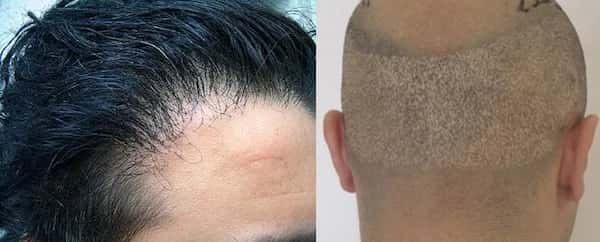


What is cobblestoning hair transplant?
Cobblestoning hair transplant is a condition where the scalp develops small raised bumps around transplanted grafts, creating an uneven, cobblestone-like appearance. It usually occurs when grafts are placed too superficially, healing is irregular, or excessive scar tissue forms during recovery. Although cobblestoning is uncommon with modern hair transplant techniques, it can affect the cosmetic outcome if not properly managed.
The severity of cobblestoning varies from person to person. Mild cases may improve gradually as the scalp heals over several months, while more noticeable cases may require medical treatment. Depending on the cause, treatment options can include minor corrective procedures, laser therapy, steroid injections, or revision hair transplant surgery. The most appropriate approach depends on the extent of the irregularity and the overall condition of the scalp.
The best way to reduce the risk of cobblestoning is to choose an experienced hair transplant surgeon who uses proper graft placement techniques. Following all post-operative care instructions also supports healthy healing and helps minimize the likelihood of visible scalp irregularities. If raised bumps persist for several months or become more noticeable, consult your surgeon for a professional evaluation and appropriate treatment recommendations.
What causes cobblestoning in hair transplantation?
Cobblestoning usually develops when grafts are implanted too superficially or with excess surrounding tissue.
The upper portion of each graft may remain above the natural skin level. As healing progresses, raised tissue can form around the follicular openings. Oversized recipient sites may also contribute to an uneven surface. Poor graft preparation can leave unnecessary tissue attached to follicular units. Dense implantation may increase trauma when the technique lacks precision. Individual scarring tendencies can influence the final texture. However, the condition often relates primarily to surgical placement. Careful trimming, correct depth, and controlled implantation reduce the likelihood of cobblestoning.
When does cobblestoning appear after a hair transplant?
Cobblestoning may become visible during early healing or several weeks after the hair transplant.
Initial swelling and crusting can temporarily hide the true skin texture. Once scabs disappear, small raised areas may become easier to notice. Some irregularities flatten gradually during the following months. Others remain visible as the tissue matures. Early bumps do not always confirm permanent cobblestoning. Folliculitis, trapped hairs, or normal postoperative inflammation can create similar appearances. You should observe whether the surface improves without repeated touching. Clear photographs taken under consistent lighting can help document changes. A clinical examination provides the most reliable diagnosis.
How does cobblestoning look and feel?
Cobblestoning looks like small raised bumps surrounding transplanted hairs across the recipient area.
The skin may appear uneven, rippled, or similar to a cobblestone pathway. Bumps can match the scalp colour or appear slightly red. Some areas feel firm when gently touched after complete healing. Others may remain soft during the early inflammatory stage. Cobblestoning usually differs from temporary scabs because the texture remains after crusts disappear. It may become more noticeable under bright lighting or with short hair. Pain is not always present. However, tenderness, discharge, or increasing redness may indicate another problem requiring prompt evaluation.
Is cobblestoning normal after a hair transplant?
Cobblestoning is not considered an ideal transplant result, although temporary surface irregularity can occur during healing.
Mild swelling, crusting, and small bumps are common during the first postoperative weeks. These changes often improve as inflammation settles. True cobblestoning persists because grafts or surrounding tissue remain elevated. Its severity can vary from barely visible texture to obvious raised areas. You should not judge the final skin surface too early. Healing and scar maturation can continue for several months. However, persistent irregularity deserves assessment by an experienced hair restoration specialist. The clinician can separate normal healing changes from a technical implantation complication.
Can cobblestoning disappear naturally?
Mild cobblestoning can flatten naturally, but established raised tissue may not disappear completely without treatment.
Early irregularities often improve as swelling decreases and scar tissue softens. This process may continue for several months after surgery. The skin can also appear smoother once transplanted hair grows longer. However, hair growth only hides texture and does not always correct it. Persistent bumps may reflect elevated graft placement or mature scar tissue. These changes usually improve less with time alone. You should avoid aggressive massage unless your clinic specifically recommends it. A specialist can assess the depth, firmness, and likely potential for spontaneous improvement.
How is cobblestoning different from folliculitis?
Cobblestoning creates persistent raised skin, while folliculitis causes inflamed bumps around hair follicles.
Folliculitis often appears red, tender, itchy, or filled with fluid. It can develop when new hairs struggle to emerge through the scalp. Cobblestoning usually feels more stable and follows the arrangement of transplanted grafts. The bumps may remain even without redness or discomfort. Both conditions can occur during the same recovery period. Therefore, appearance alone may cause confusion. You should not squeeze, pierce, or drain any bump yourself. Increasing pain, warmth, pus, or spreading redness requires medical review. Correct diagnosis determines whether observation, medication, or another treatment is appropriate.
Can poor graft placement cause cobblestoning?
Poor graft placement is one of the main technical causes of cobblestoning after hair transplantation.
A graft inserted too shallowly may remain elevated above the surrounding scalp. The tissue attached to the follicle can then heal as a visible mound. Incorrect recipient-site depth may create the same problem across multiple grafts. Excess pressure during insertion can also damage surrounding skin. Precise placement requires control of depth, angle, direction, and graft size. The technique should match the thickness of each follicular unit. When several operators work simultaneously, consistent standards remain essential. Careful surgical planning lowers the risk of widespread surface irregularity.
Does dense packing increase the risk of cobblestoning?
Dense packing can increase cobblestoning risk when recipient sites are too close or grafts are placed incorrectly.
High density requires precise control because nearby sites create additional tissue trauma. Swelling and reduced circulation may also complicate early healing. Dense placement alone does not automatically cause cobblestoning. Experienced teams can achieve appropriate density while protecting skin structure. Problems arise when graft size, depth, and spacing are poorly matched. Using excessive density to meet unrealistic expectations may increase complications. Your treatment plan should consider scalp condition, blood supply, and available donor hair. Natural coverage depends on strategic distribution, not merely the highest possible graft number.
Can cobblestoning affect hair growth?
Cobblestoning does not always prevent hair growth, but severe tissue changes may influence graft appearance and direction.
Many grafts continue producing hair despite raised skin around their openings. However, hairs may emerge at unnatural angles when placement was technically incorrect. Surface irregularity can also make density appear less natural under short hairstyles. Inflammation or scarring may reduce growth in some affected grafts. The final impact becomes clearer after the normal growth period. You should assess both hair development and skin texture over several months. A specialist can examine whether the follicles remain healthy. Treatment decisions should consider texture, growth quality, and cosmetic visibility together.
How can cobblestoning be prevented?
Cobblestoning can be prevented through careful graft preparation, correct implantation depth, and precise recipient-site creation.
The surgical team should remove unnecessary tissue without damaging the follicle. Recipient sites must match the size and shape of each graft. The operator should place follicles level with the surrounding skin. Consistent depth becomes especially important within the frontal hairline. Excessive force and repeated insertion attempts can increase tissue trauma. Appropriate spacing also protects circulation during healing. You should choose a clinic that explains who performs each surgical step. Prevention depends mainly on technique, planning, and supervision rather than postoperative products.
How is cobblestoning treated?
Cobblestoning treatment depends on its severity, age, location, and underlying tissue changes.
Mild cases may improve through observation while the scalp completes scar maturation. Some specialists may recommend carefully selected injections for raised scar tissue. Laser resurfacing, controlled skin treatments, or minor surgical correction may suit particular cases. Prominent grafts can sometimes require removal or repositioning. Treatment near transplanted follicles demands caution because aggressive procedures may damage hair growth. No single method suits every patient. You should receive an examination before considering correction. The clinician must balance smoother skin against the risk of scarring, pigment changes, and follicle injury.
When should cobblestoning be medically assessed?
Cobblestoning should be assessed when bumps persist, worsen, cause discomfort, or remain visible after several months.
Early evaluation is also appropriate when the diagnosis remains uncertain. Redness, warmth, pus, bleeding, or increasing pain may indicate infection or folliculitis. These symptoms require faster attention than stable cosmetic irregularity. You should contact the original clinic and provide clear photographs. However, an independent specialist can offer another opinion when concerns remain unresolved. Bring your surgical records, graft numbers, and postoperative timeline if available. A physical examination helps determine tissue firmness and graft position. This assessment supports a realistic treatment plan and prevents unnecessary self-treatment.
Can cobblestoning be repaired completely?
Cobblestoning can often be improved, but complete correction cannot be guaranteed in every case.
The outcome depends on bump size, scar maturity, skin type, and follicle position. Small irregularities may respond better than widespread raised tissue. Treatment may require more than one session. Existing transplanted hairs can limit how aggressively the skin is resurfaced. Scar-prone patients may also need a cautious approach. The specialist should explain expected improvement rather than promise perfectly smooth skin. Photographs taken before and after treatment can document progress objectively. You should consider both visible texture and hair density when evaluating whether corrective treatment provides meaningful benefit.
Should you massage cobblestoning after a hair transplant?
You should not massage suspected cobblestoning unless your treating clinician confirms that the scalp has healed sufficiently.
Early pressure can irritate recipient sites and disturb healing tissue. Later massage may soften mild scar firmness in selected cases. However, it cannot correct every elevated graft or deep structural problem. Strong rubbing can increase redness and inflammation. Unapproved creams or oils may also block follicles or irritate the scalp. The timing and technique must match your healing stage. Ask your clinic whether gentle massage is appropriate for your specific condition. When bumps persist despite conservative care, professional treatment may provide a safer and more effective approach.
- Last updated
- Language
- English
How did you find this article?
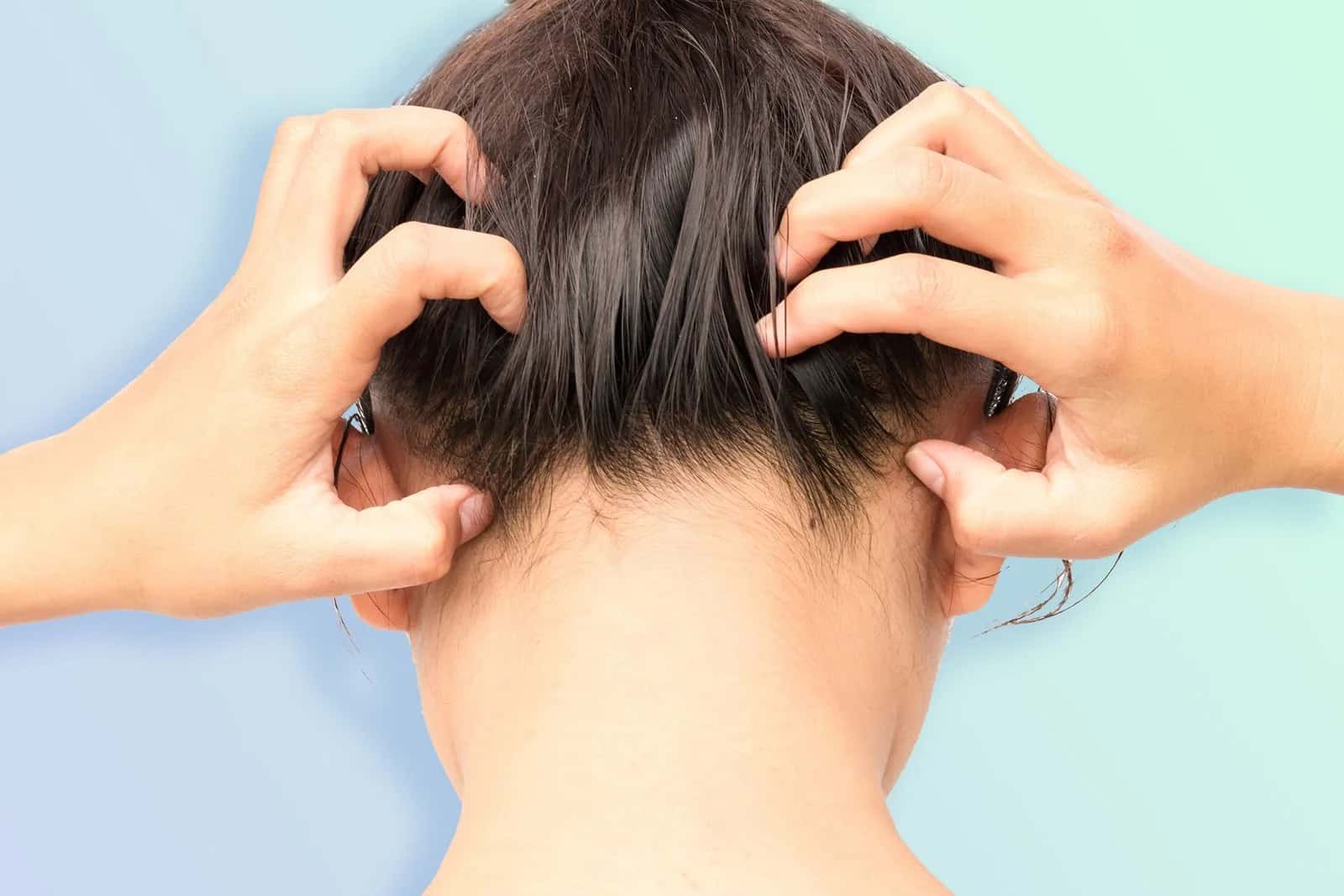
Air conditioning can dry out your scalp by reducing indoor humidity and affecting the skin's ability to maintain adequate moisture. Prolonged exposure to dry, cooled air may contribute to itching, flaking, tightness, and irritation, particularly when the scalp is already sensitive or prone to dryness.
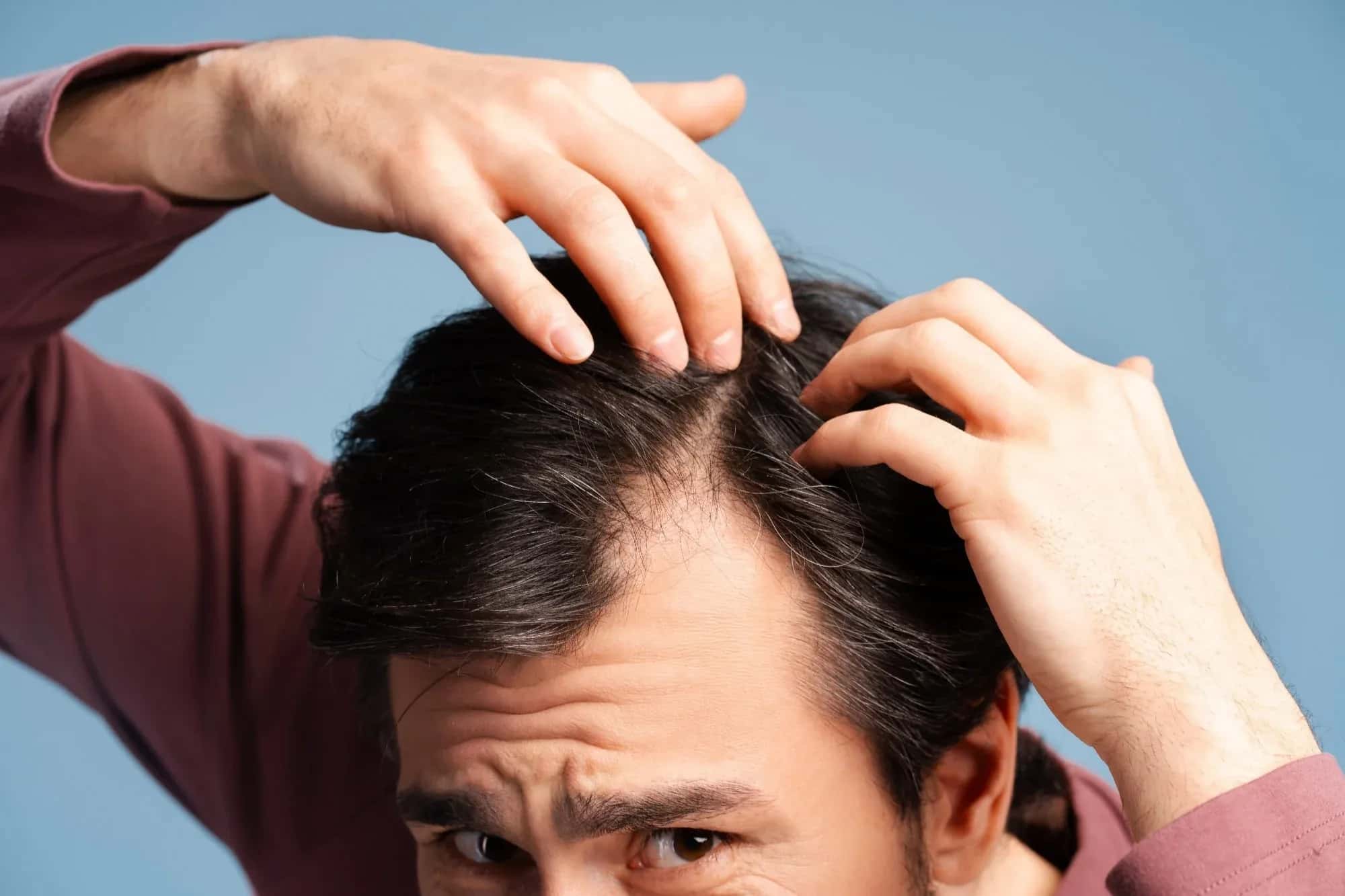
Certain dietary supplements can cause hair loss when taken in excessive amounts, particularly products containing high doses of vitamin A, selenium, or other concentrated nutrients. While supplements can help correct nutritional deficiencies that affect hair growth.
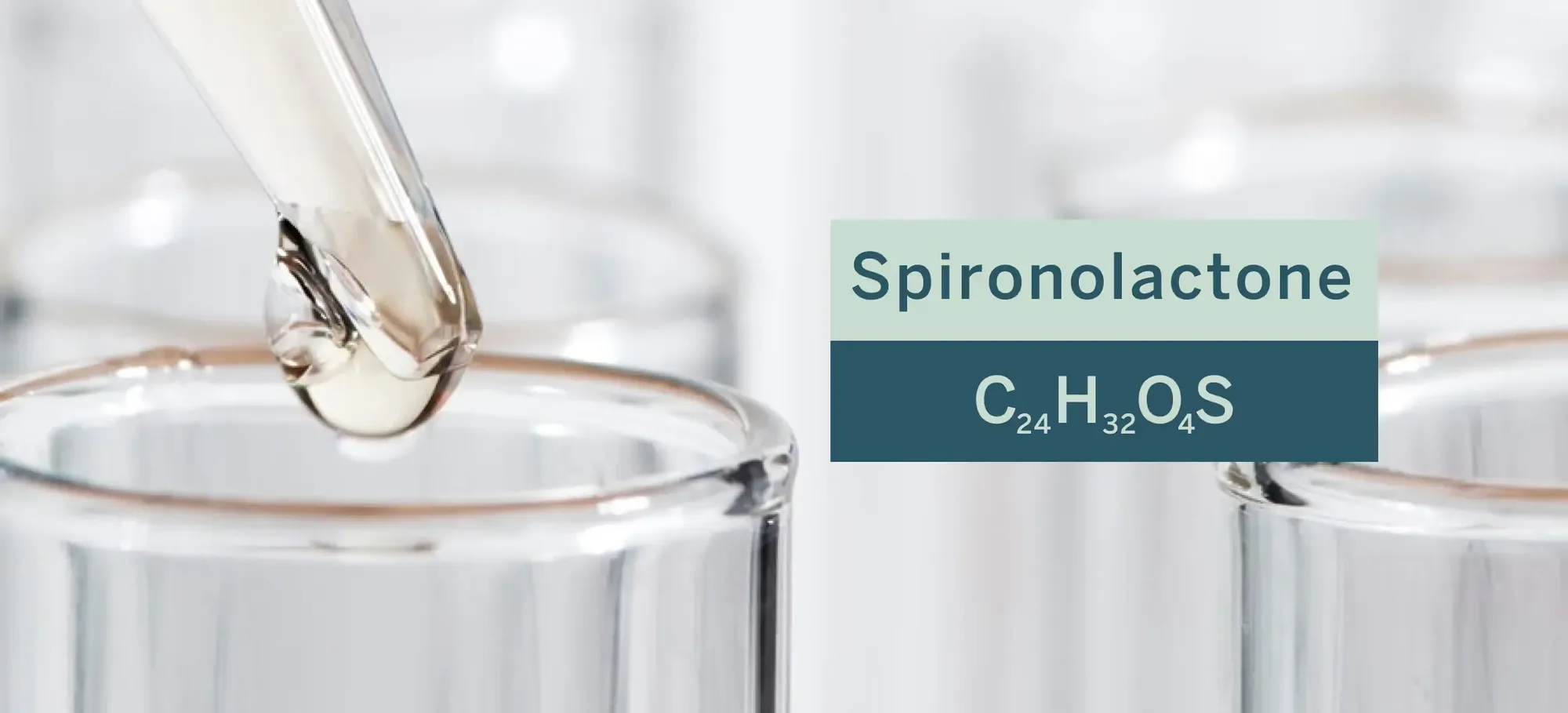
Spironolactone for female hair loss can help slow progressive thinning and improve hair density by reducing the effects of androgens on sensitive hair follicles. Although this prescription medication is not specifically approved for hair loss, clinical research supports its use in selected women.
Subscribe to the Medifinder newsletter and never miss our latest content.