










Chronic Pelvic Pain With Normal Urine Tests: What Next?
Chronic pelvic pain can persist despite normal urine tests. Explore pelvic floor, nerve, bowel, gynecologic, bladder, and musculoskeletal causes, plus next steps.

- Last updated
- 9 reads
- 7 min read
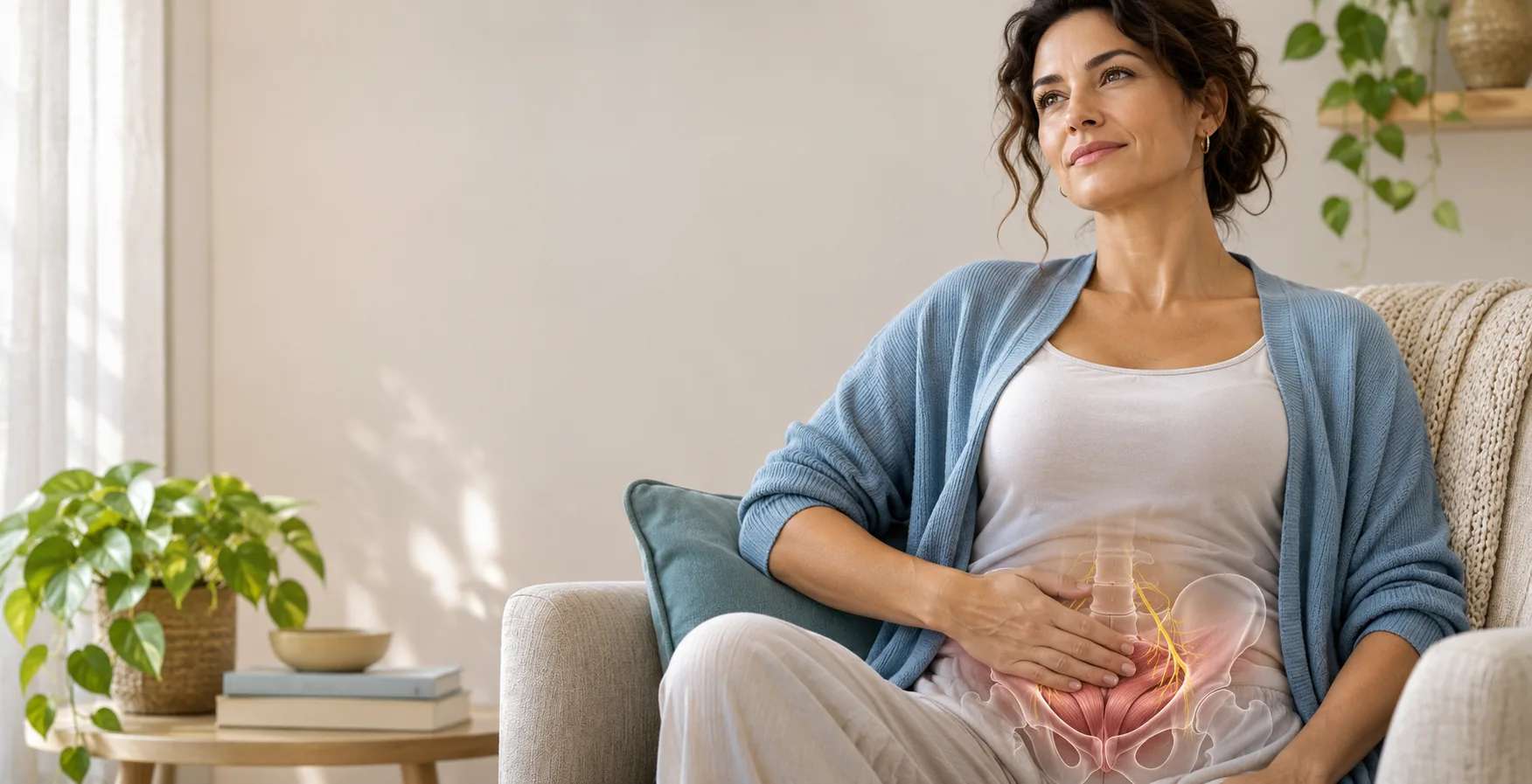


Chronic pelvic pain can be frustrating when urine tests repeatedly look normal. A clear urinalysis makes a typical bladder infection less likely, but it does not explain every source of pain in the pelvis. Muscles, nerves, reproductive organs, bowel, hips, spine, and the way the nervous system processes pain can all create symptoms without changing a urine sample.
What a Normal Urine Test Tells You
Urine testing looks for clues such as blood, white cells, bacteria, protein, and concentration. A normal result can reduce the likelihood of an active urinary infection or obvious bleeding at that moment. It does not rule out endometriosis, pelvic floor tension, irritable bowel symptoms, nerve irritation, ovarian or uterine conditions, prostate pain syndromes, or pain referred from the back and hips.
Timing also matters. A sample taken after fluids, early antibiotics, or an interval between flares may not capture a problem that comes and goes. A negative test is useful information, but it is one piece of a larger evaluation rather than a verdict that the pain has no physical basis.
Pelvic Floor Muscles Can Stay Tense
The pelvic floor supports the bladder, bowel, and reproductive organs. Muscles can become overactive after childbirth, surgery, prolonged sitting, sexual pain, constipation, anxiety, or an earlier injury. Instead of relaxing between activities, they remain partly contracted and produce aching, pressure, burning, or pain with sitting and intercourse.
Pain may spread toward the lower back, tailbone, groin, hips, or thighs. Some people feel urinary urgency or difficulty starting a stream even though urine testing is normal. A pattern linked to posture, stress, bowel movements, or prolonged sitting can point toward muscular involvement.
Nerve Irritation and Referred Pain
Nerves from the lower spine and pelvis carry sensation from several nearby areas. Irritation around the pudendal, ilioinguinal, genitofemoral, or sacral pathways can create burning, tingling, electric shocks, numbness, or deep aching. A compressed nerve in the back or hip can be felt as pelvic pain even when the urinary tract is healthy.
Symptoms that worsen with sitting, cycling, tight clothing, or certain hip movements deserve a broader look than repeated infection treatment. A careful sensory and movement assessment can help show whether pain is following a nerve or musculoskeletal pattern.
Endometriosis and Other Gynecologic Sources
For people who menstruate, endometriosis can cause pelvic pain that changes with the cycle, appears during sex, or accompanies bowel and bladder symptoms. A urine test may remain normal because the source is tissue outside the urinary tract. Fibroids, ovarian cysts, adenomyosis, pelvic adhesions, and vulvar pain conditions can also produce ongoing discomfort.
Track the relationship between pain and bleeding, ovulation, bowel movements, sexual activity, and hormonal treatment. Pain that becomes severe around a period, continues after bleeding ends, or is associated with infertility or pain during sex should not be reduced to a simple urinary explanation.
Bowel and Abdominal Causes
The bowel occupies much of the pelvis, so constipation, irritable bowel patterns, inflammatory bowel disease, diverticular problems, and gas can feel like bladder or reproductive pain. The sensation may move, improve after a bowel movement, or worsen after certain foods. Normal urine results are expected when the bowel is the main source.
Look for changes in stool frequency, urgency, blood, bloating, weight, appetite, and food-related symptoms. Severe abdominal pain, repeated vomiting, fever, black stool, or visible blood needs prompt assessment rather than dietary experimentation alone.
Bladder Pain Without Infection
Some people experience bladder pressure, urgency, frequency, or pain that improves after urinating even though urine cultures remain negative. This pattern can occur with bladder pain syndrome or other noninfectious irritation. Symptoms may flare with concentrated urine, certain foods, sexual activity, stress, or pelvic floor tension.
Keeping a bladder diary can reveal volume, timing, urgency, fluids, and triggers. Repeated antibiotics without evidence of infection may cause side effects without addressing the actual pain mechanism.
Hip, Spine, and Abdominal Wall Contributors
The hip joint, sacroiliac region, lower spine, and abdominal muscles can refer pain toward the groin and pelvis. A labral problem, arthritis, disc irritation, hernia, or abdominal wall trigger point may hurt during walking, lifting, coughing, or changing position. The pelvis can be painful even when the organs inside it are functioning normally.
Notice whether pain changes with stairs, prolonged standing, sitting, twisting, exercise, or pressing on a specific spot. A mechanical pattern often needs movement and musculoskeletal assessment rather than more urine tests.
How Stress and the Pain System Fit In
Stress does not mean the pain is imagined. Persistent pain can make the nervous system more alert, so normal pressure from the bladder, bowel, or pelvic muscles feels threatening and intense. Poor sleep, fear of movement, and repeated guarding can maintain the cycle even after an original injury has healed.
Breathing exercises, gradual movement, sleep support, and pain-focused therapy can calm an overprotective pain system. These strategies work best alongside investigation for treatable physical causes rather than being offered as a dismissal of symptoms.
What to Track Before the Next Appointment
- Exact location, quality, severity, and duration of the pain.
- Cycle timing, sexual activity, bowel movements, urination, and posture.
- Fever, discharge, bleeding, nausea, numbness, weakness, or weight change.
- Foods, drinks, medicines, supplements, and activities that worsen or ease symptoms.
- Previous infections, surgery, childbirth, injuries, and treatments already tried.
A short daily log is more useful than trying to remember several months at once. Include normal urine results and whether the pain continued during a symptom-free test period.
What Further Assessment May Include
Depending on the pattern, evaluation may involve a physical examination of the abdomen, pelvis, hips, spine, and pelvic floor. Blood tests, pregnancy testing when relevant, infection swabs, ultrasound, or other imaging may be considered. People with prostate, testicular, vaginal, vulvar, bowel, or nerve symptoms may need different parts of the pelvis assessed.
The goal is to build a working explanation that fits the whole pattern. Normal urine tests should redirect the search, not end it.
Everyday Measures That May Reduce Flares
Gentle movement, regular bowel habits, adequate fluids, comfortable clothing, and breaks from prolonged sitting can reduce mechanical stress. Heat may soothe muscle tension, while a symptom diary can identify food, cycle, or activity triggers. Avoid repeatedly testing the area with painful exercises or aggressive stretching.
Medication choices should match the person’s health history. Using painkillers frequently without review can create side effects and may obscure changes that deserve attention.
When Pelvic Pain Needs Prompt Care
Seek urgent help for sudden severe pain, fainting, heavy bleeding, fever with worsening pain, repeated vomiting, a rigid abdomen, inability to pass urine, new leg weakness, numbness around the groin, or possible pregnancy with pain or bleeding. These signs can indicate a problem that cannot be sorted out by a normal urine result.
Persistent pain also warrants planned assessment when it disrupts sleep, work, sex, exercise, or daily activities. A symptom that lasts longer than three months deserves a structured plan rather than repeated reassurance alone.
Questions About Pelvic Pain With Normal Urine Tests
Does a normal urine test rule out a bladder problem?
It makes an active infection or obvious urinary bleeding less likely, but noninfectious bladder pain and pelvic floor problems can still cause symptoms. The timing and pattern of urgency, frequency, pressure, and pain remain important.
Can pelvic floor tension feel like a urinary infection?
Yes. Overactive muscles may cause pressure, burning, urgency, difficulty emptying, and pain with sitting or sex even when cultures are negative. Muscle tenderness and posture-related changes can provide useful clues.
Can endometriosis cause pelvic pain with normal urine?
It can. Endometriosis is outside the urinary test itself and may cause cycle-related pain, painful sex, bowel symptoms, or bladder discomfort. Tracking symptoms around menstruation can reveal a meaningful pattern.
Why does my pelvic pain improve after a bowel movement?
Gas, constipation, bowel sensitivity, or pelvic muscle relaxation after passing stool can reduce pressure. Repeated pain linked to bowel habits deserves a digestive and pelvic assessment rather than repeated antibiotic courses.
Is chronic pelvic pain all in my head?
No. Pain is a real nervous-system experience influenced by tissues, nerves, muscles, sleep, stress, and previous injury. Understanding those connections can improve treatment without denying the physical reality of the symptoms.
What Comes Next
Normal urine tests narrow one part of the search, but chronic pelvic pain often involves more than the urinary tract. Mapping the timing, triggers, body position, cycle, bowel pattern, and associated symptoms creates a clearer path toward the right evaluation. The next step is not to ignore the pain or repeat the same test forever; it is to broaden the view and address the systems that can actually be generating it.
- Last updated
- Language
- English
How did you find this article?
Low AMH with regular periods does not automatically rule out pregnancy. Learn what AMH measures, how ovulation fits in, and which factors matter next.
Learn when a period may start after egg retrieval, why timing varies, how progesterone and transfer affect bleeding, and which warning signs need attention.
A 6mm endometrial lining for IVF is considered thin in many settings, but implantation also depends on pattern, timing, uterine health and embryo factors.
Subscribe to the Medifinder newsletter and never miss our latest content.