










Ceramic Dental Implants: Benefits, Risks and Long-Term Results
Ceramic dental implants offer a nonmetallic alternative to traditional titanium implants, using zirconia to replace missing tooth roots and support permanent dental restorations.

- Last updated
- 33 reads
- 15 min read
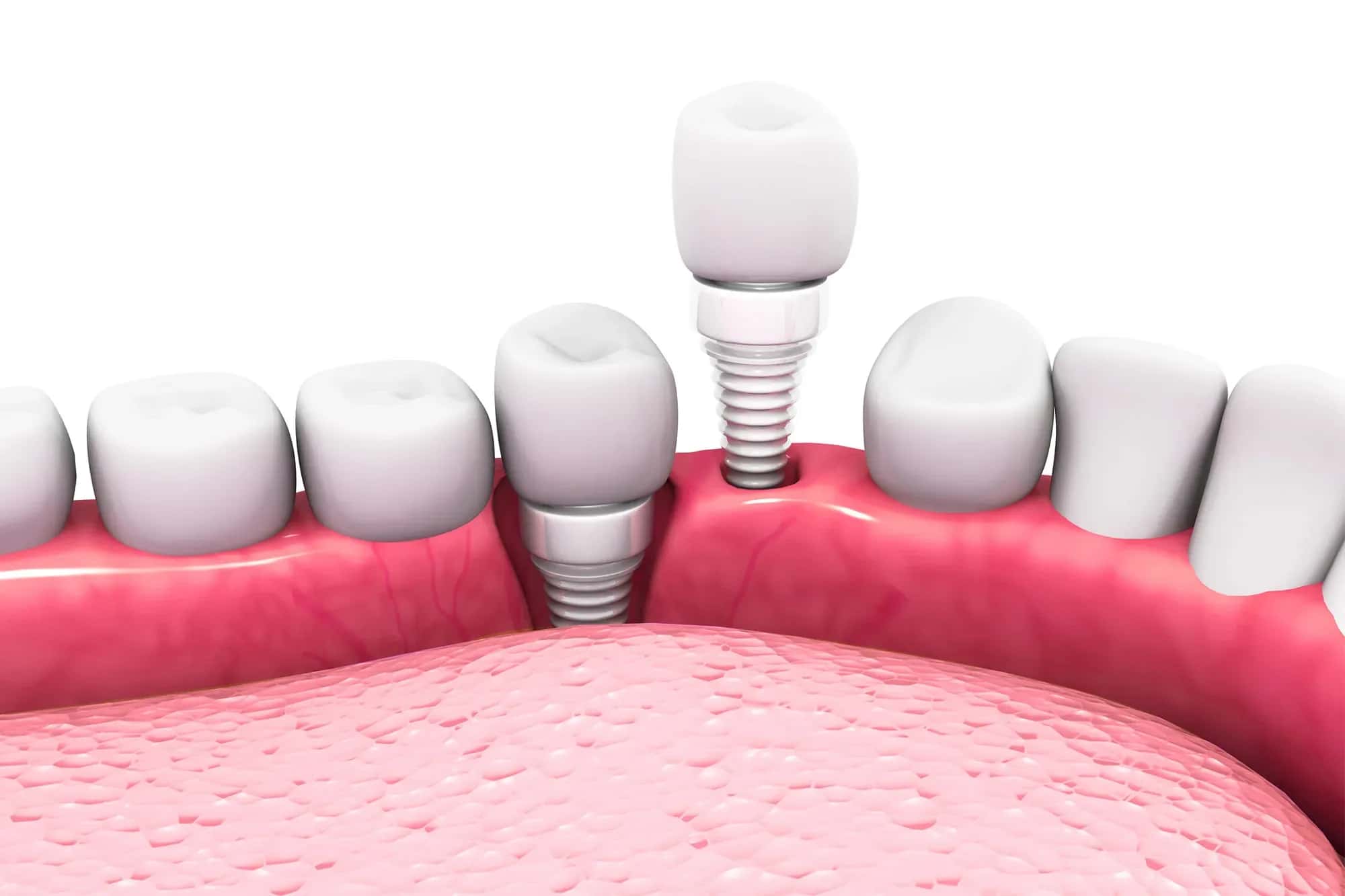


What Are Ceramic Dental Implants?
Ceramic dental implants are artificial tooth roots made primarily from zirconia, a high-strength ceramic material also known as zirconium dioxide. They are surgically placed into the jawbone to support a replacement tooth or another fixed dental restoration.
Although several ceramics have been explored for dental use, modern ceramic implant systems predominantly rely on zirconia because of its mechanical properties and ability to integrate with living bone.
The implant is not the visible replacement tooth itself. It forms the foundation beneath the gum, while a crown or another prosthetic restoration replaces the missing tooth above it.
The distinction matters because an all-ceramic crown can also be attached to a titanium implant.
Are Zirconia Dental Implants Completely Metal-Free?
Zirconia is a ceramic compound containing zirconium and oxygen. Although zirconium is classified as a metallic element, zirconium dioxide is a chemically stable oxide ceramic rather than a conventional metal alloy.
For this reason, zirconia implants are generally described as metal-free dental implants.
However, not every system marketed as ceramic is completely free of metallic components. Some two-piece zirconia implants use an internal metal screw to connect the implant and its abutment.
The screw is enclosed within the restoration rather than exposed to surrounding gum or bone, but its presence matters to someone seeking a completely nonmetallic treatment.
Material selection should therefore include the entire implant assembly, not just the visible ceramic components.
How Do Ceramic Dental Implants Compare With Titanium?
Titanium remains the most extensively documented material in modern implant dentistry, supported by decades of clinical use across a wide range of tooth replacement situations.
Zirconia provides a tooth-colored alternative with promising clinical performance, particularly in selected single-tooth restorations.
Both materials can integrate with jawbone and support healthy surrounding tissues.
The important difference is the depth of the available evidence. Titanium has a longer clinical record, while much of the established zirconia research concerns specific one-piece designs and shorter follow-up periods.
Recent comparative studies suggest broadly similar outcomes through approximately five years in appropriately selected cases, although evidence beyond that period remains less extensive for zirconia.
Neither material should be considered universally superior.
How Do Ceramic Implants Integrate With the Jawbone?
After surgical placement, the bone surrounding a ceramic implant undergoes a healing process known as osseointegration.
New bone forms in close contact with the implant surface, establishing the biological stability needed to support a dental restoration during chewing.
Zirconia surfaces can support this process, although surface texture, implant design and surgical stability influence the outcome.
Successful osseointegration is different from simply having an implant that feels secure immediately after insertion.
Initial stability comes from mechanical engagement with the bone. Long-term stability develops as the surrounding tissues heal and remodel.
For a wider explanation of the procedure, the guide to dental implant placement and healing covers the relationship between artificial tooth roots and jawbone support.
Why Can Ceramic Implants Look Better Beneath Thin Gums?
The pale color of zirconia can be advantageous when restoring a highly visible front tooth.
Consider an upper incisor surrounded by naturally thin gum tissue. If the tissue becomes translucent or recedes slightly, a gray titanium component may be more noticeable beneath the surface.
A white zirconia implant can reduce this particular color-related concern.
However, ceramic color does not automatically produce an attractive gum contour.
Implant positioning, bone thickness, soft tissue volume and crown shape still determine how naturally the restoration blends with neighboring teeth.
Where substantial gum recession or bone loss occurs, even a tooth-colored implant may become visibly exposed.
The aesthetic advantage is therefore most meaningful as part of appropriate tissue and restoration planning.
What Are the Main Benefits of Ceramic Dental Implants?
Zirconia implants offer several potential advantages, although each needs to be considered alongside the requirements of the specific tooth replacement.
-
Tooth-colored material: The pale ceramic surface may reduce the visibility of dark underlying components, particularly in areas with thin gum tissue.
-
A nonmetallic implant body: Zirconia offers an alternative for patients who prefer to avoid titanium, provided the complete implant system is checked for additional metallic parts.
-
Established bone compatibility: Suitable zirconia surfaces can support osseointegration and healthy surrounding tissues, with encouraging results in selected clinical applications.
-
An alternative restorative approach: Ceramic systems expand the available treatment choices, especially for single-tooth replacement where their design and mechanical properties are appropriate.
What Is the Difference Between One-Piece and Two-Piece Zirconia Implants?
In a one-piece ceramic implant, the portion anchored in bone and the component supporting the crown form a single continuous structure.
This eliminates a separate implant-abutment connection, but it also means the angle and position of the prosthetic component are largely established during surgery.
A two-piece implant separates these components, allowing more flexibility when developing the final restoration.
That flexibility introduces a connection that must remain mechanically reliable. Designs differ, and some contain an internal metal screw.
The strongest longer-term zirconia evidence has historically involved one-piece systems.
Newer two-piece designs may offer practical advantages, but their clinical performance should not automatically be assumed to match that of older, well-studied implant systems.
Why Is Implant Position Especially Important With One-Piece Ceramic Implants?
A titanium implant with a separate abutment may allow certain adjustments to the angle at which the final crown emerges.
A one-piece zirconia implant generally provides less freedom to make those changes after placement.
Imagine replacing a front tooth where the available bone slopes slightly toward the lip. The implant must be positioned to achieve stable bone support while allowing the future crown to emerge naturally through the gum.
If the one-piece implant is inserted at an unfavorable angle, correcting the appearance or bite can become difficult.
For this reason, the intended crown position should guide implant placement from the beginning.
The surgical and restorative plans cannot be treated as separate decisions.
How Strong Are Ceramic Dental Implants Under Chewing Pressure?
Dental zirconia is an engineered ceramic with substantial strength, making it suitable for selected load-bearing applications.
However, the term ceramic can create a misleading comparison with fragile household porcelain.
Implant-grade zirconia is produced and processed specifically to withstand mechanical demands, but its behavior differs from titanium.
Titanium is a ductile metal that can deform under certain stresses. Zirconia is comparatively rigid and may fracture when a critical defect or load exceeds its resistance.
Implant diameter, material composition, manufacturing quality and chewing forces all influence mechanical performance.
The correct question is not whether zirconia is strong in general, but whether a particular implant design can safely support the intended restoration.
Can Zirconia Dental Implants Crack or Break?
Ceramic implant fracture is an important technical consideration, particularly when an implant has a narrow diameter or faces substantial chewing loads.
Unlike a loose crown or damaged abutment, a fracture through the implant body may make removal necessary.
Manufacturing improvements have reduced problems associated with certain older ceramic implant designs.
Clinical evidence for established one-piece zirconia systems does not indicate a generally higher five-year fracture risk than comparable titanium implants in the studied applications.
Nevertheless, those findings cannot be extended without qualification to every zirconia design.
Excessive adjustment of ceramic components, unfavorable implant dimensions and concentrated mechanical stress require particular caution.
Strength should be evaluated in relation to the complete treatment plan.
How Long Do Ceramic Dental Implants Last?
Ceramic dental implants can remain functional for many years, but the available evidence does not support a guaranteed lifetime.
A systematic review of commercially available zirconia implants reported an estimated five-year survival rate of approximately 97 percent. Most of the evidence came from observational studies involving one-piece implants.
This is an encouraging finding, but survival and complication-free success are different outcomes.
An implant may remain firmly integrated while its crown needs repair or the surrounding gum requires treatment.
More recent comparisons have also found broadly similar medium-term survival between zirconia and titanium, although the number of long-term comparative studies remains limited.
Results from one ceramic system should not be treated as a guarantee for every newer design.
Do Ceramic Implants Accumulate Less Plaque Than Titanium?
Laboratory studies have suggested that certain zirconia surfaces may support different patterns of bacterial attachment compared with titanium.
However, laboratory measurements do not establish that a material will prevent gum disease in everyday use.
Bacterial plaque forms on implant restorations and around their surrounding tissues regardless of whether the implant body is ceramic or metallic.
Surface roughness, crown contours, cleaning access and personal oral hygiene all influence plaque accumulation.
Clinical comparisons have not demonstrated a consistent, meaningful advantage that makes zirconia implants reliably resistant to peri-implant disease.
Choosing ceramic does not remove the need for brushing, interdental cleaning and professional maintenance.
Can Peri-Implantitis Develop Around Ceramic Implants?
Peri-implantitis is an inflammatory condition affecting the tissues around a dental implant and is associated with progressive loss of supporting bone.
It can develop around ceramic implants as well as titanium implants.
Redness, bleeding during examination, increasing probing depths or discharge may indicate inflammation, although early disease does not always produce noticeable discomfort.
Current comparative evidence has not established that zirconia significantly reduces the risk of peri-implantitis.
The guide to peri-implantitis and its effect on dental implants explains how inflammatory bone loss differs from ordinary healing changes.
The practical priority remains the same for either material: control bacterial plaque, monitor gum health and investigate progressive changes before significant bone support is lost.
Are Ceramic Dental Implants a Better Choice for People With Titanium Sensitivity?
Concern about titanium sensitivity is one reason some patients consider a ceramic implant.
However, confirmed clinically significant reactions to titanium implants appear uncommon, and diagnosing a true material-related reaction can be challenging.
Symptoms such as gum inflammation, pain or implant discomfort may result from bacterial infection, mechanical problems or other causes rather than an allergy.
Zirconia offers an alternative when a nonmetallic implant is preferred or when a genuine material-related concern has been carefully assessed.
It should not be presented as a way to prevent unrelated inflammatory or systemic conditions.
Patients seeking a completely metal-free restoration should also establish whether the proposed two-piece system contains metallic connection components.
Who Is a Suitable Candidate for Ceramic Dental Implants?
Suitability is determined by the health of the proposed implant site and whether the available zirconia design can provide adequate mechanical and restorative support.
-
Patients with adequate jawbone support: Sufficient bone height and width are needed to position the implant safely while preserving the surrounding tissues.
-
People seeking a nonmetallic option: Zirconia may be appropriate when avoiding a titanium implant is an important treatment preference.
-
Patients requiring selected single-tooth replacements: Well-documented ceramic systems can be useful where the implant position, available space and anticipated chewing forces are favorable.
-
People with stable oral health: Controlled periodontal disease, effective plaque removal and suitable healing conditions improve the foundations for successful implant treatment.
Are Ceramic Implants Suitable for Replacing Front Teeth?
Front tooth replacement is one of the situations where zirconia's appearance can offer a meaningful advantage.
A pale implant body may reduce the risk of gray discoloration showing through thin gum tissue.
Yet the aesthetic result depends heavily on the position of the implant and the shape of the gum surrounding the final crown.
An implant placed too far toward the lip may cause tissue recession regardless of its color.
The most successful aesthetic planning therefore considers the expected gum contour, available bone and emergence profile before the implant is inserted.
Zirconia can contribute to a natural result, but its color cannot compensate for inadequate anatomical support.
Can Ceramic Dental Implants Replace Molars or Support Bridges?
Ceramic implants may be used in selected posterior tooth replacements, provided the implant dimensions and restorative design can withstand the expected chewing forces.
Molars experience substantial mechanical loading, particularly in people who clench or grind their teeth.
This makes implant diameter, crown shape and bite distribution important considerations.
Clinical evidence also supports certain established one-piece zirconia systems used for short fixed bridges, but that does not mean every ceramic implant is appropriate for extensive bridgework.
Full-arch rehabilitation and complex multi-implant restorations raise additional questions about connection design, repairability and long-term performance.
A treatment suitable for one missing tooth cannot automatically be extended to an entire arch.
Can a Ceramic Implant Be Placed Immediately After Tooth Extraction?
Immediate placement means inserting an implant into a tooth socket during the same appointment as the extraction.
The approach can be considered when the remaining bone provides adequate support and the implant can be positioned correctly.
However, the extraction socket rarely matches the shape of the new implant perfectly. The surrounding bone and gum must still heal, and some sites require additional grafting.
One-piece ceramic implants present an additional consideration because their upper component remains connected to the implant throughout healing.
Premature loading or an unfavorable position may compromise the result.
Immediate placement should therefore reflect the anatomy and initial stability of the site rather than a preference for completing treatment in fewer appointments.
What Happens if There Is Not Enough Jawbone for a Ceramic Implant?
An implant requires adequate bone around its surface to establish stability and support the surrounding tissues.
When a tooth has been missing for a long period, the ridge may become narrower or lose height.
This can limit the dimensions and position of an implant.
Bone grafting or ridge augmentation may be considered to rebuild a suitable foundation, although not every deficiency can be corrected predictably.
The choice between ceramic and titanium also matters because some zirconia designs offer fewer dimensional or prosthetic options.
A narrow ridge should not automatically receive an excessively narrow ceramic implant simply to avoid additional treatment.
The available bone and the intended crown must be evaluated together.
What Happens During Ceramic Dental Implant Surgery?
Treatment begins with assessing the gums, neighboring teeth and jawbone, often using radiographic imaging to plan implant position.
The proposed crown is also considered before surgery, particularly when a one-piece implant will determine the final emergence angle.
After local anesthesia, the implant site is prepared in the jawbone and the zirconia implant is inserted.
The surrounding gum is then managed according to the implant design and healing plan.
With some one-piece systems, the coronal portion remains visible during healing and needs protection from unwanted loading.
Soreness and swelling can follow the procedure, but successful treatment depends on the subsequent integration of the implant with bone rather than the surgical appointment alone.
When Can the Final Crown Be Attached to a Ceramic Implant?
The timing of crown placement is influenced by the implant's initial stability, the condition of the bone and whether the planned restoration will place significant pressure on the healing implant.
In many cases, several months are allowed for osseointegration before the final crown is fitted.
Selected implants may receive an earlier provisional restoration, but immediate placement of a temporary tooth is not the same as immediate full chewing function.
A temporary crown may need to remain out of heavy biting contact while the implant integrates.
One-piece zirconia systems also require careful control of how the restoration interacts with surrounding tissues.
The aim is to protect healing while creating a crown that can withstand normal function over the long term.
Is a Zirconia Crown the Same as a Ceramic Dental Implant?
A zirconia crown and a zirconia dental implant are two different components of a tooth replacement.
The implant sits inside the jawbone and acts as the artificial root. The crown is the visible structure that replaces the missing tooth.
A zirconia crown can be attached to a titanium implant, producing an aesthetically pleasing restoration without using a ceramic implant body.
Conversely, a ceramic implant can support different suitable crown designs.
This distinction is important when reviewing treatment descriptions that refer generally to ceramic teeth or zirconia restorations.
A patient requesting a metal-free implant needs information about the implant body, abutment and connection components, not simply the material of the crown.
What Is Recovery Like After Ceramic Implant Placement?
The early healing process resembles that of other dental implant procedures.
Mild bleeding, swelling and tenderness can occur during the first several days. Soft tissue healing usually progresses considerably during the first one to two weeks, while bone integration continues over a longer period.
A ceramic implant is not inherently painless or faster to heal simply because it contains no conventional metal.
Recovery is influenced by the extent of surgery, any additional bone grafting and the condition of the surrounding tissues.
Smoking, poor plaque control and excessive pressure on the implant can interfere with healing.
Even when the gum looks healthy, the underlying bone may still be undergoing important biological changes.
Which Complications Require Attention After Ceramic Implant Surgery?
Most early postoperative symptoms improve gradually, but certain changes may indicate a problem that needs assessment.
-
Increasing pain or swelling: Discomfort that becomes more severe rather than settling, especially with spreading redness or fever, may indicate an infection or another complication.
-
Implant movement: A ceramic implant that feels loose or changes position requires prompt evaluation because successful healing depends on stable integration with bone.
-
Persistent bleeding or discharge: Ongoing bleeding, pus or an unpleasant taste may suggest impaired healing or inflammation around the implant.
-
Fracture or visible structural damage: A cracked component, sudden change in the bite or unexpected movement of the restoration should be examined without attempting to adjust it at home.
How Much Do Ceramic Dental Implants Cost Compared With Titanium?
Ceramic dental implants are often more expensive than conventional titanium options because the systems may involve higher material costs, specialized components and additional planning requirements.
However, the total cost of treatment extends beyond the implant body.
Diagnostic imaging, tooth extraction, bone grafting, provisional restorations, the final crown and maintenance can all influence the overall expense.
A simple titanium implant with a ceramic crown should not be compared financially with a zirconia procedure that also requires extensive reconstruction of the jawbone.
The meaningful comparison is between two complete treatment plans that address the same clinical problem.
Material preference has value, but it should not overshadow long-term stability and the ability to maintain or repair the restoration.
How Should Ceramic Dental Implants Be Cleaned and Maintained?
Ceramic implants require consistent oral hygiene just as titanium implants do.
Daily brushing removes plaque from the crown and gum margin, while suitable interdental tools help clean spaces that an ordinary toothbrush cannot reach.
The shape of the final restoration should allow these areas to be accessed without unnecessary difficulty.
Professional maintenance includes examining the surrounding gums, checking for bleeding and monitoring bone levels when clinically indicated.
A history of periodontal disease makes continued attention particularly important.
Cleaning techniques should protect the restoration while effectively disrupting bacterial plaque.
The ceramic surface is not a substitute for healthy gums, appropriate crown contours or regular assessment of the implant's supporting structures.
What Should Determine the Choice Between Ceramic and Titanium Implants?
The most important decision is whether the selected implant material and design can provide stable support for the replacement tooth while respecting the anatomy of the jaw.
For a visible front tooth with thin gum tissue, zirconia's pale color may offer a practical aesthetic benefit. For a complex restoration requiring flexible abutment positioning or extensive long-term documentation, titanium may offer advantages that deserve serious consideration.
Patient preference also matters, particularly when avoiding metallic components is a priority.
However, choosing zirconia should not mean accepting an unsuitable implant position, inadequate dimensions or a restoration that cannot be maintained effectively.
Current evidence supports ceramic implants as a credible alternative in selected applications, while titanium retains the broader clinical track record.
The strongest treatment plan begins with bone support, gum health and the requirements of the final tooth. The material should serve those needs rather than dictate them.
- Last updated
- Language
- English
How did you find this article?
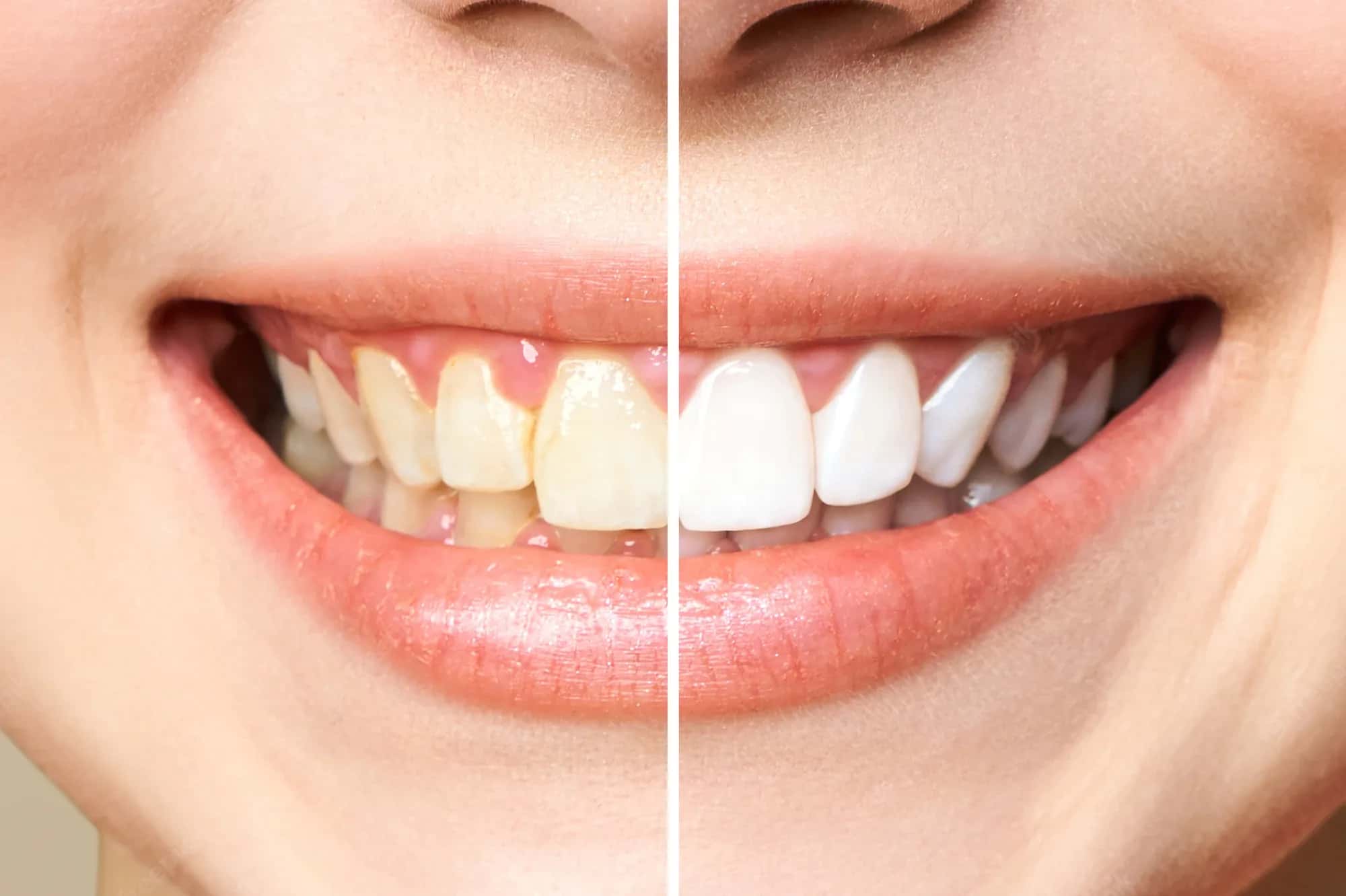
Teeth whitening costs around the world vary substantially, with professional treatment generally costing less in countries such as Turkey, Mexico and India than in the United States or United Kingdom.
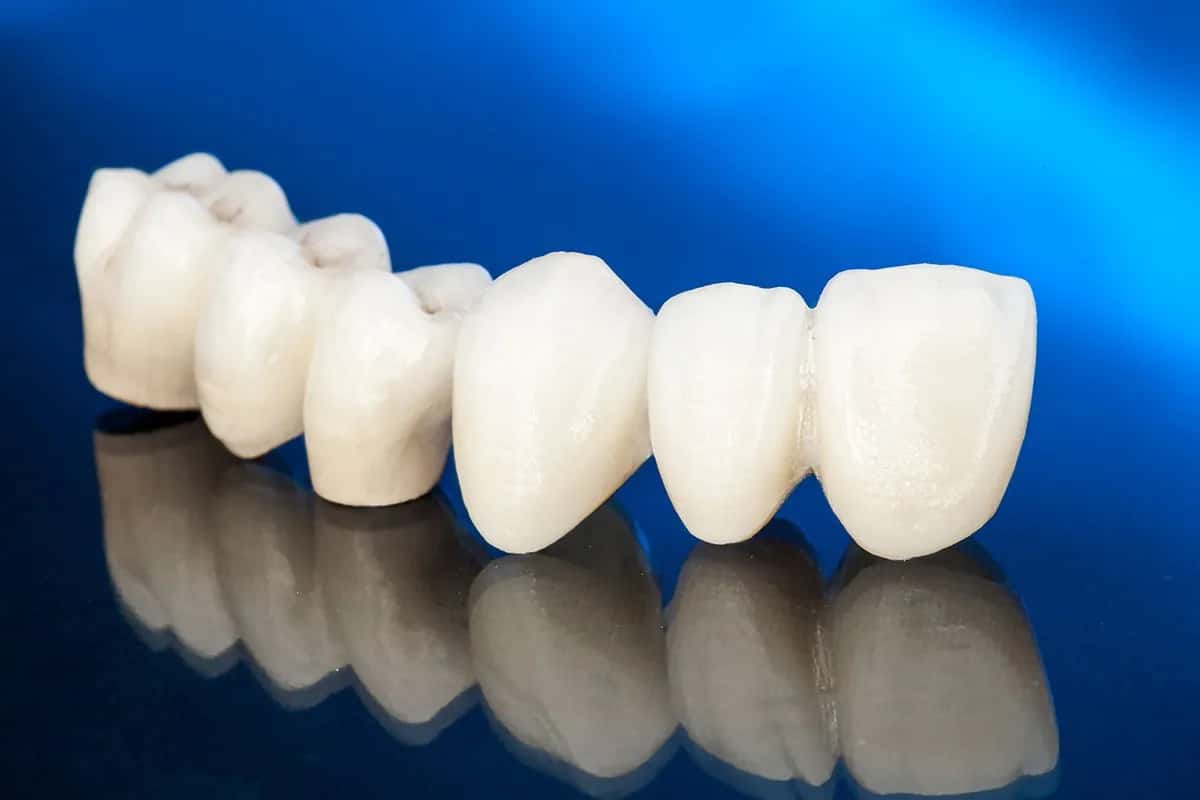
Zirconium crown costs around the world vary significantly, from approximately €180–€400 per tooth in Turkey to $1,000–$2,500 in the United States, based on published 2026 private-treatment prices.
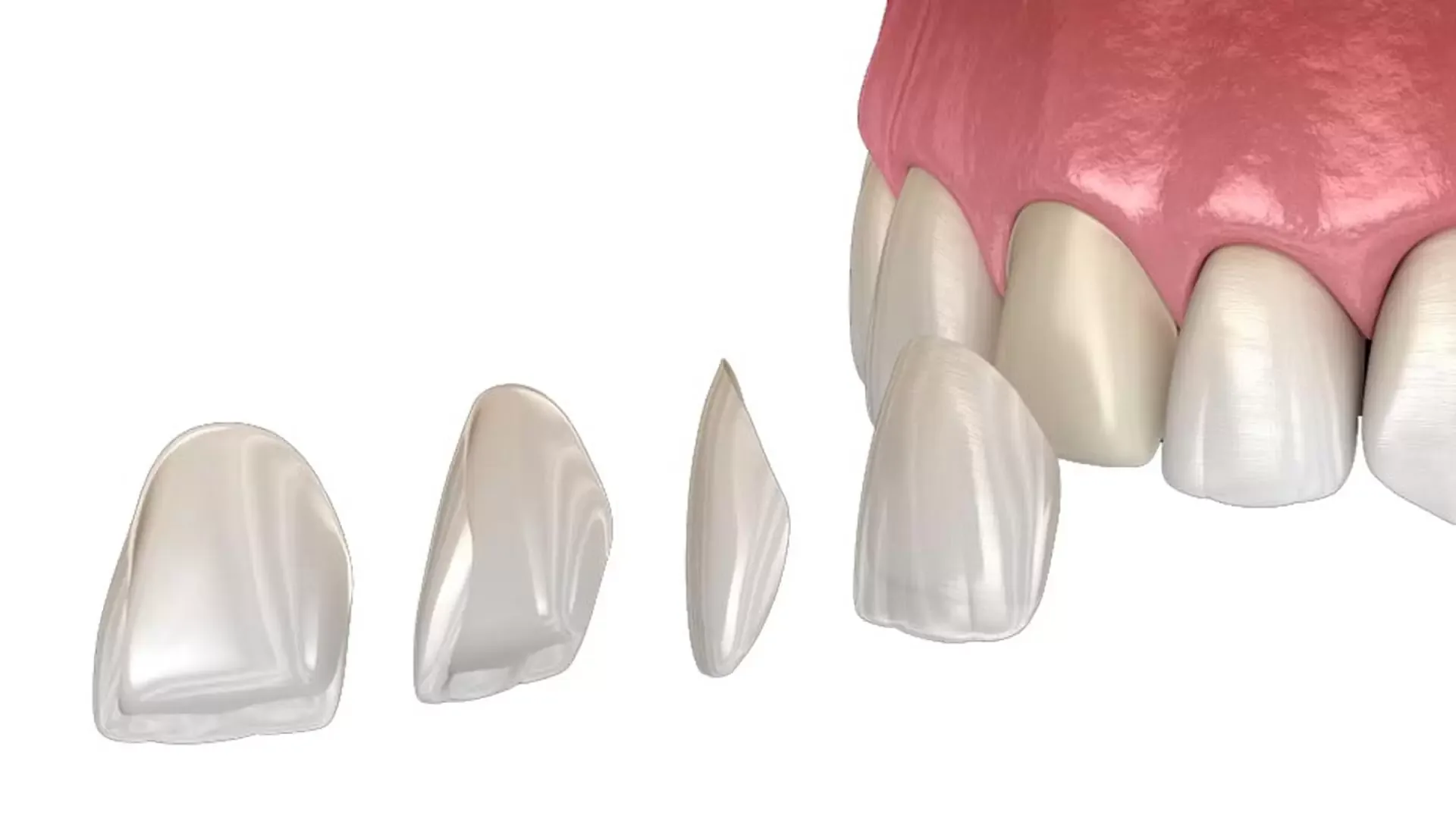
E-Max costs around the world differ significantly, with ceramic veneers and crowns available at lower published prices in countries such as Turkey, Mexico and Hungary than in the United States or United Kingdom.
Subscribe to the Medifinder newsletter and never miss our latest content.