










Celebrities Who Have Had Hair Transplants
Discover celebrities who have openly discussed hair transplants, what their experiences reveal about results, and why online before-and-after claims require caution.

- Last updated
- 668 reads
- 9 min read


Celebrity hair transplants attract attention because public figures spend much of their lives in front of high-resolution cameras. A receding hairline, thinning crown or sudden change in hairstyle can quickly become a subject of online discussion. Before-and-after photographs are compared, old interviews resurface, and observers try to determine which treatment a celebrity may have chosen.
The problem is that appearance alone does not prove that someone has undergone surgery. Hair fibres, medication, scalp micropigmentation, hair systems, changes in styling and even different lighting can dramatically alter how dense a person’s hair looks. For that reason, a responsible list of celebrities with hair transplants should focus on people who have publicly confirmed the procedure rather than repeating speculation as fact.
The following well-known figures have spoken openly about their experiences. Their stories also illustrate an important point: a hair transplant is not one standardised makeover. The reason for treatment, number of sessions, amount of donor hair and long-term outcome can differ considerably from one person to another.
Wayne Rooney
Wayne Rooney became one of the most widely discussed celebrity hair transplant cases when he publicly confirmed his procedure in 2011. He explained that he was losing his hair in his mid-twenties and was pleased with his decision to address it. His openness helped bring a procedure that had often been discussed quietly into mainstream conversation.
Rooney’s case is frequently used in before-and-after articles because his early hairline recession was already familiar to football supporters. Following treatment, greater coverage became visible around the front of his scalp.
His experience also highlights the importance of long-term planning. A transplant moves selected follicles into areas affected by hair loss, but it does not automatically stop untreated hair from continuing to thin. A younger patient may therefore need ongoing monitoring, medical management or another procedure later.
You should not assume that copying a famous footballer’s hairline will produce the same result. Donor density, hair thickness, colour contrast and the future pattern of hair loss all affect what a surgeon can achieve.
James Nesbitt
Actor James Nesbitt is among the most outspoken public supporters of hair restoration. He has discussed undergoing several procedures and has described the positive effect they had on his confidence. His own clinic testimonial states that he first underwent transplantation many years ago and later returned for additional treatment.
Nesbitt’s experience demonstrates why some people need more than one session. A single operation may improve the hairline or add density to a particular region, but further thinning can create new areas that require attention. Large restoration plans may also be divided into stages to protect the donor area and allow results to develop gradually.
His case is also useful when considering the emotional effects of hair loss. Not everyone is troubled by thinning hair, and no one needs surgery simply because baldness is visible. For some people, however, a changing appearance affects confidence, self-image or professional comfort. A good consultation should take these concerns seriously without turning insecurity into a sales opportunity.
Jimmy Carr
Comedian Jimmy Carr has spoken and joked publicly about having a hair transplant. His change became particularly noticeable around the frontal hairline, where the shape appeared fuller and more defined after treatment. He later referred to the procedure during television appearances in his characteristically humorous style.
Carr’s case shows why the design of the front hairline matters so much. The first few centimetres frame the face and attract more attention than most other parts of the scalp. A poorly designed line can appear too straight, too low or too dense for the person’s age.
Natural-looking work usually includes small irregularities and a gradual transition in density. The surgeon must also consider how the hairline is likely to look years later. A shape that seems youthful at one point may appear unusual if the surrounding native hair continues to recede.
Although online discussions often attempt to identify the exact technique or graft number used for celebrity procedures, those details should not be treated as confirmed unless the patient or medical team has disclosed them.
Joe Swash
Television presenter and actor Joe Swash initially kept his hair transplant private but later discussed it publicly. During a television interview, he explained that the decision was personal and connected partly to how he felt about his appearance while working on screen.
Swash’s experience is a reminder that cosmetic treatment can be accompanied by embarrassment, even among people whose careers place them in the public eye. Attitudes have changed considerably, but some patients still worry that choosing a hair transplant will be interpreted as vanity.
There is nothing unusual about wanting to alter an aspect of your appearance. The more important issue is whether the decision is informed, realistic and made without pressure. A reputable clinic should explain limitations just as clearly as potential benefits.
Public photographs of Swash also demonstrate how styling can influence the perceived outcome. Hair length, direction, colour and the use of grooming products may make transplanted and existing hair look denser than they would under direct clinical lighting.
Robbie Williams
Singer Robbie Williams publicly acknowledged undergoing a hair transplant in Los Angeles. He said that the procedure was not prompted by severe baldness at the time, illustrating that some people seek relatively small changes around the temples or frontal hairline rather than extensive coverage.
Years later, Williams spoke again about continuing hair thinning and the difficulty of finding another suitable surgical option. His later comments offer an especially valuable lesson: transplanted follicles are a limited resource, and surgery does not provide unlimited protection against future hair loss.
Donor hair usually comes from the back and sides of the scalp. Once follicles have been removed, that supply cannot be endlessly replaced. A responsible surgeon must therefore think beyond the immediate result and preserve enough donor capacity for possible future needs.
Williams’ experience also challenges the idea that every celebrity procedure creates permanent, uniform density. Hair loss may continue, medical treatment may not be suitable for everyone, and additional surgery may eventually become unwise because of donor limitations.
Jason Donovan
Singer and actor Jason Donovan openly confirmed that he had undergone a hair transplant after previously keeping the procedure private. He described it as a decision made for himself and expressed satisfaction with the outcome.
His story reflects a common pattern among public figures: the procedure may take place quietly, followed by confirmation only when changes become noticeable or the subject arises during an interview.
A natural result does not necessarily produce a dramatic transformation. In many cases, the goal is simply to strengthen the frontal area, reduce visible recession or create better framing around the face. Subtle changes can be more convincing than an aggressively lowered hairline.
When reviewing any celebrity hair transplant before-and-after comparison, you should look for consistent angles, lighting and hair length. Photographs taken years apart under completely different conditions cannot provide a reliable clinical assessment.
Landon Donovan
Former professional footballer Landon Donovan has also discussed undergoing hair transplant treatment. In 2024, his recovery became a social-media topic after he appeared on television soon after a procedure. He responded openly and humorously when the appearance of his partially shaved donor area attracted attention.
His experience offers a realistic look at the less polished side of recovery. Hair transplantation does not create immediate density. The donor area may be shaved, redness can remain visible and the scalp may look uneven during early healing.
Transplanted hair shafts often shed before new growth becomes noticeable. The cosmetic result develops over months rather than days, so returning to public-facing work shortly after surgery can draw unwanted attention.
Donovan later spoke about trying other approaches to hair loss, including a hair system. This is an important reminder that surgery is not the only option and does not always produce the outcome a person hopes to achieve.
Why Are Celebrity Hair Transplants So Widely Discussed?
Hair loss is extremely visible, yet many people experience it as a private concern. When a famous person discusses treatment, the subject becomes easier for others to talk about.
Celebrity cases also create curiosity because their appearances are documented over many years. Viewers can compare photographs from different stages of a career, although these comparisons are not always accurate.
Media coverage can help reduce embarrassment around hair restoration, but it can also create unrealistic expectations. Carefully selected images may make surgery appear instant, effortless and guaranteed. They rarely show temporary shedding, redness, limited donor supply or the possibility that further thinning will occur.
The result you see on a celebrity may also involve more than surgery. Hair-loss medication, styling, colouring, fibres, scalp treatments and professional lighting can all contribute to the final appearance.
Which Celebrities Are Only Rumoured to Have Had Hair Transplants?
Many famous actors, musicians, business figures and athletes appear on online lists despite never confirming treatment. A lower-looking hairline or fuller hairstyle is not enough to establish that surgery took place.
A person may have changed their haircut, used concealing fibres, started medical treatment or worn a hair system. Photographs can also distort the apparent height and density of a hairline.
For this reason, names based entirely on visual speculation should not be presented alongside confirmed cases as though the evidence were equal. Medical and cosmetic treatment remains personal information unless an individual chooses to disclose it.
You should apply the same caution when a clinic estimates a celebrity’s graft count or technique without having treated that person. Such figures are usually educated guesses, not verified medical details.
What Can You Learn from Celebrity Hair Transplant Results?
The most useful lesson is that hair restoration must be planned for the individual. A hairline that suits one public figure may not fit your facial proportions, age or expected pattern of hair loss.
A transplant also redistributes hair rather than creating an unlimited new supply. The donor region places a natural limit on coverage. Someone with dense, coarse donor hair may achieve a stronger visual result than a person with fine hair and low donor density, even when both receive a similar number of grafts.
Age matters as well. Very young patients may not yet have a stable hair-loss pattern. Creating a low hairline too early can use valuable grafts and leave an unnatural gap if the hair behind it continues to thin.
Celebrity stories also show that repeat procedures are not unusual. A second operation does not necessarily mean the first one failed. It may be planned to increase density, address a different area or respond to continued hair loss.
Are Celebrity Before-and-After Photos Reliable?
Before-and-after photographs can provide useful visual information when they are taken under controlled conditions. They become less reliable when the hairstyle, lighting, angle and image quality are different.
Wet hair usually appears thinner than dry hair. Harsh overhead lighting exposes more scalp, while soft frontal light creates the impression of density. Longer hair can cover thinning regions, and dark concealing fibres may hide visible scalp.
You should therefore avoid judging a clinic solely by celebrity photographs. Ask to see consistent patient results involving people with a hair-loss pattern and hair type similar to yours.
A proper consultation should include an examination of the donor area, assessment of miniaturisation and a discussion of how your hair loss may progress.
Should Celebrity Results Influence Your Clinic Choice?
A famous patient may bring attention to a clinic, but celebrity association does not guarantee that every patient will receive the same standard of care. Public figures may have different treatment plans, budgets and access to follow-up services.
Your decision should depend on who performs the surgery, how responsibilities are divided between the doctor and technicians, how the donor area is assessed and what support is available after treatment.
You should also learn what will happen if the proposed density cannot be achieved, growth is uneven or your hair loss continues. Honest long-term planning matters more than a recognisable name in an advertising campaign.
- Last updated
- Language
- English
How did you find this article?
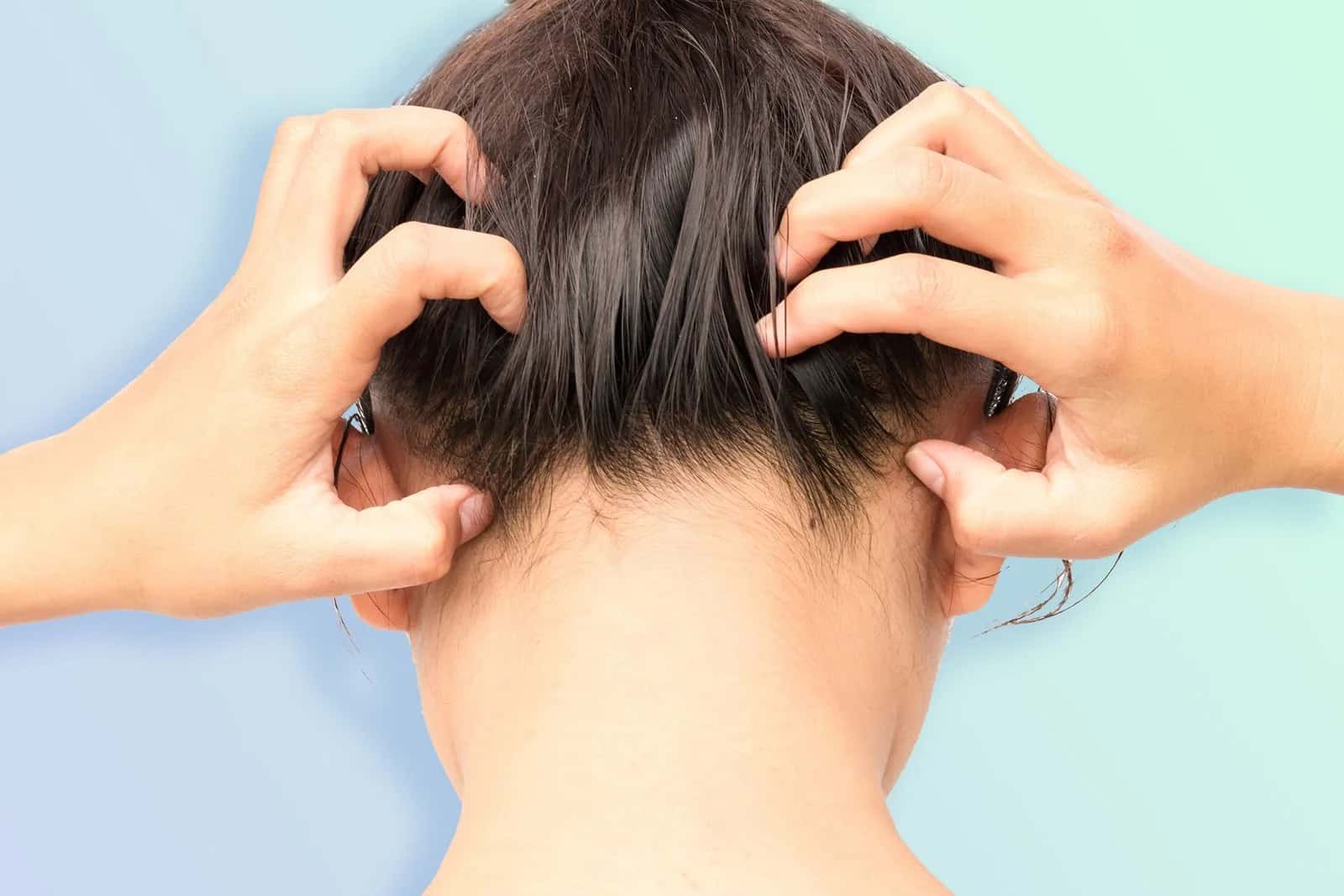
Air conditioning can dry out your scalp by reducing indoor humidity and affecting the skin's ability to maintain adequate moisture. Prolonged exposure to dry, cooled air may contribute to itching, flaking, tightness, and irritation, particularly when the scalp is already sensitive or prone to dryness.
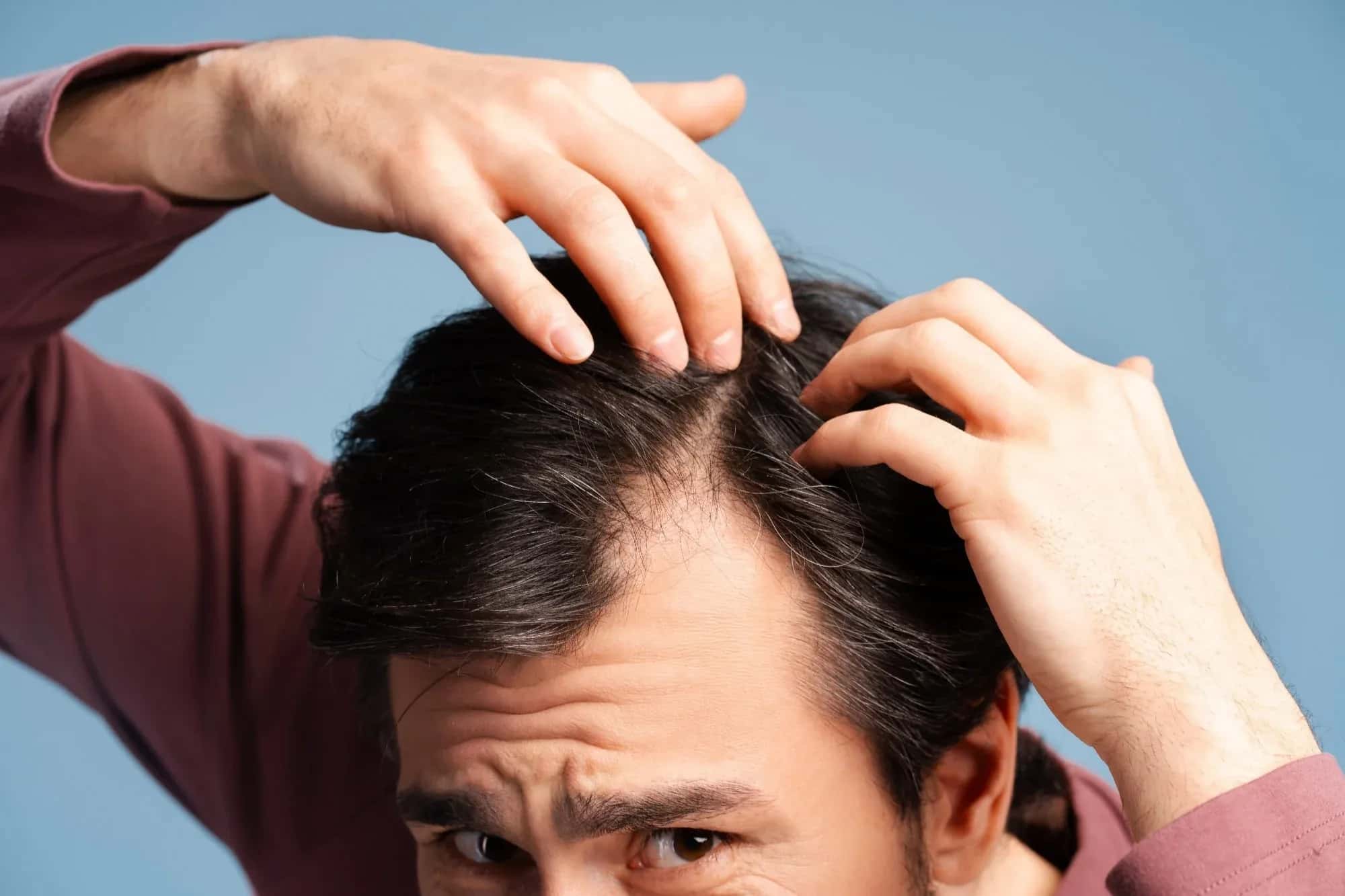
Certain dietary supplements can cause hair loss when taken in excessive amounts, particularly products containing high doses of vitamin A, selenium, or other concentrated nutrients. While supplements can help correct nutritional deficiencies that affect hair growth.

Spironolactone for female hair loss can help slow progressive thinning and improve hair density by reducing the effects of androgens on sensitive hair follicles. Although this prescription medication is not specifically approved for hair loss, clinical research supports its use in selected women.
Subscribe to the Medifinder newsletter and never miss our latest content.