










Can Seborrheic Dermatitis Cause Alopecia?
Seborrheic dermatitis can contribute to temporary hair loss, but it rarely causes permanent alopecia. Scalp inflammation, intense itching, and repeated scratching may loosen hairs or cause breakage.

- Last updated
- 148 reads
- 6 min read


Can Seborrheic Dermatitis Cause Alopecia?
Seborrheic dermatitis can cause temporary hair shedding, but it rarely causes permanent alopecia by itself.
Scalp inflammation and intense itching may weaken hairs or increase breakage through repeated scratching. Picking scales can damage hair follicles and may occasionally contribute to lasting hair loss. Treating seborrheic dermatitis with medicated shampoos can reduce scaling, irritation, and inflammation. Hair usually grows normally once the scalp condition improves and scratching stops. Patchy, sudden, or persistent alopecia may indicate another condition requiring medical evaluation.
What Is Seborrheic Dermatitis-Related Alopecia?
Seborrheic dermatitis-related alopecia is temporary hair loss linked to scalp inflammation, itching, scratching, or scale removal. This condition usually does not destroy hair follicles or cause permanent baldness. Persistent irritation can weaken hairs, increase shedding, and cause breakage around inflamed scalp areas.
Picking thick scales may damage follicles and occasionally increase the risk of lasting hair loss. Treating seborrheic dermatitis with medicated shampoos or prescribed treatments often supports normal hair regrowth. However, patchy, sudden, or continuing alopecia may indicate another scalp disorder. A dermatologist can confirm the diagnosis and recommend suitable treatment.
Can Seborrheic Dermatitis Cause Permanent Alopecia?
Seborrheic dermatitis rarely causes permanent alopecia, but severe scratching or scale picking may damage hair follicles. Most hair shedding linked to seborrheic dermatitis is temporary and improves after scalp inflammation is controlled. Medicated shampoos and prescribed treatments can reduce itching, flaking, redness, and further irritation.
Avoid scratching or removing scales aggressively, because repeated trauma may harm follicles and increase hair loss. Permanent bald patches may indicate another condition, including scarring alopecia or fungal infection.
How Seborrheic Dermatitis Affects the Scalp?
Seborrheic dermatitis is a common, recurring inflammatory skin condition that mainly develops in areas rich in oil-producing glands, including the scalp. It can cause flakes, greasy scales, redness, itching, and sensitivity. The condition is not contagious, does not result from poor hygiene, and usually does not cause permanent hair loss.
- Increases scalp flaking
Seborrheic dermatitis accelerates the shedding of skin cells. These cells collect into visible white or yellow flakes that may remain attached to the scalp, become trapped between the hairs, or fall onto the shoulders. Mild scalp seborrheic dermatitis may resemble ordinary dandruff, while more severe cases can produce thicker, stubborn scales or crusts.
- Creates greasy or oily scales
Unlike a simply dry scalp, seborrheic dermatitis often produces greasy-looking scales. The scalp may feel oily even when the flakes appear dry. Sebum, the natural oil produced by the skin, plays an important role because seborrheic dermatitis frequently affects areas with high concentrations of sebaceous glands. Washing more aggressively does not cure the condition and may increase irritation.
- Triggers an inflammatory reaction
The exact cause remains uncertain, but dermatologists believe scalp oil and a naturally occurring yeast called Malassezia contribute to the condition. Everyone has this yeast on their skin, but some people develop an inflammatory reaction to it. This response can produce redness, scaling, itching, and patches of irritated skin.
- Causes persistent itching
Itching may range from mild to intense and often becomes one of the most uncomfortable symptoms. Scratching can provide brief relief, but it may also increase redness and inflammation. Repeated scratching or picking can break the skin, create soreness, and raise the risk of infection. Keeping fingernails away from inflamed areas helps protect the scalp while treatment controls the underlying irritation.
- Makes the scalp more sensitive
An inflamed scalp may react more strongly to fragranced shampoos, hair dyes, sprays, gels, alcohol-containing products, heat, and vigorous brushing. Products that previously caused no problem may begin to sting or worsen redness during a flare. Gentle washing with lukewarm water and limiting irritating styling products can help reduce discomfort.
- Affects the hairline and nearby skin
Seborrheic dermatitis may not remain limited to the hair-bearing scalp. It can spread around the hairline, behind or inside the ears, across the eyebrows, along the sides of the nose, or into the beard area. Depending on skin tone, the rash may appear red, darker, lighter, or differently colored than the surrounding skin.
- May contribute to hair breakage or temporary shedding
Seborrheic dermatitis does not usually destroy hair follicles or cause permanent baldness. However, forceful scratching, picking at scales, and harsh cleansing can break hairs or pull out strands that were already ready to shed. Hair generally grows normally once inflammation and damaging scalp habits improve. Sudden, patchy, or continuing hair loss may indicate another condition and requires medical evaluation.
- Produces recurring flare-ups
Seborrheic dermatitis commonly follows a chronic or relapsing pattern. Symptoms may improve for weeks or months and then return. Stress and cold, dry weather can make flaking and irritation more noticeable in some people. Because the condition often returns, scalp care may need to continue even after the visible rash has cleared.
- Requires consistent scalp management
Medicated dandruff shampoos can control mild to moderate scalp seborrheic dermatitis. Common treatments may contain antifungal, scale-removing, or anti-inflammatory ingredients. The shampoo should reach the scalp rather than only coating the hair, and it often needs to remain in place briefly before rinsing. A dermatologist may adjust the product and washing frequency according to hair texture, styling practices, and symptom severity.
What Type of Hair Loss Is Linked to Seborrheic Dermatitis?
Seborrheic dermatitis is linked mainly to temporary, non-scarring hair shedding rather than permanent hair loss. Scalp inflammation can loosen hairs, while itching and scratching may increase breakage or shedding. Thick scales can also trap loose hairs, making hair loss appear more severe.
The condition usually does not damage hair follicles permanently. Hair should regrow after inflammation improves, provided another hair-loss disorder is not present. Patchy loss, scarring, or continued thinning may suggest alopecia areata, psoriasis, tinea capitis, or pattern hair loss. A dermatologist can identify the actual cause through scalp examination.
Can Treating Seborrheic Dermatitis Help Hair Grow Back?
Yes, treating seborrheic dermatitis can support hair regrowth when inflammation, scaling, or scratching caused the shedding. Medicated shampoos and prescribed treatments reduce yeast, flakes, itching, and scalp inflammation. As the scalp heals, temporary shedding often decreases and normal growth may gradually resume. Visible improvement takes time because hair grows slowly.
Treatment will not reverse hair loss caused by genetics, hormones, nutritional deficiencies, or scarring disorders. Persistent thinning therefore needs a separate medical evaluation. Seek dermatology care when hair loss is patchy, painful, rapidly worsening, or unchanged after controlling scalp symptoms.
How to Treat Seborrheic Dermatitis and Hair Loss?
The best approach combines medicated shampoo, gentle scalp care, and prescribed anti-inflammatory treatment when needed.
Use an anti-dandruff shampoo containing ketoconazole, selenium sulfide, zinc pyrithione, or another recommended active ingredient. Massage it onto the scalp and leave it for the label’s recommended time. Rinse thoroughly, and avoid scratching or forcefully removing scales. A dermatologist may prescribe a short course of topical corticosteroid or another treatment for severe inflammation. Use gentle hairstyles and limit irritating dyes, heat, or fragranced products during flares. Hair-loss treatments should begin only after confirming another cause. Seek care for pus, pain, scarring, or worsening hair loss.
What Shampoo Is Best for Seborrheic Dermatitis and Hair Loss?
There is no single best shampoo, but ketoconazole shampoo is a common first choice for seborrheic dermatitis.
It reduces Malassezia yeast, which contributes to inflammation and flaking. Other useful ingredients include selenium sulfide, zinc pyrithione, salicylic acid, sulfur, and coal tar. Salicylic acid mainly loosens thick scale, while antifungal ingredients target yeast. Different shampoos work differently, so rotating active ingredients may help stubborn symptoms. Follow the label and allow enough scalp-contact time before rinsing. Choose a gentle regular shampoo between medicated washes. Ask a dermatologist about persistent shedding, irritation, or treatment-resistant scaling.
- Last updated
- Language
- English
How did you find this article?
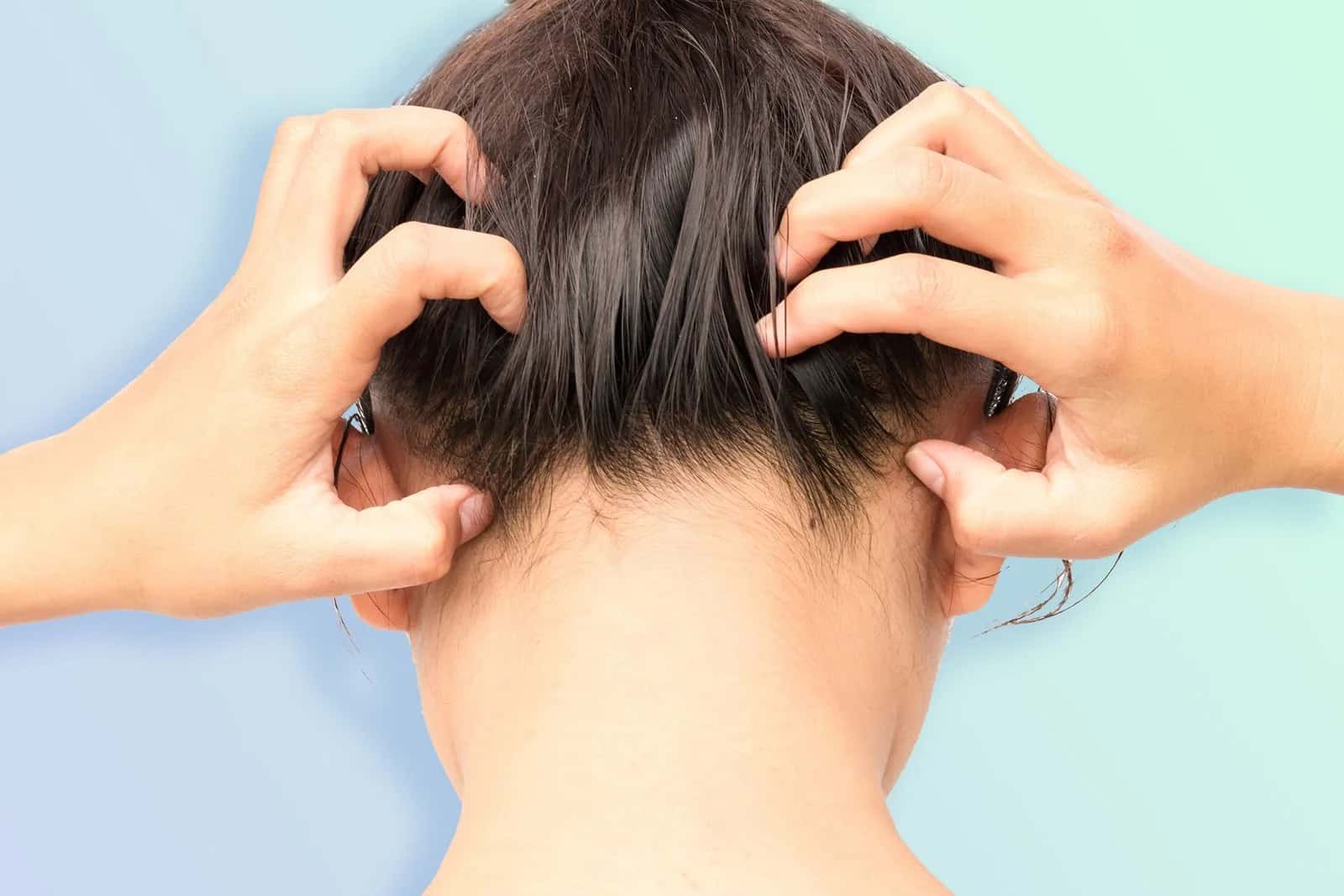
Air conditioning can dry out your scalp by reducing indoor humidity and affecting the skin's ability to maintain adequate moisture. Prolonged exposure to dry, cooled air may contribute to itching, flaking, tightness, and irritation, particularly when the scalp is already sensitive or prone to dryness.
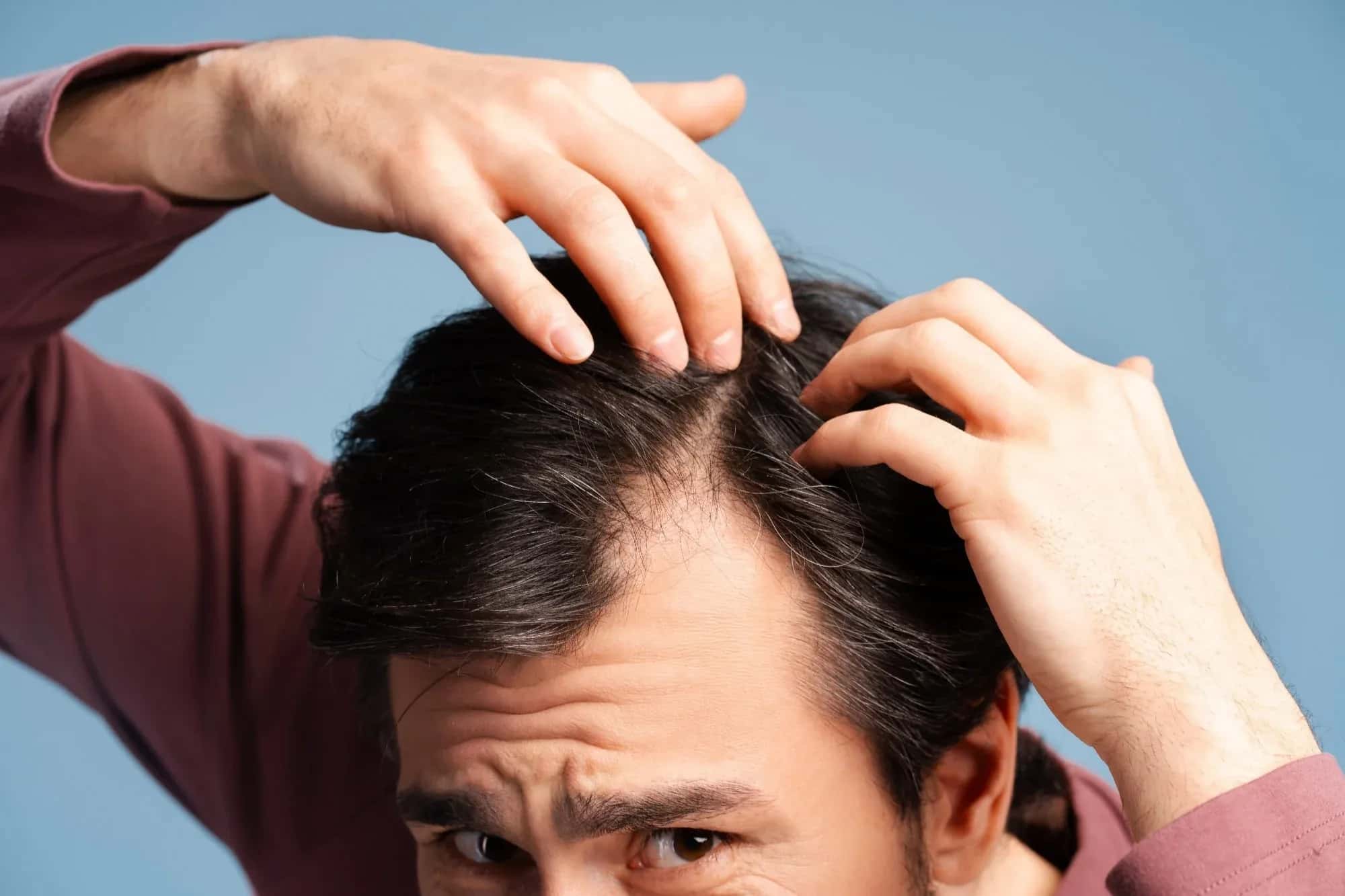
Certain dietary supplements can cause hair loss when taken in excessive amounts, particularly products containing high doses of vitamin A, selenium, or other concentrated nutrients. While supplements can help correct nutritional deficiencies that affect hair growth.
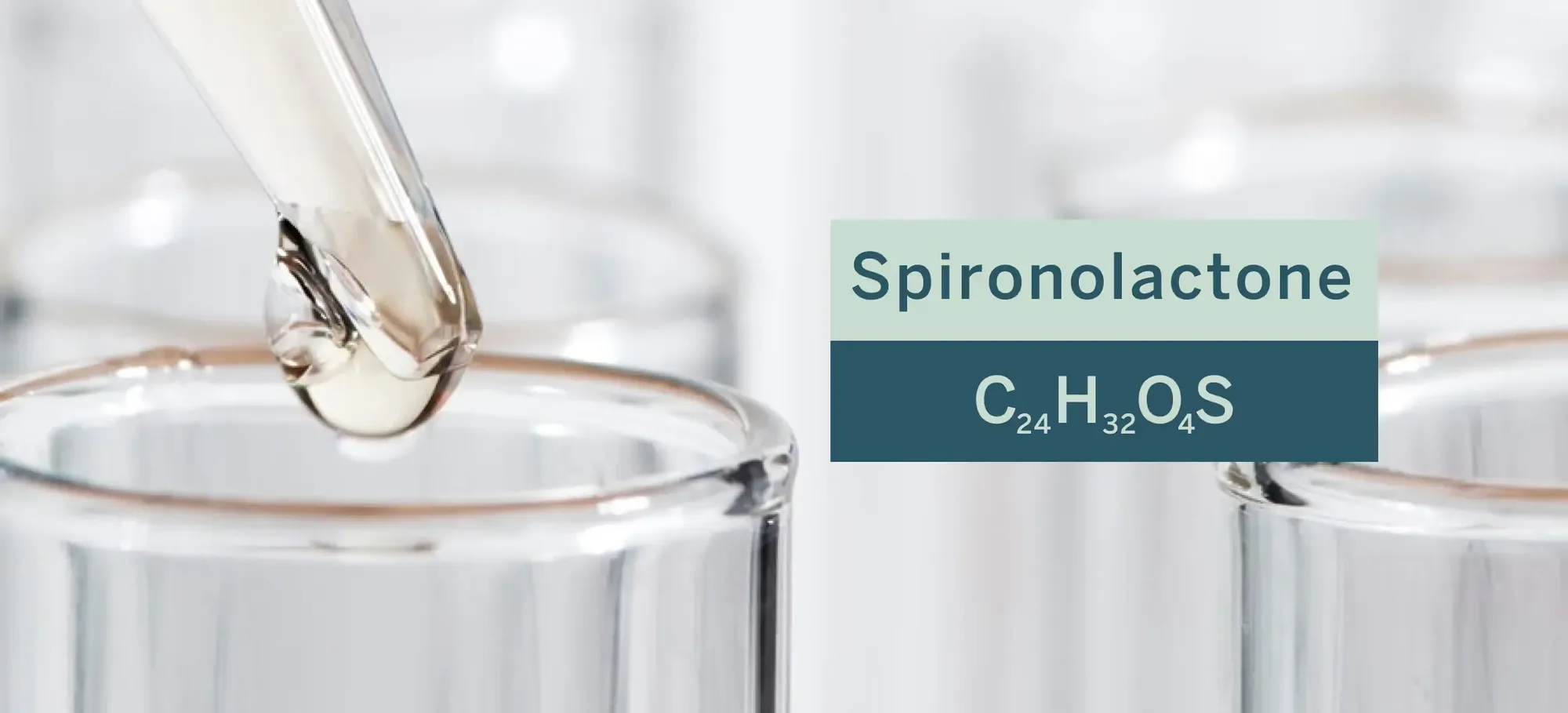
Spironolactone for female hair loss can help slow progressive thinning and improve hair density by reducing the effects of androgens on sensitive hair follicles. Although this prescription medication is not specifically approved for hair loss, clinical research supports its use in selected women.
Subscribe to the Medifinder newsletter and never miss our latest content.