










Can Dandruff Cause Alopecia?
Dandruff does not usually cause alopecia, but severe scalp inflammation may contribute to temporary hair shedding.

- Last updated
- 98 reads
- 5 min read


Can Dandruff Cause Alopecia?
Dandruff does not usually cause alopecia, but severe itching and scratching may contribute to temporary hair shedding.
Dandruff commonly causes scalp flaking and itching rather than permanent damage to hair follicles. However, repeated scratching can inflame the scalp, break hairs, and increase short-term shedding. Conditions resembling dandruff, including scalp psoriasis or fungal infections, may also cause patchy hair loss. Treating flakes with an appropriate anti-dandruff shampoo often reduces irritation and helps protect the scalp. See a dermatologist if hair loss is sudden, patchy, painful, or continues after dandruff improves.
Can Dandruff Cause Hair Loss?
Dandruff can contribute to temporary hair loss, mainly when itching causes repeated scratching and scalp inflammation. Dandruff itself usually does not damage hair follicles or cause permanent baldness. However, vigorous scratching can break hair strands and increase short-term shedding.
Treating dandruff with a suitable medicated shampoo may reduce flakes, itching, and irritation. Persistent or patchy hair loss may indicate psoriasis, ringworm, alopecia, or another scalp condition.
Can Severe Dandruff Lead to Alopecia?
Severe dandruff rarely causes alopecia directly, but persistent inflammation and scratching can trigger temporary hair shedding. Dandruff usually affects the scalp surface without permanently damaging hair follicles. However, intense itching may cause hair breakage or increased shedding from repeated scratching. Conditions mistaken for dandruff, including scalp psoriasis or ringworm, can cause noticeable or patchy hair loss.
Does Dandruff Cause Permanent Hair Loss?
Dandruff does not usually cause permanent hair loss, although severe scratching can lead to temporary shedding or hair breakage.
Dandruff affects the scalp surface and generally does not destroy healthy hair follicles. Persistent itching may encourage scratching, which can inflame the scalp and weaken nearby hairs. Treating dandruff with an appropriate anti-dandruff shampoo often reduces flakes, irritation, and further shedding. Conditions resembling dandruff, including scalp psoriasis or ringworm, may cause more noticeable hair loss.
How Dandruff Affects the Scalp and Hair Follicles
Dandruff is a common scalp condition that causes visible flakes, itching, and irritation. It mainly affects the surface of the scalp rather than the deeper structures responsible for hair growth. Although ordinary dandruff rarely causes permanent damage to hair follicles, persistent inflammation and repeated scratching can negatively affect scalp comfort, hair strength, and normal shedding.
- Increased skin-cell shedding
The scalp naturally renews itself by producing new skin cells and shedding old ones. With dandruff, this process occurs more quickly than usual. Dead skin cells collect together and become visible as white or yellow flakes on the hair, scalp, and clothing. The flakes may be dry and loose or oily and attached to the scalp.
- Changes in scalp oil
Dandruff can occur on both dry and oily scalps. Excess sebum may create an environment in which Malassezia, a yeast naturally found on the skin, grows more actively. Some people are particularly sensitive to this yeast and its by-products. This sensitivity may trigger irritation, faster skin-cell turnover, and increased flaking.
- Scalp inflammation and redness
Mild dandruff may cause only occasional flakes, while more severe cases can lead to noticeable redness and inflammation. Dandruff is often associated with seborrheic dermatitis, which can produce greasy scales, persistent itching, and irritated patches. Ongoing inflammation may make the scalp feel sore, tight, or sensitive to hair products.
- Weakening of the scalp barrier
The scalp has a natural protective barrier that helps retain moisture and defend against irritants. Dandruff can weaken this barrier, increasing water loss and sensitivity. As a result, shampoos, styling products, heat, sweat, and environmental conditions may irritate the scalp more easily. Harsh cleansing or excessive washing can make this problem worse.
- Itching and repeated scratching
Itching is one of the most disruptive effects of dandruff. Scratching may provide temporary relief, but frequent or aggressive scratching can damage the scalp’s surface. Fingernails can create small cuts, increase inflammation, and introduce bacteria into irritated skin. Scratching may also pull out loose hairs or break strands near the roots.
- Hair breakage and temporary shedding
Dandruff does not usually attack the hair shaft directly. However, rubbing, scratching, and aggressive scale removal can weaken the hair and cause breakage. Inflammation may also contribute to temporary shedding in some people. This type of hair loss is generally not permanent, and normal growth often resumes after the scalp condition is controlled.
- Effects on hair follicles
Hair follicles sit below the scalp’s surface and produce new hair. Mild dandruff generally does not destroy or permanently block these follicles. Flakes, oil, and product residue may accumulate around follicle openings, but this buildup is not the same as permanent follicular damage. Regular and gentle cleansing can help remove debris without harming the scalp.
More severe inflammation may disturb the environment surrounding the follicles. When the scalp remains irritated for a long period, hair may appear thinner or less healthy. However, significant follicle damage is more commonly associated with conditions such as severe infections, scarring alopecia, psoriasis, or untreated inflammatory scalp disorders rather than ordinary dandruff.
- Impact on hair appearance and texture
Dandruff can make hair look dull, oily, dry, or unclean even when it has been washed recently. Frequent use of strong shampoos may also strip natural oils from the hair, leaving it rough or brittle. People may then wash or brush their hair more aggressively, increasing breakage and scalp irritation.
- Managing dandruff to protect the scalp
Consistent scalp care can reduce flaking and protect the hair follicles from unnecessary irritation. The scalp should be washed regularly with lukewarm water and a suitable anti-dandruff shampoo. Common active ingredients include ketoconazole, selenium sulfide, salicylic acid, coal tar, and zinc-based compounds. The shampoo should be applied directly to the scalp and used according to the product instructions.
Scraping flakes with fingernails, using very hot water, or applying harsh oils and chemicals should be avoided. Styling-product buildup should also be removed regularly. Stress management, balanced nutrition, and gentle hair-care practices may help reduce flare-ups.
Dandruff mainly affects the scalp by increasing skin-cell shedding, inflammation, oil imbalance, and itching. It rarely causes permanent hair-follicle damage, but uncontrolled symptoms can lead to scalp injury, temporary shedding, and hair breakage. Persistent dandruff accompanied by pain, crusting, discharge, bald patches, or rapid hair loss should be evaluated by a dermatologist.
Can Treating Dandruff Help Hair Grow Back?
Treating dandruff can help hair grow back when shedding results from scalp inflammation, itching, or repeated scratching. Effective dandruff treatment reduces flakes, irritation, and scratching, allowing damaged hairs to recover and normal growth to resume. However, dandruff usually does not damage hair follicles or cause permanent baldness.
Anti-dandruff shampoos containing ketoconazole, selenium sulfide, or zinc pyrithione may improve scalp health when used correctly. Hair regrowth may take several weeks or months, depending on the shedding cause and hair cycle. See a dermatologist if hair loss is patchy, severe, painful, or continues after dandruff improves.
Can Dandruff Cause Bald Spots?
Dandruff does not usually cause bald spots, but severe scratching may trigger temporary breakage or localized hair shedding.
True bald patches often suggest another scalp condition, such as ringworm, psoriasis, or alopecia areata. Dandruff usually causes flakes and itching without permanently damaging healthy hair follicles. However, repeated scratching can inflame the scalp and weaken nearby hairs. Using an appropriate anti-dandruff shampoo may reduce irritation and prevent further shedding.
- Last updated
- Language
- English
How did you find this article?
Air conditioning can dry out your scalp by reducing indoor humidity and affecting the skin's ability to maintain adequate moisture. Prolonged exposure to dry, cooled air may contribute to itching, flaking, tightness, and irritation, particularly when the scalp is already sensitive or prone to dryness.
Certain dietary supplements can cause hair loss when taken in excessive amounts, particularly products containing high doses of vitamin A, selenium, or other concentrated nutrients. While supplements can help correct nutritional deficiencies that affect hair growth.
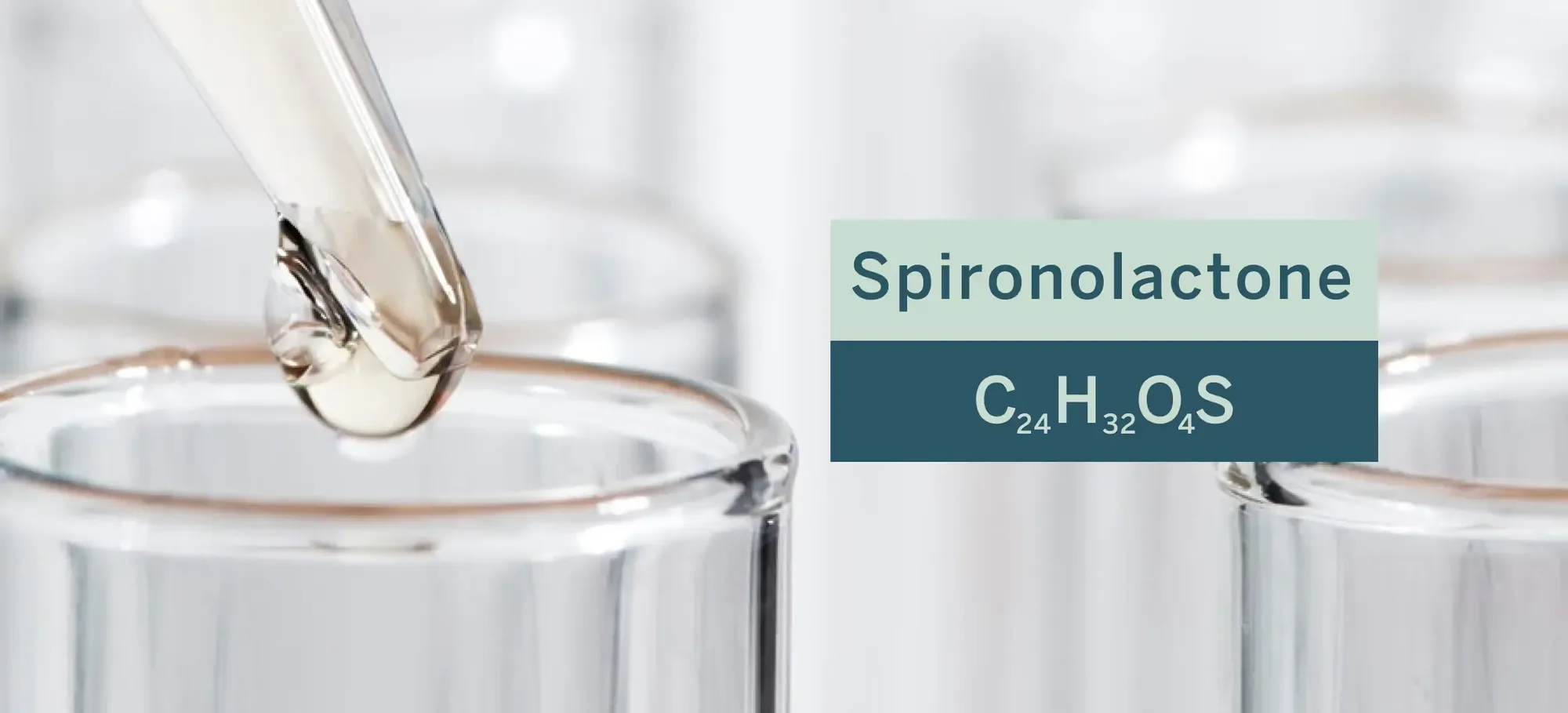
Spironolactone for female hair loss can help slow progressive thinning and improve hair density by reducing the effects of androgens on sensitive hair follicles. Although this prescription medication is not specifically approved for hair loss, clinical research supports its use in selected women.
Subscribe to the Medifinder newsletter and never miss our latest content.