










Buspirone (Buspar) Hair Loss
Buspirone (Buspar) can cause hair loss, but it is a rare side effect. While hair loss is not commonly reported in clinical studies, some people have experienced increased hair shedding after starting the medication.

- Last updated
- 210 reads
- 7 min read
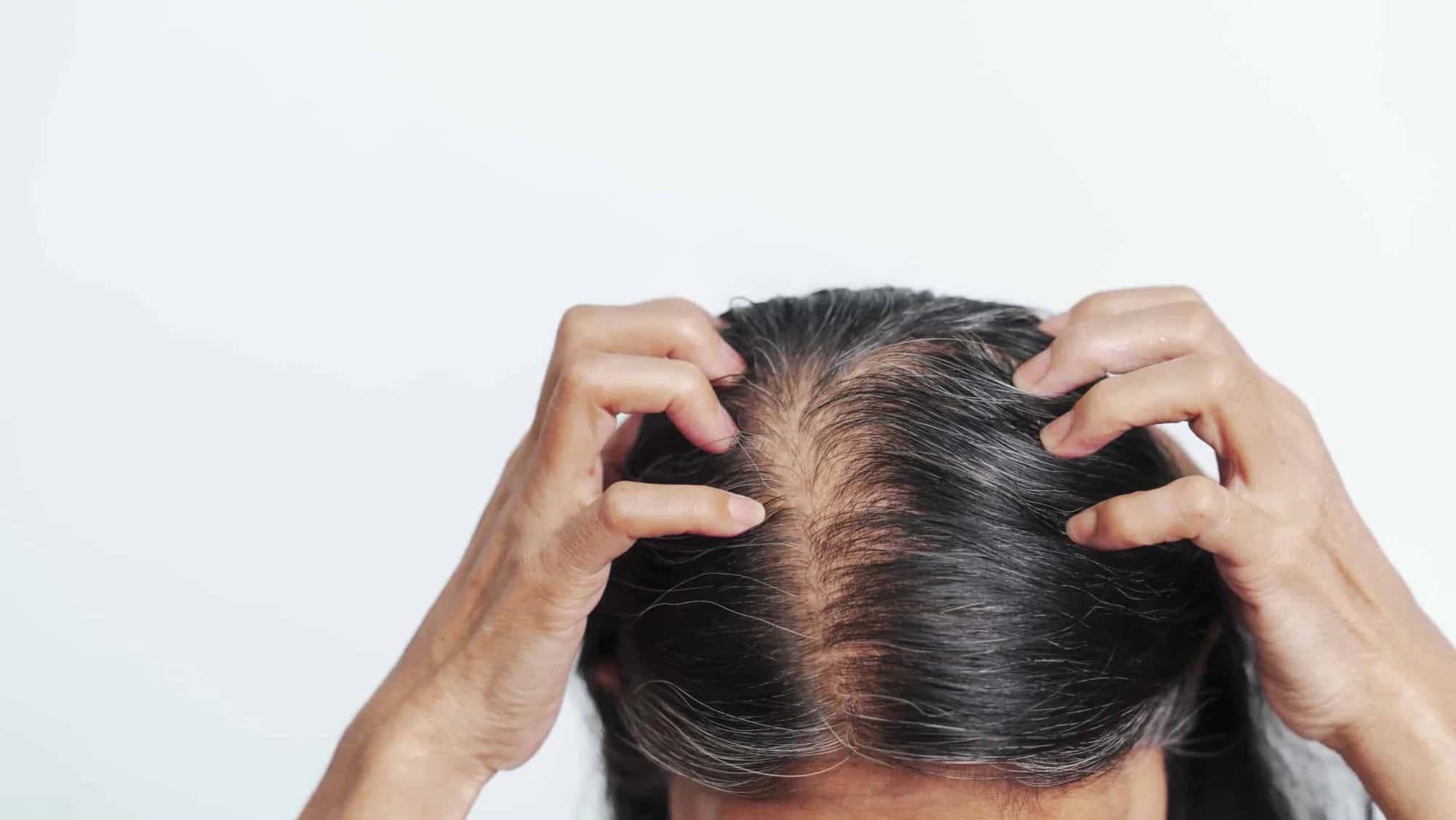


Can buspirone cause hair loss?
Buspirone can cause hair loss, although this reaction appears uncommon. Official prescribing information lists hair loss among infrequent skin reactions. The label defines infrequent events as affecting between one in 100 and one in 1,000 patients. However, these reports do not prove buspirone caused every case. Stress, illness, thyroid problems, nutrition, genetics, and other medicines can produce similar shedding. Therefore, your prescriber should review the complete clinical picture. Do not stop or reduce buspirone without professional guidance. This approach protects your anxiety treatment while the hair loss is investigated.
How common is hair loss with buspirone?
Hair loss with buspirone appears infrequent, but an exact individual risk cannot be predicted.
Premarketing safety information places hair loss within a category reported by one to ten patients per 1,000. These figures came from varied clinical settings and treatment durations. Some studies lacked controls suitable for confirming direct causation. Therefore, the listed frequency describes reported events rather than proven medication reactions. Hair loss also does not appear among the commonly highlighted buspirone side effects. Most patients will not necessarily experience noticeable shedding. However, new thinning still deserves documentation and discussion with your prescriber.
What does buspirone-related hair loss look like?
Buspirone-related hair loss may appear as diffuse shedding across the scalp rather than one isolated bald patch.
You may notice additional hair during washing, brushing, or styling. Overall density can decrease while the original hairline remains visible. However, available evidence does not establish one specific pattern for every patient. Patchy loss may suggest alopecia areata, infection, or another scalp condition. Redness, scaling, pain, and broken hairs also require separate assessment. Photographs taken under consistent lighting can document gradual changes. Your clinician can compare the visible pattern with your medication history and recent health events.
When can hair loss begin after starting buspirone?
Hair loss may begin weeks or months after starting buspirone, but no reliable onset period has been established.
Hair follicles respond slowly to internal changes. Therefore, visible shedding can appear after the original trigger occurred. A recent dosage increase may seem relevant, although timing alone cannot prove causation. Illness, major stress, weight changes, and dietary restrictions can produce similar delayed shedding. Record when buspirone started and when each dosage change occurred. Also note the first date when shedding became unusual. This timeline helps your prescriber compare possible causes more accurately.
Why might buspirone cause hair loss?
The exact reason buspirone might cause hair loss remains uncertain.
Medication-related shedding can sometimes disrupt the normal hair-growth cycle. More follicles may enter a resting phase before becoming loose several weeks later. However, researchers have not confirmed this mechanism specifically for buspirone. Anxiety, emotional stress, illness, nutrition, and combined medicines may contribute simultaneously. Therefore, one explanation may not fit every reported case. A published case described regrowth after buspirone discontinuation, suggesting a possible association. Nevertheless, one case cannot determine how the reaction develops across all patients.
How can you tell whether buspirone caused hair loss?
Buspirone becomes more suspicious when shedding follows treatment changes and no stronger alternative explanation appears.
Your clinician will compare the timeline with starting, increasing, or restarting buspirone. They will also review recent illnesses, stress, diet, hormonal changes, and other medicines. A scalp examination can identify inflammation, infection, patterned thinning, or scarring. These findings may point away from a medication reaction. Improvement after a supervised treatment change can support the suspected connection. However, it still cannot prove buspirone caused the problem. The conclusion usually depends on several clinical findings considered together.
Should you stop buspirone because of hair loss?
You should not stop buspirone because of hair loss without consulting your prescriber.
Your clinician should first evaluate the severity, pattern, and possible alternative causes. They may recommend continued observation when shedding remains mild. More significant thinning may justify discussing a dosage change or another treatment. The decision must balance hair concerns against the benefits buspirone provides. Stopping independently can allow anxiety symptoms to return or worsen. Follow the personalised instructions given by your healthcare professional. Keep taking the medicine exactly as prescribed until you receive specific medical advice.
Does hair grow back after buspirone-related shedding?
Hair may grow back after suspected buspirone-related shedding, but recovery cannot be guaranteed for every patient.
A published case report described hair regrowth after the medicine was discontinued. However, individual recovery depends on the actual cause and follicle health. Diffuse medication-related shedding may improve when the trigger is successfully addressed. New growth follows a slow biological cycle, so density rarely returns immediately. Reduced daily shedding may become noticeable before new hairs appear. Continued thinning could indicate genetics, thyroid disease, nutritional deficiency, or another condition. Your clinician should reassess the diagnosis when recovery remains limited.
How long can recovery from buspirone hair loss take?
Recovery from buspirone-related hair loss may require several months after the suspected trigger is addressed.
Hair follicles need time to leave their resting phase and begin active growth. Early improvement may involve less hair falling during washing. Short new hairs can become visible later, especially around the hairline. Density usually changes more slowly than daily shedding. Consistent photographs can provide clearer comparisons than frequent mirror checks. Recovery also depends on nutrition, age, genetics, stress, and medical conditions. Persistent shedding should prompt another clinical review. A different or continuing cause may still require treatment.
Can reducing the buspirone dose stop hair loss?
Reducing the buspirone dose might help some patients, but evidence supporting this approach remains limited.
A lower dose does not guarantee that shedding will stop. It may also provide insufficient control of anxiety symptoms. Your prescriber must review your treatment response, current dosage, and other medications. Continued observation may be appropriate when hair loss remains mild. Another anxiety treatment could be considered when shedding becomes unacceptable. However, that decision requires an individual benefit-risk assessment. Never reduce the dosage independently to test the connection. A supervised change also makes subsequent improvement easier to evaluate accurately.
What tests may help investigate hair loss while taking buspirone?
Targeted tests may help identify another cause of hair loss while you are taking buspirone.
Your clinician may consider thyroid function, iron status, or selected nutritional markers. The appropriate tests depend on your symptoms, diet, medical history, and examination. Recent illness, surgery, weight loss, or severe stress should also be reviewed. A scalp examination may reveal patterned, inflammatory, infectious, or scarring hair loss. These conditions require different management from suspected medication shedding. Testing should remain personalised rather than automatic. The results can clarify whether buspirone remains the most likely explanation.
Can hair loss be managed while continuing buspirone?
Mild hair loss may be managed while continuing buspirone when your prescriber considers treatment benefits greater.
Begin by documenting shedding and visible density changes. Use gentle shampooing and avoid tight hairstyles that pull the roots. Limit bleaching, harsh chemicals, and repeated high-temperature styling. Balanced nutrition supports normal growth, although supplements are not automatic solutions. Do not begin minoxidil or another hair treatment without discussing suitability. Regular reviews can show whether shedding stabilises despite continued buspirone use. Worsening loss or visible scalp changes should prompt another assessment. Medical supervision keeps both anxiety treatment and hair health under review.
Can other medications cause hair loss with buspirone?
Other medications can contribute to hair loss while you are taking buspirone.
A complete medication review should include prescriptions, supplements, hormones, and recently discontinued treatments. Some medicines can trigger diffuse shedding after several weeks or months. Combination therapy makes one specific cause harder to identify. Recent additions and dosage adjustments deserve particular attention. Never stop several treatments simultaneously to investigate hair loss. That approach can create safety risks and confuse the assessment. Your prescriber can examine each medicine’s timing and known reactions. A structured review helps identify the most plausible trigger without disrupting necessary treatment.
Is Buspar different from generic buspirone for hair loss?
Buspar and generic buspirone contain the same active medicine, so hair-loss concerns relate primarily to buspirone itself.
Inactive ingredients can vary between manufacturers, but they are not established causes of typical diffuse shedding. The original Buspar branded product is no longer marketed in the United States. Generic alternatives remain available. Changing manufacturers does not guarantee that hair loss will improve. However, unusual itching, rash, or swelling after a switch may suggest sensitivity requiring assessment. Tell your pharmacist and prescriber about the exact product used. They can review its ingredients and decide whether another formulation is appropriate.
Can buspirone cause permanent hair loss?
Buspirone is not established as a common cause of permanent hair loss.
The limited available evidence includes a case where regrowth followed medication discontinuation. However, this does not guarantee reversibility in every situation. Permanent loss may instead reflect genetic thinning, scarring alopecia, infection, or another untreated condition. Smooth patches, visible scarring, or disappearing follicle openings require specialist assessment. Early diagnosis matters because some inflammatory conditions can permanently damage follicles. Do not assume prolonged thinning is entirely medication-related. A dermatologist can evaluate the scalp and estimate whether follicles remain capable of regrowth.
When does hair loss with buspirone require urgent attention?
Hair loss requires urgent attention when it appears with severe rash, facial swelling, breathing problems, or systemic symptoms.
Buspirone can rarely cause serious allergic reactions or serotonin-related complications. Warning signs include hives, throat swelling, confusion, fever, severe stiffness, or an irregular heartbeat. These symptoms are more urgent than shedding alone. Contact a healthcare professional immediately when they occur. Emergency care may be necessary for breathing difficulty, seizures, or rapidly worsening swelling. Ordinary diffuse hair loss usually allows a routine appointment. However, painful, infected, or rapidly changing scalp areas also need prompt medical assessment.
- Last updated
- Language
- English
How did you find this article?
Air conditioning can dry out your scalp by reducing indoor humidity and affecting the skin's ability to maintain adequate moisture. Prolonged exposure to dry, cooled air may contribute to itching, flaking, tightness, and irritation, particularly when the scalp is already sensitive or prone to dryness.
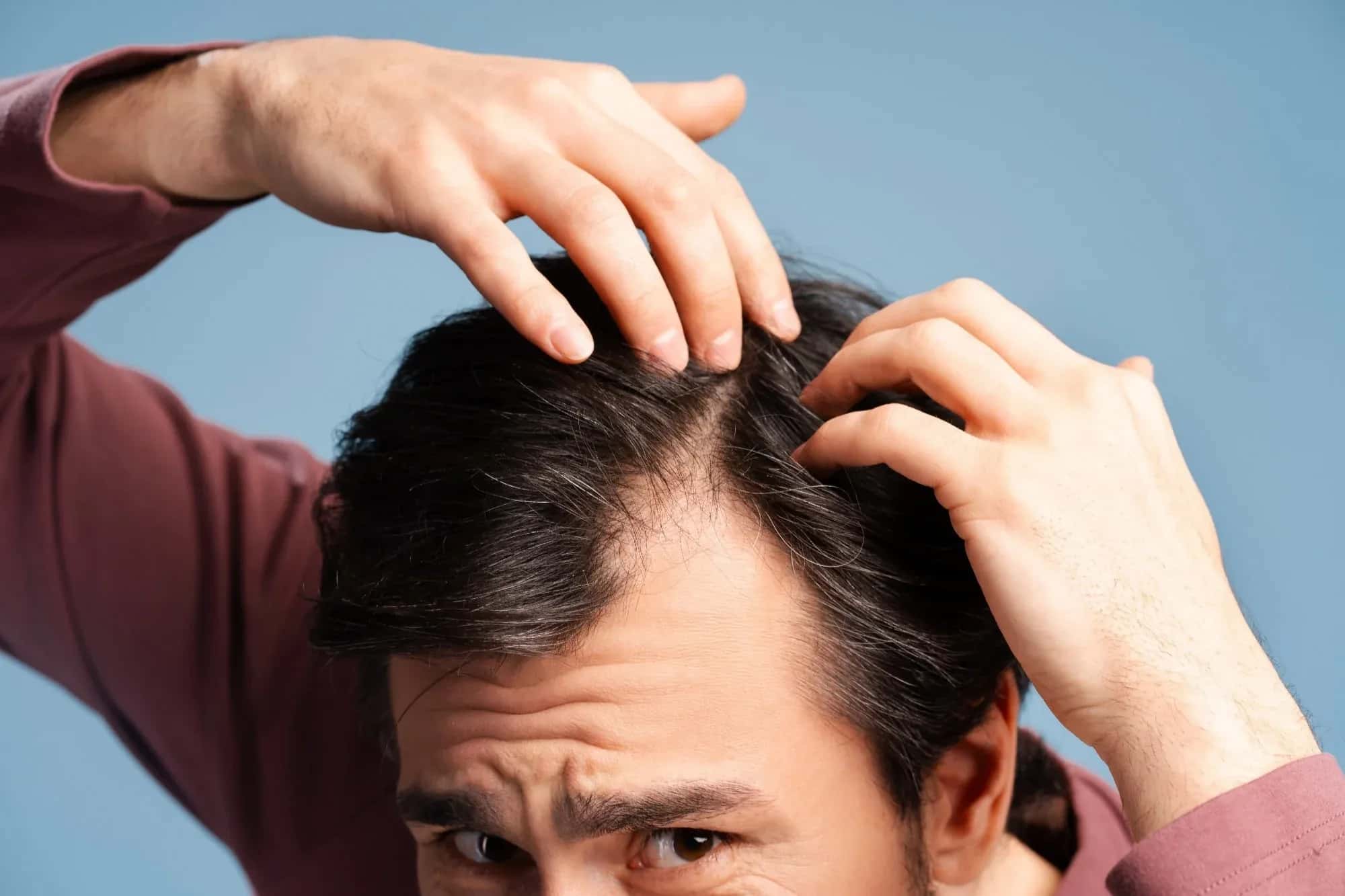
Certain dietary supplements can cause hair loss when taken in excessive amounts, particularly products containing high doses of vitamin A, selenium, or other concentrated nutrients. While supplements can help correct nutritional deficiencies that affect hair growth.

Spironolactone for female hair loss can help slow progressive thinning and improve hair density by reducing the effects of androgens on sensitive hair follicles. Although this prescription medication is not specifically approved for hair loss, clinical research supports its use in selected women.
Subscribe to the Medifinder newsletter and never miss our latest content.