






Burning in the Donor Area After Hair Transplantation
Burning in the donor area after a hair transplant refers to a sensation of warmth, sensitivity, stinging, aching, or mild burning in the area where the hair follicles were extracted.

- Last updated
- 327 reads
- 9 min read


Burning in the donor area after hair transplantation refers to a sensation of warmth, sensitivity, stinging, aching, or mild burning that develops in the back of the scalp or the area between the ears where hair follicles were extracted, as part of the healing process. This condition is especially common after FUE hair transplantation because, in this technique, hair follicles are individually removed from the donor area, leaving many small healing points in the region.
The donor area is one of the most important regions in hair transplantation. Since the grafts to be transplanted are generally taken from the back of the scalp, it is natural for sensitivity to occur in this area after the operation. Mild burning, tightness, and aching during the first days are usually related to the skin repairing itself. However, if the burning sensation becomes more severe, redness spreads, or discharge and foul odor appear, this may go beyond the normal limits of healing.
Recovery after hair transplantation is not limited only to the transplanted area. While many patients focus on the hairline and transplanted grafts, they may overlook sensations in the donor area. However, proper healing of the donor area is important for both comfort and the overall success of the procedure. During the first 48 hours, sensitivity, redness, crusting, and tenderness in the donor area are among the expected symptoms.
The Role of the Donor Area in Hair Transplantation
The donor area is the region where healthy hair follicles are harvested for hair transplantation. The back of the scalp and the areas behind the ears are generally preferred because the hair follicles in these regions are more resistant to genetic hair loss. However, this area is not an unlimited resource. Therefore, during hair transplant planning, the donor area’s capacity, hair thickness, graft density, and skin structure should be carefully evaluated.
Each graft extracted from the donor area during the operation creates a small opening on the skin surface. These openings gradually close and heal with crusting. As the skin renews itself during this process, mild burning, tingling, or stinging sensations may occur. Especially during the first days, contact between the back of the scalp and the pillow may make sensitivity in the area more noticeable.
Burning in the donor area does not occur with the same intensity in every patient. While some patients feel only mild tightness, others may describe a more noticeable warmth and soreness. These differences are related to the person’s pain threshold, the number of grafts extracted, the duration of the operation, skin sensitivity, and postoperative care habits.
Why Does Burning Occur in the Donor Area After Hair Transplantation?
There may be several different causes of burning sensations in the donor area after hair transplantation. Most of these causes are related to the healing process and decrease over time.
-
Healing of micro wounds: Since hair follicles are individually extracted from the donor area during FUE hair transplantation, many small healing points form on the skin. Burning and sensitivity may occur as these areas close.
-
Stimulation of nerve endings: Small nerve endings beneath the skin may be temporarily affected during the procedure. As these nerves recover during healing, burning, stinging, or tingling sensations may occur.
-
Crusting and dryness: Drying of the crusts in the donor area may create tightness in the skin. Some patients describe this tightness as a burning sensation.
-
Pillow contact and friction: During the first days, the back of the scalp comes into contact with the pillow while sleeping. Hard pillows, incorrect sleeping positions, or friction may increase donor area burning.
-
Incorrect care products: Creams, oils, cologne, herbal mixtures, or aggressive shampoos used without physician recommendation may irritate the donor area.
-
Excessive sweating: Heavy sweating may increase skin sensitivity. Especially during the early period, heavy exercise, sauna, Turkish bath, and hot environments may trigger the burning sensation.
-
Infection or severe irritation: If the burning sensation is accompanied by increasing redness, swelling, foul smelling discharge, or fever, medical evaluation is necessary. Surgical wound infections may present with symptoms such as redness, warmth, pain, and discharge.
Among these causes, the most common are healing, dryness, and nerve sensitivity. However, the progression of the burning sensation is important. Burning that gradually decreases is generally consistent with the expected healing process. Burning that progressively worsens, becomes throbbing, or is accompanied by noticeable changes in skin appearance should be carefully evaluated.
When Does the Burning Sensation Begin?
Burning in the donor area is generally noticed within the first few days after the operation. As the effects of local anesthesia wear off, sensitivity in the back of the scalp becomes more noticeable. During the first night and the second day, some patients may experience tightness, soreness, and mild warmth.
The first week is one of the periods when the donor area heals most actively. During this time, crusting begins, the small extraction points close, and the skin surface starts recovering. As the crusts dry, the area may feel tighter. This tightness may increase the burning sensation, especially during head movements or contact with the pillow.
From the second week onward, many patients begin to feel relief. The crusts in the donor area largely fall off, redness decreases, and the skin returns to a more normal appearance. However, in some patients, tingling and occasional burning may continue for several more weeks. This may be more noticeable especially after procedures involving extensive graft extraction.
After the first month, intense burning is generally not expected. Mild sensitivity or occasional tingling may continue, but the complaints should gradually decrease. If the burning sensation continues with the same intensity, disrupts sleep, or affects daily life, consulting the physician who performed the operation is appropriate.
The Difference Between Normal Burning and a Sign of a Problem
Burning in the donor area after hair transplantation is usually temporary. During the normal healing process, the burning sensation is mild or moderate, decreases over time, and is generally controlled when care instructions are followed. Mild redness, crusting, and sensitivity to touch are expected during this period.
Burning that may indicate a problem has a different character. Pain progressively increases, warmth in the skin becomes more noticeable, redness spreads, or foul smelling discharge develops in the donor area. This condition should not be considered simple sensitivity alone. Wound care sources also identify spreading redness, increasing pain, swelling, warmth, and pus like discharge as symptoms that require attention regarding infection.
In normal healing, a small amount of relief is felt every day. In problematic healing, complaints do not remain stable and usually worsen. Therefore, the patient should monitor changes in the donor area not only by sensation but also visually. Checking in the mirror or taking photos under good lighting may help identify changes more clearly. However, touching the area, removing crusts, or applying random products to reduce the burning sensation is not appropriate.
In Which Situations Should a Doctor Be Consulted?
Mild burning in the donor area after hair transplantation is generally normal. However, when certain symptoms appear, the clinic that performed the operation should be contacted rather than waiting.
-
If the burning sensation becomes more severe instead of gradually decreasing,
-
If there is significant swelling, spreading redness, or excessive warmth in the donor area,
-
If foul smelling discharge, yellow green fluid, or signs of infection are noticed,
-
If symptoms such as fever, weakness, or general deterioration accompany the burning sensation,
-
If throbbing pain concentrated in one point develops in the back of the scalp,
-
If the crusts appear wetter, darker, or more painful than normal,
-
If the burning suddenly increases after using care products,
-
If severe pain or noticeable skin color changes accompany numbness in the donor area.
These symptoms do not always indicate a serious complication, but early evaluation after hair transplantation is important. Especially in cases of suspected infection or severe irritation, prompt assessment helps ensure a safer healing process.
How Can Donor Area Burning Be Reduced?
The best way to reduce donor area burning is to support healing without irritating the skin. During the first days, since the back of the scalp is sensitive, pillow selection and sleeping position become important. Keeping the head slightly elevated may reduce both swelling and discomfort caused by friction. Keeping the pillowcase clean is also important for donor area hygiene.
The washing process may directly affect the burning sensation. The first wash and subsequent cleaning steps after hair transplantation should be performed as recommended by the clinic. Very hot water, harsh massage, contact with fingernails, and high pressure showers may irritate the donor area. Lukewarm water and gentle contact help the skin heal more comfortably.
If dryness increases the burning sensation, only lotions or care products recommended by the physician should be used. Not every natural product is safe. Olive oil, herbal oils, cologne, alcohol containing solutions, or random creams may irritate sensitive skin. Since the skin barrier is temporarily more vulnerable after hair transplantation, product selection should be made carefully.
Sweating may also increase donor area burning. During the first weeks, heavy exercise, sauna, Turkish bath, and hot environments may complicate healing. Light walking is generally a more suitable activity, but the timing of returning to sports should be determined according to the individual healing process. Smoking, irregular sleep, and insufficient fluid intake may also negatively affect skin recovery.
If Itching and Burning Occur Together
Itching and burning may occur together in the donor area after hair transplantation. These two sensations are usually related to crusting, dryness, and the recovery of nerve endings. Itching may be a natural part of the healing process; however, scratching the area may irritate the donor region, increase redness, and cause crusts to detach prematurely.
When the donor area itches, instead of scratching with fingernails, patients should follow the care instructions. The washing routine and appropriate moisturizing care recommended by the physician may relieve itching and burning. Crusts should naturally soften and fall off on their own. Picking crusts may reopen healing points and prolong the burning sensation.
If itching becomes unbearable or if swelling, rash, and excessive redness accompany the burning sensation, the possibility of a reaction to the products being used should also be considered. In such a case, it is safer to seek medical advice rather than continuing to use new products.
Does Donor Area Burning Affect Hair Transplant Results?
Mild burning in the donor area generally does not negatively affect the results of a hair transplant. This sensation is more related to the healing of the area where the hair follicles were extracted. The attachment of grafts in the recipient area is a separate process. However, overall healing quality depends on proper postoperative care.
If the donor area becomes irritated, infected, or continuously scratched, healing may be prolonged. In addition, donor area aesthetics are important. A donor area that has been excessively strained or healed poorly may become noticeable when the hair is worn short. Therefore, after hair transplantation, attention should be given not only to the growth of transplanted hair but also to the healthy recovery of the donor area.
After a well planned operation and regular care, the donor area usually recovers quickly. As the hair grows, the small extraction points become less visible. The burning sensation also generally decreases as healing progresses.
Being Patient During the Healing Process
During the first days after hair transplantation, every sensation may feel more intense. While trying to protect the newly transplanted grafts, patients may interpret even the slightest soreness, stinging, or burning as a problem. This concern is understandable, but it should not be forgotten that the healing process may naturally fluctuate.
The donor area may feel more comfortable one day and burn again the next day due to pillow contact, sweating, or dryness. This does not always mean that the condition is worsening. What matters is that the overall progression moves toward healing. If complaints decrease week by week, redness fades, and crusts fall off naturally, the process is most likely progressing normally.
During this period, the best thing the patient can do is remain consistent with the recommended care instructions and avoid unnecessary interventions. Using too many products after hair transplantation, frequently checking the area, touching it, or picking at crusts does not speed up healing. On the contrary, these behaviors may increase the burning sensation in the donor area.
- Last updated
- Language
- English
How did you find this article?
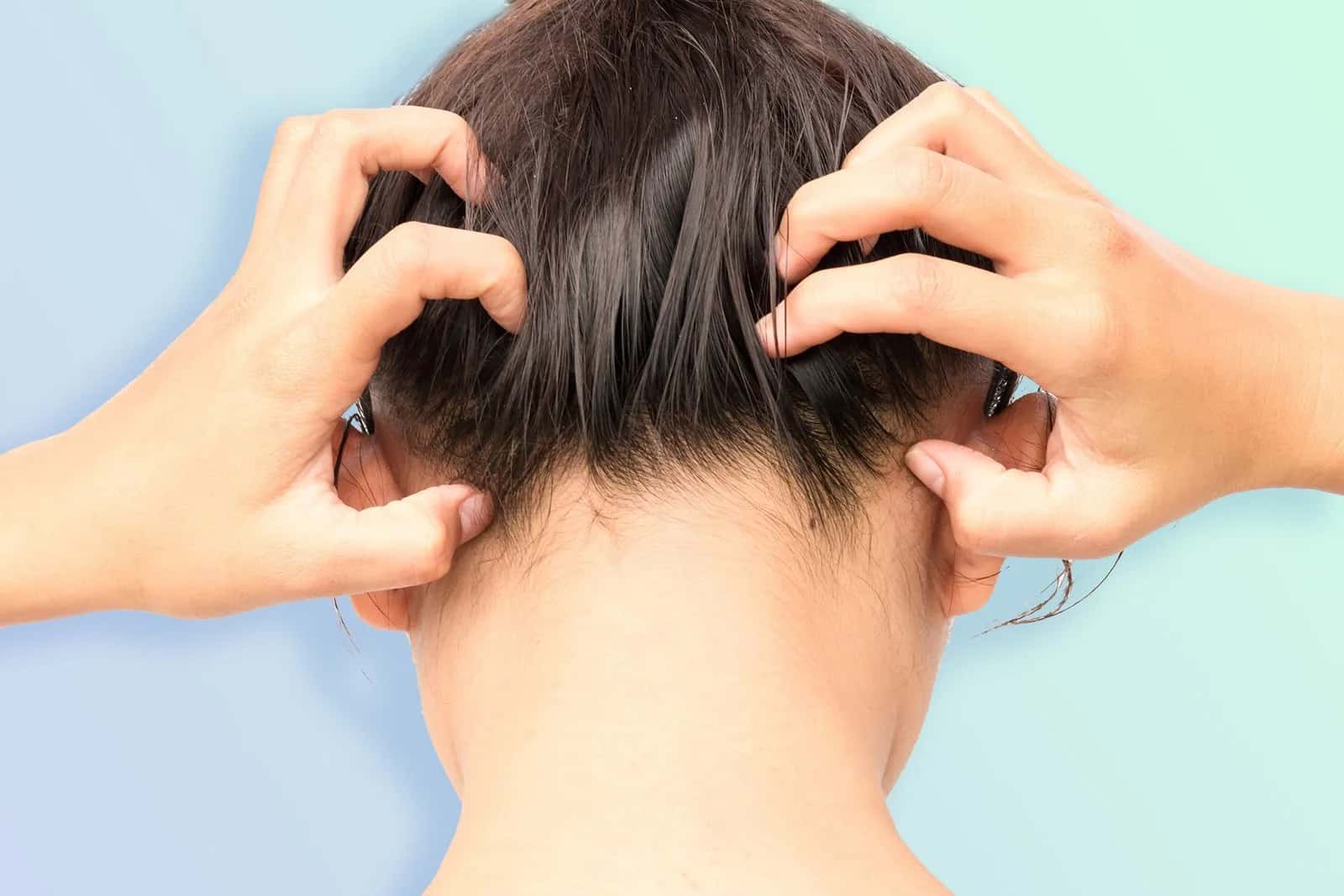
Air conditioning can dry out your scalp by reducing indoor humidity and affecting the skin's ability to maintain adequate moisture. Prolonged exposure to dry, cooled air may contribute to itching, flaking, tightness, and irritation, particularly when the scalp is already sensitive or prone to dryness.

Certain dietary supplements can cause hair loss when taken in excessive amounts, particularly products containing high doses of vitamin A, selenium, or other concentrated nutrients. While supplements can help correct nutritional deficiencies that affect hair growth.
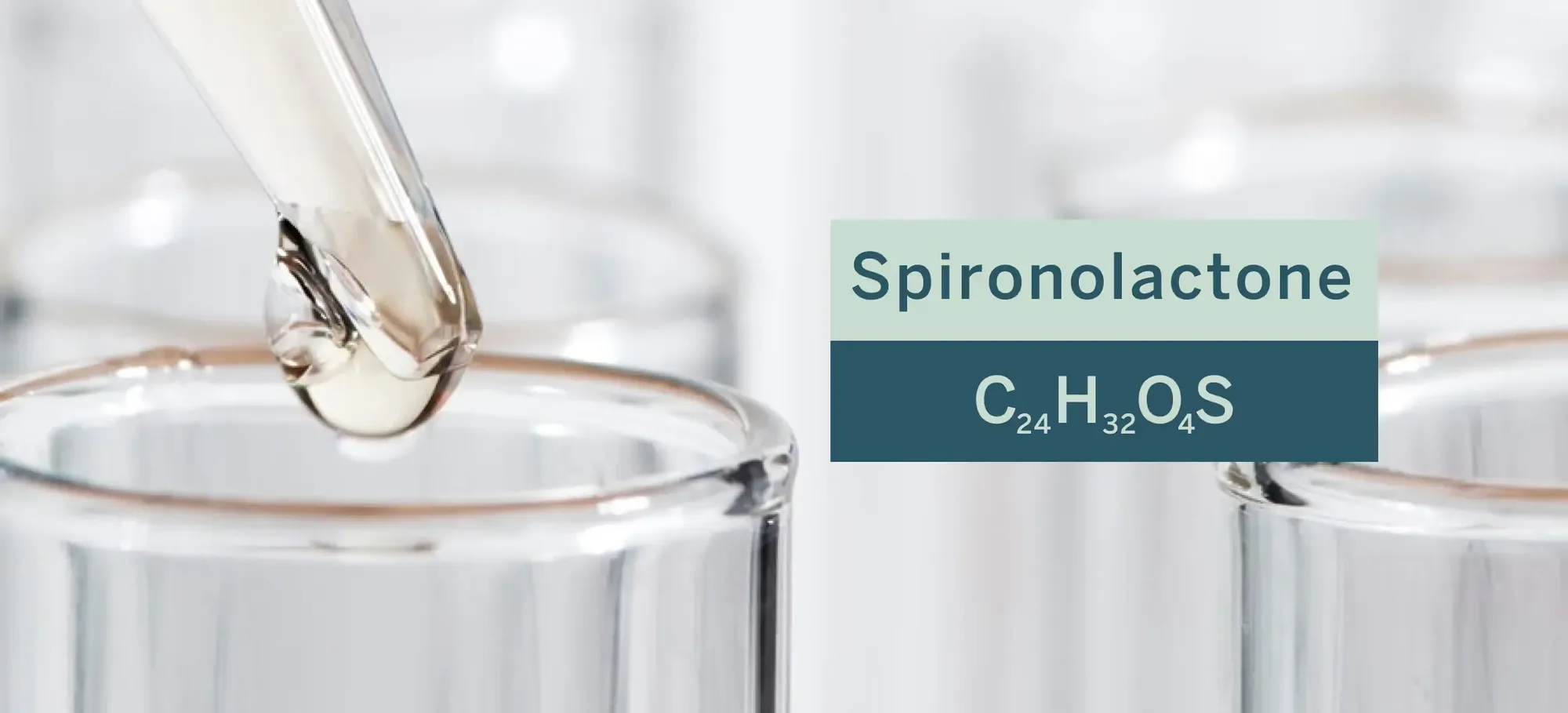
Spironolactone for female hair loss can help slow progressive thinning and improve hair density by reducing the effects of androgens on sensitive hair follicles. Although this prescription medication is not specifically approved for hair loss, clinical research supports its use in selected women.
Subscribe to the Medifinder newsletter and never miss our latest content.