










Botox After 40: Wrinkle Treatment and Safety
Botox after 40 can soften expression lines that have become more noticeable as the skin gradually loses elasticity, helping the face appear smoother without surgery. Understanding how botulinum toxin works on mature skin, which wrinkles respond best and what results to expect.

- Last updated
- 31 reads
- 12 min read
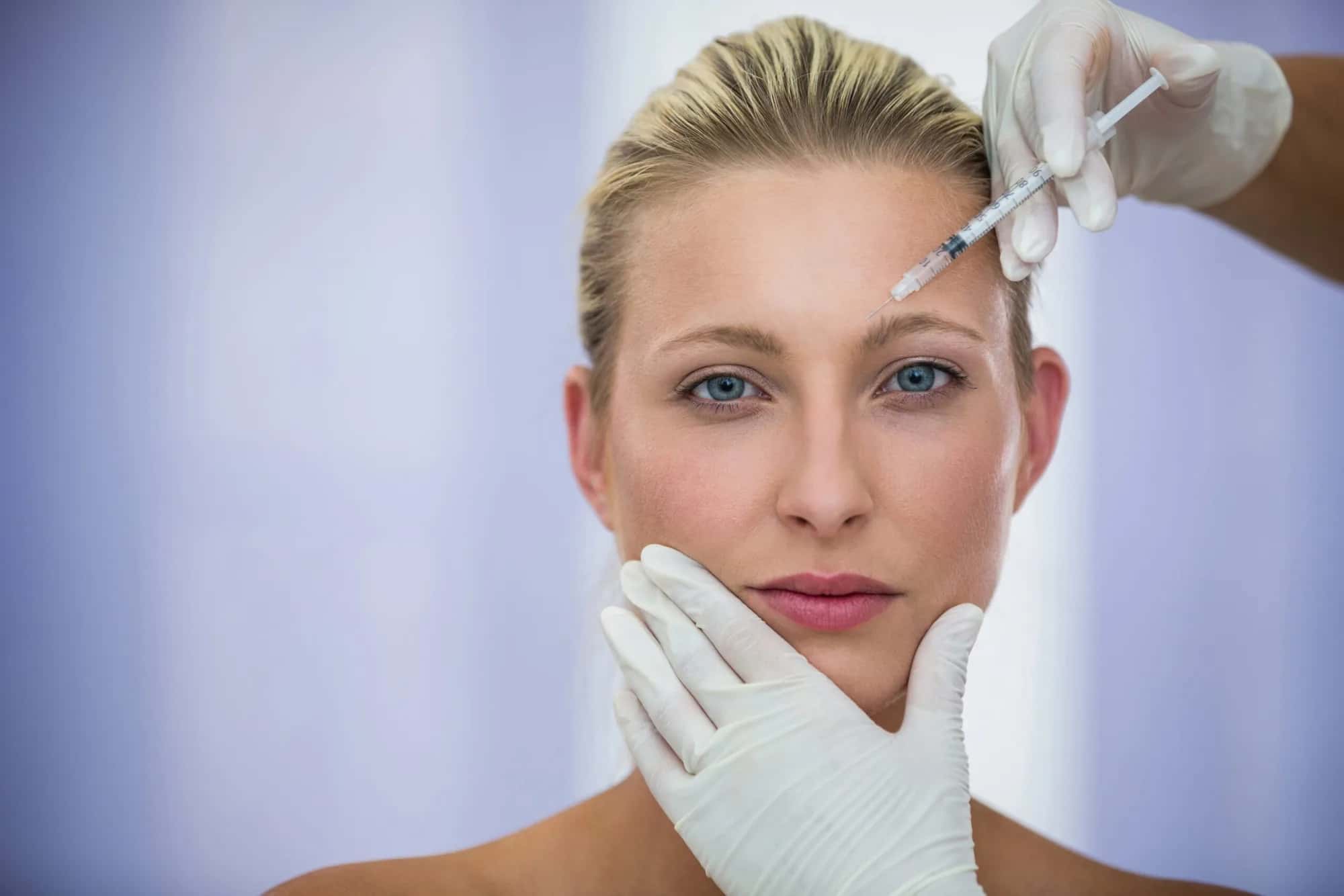


What Changes in Your Skin After 40?
During the 40s, changes that began earlier in adulthood often become more noticeable. The skin gradually produces less collagen, loses some elasticity and becomes less effective at recovering from repeated facial movements. Lines that previously disappeared when the face relaxed may begin remaining visible throughout the day.
The forehead, the area between the eyebrows and the outer corners of the eyes commonly show these changes because their underlying muscles contract repeatedly during ordinary expressions. At the same time, cumulative sun exposure can affect skin texture, making some wrinkles appear more pronounced.
Facial aging also involves changes beneath the skin. Shifts in fat distribution and soft tissue support can alter the appearance of the cheeks, temples and lower face.
These developments do not occur at the same pace for everyone, and turning 40 does not create a sudden biological change. However, understanding the different causes of facial aging helps explain why Botox can improve certain concerns while leaving others largely unaffected.
How Does Botox Work on Skin Over 40?
Botox contains botulinum toxin type A, a prescription medication that temporarily reduces communication between nerves and selected muscles. When injected into specific facial muscles, it limits their ability to contract as strongly, which reduces the repeated folding of the overlying skin.
This mechanism remains effective after 40 because the medication acts on neuromuscular signaling rather than directly on collagen production or skin thickness.
For example, the muscles between the eyebrows create vertical frown lines whenever a person concentrates or squints. Reducing their activity allows the surrounding skin to remain more relaxed, which can soften the appearance of those lines.
Botox does not restore lost facial volume or directly repair damaged skin fibers. Its main benefit comes from managing the movements responsible for dynamic wrinkles, although some lines visible at rest may also become less pronounced.
Is 40 Too Late to Start Botox?
Beginning Botox in your 40s can still provide meaningful improvement, particularly when facial wrinkles remain strongly influenced by muscle movement. There is no requirement to begin cosmetic injections in your 20s or 30s to benefit from treatment later.
A person who has never received Botox may notice that their frown lines soften and their forehead appears calmer after the first treatment. However, deeply established wrinkles may not disappear completely because their appearance also reflects changes within the skin itself.
Starting later does not necessarily require a more aggressive treatment plan. Stronger muscle relaxation is not always desirable, especially when maintaining eyebrow movement and a familiar expression is important.
The decision should reflect the actual condition of the skin and the desired change rather than an assumption that cosmetic treatment must begin before a particular birthday.
Which Facial Areas Benefit Most From Botox After 40?
Botox is most useful in areas where repeated muscle contractions contribute significantly to visible wrinkles, especially across the upper face.
-
Forehead lines: Horizontal wrinkles caused by raising the eyebrows may become more persistent during the 40s. Carefully planned muscle relaxation can reduce their appearance while preserving sufficient movement to maintain a natural brow position.
-
Frown lines: Vertical creases between the eyebrows often become more noticeable with age and can create a tense expression even when the face is relaxed. Botox can reduce the contractions that deepen these lines.
-
Crow's feet: The fine lines extending from the outer corners of the eyes become more prominent during smiling and squinting. Targeted injections may soften these wrinkles without removing the expression of a genuine smile.
-
Selected neck and lower-face muscles: Botulinum toxin may improve particular muscle-related concerns, including certain platysma bands. These treatments require careful attention to anatomy, and not every lower-face application is an approved cosmetic indication.
Can Botox Improve Deep Wrinkles That Remain at Rest?
Deep wrinkles require a more realistic treatment expectation because they often reflect more than repeated muscle movement. As skin elasticity declines, a crease may remain visible even when the underlying muscle has stopped contracting.
Botox can reduce the movement that makes such wrinkles more pronounced, allowing some improvement in their appearance. However, the existing skin indentation may not completely disappear after one treatment.
This distinction is particularly important for long-established frown lines and horizontal forehead creases. A person may experience substantially less muscle movement while still noticing a faint line in the same location.
Additional approaches addressing skin quality or structural changes may sometimes be considered, but Botox alone should not be presented as a complete solution for every deep wrinkle.
How Does Botox Affect Forehead Lines and Brow Position?
The relationship between forehead wrinkles and eyebrow position becomes increasingly important after 40. The frontalis muscle creates horizontal forehead lines when it lifts the eyebrows, but it also helps maintain brow elevation.
If this muscle becomes excessively relaxed, the eyebrows may sit lower than expected. People who already have relatively low brows or some upper-eyelid heaviness may find this change particularly noticeable.
For this reason, forehead treatment should consider the interaction between the brow-lifting muscle and the muscles that pull the eyebrows downward.
The goal is to reduce unwanted lines without removing the movement needed to maintain a balanced upper-face expression.
A more detailed explanation of Botox for forehead wrinkles helps clarify why wrinkle reduction and eyebrow positioning must be considered together.
Can Botox After 40 Still Look Natural?
Natural-looking Botox is achievable after 40 when treatment reduces excessive muscle activity without unnecessarily restricting familiar facial expressions.
A smooth forehead does not need to be completely motionless. Many people prefer retaining some ability to raise their eyebrows, smile naturally and show subtle changes in expression during conversation.
The appearance of the result depends on the relationship between the treated muscles rather than simply the total amount of medication used. Excessive relaxation in one region can change the balance of nearby muscles, sometimes creating eyebrow heaviness or an uneven expression.
Maintaining natural facial movement may mean accepting that a few fine lines remain visible. For people seeking a refreshed rather than dramatically altered appearance, this can be an intentional and appropriate outcome.
Is Baby Botox Suitable for People Over 40?
Baby Botox is a lower-dose injection approach that aims to soften expression lines while preserving more facial movement. It may appeal to adults in their 40s who have relatively mild wrinkles or prefer a restrained initial treatment.
However, lower doses do not automatically deliver better results on mature skin. Strong facial muscles or deeply established expression lines may respond only modestly to conservative injections.
The difference between Baby Botox and traditional Botox is therefore more closely related to treatment goals and dosage than to the patient's age.
A subtle approach may be suitable for one area of the face while another requires a different level of relaxation. The important objective is an appropriate balance between visible improvement and comfortable facial movement.
What Happens During Your First Botox Appointment After 40?
A first Botox appointment typically begins with an assessment of facial movement, wrinkle patterns and relevant medical history. The medical professional may ask the patient to frown, raise their eyebrows and smile to identify which muscles contribute to the lines being treated.
The condition of the skin at rest is also important because it helps distinguish dynamic wrinkles from more established creases.
After the injection sites are identified and cleaned, small amounts of botulinum toxin are administered through a fine needle. The procedure generally takes only a short time and does not require surgical incisions.
Mild redness, tenderness or small raised areas may appear immediately afterward. These reactions usually settle relatively quickly, although the wrinkle-reducing effect develops over the following days.
When Will Botox Results Become Visible?
Botox does not produce its complete effect immediately after treatment because the medication needs time to reduce signaling between nerves and muscles.
Early improvements often become noticeable within approximately three to seven days. The full cosmetic effect is usually easier to assess after about one to two weeks, once the targeted muscles have reached a more stable level of relaxation.
For adults over 40, the change may involve softer frown lines, reduced forehead creasing or less pronounced crow's feet during facial expressions.
Deep wrinkles that remain visible at rest may improve more gradually or persist despite effective muscle relaxation.
Comparing facial expressions before treatment and after the effect has developed provides a more meaningful assessment than examining the skin immediately after the injections.
How Long Does Botox Last in Your 40s and 50s?
Botox typically produces visible cosmetic improvement for approximately three to four months, although some people experience a shorter or longer response.
Age alone does not determine how long the medication works. Muscle strength, treatment area, product formulation and the degree of relaxation achieved can influence the apparent duration.
As nerve signaling gradually recovers, facial muscles regain movement and expression lines begin returning. This change usually develops progressively rather than occurring overnight.
The return of movement does not indicate that treatment has damaged the skin or accelerated aging. It reflects the temporary nature of botulinum toxin.
Adults considering maintenance should account for the recurring nature of treatment rather than expecting a single appointment to deliver permanent wrinkle reduction.
Can Botox Prevent Existing Wrinkles From Becoming Deeper?
Botox may help limit the repeated skin folding that contributes to the development of certain expression lines. When targeted muscles contract less forcefully, the overlying skin experiences less mechanical creasing.
This provides a reasonable explanation for why regular treatment might help reduce the deepening of some movement-related wrinkles.
However, Botox does not stop the broader aging process, and the long-term preventative benefits of routine cosmetic injections are not fully established.
Collagen changes, cumulative ultraviolet exposure and shifts in facial structure continue regardless of whether the forehead or frown muscles have been treated.
Sun protection and appropriate skincare therefore remain important. Botox can address selected muscular contributors to facial wrinkles, but it cannot replace measures that support the health and quality of the skin itself.
Does Botox Help With Sagging Skin and Facial Volume Loss?
Botox has limited ability to correct facial sagging or volume loss because neither concern primarily results from excessive muscle contraction.
During the 40s and beyond, changes in fat distribution, connective tissue and skin elasticity may create hollow temples, flatter cheeks or less distinct jaw contours.
Relaxing a muscle does not replace lost volume or tighten loose skin. In some areas, excessive muscle weakening may even make existing tissue laxity more noticeable.
Certain muscle-related changes can respond to carefully selected botulinum toxin treatment, but this should not be confused with lifting or restoring structural support.
Recognizing these limits helps avoid treating every sign of facial aging with the same injectable product.
How Does Botox Compare With Fillers and Skin Treatments?
Botox, dermal fillers and skin-focused treatments address different components of facial aging.
Botox reduces the contractions responsible for selected expression lines. Hyaluronic acid fillers add volume and may improve particular hollows or contour changes, while treatments such as resurfacing procedures target aspects of skin texture and sun-related damage.
For someone in their 40s, these distinctions become increasingly relevant because muscle-related wrinkles can coexist with declining elasticity, uneven pigmentation and changes in facial volume.
Combining procedures may sometimes address several concerns, but multiple treatments are not automatically necessary.
The choice should follow the underlying cause of the visible change. A deep frown line created by muscle movement requires a different approach from loose lower-face skin or volume loss around the cheeks.
What Are the Risks and Side Effects of Botox After 40?
Botox has an established role in cosmetic medicine, but it remains a prescription treatment with potential side effects that deserve consideration at any adult age.
-
Injection-site reactions: Temporary redness, swelling, tenderness and bruising can develop around treated areas. Mild headaches may also occur following injections.
-
Eyebrow or eyelid drooping: Unwanted weakening of nearby muscles can cause temporary brow heaviness, eyelid drooping or facial asymmetry. Existing brow position and upper-eyelid laxity deserve particular attention during treatment planning.
-
Unnatural muscle relaxation: Excessive or poorly balanced treatment may produce restricted expressions or changes in facial proportions. Lower doses do not eliminate risk when injections are placed incorrectly.
-
Rare serious complications: Botulinum toxin can occasionally cause effects beyond the injection area, including difficulty swallowing, speaking or breathing. Such symptoms require immediate emergency medical attention.
Treatment may be unsuitable in the presence of certain neuromuscular conditions or infection at the injection site. Cosmetic injections are generally avoided during pregnancy and breastfeeding because adequate safety information is limited.
How Should You Prepare for Botox and Care for Your Skin Afterwards?
Appropriate preparation and aftercare support a safer treatment experience while reducing avoidable irritation around the injection sites.
-
Review your medical history: Disclose medications, relevant health conditions, previous reactions to injections and any recent botulinum toxin treatments. Do not stop prescribed blood-thinning medication without medical guidance.
-
Protect the treated areas: Avoid vigorous rubbing or massaging immediately after injections, and follow the specific recommendations provided for physical activity and other facial procedures.
-
Allow the results to develop: Botox needs several days to take effect, so judging the outcome immediately after treatment can be misleading. Wait for the recommended assessment period before considering additional injections.
-
Maintain consistent skincare: Daily broad-spectrum sunscreen, appropriate moisturization and suitable skincare ingredients can support skin appearance. These measures complement Botox by addressing concerns that muscle relaxation alone cannot improve.
How Much Does Botox After 40 Cost?
Botox pricing generally reflects the treatment areas, the amount of medication administered and the product used rather than the patient's age.
Someone treating only frown lines may require a different overall treatment plan from a person addressing the forehead, frown lines and crow's feet together.
Some services charge per unit, while others quote a price for each facial area. Comparing these models requires understanding what is included rather than relying solely on the advertised appointment price.
The temporary duration of Botox also affects long-term cost. People who want to maintain their results may choose repeat appointments throughout the year.
An appropriate cost comparison should consider the intended treatment, the authenticity of the medication and the medical qualifications of the person administering it.
How Often Should Botox Be Repeated After 40?
Botox maintenance should reflect the return of muscle movement, the condition of the treated areas and the desired cosmetic effect.
Many cosmetic patients consider another appointment when results begin fading after several months, but treatment should not follow an unnecessarily frequent schedule simply to keep every expression line suppressed.
Repeating injections before the previous treatment has adequately worn off may not provide additional benefit and can contribute to excessive muscle relaxation.
The same dose may not remain appropriate indefinitely because muscle activity, facial anatomy and personal preferences can change over time.
Long-term treatment planning should include periodic reassessment rather than assuming that maintaining a smooth forehead requires increasingly strong injections.
How Can You Decide Whether Botox After 40 Is Right for You?
Botox after 40 can offer useful improvement when expression lines remain a meaningful part of the concern. Adults who want softer forehead wrinkles, less pronounced frown lines or a smoother eye area may find temporary muscle relaxation compatible with their goals.
However, the treatment cannot fully reverse changes in skin elasticity, replace lost facial volume or correct significant sagging.
A realistic decision begins with identifying which features are caused mainly by muscle movement and which reflect changes in the skin or underlying tissues.
The desired appearance also matters. Some people prefer pronounced wrinkle smoothing, while others want to retain more movement and accept a few visible lines.
Medical suitability, potential risks and the need for repeat treatment should form part of that decision. Age does not need to be the deciding factor.
The value of Botox after 40 lies in its ability to soften selected expression lines while preserving a comfortable, recognizable facial appearance, provided that the treatment goals remain realistic and the procedure is planned with appropriate medical care.
- Last updated
- Language
- English
How did you find this article?
Many singers, actors, reality stars and influencers have talked openly about getting lip filler, and a growing number have also shared why they later had it dissolved. This guide looks at what 20 of these public figures said about their own lip treatments and what their experiences can teach anyone considering filler.

Filler fatigue describes the point where repeated dermal filler treatments leave a face looking heavier, puffier or less like itself, and it is pushing many people to rethink how they approach injectables. This guide explains what causes it, how to recognize an overfilled face.
Overfilled faces develop when injectable treatments add more volume than the facial anatomy can accommodate naturally, altering contours, proportions and sometimes facial expression.
Subscribe to the Medifinder newsletter and never miss our latest content.