










Baby Botox vs Traditional Botox
Baby Botox and traditional Botox both reduce the appearance of facial wrinkles by temporarily relaxing targeted muscles, but they differ in dosage, treatment goals and the degree of muscle relaxation.

- Last updated
- 26 reads
- 12 min read
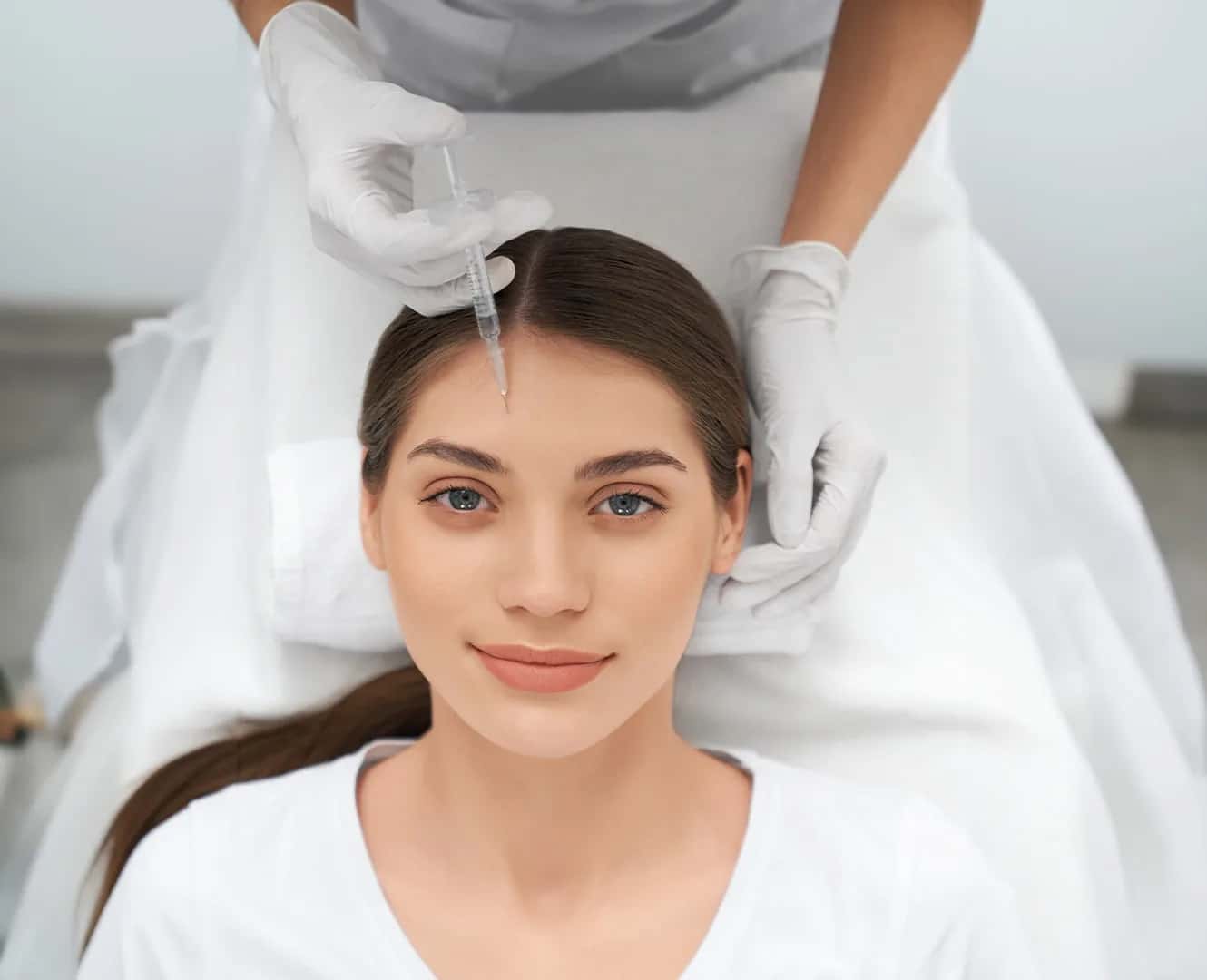


What Is Baby Botox?
Baby Botox is a cosmetic injection approach that uses smaller, carefully distributed amounts of botulinum toxin to soften facial expression lines without aiming to significantly restrict natural movement. Despite its name, it is not a separate medication or a treatment intended for children. The term describes a conservative dosing strategy used in adult facial rejuvenation.
Traditional Botox treatments may target stronger muscle relaxation to achieve more noticeable smoothing, while Baby Botox focuses on reducing the intensity of selected expressions. The objective is often a refreshed appearance that does not substantially change how the face moves during conversation, smiling or raising the eyebrows.
The treatment is particularly relevant to people with early expression lines or those who prefer a subtle cosmetic adjustment. However, using less product does not automatically guarantee a natural result. Accurate injection placement and an understanding of facial anatomy remain essential regardless of the amount administered.
How Does Baby Botox Work?
Baby Botox works through the same biological mechanism as conventional botulinum toxin injections. The active substance temporarily interrupts the nerve signals responsible for activating targeted facial muscles, reducing the strength of contractions that contribute to expression-related wrinkles.
When someone frowns, smiles or raises their eyebrows, repeated muscle movements fold the overlying skin. Over time, these movements can contribute to lines that remain visible even when the face is relaxed.
By reducing selected muscle activity, Baby Botox allows the skin to experience less pronounced folding during facial expressions. A conservative dose generally produces a gentler reduction in movement rather than the stronger relaxation associated with some traditional treatments.
The injections do not physically fill wrinkles, restore lost facial volume or tighten loose skin. Their primary effect concerns muscle activity, which explains why movement-related lines respond more predictably than wrinkles caused predominantly by sun damage, skin laxity or structural aging.
What Makes Baby Botox Different From Traditional Botox?
The main difference between Baby Botox and traditional Botox involves how much botulinum toxin is administered and the intended strength of the treatment. Both approaches can use the same approved product, but their dosing strategies pursue somewhat different aesthetic outcomes.
Traditional Botox may use established treatment doses to substantially soften visible frown lines, forehead wrinkles or crow's feet. Baby Botox generally introduces smaller amounts into selected muscles, aiming for more restrained changes in facial movement.
Another distinction concerns treatment expectations. Someone choosing Baby Botox may accept a few remaining expression lines in exchange for greater facial mobility. A person seeking more pronounced wrinkle reduction may prefer a stronger conventional approach.
Neither technique is inherently more advanced or universally preferable. A conservative dose can produce insufficient improvement in strong facial muscles, while unnecessarily high dosing can create heaviness or unwanted restriction.
The most appropriate approach balances wrinkle severity, natural facial movement and the desired degree of improvement.
Does Baby Botox Preserve More Natural Facial Movement?
Preserving facial expression is one of the principal reasons people consider Baby Botox. Smaller doses can reduce the intensity of muscle contractions while allowing sufficient activity for familiar expressions to remain visible.
For example, someone receiving conservative forehead treatment may still raise their eyebrows, although the horizontal creases become less pronounced. Similarly, frown lines can appear softer without completely eliminating movement between the eyebrows.
This distinction matters because facial expressions contribute to communication and individual appearance. An overly restricted forehead may feel unfamiliar, particularly to people who rely on expressive communication in their professional or social lives.
However, a natural appearance depends on more than using fewer units. The forehead muscles interact with those surrounding the eyebrows and eyes, so poorly distributed injections can still create asymmetry or an unnatural expression.
Careful assessment of movement and muscle balance remains central to achieving a subtle result.
Which Facial Areas Can Baby Botox Treat?
Baby Botox is commonly considered for facial regions where repeated expressions create early wrinkles, particularly when modest smoothing is preferred over stronger muscle relaxation.
-
Forehead lines: Conservative injections can reduce the appearance of horizontal creases caused by repeated eyebrow raising while aiming to preserve some natural forehead movement.
-
Frown lines: Small doses may soften the vertical lines between the eyebrows, especially when these creases are more noticeable during expressions than at rest.
-
Crow's feet: Carefully positioned injections around the outer eye area can reduce fine lines associated with smiling and squinting without aiming to eliminate the expression itself.
-
Selected lower-face areas: Certain concerns involving chin dimpling or subtle muscle-related lines may be considered, although these applications require particular attention to facial anatomy and may be outside approved cosmetic indications.
Who Is a Good Candidate for Baby Botox?
Baby Botox may appeal to adults seeking subtle wrinkle reduction without a substantial change in their facial expressions, particularly when their concerns involve early dynamic lines.
-
People with mild expression lines: Those whose wrinkles appear mainly while smiling, frowning or raising their eyebrows may benefit from a conservative reduction in muscle movement.
-
First-time Botox patients: Individuals unfamiliar with injectable treatments may prefer discussing a restrained initial result rather than immediately pursuing stronger wrinkle smoothing.
-
People who value expressive movement: Professionals and others who place importance on natural facial animation may prefer a treatment goal that maintains noticeable muscle activity.
-
Adults seeking modest cosmetic maintenance: People satisfied with their overall appearance but bothered by specific early lines may consider a focused approach instead of treating several facial regions extensively.
Can Baby Botox Treat Deep Wrinkles?
Baby Botox generally offers more limited improvement for deep wrinkles than it does for fine expression lines. Established creases often remain visible when the face is relaxed because repeated movement, reduced skin elasticity and structural changes have affected the skin over time.
A small amount of botulinum toxin may soften the movement responsible for deepening these lines, but it cannot necessarily smooth the existing crease to the desired extent.
Traditional Botox may offer greater improvement when stronger muscle relaxation is appropriate, although even conventional treatment cannot eliminate every deeply established wrinkle.
This distinction is particularly important for forehead lines. Understanding the relationship between muscle activity and Botox treatment for forehead wrinkles helps clarify why some lines respond well to conservative injections while others require a broader treatment plan.
Realistic expectations prevent disappointment when subtle treatment produces subtle results.
Is Baby Botox the Same as Microbotox?
Baby Botox and Microbotox are sometimes used interchangeably in cosmetic discussions, but they do not always describe the same injection technique.
Baby Botox generally refers to a reduced-dose approach that targets facial muscles responsible for expression lines. The purpose is to limit selected movements without producing unnecessarily strong relaxation.
Microbotox may describe a more superficial injection technique involving tiny amounts of diluted botulinum toxin placed within the skin. This approach is sometimes considered for concerns involving superficial skin texture, oil production or fine lines rather than conventional muscle relaxation alone.
The distinction matters because injection depth, intended treatment effects and supporting evidence differ between these approaches.
Neither term represents one universally standardized injection protocol. Patients should understand whether the proposed treatment targets facial muscles or superficial skin structures rather than relying solely on the name used to describe it.
How Many Units Are Used in Baby Botox?
Baby Botox does not have a universally established number of units that applies to every treatment. The term describes a lower-dose strategy, not a fixed quantity of medication.
The amount required depends on the treatment area, muscle strength, existing facial movement and the intended degree of relaxation. A person with strong frown muscles may need a different approach from someone seeking mild improvement in fine forehead lines.
Using the smallest possible amount is not necessarily beneficial if the dose fails to produce meaningful improvement. Similarly, applying the same quantity to every forehead can produce unbalanced results because muscle anatomy differs between individuals.
Botulinum toxin products also have product-specific potency units that cannot automatically be compared or converted between brands.
A sensible treatment plan focuses on the appropriate distribution of medication rather than using a predetermined low unit count as the primary measure of success.
How Long Does Baby Botox Last Compared With Traditional Botox?
Baby Botox often produces a shorter-lasting effect than conventional Botox because smaller doses may allow muscle activity to return sooner. The difference becomes relevant for people comparing the convenience and maintenance requirements of the two approaches.
Traditional cosmetic botulinum toxin treatment commonly provides visible improvement for approximately three to four months. Lower-dose Baby Botox may begin wearing off after roughly two to three months, although these periods overlap and individual responses vary.
The duration also depends on the treated muscles, their activity and the specific product administered. A mild effect may seem to disappear earlier because the original wrinkle movement was never completely suppressed.
More frequent maintenance is not automatically appropriate simply because a conservative treatment fades sooner. Repeated injections should follow product guidance and an appropriate medical assessment.
Patients should consider both the subtlety of the result and the potential need for ongoing appointments.
When Do Baby Botox Results Become Visible?
Baby Botox does not produce its full cosmetic effect immediately after injection. The medication gradually reduces activity in targeted muscles, allowing expression lines to become less pronounced over the following days.
Initial changes may become noticeable within approximately three to seven days. The result generally becomes clearer during the following one to two weeks, when the degree of muscle relaxation can be assessed more reliably.
Because Baby Botox aims for subtle improvement, the difference may be less obvious than after a stronger conventional treatment. Patients may notice that their forehead looks calmer or their frown lines appear softer without identifying a dramatic change.
Evaluating the outcome too early can create misleading expectations. Facial movement should be assessed after the treatment has had sufficient time to take effect, rather than assuming that a limited response during the first few days indicates an unsuccessful procedure.
What Happens During a Baby Botox Appointment?
A Baby Botox appointment begins with an assessment of facial expressions and the areas where movement creates visible lines. The medical professional may ask the patient to raise their eyebrows, frown or smile to identify the muscles contributing to the concern.
The skin is cleaned before small amounts of botulinum toxin are injected into selected locations using a fine needle. The procedure is generally brief and does not require surgical incisions.
Patients may experience a temporary pinching sensation or minor discomfort at individual injection points. Small bumps or redness can appear immediately afterward and usually settle relatively quickly.
The appointment should also include a review of relevant medical history, current medications, previous injections and expected results.
Although the treatment may seem straightforward, injection placement requires an accurate understanding of muscle function. Small differences in position can influence eyebrow balance and facial expression.
What Are the Possible Side Effects of Baby Botox?
Baby Botox uses lower doses than some conventional treatment approaches, but it remains a medical procedure with potential side effects and safety considerations.
-
Temporary injection-site reactions: Mild redness, tenderness, swelling and bruising can develop after treatment. These effects generally improve without extensive intervention.
-
Headache or localized discomfort: Some patients experience short-lived headaches or an unfamiliar sensation around treated facial muscles as the injections begin taking effect.
-
Uneven movement or drooping: Unintended weakening of nearby muscles can contribute to eyebrow asymmetry, eyelid drooping or an appearance of heaviness. Lower doses do not completely eliminate these possibilities.
-
Rare systemic complications: Botulinum toxin can occasionally produce serious effects beyond the injection area, including difficulties with swallowing, speaking or breathing. These symptoms require immediate emergency medical attention.
Active infection at the intended injection site and certain medical conditions may make treatment unsuitable. Cosmetic injections are also generally postponed during pregnancy or breastfeeding because adequate safety evidence is limited.
What Should You Avoid After Baby Botox?
Post-treatment care helps reduce unnecessary irritation and supports a comfortable recovery. Most people can return to ordinary daily activities relatively quickly, although the injection sites should remain protected from excessive manipulation.
Rubbing or massaging the treated areas immediately afterward may increase the risk of unwanted product spread. Makeup can usually be applied gently, but strong pressure and vigorous facial massage should be avoided during the initial period.
Intensive exercise is commonly postponed for a short period following treatment, according to the aftercare instructions provided. Patients should also avoid introducing aggressive facial treatments immediately after receiving injections.
The absence of significant downtime does not mean aftercare is unnecessary. Following appropriate instructions and allowing the medication to take effect before assessing the result helps maintain realistic expectations.
Can Baby Botox Prevent Future Wrinkles?
Baby Botox is sometimes described as a preventative cosmetic treatment because reducing repeated muscle contractions may limit the folding that contributes to expression lines over time.
The underlying idea is straightforward: when particular muscles contract less intensely, the overlying skin experiences less repeated creasing. This may help reduce the progression of certain movement-related wrinkles.
However, the long-term preventative benefit of beginning low-dose injections before wrinkles become established has not been conclusively demonstrated. Baby Botox does not stop biological aging or prevent every form of skin change.
Sun exposure, genetics, smoking and the gradual decline in skin elasticity continue to influence facial aging regardless of injection treatments.
There is also no universal age at which preventative injections become necessary. Decisions should reflect actual facial concerns and realistic benefits rather than the assumption that earlier treatment always produces better long-term skin.
How Much Does Baby Botox Cost?
Baby Botox pricing depends on the amount of medication used, the treatment areas and the way injectable services are billed. A lower dose may reduce the immediate cost when providers charge according to the number of units administered.
However, some treatments are priced by facial area or appointment rather than individual units. Under those arrangements, Baby Botox may not cost substantially less than conventional Botox.
The maintenance schedule also affects the overall expense. If lower-dose results fade sooner, repeated appointments can reduce the financial advantage of using fewer units during each session.
Patients comparing treatment options should consider the full cost of maintaining their preferred appearance rather than focusing only on the first appointment.
A broader overview of Botox costs around the world provides context for how product selection, dosage, treatment areas and repeat sessions influence cosmetic injection expenses.
How Do You Choose Between Baby Botox and Traditional Botox?
Choosing between Baby Botox and traditional Botox begins with understanding what kind of change is actually desired. Someone seeking modest softening of early expression lines may find a conservative approach more aligned with their expectations.
Traditional Botox may be more appropriate when pronounced dynamic wrinkles require stronger muscle relaxation. Even then, conventional treatment does not necessarily mean a frozen appearance, since natural-looking outcomes are possible with carefully selected doses and balanced placement.
The decision should also account for the duration of results, the willingness to attend maintenance appointments and the possibility that conservative treatment may leave some lines visible.
Medical safety remains equally important. A licensed healthcare professional should assess facial anatomy, review relevant health conditions and explain the anticipated limitations before proceeding.
The aim is not to select the smallest or largest dose, but to achieve an appropriate balance between wrinkle reduction, facial movement and treatment safety.
Final Thoughts on Baby Botox vs Traditional Botox
Baby Botox differs from traditional Botox primarily through its conservative dosing strategy and its emphasis on subtle wrinkle reduction. Both approaches use botulinum toxin to temporarily reduce muscle activity, but lower-dose treatment generally aims to preserve more visible facial movement while producing a softer cosmetic change.
Baby Botox may be particularly appealing for early expression lines and patients who prefer restrained results, whereas conventional dosing can offer more pronounced relaxation when appropriate. Differences in longevity, maintenance requirements and treatment expectations should also be considered.
Understanding what each approach can realistically achieve helps patients make informed decisions without assuming that lower doses are always safer, more natural or more effective. The most suitable result balances facial expression, wrinkle improvement and careful medical planning.
- Last updated
- Language
- English
How did you find this article?
Many singers, actors, reality stars and influencers have talked openly about getting lip filler, and a growing number have also shared why they later had it dissolved. This guide looks at what 20 of these public figures said about their own lip treatments and what their experiences can teach anyone considering filler.

Filler fatigue describes the point where repeated dermal filler treatments leave a face looking heavier, puffier or less like itself, and it is pushing many people to rethink how they approach injectables. This guide explains what causes it, how to recognize an overfilled face.
Overfilled faces develop when injectable treatments add more volume than the facial anatomy can accommodate naturally, altering contours, proportions and sometimes facial expression.
Subscribe to the Medifinder newsletter and never miss our latest content.