










The Benefits of Botox for Forehead Wrinkles
Forehead wrinkles are usually the result of repeated facial movement, skin changes over time, and everyday habits like squinting or raising the brows. Botox can help soften these lines by temporarily relaxing the muscles that pull the skin into creases, giving the forehead a smoother and more rested look.

- Last updated
- 49 reads
- 7 min read


What causes forehead wrinkles in the first place?
Forehead wrinkles often form because the frontalis muscle lifts the eyebrows again and again throughout the day. Every surprised expression, raised brow, or concentrated squint folds the skin in a similar pattern. Over time, those movement lines can begin to linger even when the face is relaxed, especially as skin naturally loses some elasticity.
There are usually two kinds of lines people notice. Dynamic lines appear when you move your face, while static lines remain visible at rest. Botox for Forehead Lines is best known for improving dynamic wrinkles, but it may also soften the look of early static lines when treatment is appropriate and consistent.
Sun exposure, dehydration, smoking, stress, sleep position, and genetics can all influence how noticeable forehead wrinkles become. That is why injectables work best as part of a broader skin care plan, not as a replacement for sunscreen, healthy skin habits, or professional guidance.
How Botox works on the forehead
Botox Cosmetic is a botulinum toxin type A product used in adults for the temporary improvement of certain facial lines, including forehead lines when treated according to prescribing guidance. It works by reducing the signal between nerves and targeted muscles, which limits the strength of the movement that creates wrinkles. The goal is controlled relaxation, not complete loss of expression.
For forehead wrinkles, the provider typically evaluates how the forehead, brows, and area between the eyebrows move together. This matters because the forehead muscle helps lift the brows. If treatment is too heavy or poorly placed, the brows can feel low or the expression may look unnatural.
A thoughtful provider considers facial anatomy, muscle strength, asymmetry, wrinkle depth, and the result you want. The best outcomes often come from small, strategic adjustments rather than a one-size-fits-all approach.
The main benefits of Botox for forehead lines
The biggest benefit is a smoother-looking forehead without surgery or significant downtime. Many people choose Botox because it can soften expression lines while allowing them to return to most normal routines quickly. Dermatology resources describe botulinum toxin treatment as a way to relax selected muscles so overlying lines appear softer.
A more rested appearance
Forehead lines can sometimes make the face look tired, tense, worried, or older than a person feels. By reducing the muscle activity that deepens those creases, Botox may help the upper face look calmer and more refreshed. The effect is subtle when treatment is customized well.
A non-surgical option
Some people want visible improvement but are not ready for surgery, lasers, or more intensive procedures. Botox treatment is performed with injections and does not involve incisions. This makes it appealing for people who want a conservative cosmetic option.
Preventive support for expression lines
Botox does not stop aging, and it cannot prevent every wrinkle. Still, reducing repeated folding of the same skin area may help slow the deepening of certain expression lines. This is one reason some adults consider treatment before forehead wrinkles become deeply etched.
Customizable results
Not everyone wants the same look. Some people prefer a very soft change, while others want more noticeable smoothing. A qualified injector can adjust placement and dosing based on brow position, muscle movement, and personal preference.
What should you expect from a forehead Botox treatment?
A forehead Botox appointment usually begins with a conversation about your goals, health history, medications, previous cosmetic treatments, and any concerns about expression or brow shape. The provider will likely ask you to raise your eyebrows, frown, and relax your face so they can see how your muscles move. This assessment is a key part of safe, natural-looking treatment.
The injections themselves are typically brief. Many people describe the sensation as a quick pinch. Afterward, you may have small bumps, redness, or tenderness at injection points, which usually settles quickly.
Results are not immediate. The treated muscles gradually relax, and the forehead begins to look smoother over the following days. The effect is temporary, so maintenance appointments are usually needed if you want to keep the look. The American Academy of Dermatology notes that botulinum toxin results are temporary and that treatment should be performed by a physician with appropriate expertise in anatomy and patient care.
A natural look starts with the right plan
One of the most common concerns about Botox is looking stiff, surprised, or unlike yourself. That concern is valid, but it is not the goal of modern, well-done treatment. Natural-looking Botox for Forehead Lines depends on balance: enough relaxation to soften wrinkles, but enough movement to keep expression.
A good plan often considers nearby areas, especially the glabellar lines between the brows. The forehead and brow area work together, so treating only one zone without evaluating the others can sometimes create imbalance. FDA prescribing information for Botox Cosmetic includes specific administration guidance for forehead lines together with glabellar lines, underscoring how connected these upper-face areas can be in treatment planning.
Before treatment, it helps to be clear about your ideal result. Do you want a very smooth forehead, or do you still want gentle movement? Are you bothered more by horizontal forehead wrinkles or by a heavy brow? These details guide the conversation and help the provider recommend an approach that suits your face.
Practical ways to get better results
A great outcome is not only about the injection itself. Preparation, communication, and aftercare all play a role in how confident you feel about the process.
Consider these practical steps:
- Choose an experienced medical provider. Forehead injections require detailed knowledge of facial anatomy, especially because brow position can be affected by treatment.
- Bring up your medical history. Tell the provider about pregnancy, breastfeeding, neuromuscular conditions, allergies, medications, supplements, and previous reactions to injectables.
- Start conservatively if you are unsure. You can discuss a softer first treatment if you are nervous about looking overdone.
- Follow aftercare instructions. Your provider may recommend avoiding rubbing the area, intense exercise, or certain activities for a short period after treatment.
- Give results time to settle. Judging the outcome too early can lead to unnecessary worry. Ask your provider when to assess your final result.
- Keep skin care consistent. Sunscreen, moisturizers, and ingredients recommended by a skin professional can support overall skin quality.
These steps help make the experience more predictable. They also give your provider the information needed to personalize treatment safely.
Botox is not the same as filler
Botox and dermal filler are often mentioned together, but they do different jobs. Botox relaxes muscle activity that contributes to expression lines. Filler adds or restores volume beneath the skin, which can help with folds, hollows, or contour changes.
For forehead wrinkles caused mainly by movement, Botox is often the more relevant option. For deeper static creases, skin texture concerns, or volume-related aging, a provider may discuss other treatments as part of a broader plan. That might include skin care, resurfacing treatments, or combination approaches, depending on your needs.
Understanding this difference prevents mismatched expectations. If the line is caused by repeated brow lifting, relaxing the muscle may help. If the concern is skin laxity, sun damage, or etched texture, Botox alone may not deliver the full change you want.
Safety and side effects deserve attention
Botox is widely used in cosmetic medicine, but it is still a medical treatment. Possible side effects can include temporary redness, swelling, bruising, headache, eyelid or brow heaviness, asymmetry, or an unwanted cosmetic result. The FDA-approved labeling also includes warnings and safety information that patients should review with a qualified professional before treatment.
The best way to reduce risk is to avoid bargain shopping, unlicensed injectors, or informal treatment settings. Forehead anatomy is delicate, and small placement differences can change the result. A clean clinical environment, authentic product, careful assessment, and appropriate follow-up all matter.
You should also feel comfortable asking questions. A trustworthy provider will explain what Botox can and cannot do, discuss realistic expectations, and tell you when another option may be better.
Who may be a good candidate?
A good candidate is usually an adult bothered by forehead wrinkles caused by repeated expression and looking for temporary, non-surgical improvement. The person should understand that results vary, maintenance is required, and treatment must be tailored to their anatomy. Candidacy is always individual, so the final recommendation should come from a qualified medical provider.
You may be a strong candidate if:
- Your forehead lines are more noticeable when you raise your eyebrows.
- You want a smoother look without surgery.
- You prefer gradual, temporary improvement rather than a permanent change.
- You are willing to follow aftercare instructions.
- You have realistic expectations about what Botox can achieve.
You may need a different plan if your main concern is loose skin, deep etched lines at rest, significant brow heaviness, or overall skin texture. In those cases, Botox may still help, but it may not be the only useful tool.
The takeaway
Botox can be a helpful option for softening forehead wrinkles, especially when lines are driven by repeated facial movement. Its benefits include a smoother upper face, a refreshed appearance, minimal downtime, and a treatment plan that can be customized to your desired level of movement.
The most important factor is not simply getting Botox; it is getting the right treatment for your face. If you are considering Botox for Forehead Lines, schedule a consultation with a qualified medical provider who can evaluate your anatomy, explain the risks and benefits, and create a plan that keeps your results balanced and natural-looking.
Sources:
- https://www.accessdata.fda.gov/drugsatfda_docs/label/2024/103000s5316s5319s5323s5326s5331lbl.pdf
- https://www.aad.org/public/cosmetic/wrinkles/botulinum-toxin-faqs
- https://dailymed.nlm.nih.gov/dailymed/fda/fdaDrugXsl.cfm?setid=485d9b71-6881-42c5-a620-a4360c7192ab
- Last updated
- Language
- English
How did you find this article?
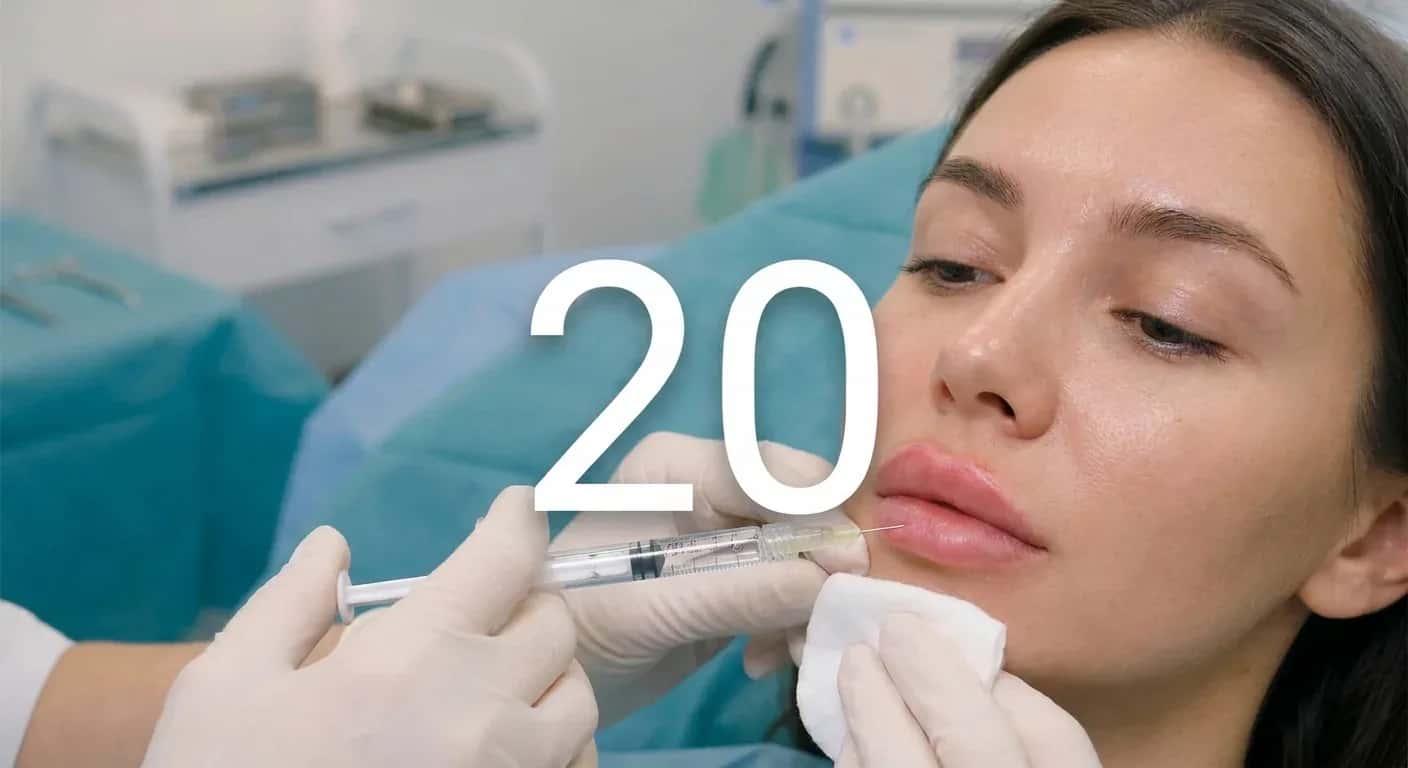
Many singers, actors, reality stars and influencers have talked openly about getting lip filler, and a growing number have also shared why they later had it dissolved. This guide looks at what 20 of these public figures said about their own lip treatments and what their experiences can teach anyone considering filler.

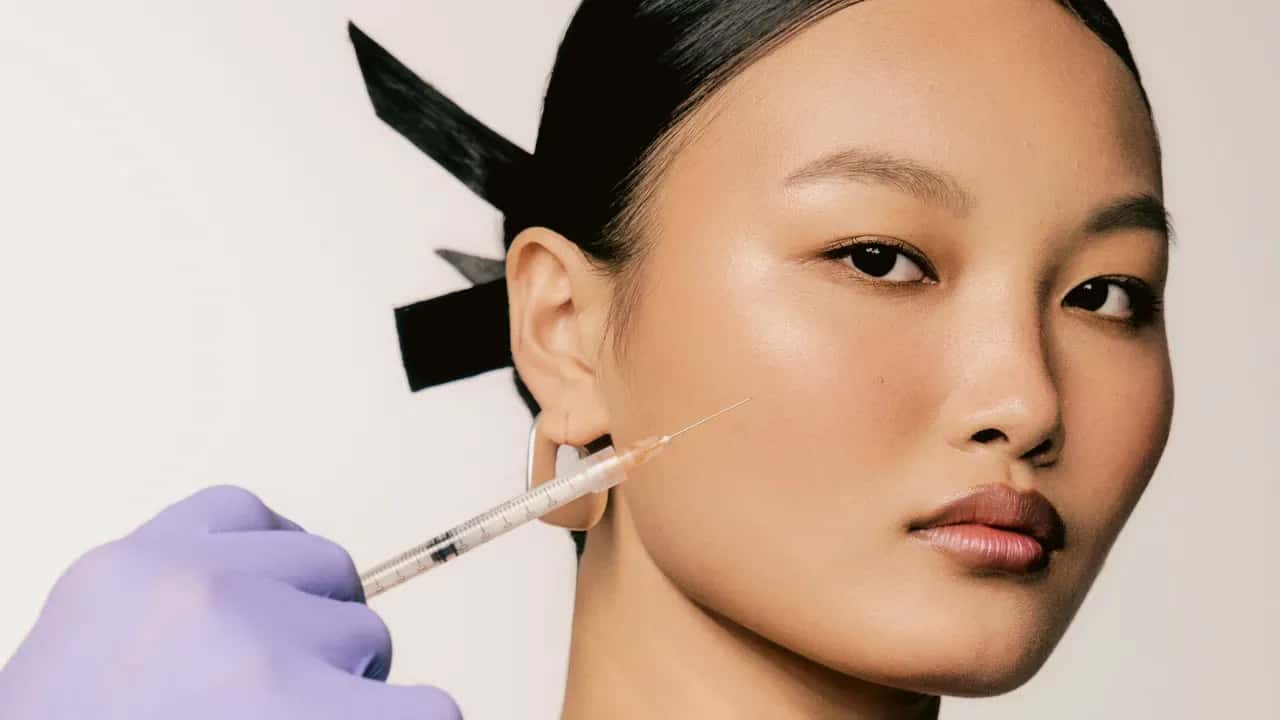
Filler fatigue describes the point where repeated dermal filler treatments leave a face looking heavier, puffier or less like itself, and it is pushing many people to rethink how they approach injectables. This guide explains what causes it, how to recognize an overfilled face.
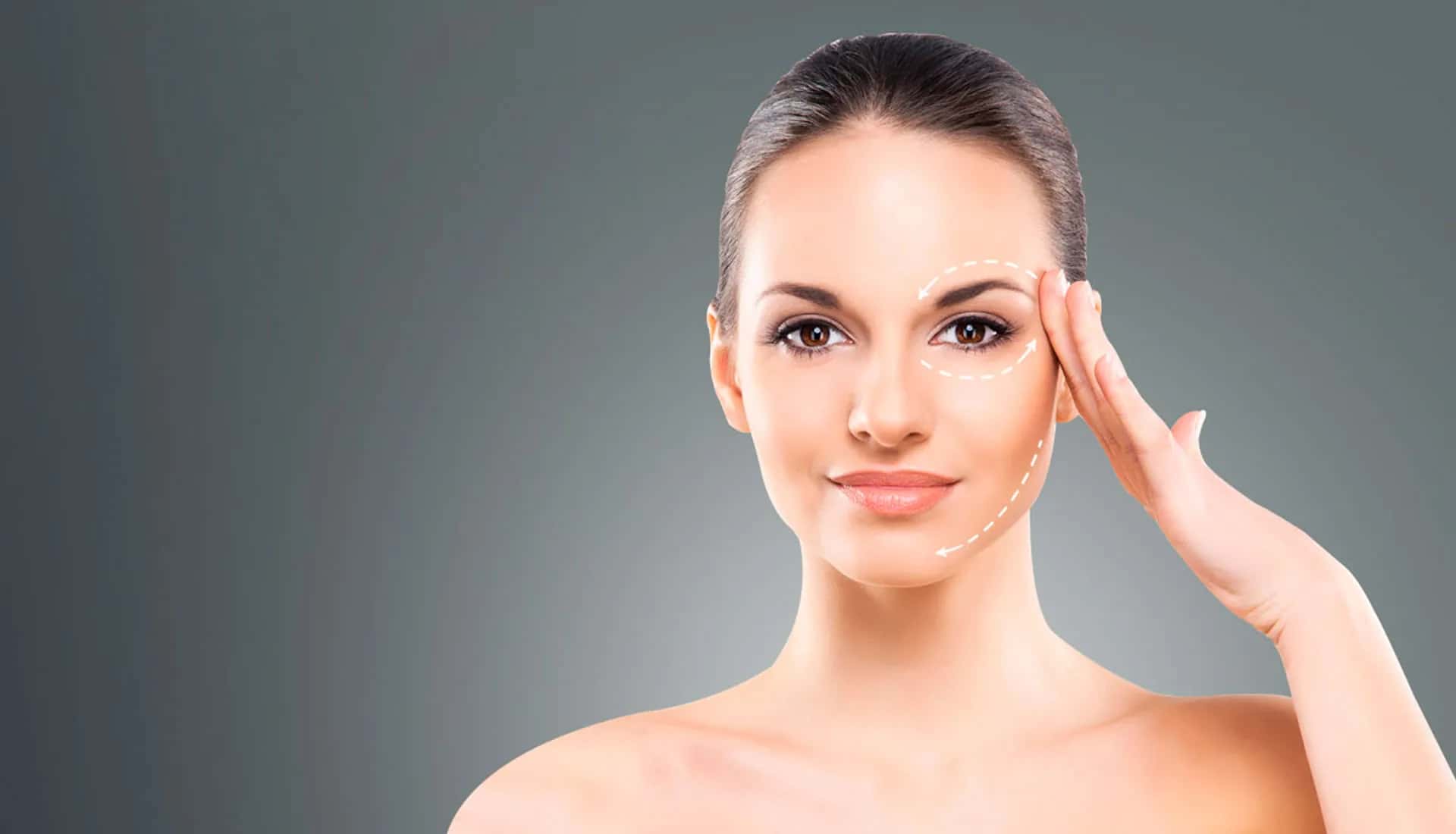
Overfilled faces develop when injectable treatments add more volume than the facial anatomy can accommodate naturally, altering contours, proportions and sometimes facial expression.
Subscribe to the Medifinder newsletter and never miss our latest content.