










Best Countries for Medical Aesthetics
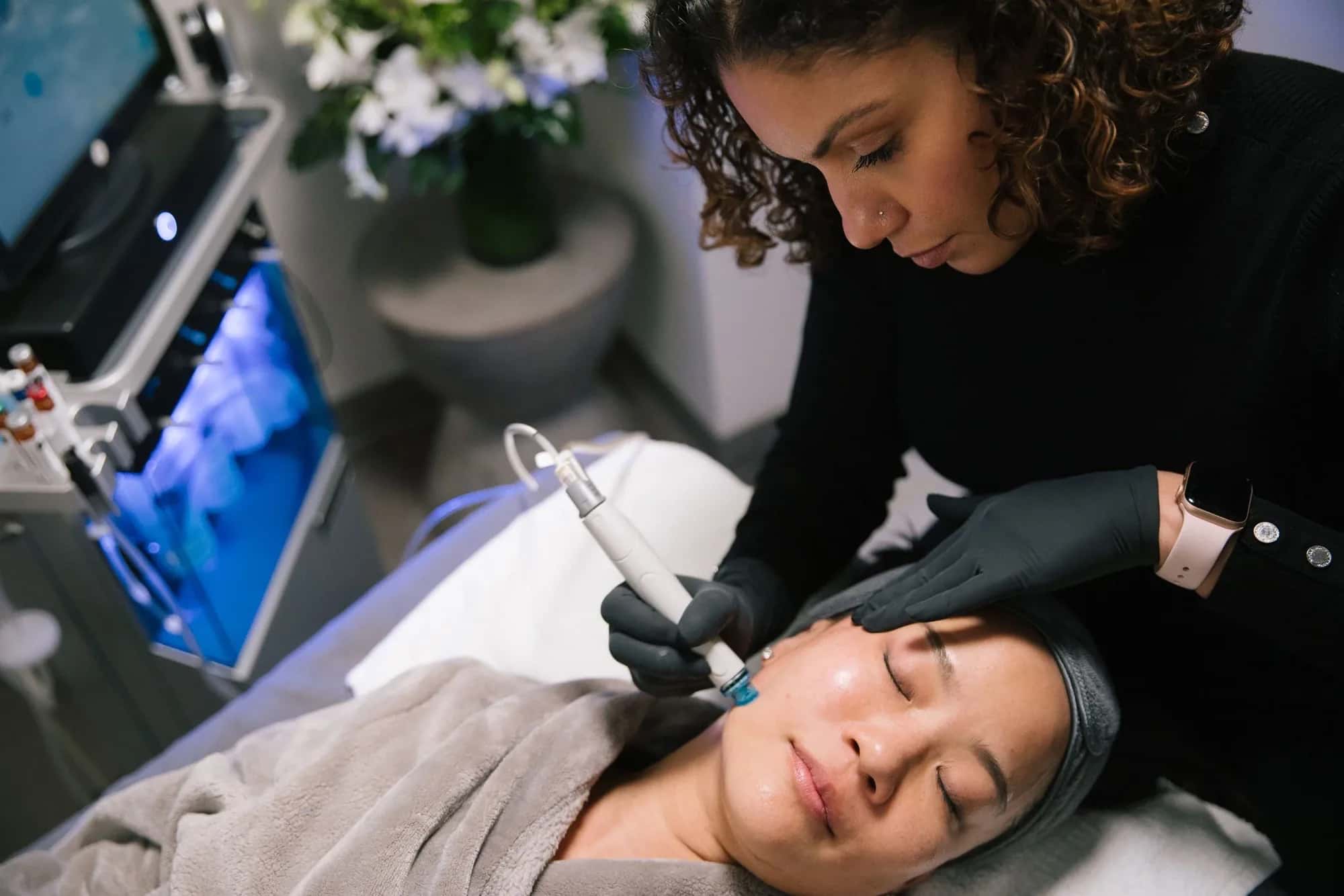
Medical aesthetics has expanded far beyond wrinkle injections, with modern treatment menus now combining botulinum toxin, dermal fillers, lasers, ultrasound, radiofrequency, skin boosters and other non-surgical technologies.

- Last updated
- 36 reads
- 11 min read


Which Countries Are Best for Medical Aesthetics in 2026?
The United States, South Korea, Turkey, Germany, the UAE, Japan and Thailand stand out in 2026 for different combinations of treatment volume, technology, specialist experience and patient access. Spain, Brazil and Mexico also offer established aesthetic markets that can be attractive for particular treatments.
The differences between these destinations matter because medical aesthetics covers an unusually broad range of procedures. A patient seeking subtle botulinum toxin treatment has very different priorities from someone comparing fractional laser resurfacing, ultrasound tightening or combination treatment for acne scarring.
| Country | Particular Strengths | General Price Position |
|---|---|---|
| United States | Injectables, lasers, advanced devices, complex treatment plans | High |
| South Korea | Skin treatments, injectables, lasers, facial contouring | Low to mid |
| Turkey | Injectables, HIFU, lasers, facial rejuvenation | Low to mid |
| Germany | Injectables, medical lasers, physician-led treatments | Mid to high |
| UAE | Premium injectables, devices, international brands | Mid to high |
| Japan | Skin quality, lasers, conservative injectables | Mid |
| Thailand | Skin rejuvenation, lasers, injectables | Low to mid |
| Spain | Injectables, lasers, skin tightening | Mid |
| Brazil | Injectables, facial treatments, body aesthetics | Mid |
| Mexico | Injectables, lasers, facial treatments | Low to mid |
No country dominates every category, so the treatment goal should narrow the destination before price enters the comparison.
What Makes a Country Strong in Medical Aesthetics?
A strong medical aesthetics market combines experienced practitioners, reliable products, modern equipment and clear medical oversight rather than simply offering a large number of treatments. The best destinations also provide realistic consultation, complication management and follow-up when results need adjustment.
Useful criteria include:
-
Practitioner qualifications and treatment-specific experience
-
Access to approved injectable products
-
Genuine branded medical devices
-
Strong laser and energy-based technology selection
-
Appropriate medical assessment before treatment
-
Clear emergency and complication protocols
-
Transparent product and dose information
-
Consistent before-and-after photography
-
Realistic treatment recommendations
-
Convenient follow-up
-
Competitive but credible pricing
-
Good communication with international patients
These factors become especially important with injectables and energy devices because the treatment may look simple while still requiring detailed anatomical knowledge.
United States: Specialist Depth and Advanced Technology
The United States remains one of the strongest medical aesthetics markets because patients can choose from an unusually wide range of experienced injectors, dermatology practices and device-based treatment centres. It also performs more non-surgical aesthetic procedures than any other single country in the latest international data.
Large cities offer almost every major category, from botulinum toxin and hyaluronic acid fillers to fractional lasers, radiofrequency microneedling, ultrasound tightening and vascular or pigment treatments. Patients can also find practitioners who concentrate narrowly on areas such as facial balancing, complication management or laser dermatology.
The disadvantage is price. Treatments that require maintenance can become expensive over several years, particularly in New York, Los Angeles, Miami and other major metropolitan markets.
South Korea: High-Volume Facial and Skin Treatments
South Korea is one of the most distinctive destinations for medical aesthetics because high treatment volumes, domestic aesthetic products and a dense clinic market have made non-surgical procedures highly accessible. Seoul in particular offers extensive menus covering injectables, lasers, skin boosters, ultrasound and radiofrequency.
The Korean market often approaches facial rejuvenation through combinations rather than one dramatic intervention. A patient might receive treatment targeting pigment, texture and hydration across separate sessions instead of expecting one procedure to correct every concern.
Prices can also be comparatively low, particularly when locally manufactured products are used.
International patients should still ask for the exact injectable brand or device name. A treatment advertised under a broad category such as lifting laser may involve very different technology from the procedure a patient researched beforehand.
Turkey: Competitive Pricing and International Patient Access
Turkey offers a strong combination of comparatively affordable medical aesthetic treatments and extensive experience serving international patients. Istanbul has the largest concentration of providers, with injectables, HIFU, laser procedures, skin boosters and facial rejuvenation commonly available.
Pricing is one reason the country attracts attention. The difference becomes particularly noticeable in treatments that cost several hundred dollars or euros per session elsewhere.
Current international Botox cost comparisons show how strongly geography, product choice and pricing models can influence what patients pay for essentially similar treatment categories.
Travelling solely for a small injection appointment may not make financial sense, however. Turkey becomes more practical when the patient already plans to visit the country or wants several compatible treatments within an appropriately spaced schedule.
Germany: Structured Medical Aesthetic Care
Germany stands out for patients who prefer physician-led aesthetic treatment within an established European medical environment. Berlin, Munich, Hamburg, Düsseldorf and Frankfurt provide broad access to injectables, medical lasers and energy-based procedures.
German pricing generally sits above Turkey or South Korea but below some premium American markets for selected treatments. The attraction is often less about bargain pricing and more about structured consultation, medical oversight and easier follow-up for European patients.
Germany is also a useful example of why the provider matters more than the procedure name. Botulinum toxin injections, vascular lasers and resurfacing treatments require very different skills, so one clinic does not automatically excel across its entire menu.
Patients should select the practitioner according to the treatment rather than the breadth of services advertised.
UAE and Dubai: Premium International Aesthetic Market
Dubai has developed a highly international medical aesthetics market where patients can access major injectable brands, premium device platforms and practitioners from a wide range of medical backgrounds. The city is particularly visible for facial injectables, skin tightening, laser treatments and combination rejuvenation.
The market covers both aggressive promotional pricing and considerably more expensive premium care. This creates one of the widest price spreads among major aesthetic destinations.
Dubai can be particularly convenient for people already living in or travelling through the Gulf because follow-up becomes easier than travelling to Europe or East Asia.
For international visitors, the clinic should identify the exact toxin, filler or device being used. Luxury surroundings and high prices do not automatically indicate superior injection technique or better clinical judgment.
Japan: Conservative Aesthetic Treatment and Skin Technology
Japan offers a mature medical aesthetics market with a strong emphasis on skin quality, controlled facial changes and relatively conservative treatment planning. Tokyo and Osaka provide broad access to botulinum toxin, fillers, pigment treatments, lasers and other dermatological technologies.
The aesthetic approach can appeal to patients who want progressive changes rather than obvious facial transformation.
Japanese practices also operate in a country with a large domestic market for skin technology, which supports access to multiple treatment modalities. Language may create more friction for international patients than in heavily tourism-oriented destinations such as Bangkok, Istanbul or Dubai.
Patients should also understand that conservative treatment does not necessarily mean inexpensive treatment. Imported injectables and premium specialist care can still carry substantial costs.
Thailand: Established Medical Tourism and Skin Treatments
Thailand combines a long-established medical tourism sector with a broad non-surgical aesthetic market. Bangkok offers the greatest choice, while Phuket and other areas also provide treatments aimed at international visitors.
Laser procedures, facial rejuvenation, injectables and energy-based treatments are widely available. Prices often sit below Australia, the United States and several Western European markets, which makes treatment attractive to travellers already spending time in Thailand.
The most important comparison is technological equivalence. A low-cost facial laser treatment may use a different wavelength, device generation or treatment protocol from a more expensive option abroad.
This becomes particularly important for pigment-prone skin, where inappropriate laser settings can create post-inflammatory pigmentation rather than improvement.
Spain: Strong European Option for Injectables and Skin Rejuvenation
Spain offers a well-established medical aesthetics market with easier travel for many European patients and prices that can remain below certain premium northern European centres. Madrid, Barcelona, Valencia and Marbella provide particularly broad treatment selections.
Injectables, facial rejuvenation, laser treatments and skin-tightening procedures are common. The country can therefore work well for patients who want international treatment without turning a relatively small procedure into a long-distance medical trip.
Follow-up is another advantage. A patient travelling from France, Germany, Portugal or the UK can potentially return more easily for review than someone treated on another continent.
Premium practitioners can still charge significantly above national averages, particularly when they focus on advanced injectable work or facial rejuvenation.
Brazil: Large Aesthetic Market Beyond Surgery
Brazil is widely associated with cosmetic surgery, but it also has a substantial non-surgical aesthetic market that includes botulinum toxin, hyaluronic acid fillers and multiple facial and body treatments. Major cities such as São Paulo and Rio de Janeiro provide extensive specialist choice.
The country's large aesthetic culture means patients can find providers with significant treatment experience, particularly in facial rejuvenation and body-focused aesthetics.
Brazil is less practical as a medical tourism destination for a single temporary injectable treatment when the patient lives far away. Botulinum toxin and fillers need maintenance, making continuity of care more relevant than with a one-time operation.
For people living in Latin America or already travelling there, however, the market offers considerable depth.
Mexico: Accessible Medical Aesthetics for North American Patients
Mexico can be one of the most practical international options for patients from the United States because travel can be short and treatment prices are often lower. Tijuana, Mexico City, Guadalajara, Monterrey and Cancún all have active aesthetic medicine markets.
Botulinum toxin, fillers, lasers and skin rejuvenation procedures are commonly available. Some providers also work extensively with English-speaking patients, reducing communication difficulties around treatment goals and aftercare.
Short travel does not remove the need for careful provider verification. Injectable complications can require rapid assessment, and aggressive laser treatments may need follow-up after the patient has crossed the border.
Mexico therefore works best when lower pricing is combined with a clear plan for review rather than used as the sole reason for travelling.
Which Countries Are Best for Botox and Dermal Fillers?
The United States, South Korea, Germany, Turkey, Brazil and the UAE all have large or well-developed injectable markets, but each offers a different balance between price and provider choice.
The United States provides enormous specialist depth, including practitioners focused on subtle facial balancing and complicated corrective cases. South Korea can offer substantially lower prices, particularly with domestic toxin products, while Turkey combines competitive costs with a large international patient market.
Germany provides a strong physician-led option within Europe, whereas Dubai offers broad access to international injectable brands.
The best destination ultimately depends on more than price because fillers and toxin require detailed anatomical planning. A cheap injection becomes expensive very quickly if asymmetry, excessive dosing or a vascular complication requires corrective care.
Which Countries Stand Out for Lasers and Skin Tightening?
South Korea, the United States, Japan, Germany, Thailand and Turkey offer particularly broad access to laser and energy-based aesthetic treatments, although individual device availability varies between clinics.
The term skin tightening can describe fundamentally different technologies. Radiofrequency, focused ultrasound and certain laser platforms deliver energy in different ways and reach different tissue depths.
For example, HIFU face tightening uses focused ultrasound to create controlled thermal points beneath the skin and is most appropriate for selected degrees of mild or moderate laxity. It does not produce the same effect as filler or surgical lifting.
Patients comparing countries should therefore search by exact technology and treatment goal rather than asking which destination has the best machine.
Is It Worth Travelling Abroad for Medical Aesthetics?
Travelling abroad for medical aesthetics can make financial sense when treatment is expensive at home, but temporary procedures and repeat sessions change the calculation compared with surgery. The saving from one injection may disappear after flights, hotels and local transportation are added.
Medical tourism becomes more logical when someone is already travelling, lives near an international border or plans a treatment that carries a substantial price difference. A series of laser sessions presents a different problem because the patient may need to return repeatedly.
Follow-up also deserves more attention than many travellers expect. Botulinum toxin may require reassessment after the effect develops, fillers can produce delayed swelling or nodules, and laser reactions sometimes need treatment after the patient has returned home.
For these reasons, convenience can be part of treatment quality.
What Should You Check Before Booking Treatment Abroad?
Patients should verify exactly who will perform the treatment, which product or device will be used and how complications will be handled after they leave the country.
Before booking, check:
-
The practitioner's medical qualifications
-
Experience with the specific treatment
-
Exact injectable brand and product
-
Dose or amount planned
-
Exact device manufacturer and model
-
Whether the treatment suits your skin type
-
How consent and medical history are handled
-
Whether emergency medications are available
-
How filler complications are managed
-
Whether follow-up is included
-
How soon you can fly after treatment
-
What happens if another session is needed
-
Whether photographs are taken consistently
-
The complete price rather than a promotional starting figure
Knowing the exact treatment matters more than knowing that a clinic offers injectables, laser or tightening.
What Are the Warning Signs of a Medical Aesthetic Provider?
The clearest warning signs are vague product information, unrealistic promises and pressure to combine treatments before a proper medical assessment.
Be cautious when:
-
The injector's qualifications are unclear
-
The clinic refuses to identify the filler or toxin brand
-
A device is described only with a marketing name
-
Everyone receives the same treatment package
-
Extremely large filler volumes are recommended immediately
-
Risks are minimized or ignored
-
Guaranteed results are promised
-
The provider cannot explain complication management
-
Pricing changes only after treatment begins
-
Before-and-after photos use inconsistent lighting
-
Multiple aggressive procedures are stacked without a clear reason
-
There is no route for follow-up after you travel home
Medical aesthetics may be non-surgical, but injectables and energy devices can still cause significant complications when used incorrectly.
Which Country Is Best for Medical Aesthetics Overall?
The best country for medical aesthetics depends on what the patient wants to treat because different markets excel in different areas. The United States offers exceptional specialist depth and access to advanced technology, while South Korea combines high treatment volume with a particularly broad skin and facial aesthetics market.
Turkey provides attractive pricing and strong international accessibility, Germany offers a structured European option, and Dubai combines premium products with a highly international practitioner market. Japan stands out for skin-focused and conservative aesthetic care, while Thailand remains one of Asia's most practical medical tourism destinations.
Spain offers accessible European treatment, Brazil has a deep domestic aesthetics culture, and Mexico can be especially convenient for North American patients.
Choosing the country is only the first filter. The best outcome usually comes from finding the right practitioner, the right product or technology and a treatment plan that solves a specific concern without adding procedures simply because they are available.
- Last updated
- Language
- English
How did you find this article?
Many singers, actors, reality stars and influencers have talked openly about getting lip filler, and a growing number have also shared why they later had it dissolved. This guide looks at what 20 of these public figures said about their own lip treatments and what their experiences can teach anyone considering filler.
Filler fatigue describes the point where repeated dermal filler treatments leave a face looking heavier, puffier or less like itself, and it is pushing many people to rethink how they approach injectables. This guide explains what causes it, how to recognize an overfilled face.

Overfilled faces develop when injectable treatments add more volume than the facial anatomy can accommodate naturally, altering contours, proportions and sometimes facial expression.
Subscribe to the Medifinder newsletter and never miss our latest content.