










HIFU Face Tightening: Benefits, Results, Recovery, and Safety
This guide explains how HIFU face tightening works, which facial areas it can improve, when results develop, how long they last, and what limitations matter.

- Last updated
- 83 reads
- 9 min read
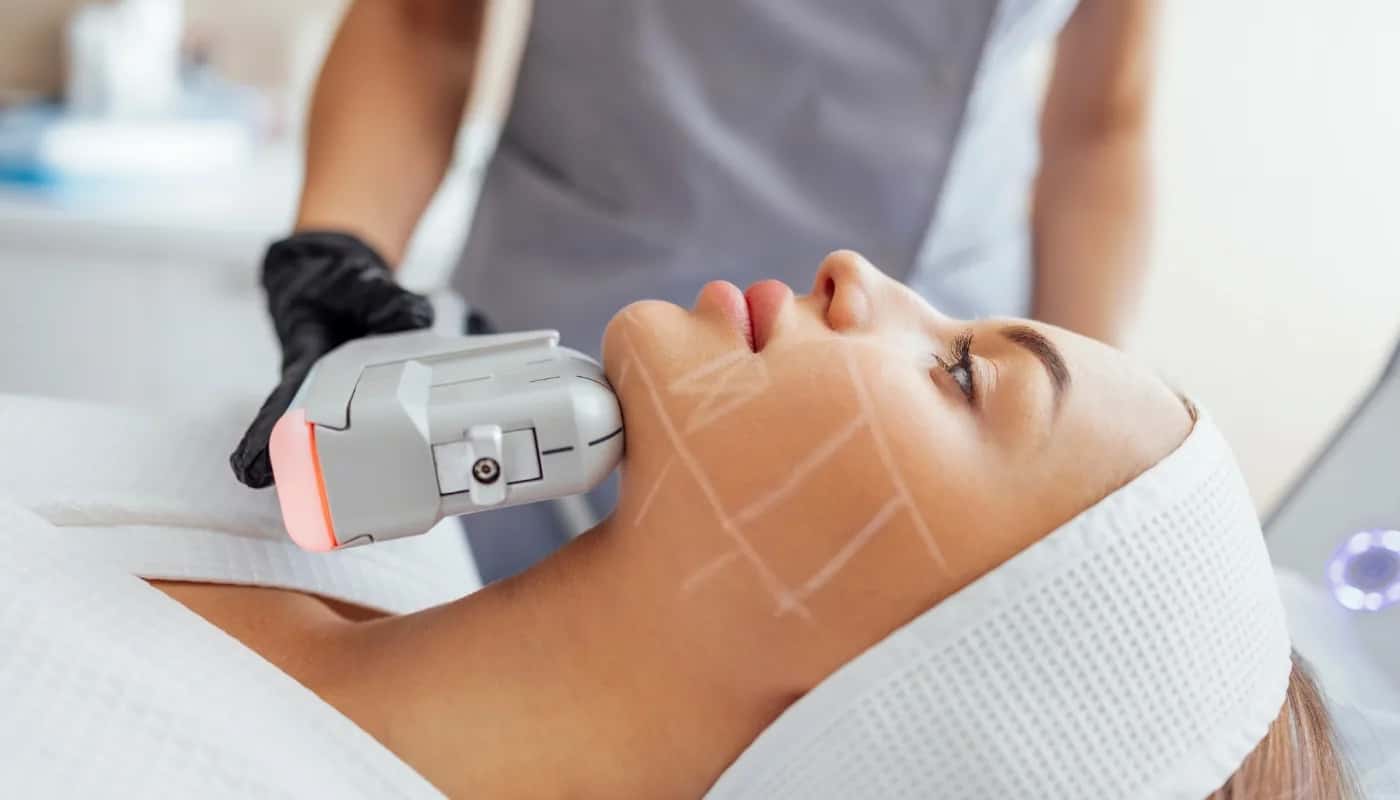


What Is HIFU Face Tightening?
HIFU face tightening is a non-surgical treatment that uses focused ultrasound energy to heat selected tissue layers and stimulate gradual tightening without cutting the skin. The treatment targets precise depths beneath the surface while leaving the outer skin largely intact.
Controlled thermal points trigger a repair response that can support collagen remodeling and improve mild laxity over time. HIFU does not add volume, remove large amounts of loose skin, or immediately reshape the entire face.
The treatment works best when the main concern involves early or moderate loss of firmness rather than advanced tissue descent requiring major repositioning.
How Does HIFU Tighten the Face?
HIFU tightens the face by delivering focused ultrasound energy into selected tissue depths, where controlled heat stimulates contraction and a longer collagen-remodeling response. The energy reaches deeper structures without creating an open wound on the skin surface.
The immediate thermal effect can produce limited tightening, while the more noticeable change develops gradually as the treated tissue remodels. New collagen organization can improve firmness and support over the following months.
HIFU does not physically pull tissue in the same way as surgery. Instead, it encourages the treated tissue to become firmer, which can create a subtle lifting effect in appropriately selected areas.
Which Areas of the Face Can HIFU Treat?
HIFU can treat several facial and upper-neck areas where early laxity causes softer contours or reduced skin firmness. Common targets include the lower face, jawline, jowls, cheeks, under-chin area, and selected neck zones.
The treatment plan should follow facial anatomy rather than apply the same energy pattern everywhere. Thin areas require different consideration from thicker lower-face tissue.
HIFU can also support contour definition when mild laxity blurs the transition between the jaw and neck. It cannot create new bone projection or restore major volume loss, so treatment goals should remain focused on tightening rather than reshaping every facial feature.
Who Is a Good Candidate for HIFU Face Tightening?
HIFU face tightening generally suits people with mild to moderate skin laxity who want gradual improvement without surgery or significant downtime. The treatment can work particularly well when the jawline has softened or the lower face has begun losing firmness.
People with substantial loose skin may see limited improvement because ultrasound energy cannot remove redundant tissue. Very lean faces also require careful planning because unnecessary treatment of deeper areas can reduce desirable facial volume.
A suitable candidate understands that HIFU produces progressive tightening rather than dramatic overnight lifting. Realistic expectations remain essential for a natural and satisfying result.
Can HIFU Improve Mild Facial Sagging?
HIFU can improve mild facial sagging by tightening selected tissue layers and encouraging collagen remodeling beneath areas that have begun losing support. The treatment works more effectively when laxity remains early enough for existing tissue to respond to controlled heating.
Mild cheek descent, softening along the lower face, and early jawline blurring may all improve gradually. HIFU cannot remove large folds of loose skin or reposition heavy facial tissue extensively.
The most successful result usually appears as a firmer, cleaner contour rather than a dramatic lift. Subtle change fits the treatment mechanism more accurately than expecting surgical-level transformation.
Can HIFU Define the Jawline?
HIFU can improve jawline definition when mild skin and soft-tissue laxity make the mandibular border look less distinct. Focused treatment along selected lower-face areas can support tighter tissue and create a cleaner transition between the jaw and neck.
The effect becomes more noticeable when laxity, rather than weak bone structure, causes the loss of definition. HIFU cannot enlarge the jawbone or create stronger chin projection.
Facial fat distribution also influences the final contour. When excess volume, severe sagging, or limited skeletal projection drives the appearance, tightening alone may not produce a sharply defined jawline.
Can HIFU Improve Jowls?
HIFU can improve mild jowls when early tissue laxity causes a small amount of lower-face descent along the jawline. Ultrasound energy can tighten supporting tissue and gradually reduce the softness that makes the mandibular border appear less defined.
HIFU does not physically remove jowl tissue. Instead, it improves firmness in the surrounding structures, allowing the lower face to look slightly more supported.
Heavier jowls respond less dramatically because they involve greater tissue descent and sometimes significant skin excess. The treatment therefore works best before advanced sagging develops and when the intended improvement remains subtle rather than surgical.
Can HIFU Tighten the Neck?
HIFU can tighten selected areas of the neck when mild skin laxity affects the transition beneath the chin or along the upper neck. The treatment targets deeper tissue layers while stimulating gradual firmness through controlled thermal energy.
Upper-neck laxity often responds better than pronounced hanging skin or strong vertical neck bands. HIFU cannot remove excess skin or completely correct structural neck aging.
The neck also contains important anatomical structures, so treatment depth and placement require careful control. A conservative plan aims to improve firmness without unnecessarily heating areas that do not contribute to the visible concern.
Does HIFU Stimulate Collagen Production?
HIFU stimulates collagen remodeling by creating controlled thermal points beneath the skin, which activates a natural repair response within the treated tissue. Existing collagen can contract while longer-term remodeling gradually improves tissue support and firmness.
This process explains why HIFU results develop over time rather than appearing fully during the appointment. The skin may feel temporarily tighter early on, but collagen-related improvement continues over the following weeks and months.
HIFU does not create unlimited collagen or permanently stop aging. The treatment encourages the existing tissue to respond, while future aging and environmental factors continue affecting skin structure.
How Deep Does HIFU Work in the Skin?
HIFU works at selected depths beneath the skin by using cartridges or settings designed to focus ultrasound energy within specific tissue layers. Different depths can target superficial tissue, deeper dermal structures, or supportive layers beneath them.
The correct depth matters because facial anatomy changes significantly between the forehead, cheeks, jawline, and neck. Treating every region at the same level can increase unnecessary risk.
Accurate depth selection also helps preserve facial fat when the treatment goal involves tightening rather than volume reduction. HIFU works through controlled focal points, so precision matters more than simply delivering the highest possible energy.
Is HIFU Face Tightening Painful?
HIFU face tightening can cause temporary discomfort because focused ultrasound creates brief pulses of heat within deeper tissue layers. People commonly describe the sensation as small electrical pulses, warmth, pressure, or short bursts of tenderness.
More sensitive areas may include the jawbone, chin, and regions where tissue remains thin. The discomfort usually occurs during energy delivery rather than continuing at the same intensity afterward.
After treatment, mild tenderness or tingling can persist for several days. Severe or progressively worsening pain is not a typical recovery pattern and should receive appropriate medical assessment.
How Long Does a HIFU Facial Treatment Take?
A HIFU facial treatment usually takes between approximately 30 and 90 minutes, depending on the number of areas treated and the complexity of the planned coverage. A limited jawline treatment generally takes less time than combined face and neck treatment.
The appointment includes assessment, treatment mapping, ultrasound gel application, and controlled energy delivery. Precise placement matters more than completing the session as quickly as possible.
HIFU does not usually require an extended recovery period after treatment. Most people can leave immediately, although temporary redness, tenderness, or mild swelling may remain visible for a short time.
What Is Recovery Like After HIFU?
Recovery after HIFU is usually short because the treatment delivers energy beneath the skin without creating surgical incisions or a large surface wound. Mild redness, tenderness, swelling, tingling, or sensitivity can develop shortly after the session.
Most early reactions settle gradually without preventing normal daily activities. Some areas may feel slightly sore when touched for several days, particularly along the jawline.
Temporary numbness or unusual sensitivity can also occur in selected areas. Recovery should move toward improvement rather than increasing discomfort. Persistent weakness, severe pain, marked swelling, or prolonged sensory changes require further evaluation.
When Do HIFU Results Become Visible?
HIFU results usually become more noticeable gradually over several weeks and months as collagen remodeling improves tissue firmness. Some people notice an early tightening sensation, but the immediate appearance does not represent the final result.
The visible change often develops progressively around the jawline, lower face, or neck as treated tissue becomes firmer. This gradual response allows the result to appear less abrupt than procedures that add immediate volume.
The full effect requires patience because collagen remodeling follows a biological timeline. Judging the outcome too early can underestimate the degree of tightening that may appear later.
How Long Do HIFU Face Tightening Results Last?
HIFU face tightening results can remain visible for several months to more than a year, although natural aging continues after the treatment. The duration depends on skin quality, age-related changes, lifestyle, treatment intensity, and the degree of existing laxity.
HIFU does not freeze the face at one point in time. Collagen remodeling can strengthen tissue temporarily, but the skin continues responding to age, sun exposure, weight changes, and other biological influences.
Some people later choose maintenance treatment after the initial effect gradually declines. Repeating treatment too frequently without reassessment does not automatically create a better result.
How Many HIFU Sessions Are Usually Needed?
Many people begin with a single HIFU session and assess the gradual result over the following months before considering additional treatment. The number of sessions should reflect tissue response, treatment goals, age, and the severity of laxity.
Important factors include:
-
Degree of facial laxity
-
Skin thickness
-
Treatment area
-
Previous procedures
-
Facial fat distribution
-
Age-related tissue changes
-
Response to the first session
-
Desired level of tightening
HIFU should not become a frequent routine simply because the procedure requires little downtime. Reassessment allows the tissue response to guide future treatment more safely.
What Are the Side Effects of HIFU?
Common HIFU side effects include temporary redness, tenderness, mild swelling, tingling, sensitivity, and occasional numbness in the treated region. These reactions usually reflect the tissue response to focused ultrasound energy and often settle gradually.
Some people notice temporary soreness when touching the jawline or chewing. Less common problems can include burns, prolonged sensory changes, nerve irritation, contour irregularity, or unwanted volume reduction.
Using unsuitable energy or treating an inappropriate depth can increase risk. Severe pain, facial weakness, persistent numbness, blistering, or significant swelling requires prompt medical evaluation rather than routine observation.
Can HIFU Cause Facial Fat Loss?
HIFU can reduce facial fat when energy reaches deeper fat-containing layers with sufficient intensity, which may create unwanted hollowing in lean faces. This risk matters because not every patient benefits from reducing facial volume.
Someone with already limited cheek or temple fat may look older if treatment unintentionally decreases supportive volume. The lower face can also develop contour changes when energy placement does not match the intended target.
For this reason, treatment planning should distinguish between tightening loose tissue and reducing unwanted fullness. More energy or greater depth does not automatically create better tightening and may increase undesirable volume loss.
Can HIFU Replace a Facelift?
HIFU cannot fully replace a facelift when significant skin excess, heavy jowls, or advanced tissue descent requires substantial repositioning. HIFU creates gradual tissue tightening, while a facelift surgically repositions deeper structures and removes redundant skin.
People with early laxity may prefer HIFU because it avoids surgery and generally requires less downtime. However, expecting the same lifting power from both treatments creates unrealistic expectations.
The procedures address different levels of facial aging. HIFU works best for subtle firmness and contour improvement, while surgical lifting remains more appropriate for advanced structural sagging that energy-based treatment cannot adequately correct.
What Makes HIFU Face Tightening Look Natural?
Natural HIFU results come from treating only the tissue that requires tightening while preserving facial volume, movement, and the proportions that already suit the face. The goal should remain subtle firmness rather than aggressive contraction.
A balanced result does not make the face look pulled or unusually narrow. Instead, the jawline may appear cleaner, the lower face slightly firmer, and the neck transition more defined.
Natural treatment also respects areas where facial fat provides important support. Precise depth selection and conservative energy placement help improve tissue quality without unnecessarily changing volume. The best HIFU result looks refreshed rather than obviously treated.
- Last updated
- Language
- English
How did you find this article?
Many singers, actors, reality stars and influencers have talked openly about getting lip filler, and a growing number have also shared why they later had it dissolved. This guide looks at what 20 of these public figures said about their own lip treatments and what their experiences can teach anyone considering filler.
Filler fatigue describes the point where repeated dermal filler treatments leave a face looking heavier, puffier or less like itself, and it is pushing many people to rethink how they approach injectables. This guide explains what causes it, how to recognize an overfilled face.

Overfilled faces develop when injectable treatments add more volume than the facial anatomy can accommodate naturally, altering contours, proportions and sometimes facial expression.
Subscribe to the Medifinder newsletter and never miss our latest content.