










Aftercare Tips for Carbon Peeling Success

- Last updated
- 37 reads
- 10 min read
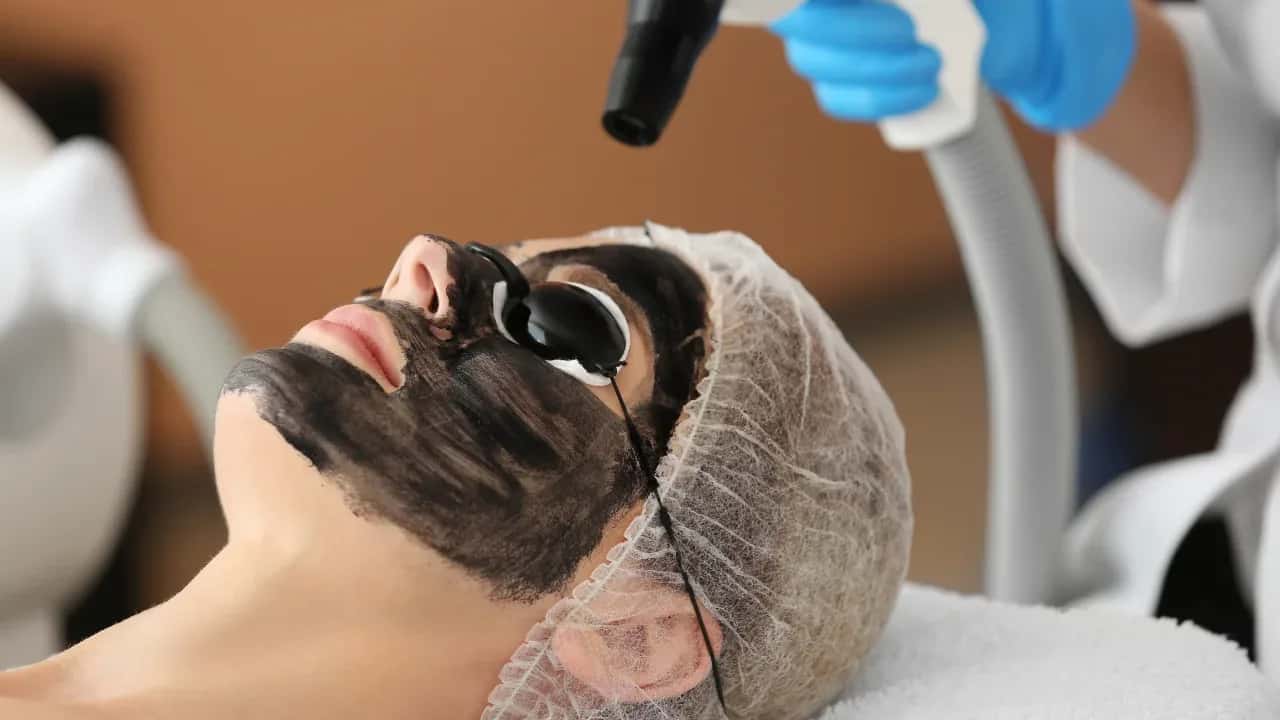


Carbon Peeling can be a helpful option for people looking to refresh dull, congested, or acne-prone skin with minimal downtime. The treatment is only one part of the process, though; what you do afterward plays a major role in how calm, clear, and comfortable your skin feels. With the right aftercare, you can support skin rejuvenation, reduce avoidable irritation, and protect your results as your skin settles.
Why does aftercare matter after Carbon Peeling?
Aftercare matters because Carbon Peeling temporarily leaves the skin more sensitive than usual, even when the treatment feels gentle. Your skin may look brighter quickly, but the surface still needs time to rebalance, rebuild moisture, and stay protected from heat, friction, sun exposure, and harsh products. A simple, consistent routine helps your skin recover smoothly and allows the benefits of the treatment to develop without unnecessary setbacks.
Carbon Peeling uses a carbon-based lotion and laser energy to help lift surface buildup, refine the look of pores, and support a fresher complexion. Because the treatment interacts with oil, debris, and the upper layers of the skin, it is common for the face to feel a little warm, dry, pink, or tight afterward. These effects are usually temporary, but they can become more noticeable if the skin is over-cleansed, exfoliated too soon, or exposed to strong sunlight.
Good aftercare is not complicated. In fact, the best approach is usually to do less, not more. A calm routine gives your skin the chance to settle while avoiding the common mistake of adding too many active products right after treatment.
The first 24 hours are about calming the skin
The first day after Carbon Peeling should be treated as a reset period. Your goal is to keep the skin clean, cool, hydrated, and undisturbed. Even if your face looks normal, it is wise to act as though your skin barrier is more delicate than usual.
Avoid hot showers, steam rooms, saunas, intense exercise, and anything that causes heavy sweating. Heat can make temporary redness or sensitivity worse, and sweat may sting or irritate freshly treated skin. If you need to wash your face, use lukewarm water and a gentle cleanser rather than scrubs, cleansing brushes, or strong foaming formulas.
During this early stage, skip makeup if possible. If you must wear it, choose lightweight, non-comedogenic products and remove them gently. The less rubbing and layering you do, the easier it is for your skin to calm down.
A simple first-day routine can look like this:
-
Cleanse gently with lukewarm water and a mild cleanser.
-
Pat the skin dry with a soft towel instead of rubbing.
-
Apply a basic hydrating moisturizer.
-
Use broad-spectrum sunscreen during daylight hours.
-
Avoid active ingredients, exfoliation, heat, and heavy products.
This routine may feel too plain if you are used to a more complex skincare regimen, but plain is exactly what the skin often needs after treatment.
Products to pause while your skin recovers
One of the most important aftercare tips is knowing what not to use. Active ingredients can be valuable in a normal skincare routine, especially for acne treatment, texture, pigmentation, and anti-aging concerns. Right after Carbon Peeling, however, they may be too stimulating.
For a short recovery window, consider pausing products such as retinoids, exfoliating acids, strong vitamin C formulas, benzoyl peroxide, abrasive scrubs, peel pads, and high-strength acne spot treatments. These products may increase dryness, flaking, stinging, or redness when the skin is already sensitized. Your provider may give you a specific timeline for restarting them, and that guidance should come first.
Fragranced products are also worth avoiding temporarily. Fragrance is not always a problem for everyone, but freshly treated skin can react differently than it normally does. If you have a choice between a simple, fragrance-free moisturizer and a heavily scented cream, choose the simpler option.
Be careful with masks as well. Clay masks, peel-off masks, and resurfacing masks can feel tempting if your goal is clearer skin, but they may over-dry or irritate the skin too soon after treatment. Hydrating masks may be better tolerated, but only use them if your skin feels comfortable and your provider has not advised against it.
Sunscreen protects the results you are trying to build
Sun protection is essential after Carbon Peeling because treated skin can be more vulnerable to irritation and uneven-looking tone. Even brief, casual exposure can affect skin that is in a sensitive recovery phase. Daily sunscreen helps protect the clearer, brighter look you are working toward and supports long-term skin rejuvenation.
Choose a broad-spectrum sunscreen that feels comfortable enough to wear consistently. The best sunscreen is not necessarily the most expensive one; it is the one you will actually apply generously and reapply when needed. If your skin is acne-prone, look for lightweight or non-comedogenic options that do not feel greasy or heavy.
Sunscreen should not be your only form of protection. A wide-brimmed hat, shade, and avoiding peak sun exposure can all help, especially in the first several days after treatment. If you are outdoors for an extended period, reapplication matters. A single morning layer is unlikely to protect you all day.
Think of sunscreen as part of the treatment plan, not an optional finishing step. Without it, you may be more likely to experience sensitivity or uneven tone, particularly if your skin is already prone to discoloration.
How should you care for acne-prone skin after treatment?
If you use Carbon Peeling as part of an acne treatment plan, keep your aftercare gentle, non-clogging, and consistent. The goal is to support clearer skin without attacking it with too many drying or antibacterial products immediately afterward. Over-treating acne-prone skin can weaken the moisture barrier, which may make the skin feel oilier, tighter, more reactive, or more inflamed.
Acne-prone skin often needs balance. You may want every pore to feel deeply clean after treatment, but aggressive cleansing can backfire. Wash your face no more than needed, avoid picking at blemishes, and do not try to “speed up” results with scrubs or strong spot treatments unless you have been told they are safe to resume.
If small bumps or a temporary breakout appears after treatment, resist the urge to panic. Skin can sometimes purge, react to product changes, or become irritated by touching, sweating, or heavy makeup. Instead of adding multiple new products, return to the basics and monitor how your skin responds.
A supportive acne-friendly aftercare routine may include:
-
A mild cleanser that does not leave the skin squeaky or tight.
-
A light, non-comedogenic moisturizer to reduce dryness.
-
Sunscreen that suits oily or blemish-prone skin.
-
Clean pillowcases and towels to reduce unnecessary contact with buildup.
-
Hands-off habits, especially around active pimples or sensitive areas.
If you already use prescription or professional acne products, ask when to restart them. Timing can vary depending on your skin condition, product strength, and how your skin reacted to the session.
Hydration helps the skin barrier feel comfortable
Hydration is one of the simplest ways to support recovery after Carbon Peeling. The treatment may leave your skin feeling smoother, but it can also create temporary dryness or tightness. A good moisturizer helps reduce that uncomfortable feeling while supporting the skin barrier.
Look for formulas that focus on barrier comfort rather than dramatic resurfacing. Ingredients such as humectants, soothing agents, and barrier-supportive moisturizers can be useful, while harsh actives should wait until your skin is ready. The texture can depend on your skin type: oily skin may prefer a gel-cream, while dry skin may need a richer cream.
Do not assume that acne-prone skin should skip moisturizer. Dehydrated skin can still produce oil, and dryness can make blemishes look more irritated. A balanced moisturizer can help your skin feel calmer without necessarily clogging pores, especially when you choose a formula designed for your skin type.
Internal hydration also helps you feel your best, though drinking water is not a replacement for topical care. Aim for steady hydration, avoid excessive alcohol immediately after treatment if it tends to dehydrate or flush your skin, and support your body with normal healthy habits.
Gentle cleansing prevents unnecessary irritation
Cleansing after Carbon Peeling should be effective but mild. Your cleanser should remove sunscreen, oil, and daily buildup without stripping the skin. If your face feels tight, itchy, or squeaky after washing, the formula may be too harsh for the recovery period.
Use your fingertips rather than washcloths, scrubbing pads, or cleansing devices. Massage lightly, rinse with lukewarm water, and pat dry. This small change can make a noticeable difference because friction is one of the easiest ways to irritate freshly treated skin.
If you wear sunscreen or makeup, you may want to double cleanse eventually, but be cautious right after treatment. A gentle first cleanse followed by a mild water-based cleanser may be suitable for some people, while others may find that too much. Let your skin’s comfort guide you, and keep the routine as minimal as possible in the first few days.
Habits that can interfere with your glow
Successful aftercare is not only about products. Daily habits can either support or disrupt the results of Carbon Peeling. Small choices, repeated consistently, often make the biggest difference.
Try to avoid these common post-treatment mistakes:
-
Touching your face repeatedly, especially with unwashed hands.
-
Picking at flakes, clogged pores, or blemishes.
-
Using scrubs because the skin feels rough or dry.
-
Applying several new skincare products at once.
-
Exercising intensely too soon if it causes heat and heavy sweat.
-
Getting direct sun exposure without reliable protection.
-
Booking another strong facial, peel, waxing, or exfoliating treatment too close to your session.
These habits can create irritation that may look like a poor treatment result when the real issue is overstimulation. When in doubt, choose the gentler option and give your skin more time.
Sleep and cleanliness matter too. Change your pillowcase, keep phone screens clean, and avoid resting your face on your hands. These steps are especially useful if you are receiving Carbon Peeling for congestion or acne treatment.
When to restart your normal skincare routine
Restarting your regular routine should be gradual. Even if your skin feels fine after a day or two, jumping back into strong actives too quickly can cause dryness or irritation. It is usually better to reintroduce one product at a time so you can tell what your skin tolerates.
Begin with the basics: cleanser, moisturizer, and sunscreen. Once your skin feels calm, you can slowly bring back treatment products, depending on your provider’s advice. If you use multiple active ingredients, avoid restarting all of them on the same night.
A careful reintroduction plan may look like this:
-
Keep the routine simple until redness, stinging, or tightness has settled.
-
Restart one active product at a time.
-
Use active products less frequently at first.
-
Watch for dryness, burning, peeling, or new irritation.
-
Pause again if your skin feels uncomfortable.
This approach is especially important for people using retinoids, exfoliating acids, or strong acne treatment products. Your skin does not need to be pushed hard to maintain results. Consistency and protection usually matter more than intensity.
Results improve with realistic expectations
Carbon Peeling can make the skin look fresher and more refined, but results vary from person to person. Some people notice a quick glow, while others are focused on gradual improvements in congestion, texture, or the appearance of pores. Your skin type, concerns, routine, and number of sessions can all influence what you see.
Aftercare helps you get the most from each session, but it cannot replace a personalized treatment plan. If your main goal is acne treatment, you may need a broader approach that includes home care, lifestyle adjustments, professional guidance, or other treatments. If your goal is skin rejuvenation, maintenance sessions and daily sun protection may be part of keeping your skin looking its best.
It is also important to know when to ask for help. Mild redness, tightness, or dryness may be expected, but intense burning, swelling, blistering, worsening pain, or signs of infection should be addressed promptly. Do not try to treat a strong reaction on your own with random products.
A simple aftercare checklist
Use this checklist as a practical reminder after your appointment:
-
Keep skin cool and avoid heat for the first day.
-
Cleanse gently with lukewarm water.
-
Moisturize with a simple, soothing formula.
-
Wear broad-spectrum sunscreen every day.
-
Avoid scrubs, acids, retinoids, and strong acne products until cleared to restart.
-
Skip picking, squeezing, or rubbing the skin.
-
Keep makeup light or avoid it temporarily.
-
Change pillowcases and use clean towels.
-
Reintroduce active products slowly.
-
Follow the specific instructions given after your session.
This kind of routine is easy to overlook because it is not dramatic. Yet it is often the quiet, consistent care that keeps the skin comfortable and helps results last longer.
- Last updated
- Language
- English
How did you find this article?

This 2026 winter skincare guide explains how to protect the skin barrier, prevent dryness, adjust active ingredients, and maintain a balanced routine as temperatures fall.


This guide explains PDRN skin treatments, including how they work, potential benefits, injections, topical products, treatment frequency, recovery, safety, and current clinical evidence.
Subscribe to the Medifinder newsletter and never miss our latest content.