










A Dermatologist's Guide To Hair Loss Treatments
Hair loss can feel personal, frustrating, and confusing, especially when every shelf and social feed seems to promise thicker hair by next month. The good news is that many types of shedding and thinning can be evaluated, managed, or improved when you understand the cause and choose a treatment plan that fits it.

- Last updated
- 62 reads
- 9 min read



What should you do first when you notice hair loss?
Start by figuring out what kind of hair loss you are dealing with, because the best treatment depends on the cause. Dermatologists typically look at your scalp, ask about your medical history, diet, hair care routine, family history, medications, and timing of shedding, and may recommend blood tests or a scalp biopsy when the diagnosis is not clear.
That first step matters more than most people think. A treatment that helps hereditary thinning may do very little for shedding after illness, iron deficiency, thyroid changes, tight hairstyles, or inflammation on the scalp. In some cases, waiting too long can make regrowth harder, especially if scarring or long-term follicle damage is involved.
A simple way to prepare for an appointment is to bring details, not guesses. Note when the shedding began, whether it came on suddenly or gradually, where the thinning appears, and whether you have itching, pain, flaking, or redness. Photos from before the hair loss started can also help your clinician see the pattern more clearly.

The main types of hair loss are not all treated the same way
Hair loss is often talked about as one problem, but dermatologists think in patterns. Diffuse shedding, widening parts, receding hairlines, bald patches, and broken hairs can point in different directions. Matching the pattern to the cause is what turns a random shopping trip into a real plan.
Common categories include:
- Hereditary hair thinning: Often called male-pattern or female-pattern hair loss, this tends to develop gradually. It may show up as a receding hairline, crown thinning, or a widening part.
- Telogen effluvium: This is increased shedding that can happen after stressors such as illness, surgery, childbirth, weight change, major stress, or certain medications. The trigger may have happened months before the shedding becomes obvious.
- Alopecia areata: This autoimmune condition often causes round or patchy areas of hair loss. It can involve the scalp, beard, eyebrows, or other areas.
- Traction-related hair loss: Tight ponytails, braids, extensions, or repeated tension can irritate follicles and cause thinning, especially around the hairline.
- Scalp disease or inflammation: Conditions that cause scale, redness, tenderness, pustules, or scarring need medical attention because they may permanently affect follicles.
This is why “best hair loss solutions” is not a one-size-fits-all question. The best option for one person might be a medication, while another person may need to change styling habits, treat inflammation, correct a deficiency, or simply give the body time to recover.
Minoxidil remains a common starting point
Minoxidil is one of the most familiar over-the-counter hair growth products, and it is often used for hereditary thinning. It comes in topical forms such as foam or solution, and Mayo Clinic notes that nonprescription minoxidil may take several months to show whether it is helping.
The catch is consistency. Minoxidil is not a “use it until the bottle runs out” product. FDA labeling for topical minoxidil notes that continued use is needed to maintain regrowth, and hair loss can begin again after stopping.
Some people notice extra shedding early on, which can be alarming. That does not always mean the treatment is failing, but it is worth discussing with a dermatologist if shedding is dramatic, your scalp becomes irritated, or you are unsure whether you are applying it correctly. It is also important to keep topical minoxidil away from pets, as the American Academy of Dermatology warns it can be toxic to cats and dogs.
Prescription options can be powerful, but they need guidance
Prescription medications are often considered when over-the-counter treatments are not enough or when the hair loss pattern suggests a hormone-sensitive process. Finasteride is commonly discussed for male-pattern hair loss, and dermatologists may use other medications, such as spironolactone or other anti-androgen approaches, in selected patients with female-pattern hair loss. The American Academy of Dermatology describes minoxidil, finasteride, spironolactone, and surgical options as treatments used to maintain, improve, or optimize hair growth in hereditary hair loss.
These medications are not casual add-ons. They can have side effects, may not be appropriate during pregnancy or while trying to conceive, and may interact with certain health conditions. A dermatologist can help weigh the benefits and risks based on your age, medical history, goals, and diagnosis.
It is also important to ask what “success” should look like. For some people, the goal is visible regrowth. For others, the first win is slowing shedding and keeping the hair they still have. That may not sound exciting, but stabilizing hair loss can be a big deal.
Do hair growth products really work?
Some hair growth products can help, but many cosmetic products mainly improve how hair looks and feels rather than changing the biology of the follicle. Thickening shampoos, volumizing sprays, scalp serums, and bond-building products may make hair appear fuller, reduce breakage, or support scalp comfort, but they should not be confused with medically proven treatment for progressive hair loss.
That does not mean they are useless. A good cosmetic routine can make thinning hair easier to style and less prone to breakage while medical treatment does the slower work. The key is knowing what each product is supposed to do.
Use this quick reality check before buying:
- Is the product treating the scalp, the follicle, or the hair shaft? Hair-shaft products can improve texture and fullness, but they may not regrow hair.
- Does it name an active ingredient? Vague claims like “awakens follicles” or “detoxes the scalp” deserve skepticism.
- How long does it say results take? Real hair growth is slow. Promises of dramatic change in days are a red flag.
- Is your scalp sensitive? Burning, stinging, flaking, or redness is not something to push through.
- Will you actually use it? The best routine is one you can repeat without turning your bathroom into a laboratory.
When in doubt, bring the product list to a dermatology visit. You do not need to feel embarrassed; clinicians see long ingredient lists and viral products all the time.
Procedures can help the right candidate
In-office procedures may be part of a treatment plan, especially when topical and oral options are not enough or when someone wants a more comprehensive approach. The most talked-about options include platelet-rich plasma, low-level laser therapy, and hair transplantation.
Platelet-rich plasma, often called PRP, uses a processed sample of your own blood that is injected into the scalp. The American Academy of Dermatology describes PRP as a treatment that studies suggest can be safe and effective for some hair loss patients, though results vary and multiple sessions are usually involved.
Low-level laser devices may be considered by people who prefer a non-drug option or want something to combine with other treatments. Hair transplant surgery can offer natural-looking results for selected people with stable pattern hair loss, but Mayo Clinic notes that nonprescription options are often tried before moving to transplant surgery.
Procedures are not magic shortcuts. They require the right diagnosis, realistic expectations, and a plan to protect existing hair. If active shedding or scalp inflammation is still ongoing, jumping straight to an expensive procedure may not be the smartest move.
Healthy hair habits support the treatment plan
Lifestyle changes cannot reverse every type of hair loss, but they can remove obstacles. Hair is sensitive to physical stress, inflammation, harsh styling, and nutritional gaps. If you are already investing time and money into treatment, it makes sense to stop doing things that work against your scalp.
Dermatologist-friendly habits include:
- Go gentler with styling. Avoid frequent tight hairstyles, heavy extensions, aggressive brushing, and high heat when possible.
- Wash based on your scalp, not myths. Some people need frequent washing to control oil or scale. Others do better with less frequent cleansing. Clean hair does not cause baldness.
- Treat dandruff or scalp irritation early. Itching and flaking can lead to scratching and breakage, and some inflammatory conditions need prescription care.
- Eat enough overall. Crash dieting and low protein intake can contribute to shedding in some people.
- Be careful with supplements. More is not always better. Some excessive nutrients may be harmful, and supplements only help if they address a real need.
- Take progress photos monthly. Daily mirror checks can make you feel worse. Monthly photos in the same lighting are more useful.
The goal is not perfection. It is creating a scalp environment where the chosen treatment has a fair chance to work.
Patience is part of treatment, not a backup plan
Hair grows slowly, so most hair loss treatments require months of steady use before you can judge results. That waiting period is hard, especially when shedding affects confidence, but switching products every few weeks can make it impossible to know what is helping.
A practical timeline is to choose a plan with your dermatologist, follow it consistently, and reassess at a planned interval. If you are using a topical treatment, apply it as directed. If you are taking a prescription, ask what side effects to watch for and when to report them. If you are changing styling habits, give the hairline time to recover from repeated tension.
Progress can also look uneven. You may first notice less shedding in the shower, then short new hairs, then gradual density improvement. Sometimes the biggest success is that the part stops widening or the crown does not look worse in photos.
Warning signs deserve prompt care
Some hair changes should not be handled with guesswork. Sudden patchy bald spots, scalp pain, pus, heavy scaling, bleeding, or hair loss with a rash can point to conditions that need medical evaluation. So can rapid shedding after starting a new medication or hair loss along with fatigue, weight change, or menstrual changes.
You should also get help if hair loss is affecting your mood or daily life. Feeling upset about hair loss is not vanity. Hair is tied to identity, culture, age, health, and self-expression, so it makes sense that changes can feel emotional.
A dermatologist can help separate urgent issues from slower cosmetic concerns. Even if the answer is reassurance, that reassurance is more meaningful when it comes after a proper exam.
Building a realistic plan
The best plan is usually layered, simple, and specific. Instead of buying five new products at once, focus on diagnosis, consistency, and follow-up. Hair loss solutions work best when each part has a job.
A realistic plan might include:
- A diagnosis or working diagnosis from a qualified clinician
- One or two evidence-based treatments matched to the hair loss type
- A gentle hair care routine that reduces breakage and irritation
- A timeline for reassessment, often measured in months rather than weeks
- Photos to track progress without obsessing daily
- A backup plan if the first approach does not work
This approach also protects your budget. It is easy to spend a lot on trendy bottles, devices, and supplements without knowing whether they match your condition. A clear plan helps you say yes to what makes sense and no to what only sounds exciting.
The takeaway
Hair loss is common, but that does not make it simple. The right hair loss treatments depend on the pattern, cause, timing, scalp health, and your personal goals. Over-the-counter minoxidil, prescription medications, procedures, cosmetic products, and healthier hair habits can all have a place, but they work best when they are chosen with a diagnosis in mind.
If you are noticing new thinning, shedding, or bald patches, do not panic-buy your way through the problem. Start with the basics, get your scalp evaluated when needed, and give any treatment enough time to prove itself. A calm, consistent plan is far more useful than chasing every new promise of overnight hair growth.
- Last updated
- Language
- English
How did you find this article?
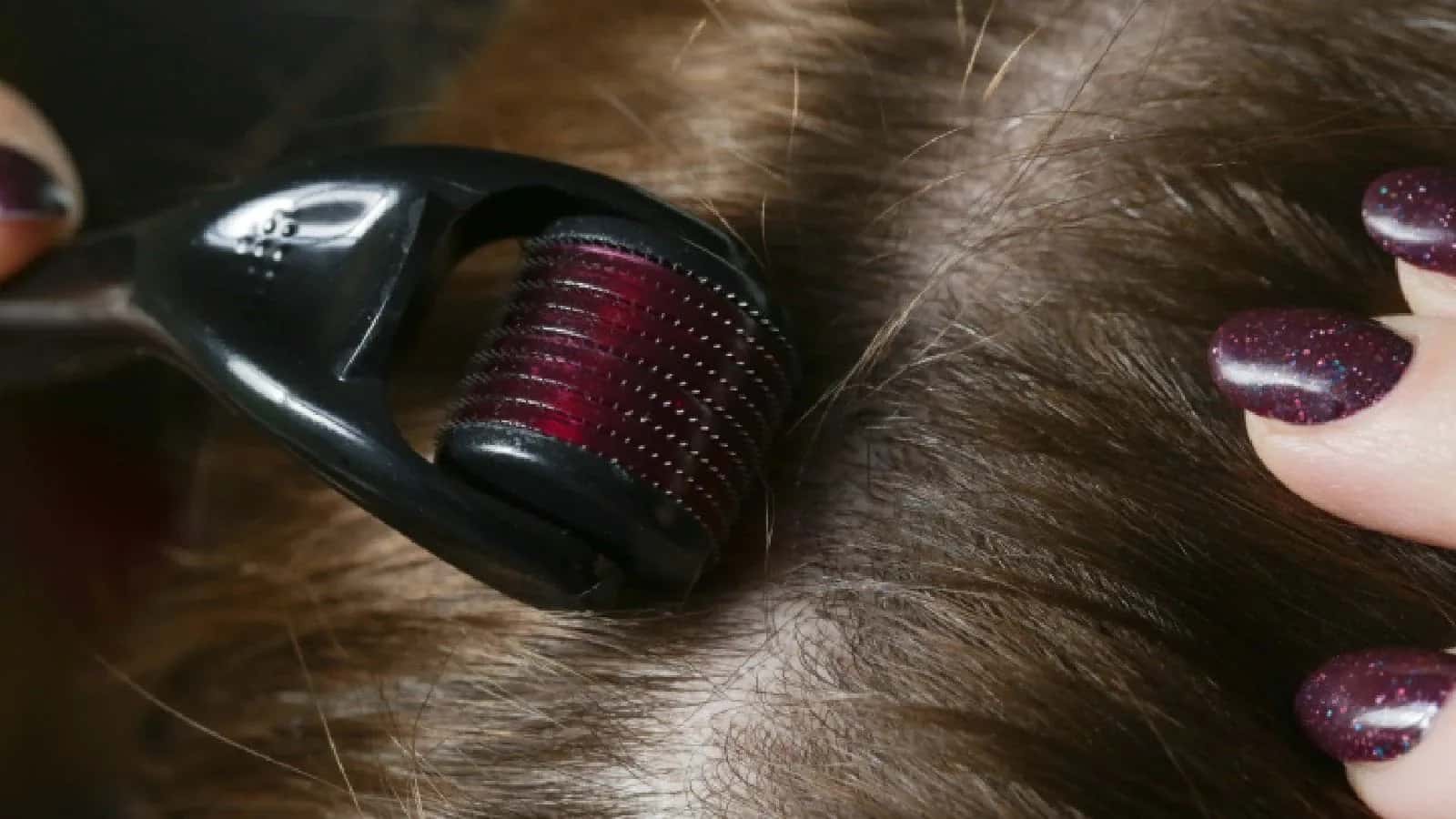
This guide explains whether a dermaroller can support hair growth, how scalp microneedling works, who may benefit, and what results can realistically be expected.

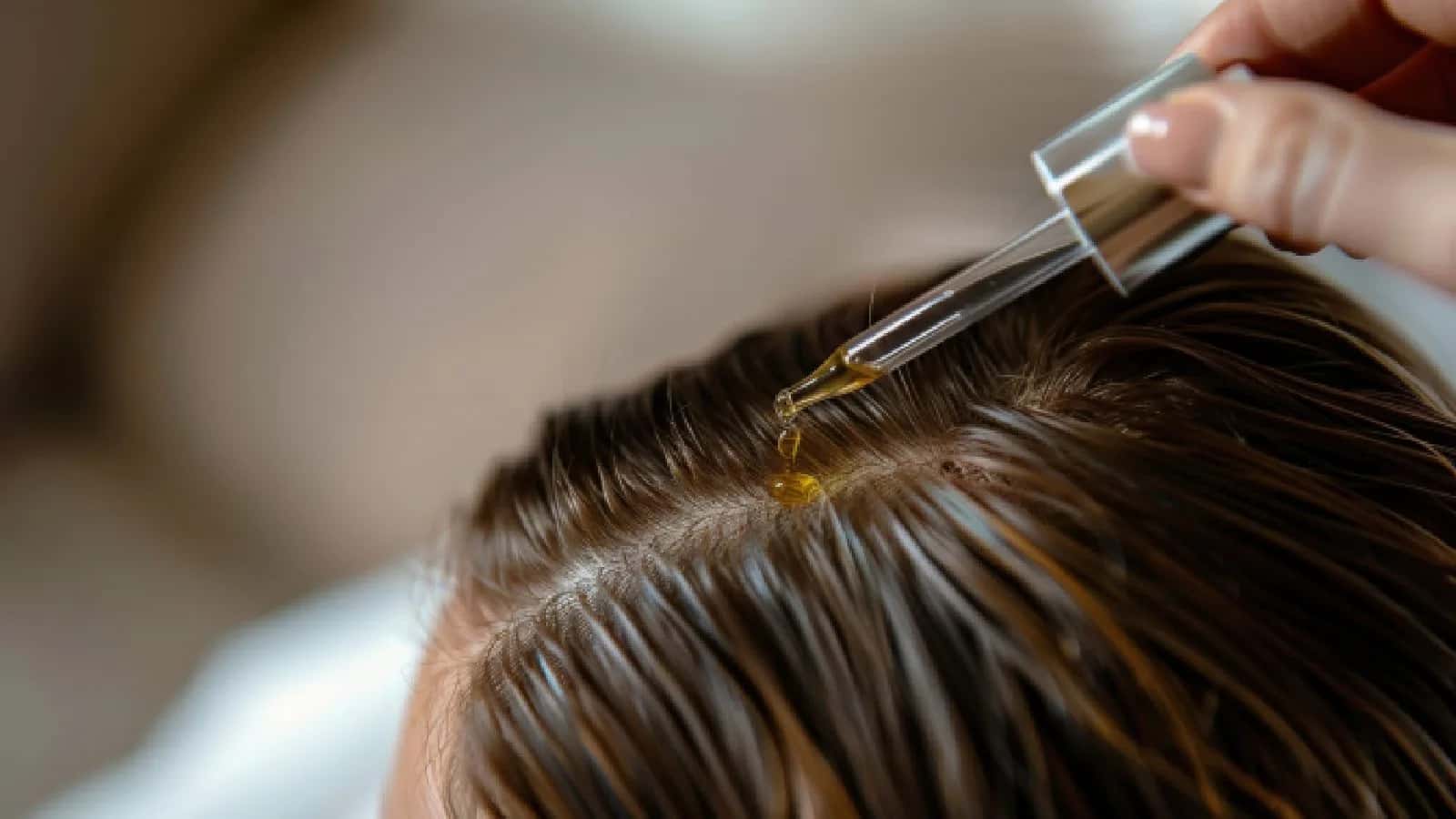
This guide explains issues associated with Procapil use, such as scalp irritation, dryness, itching, redness, concerns about hair shedding, allergic reactions, and long-term use.

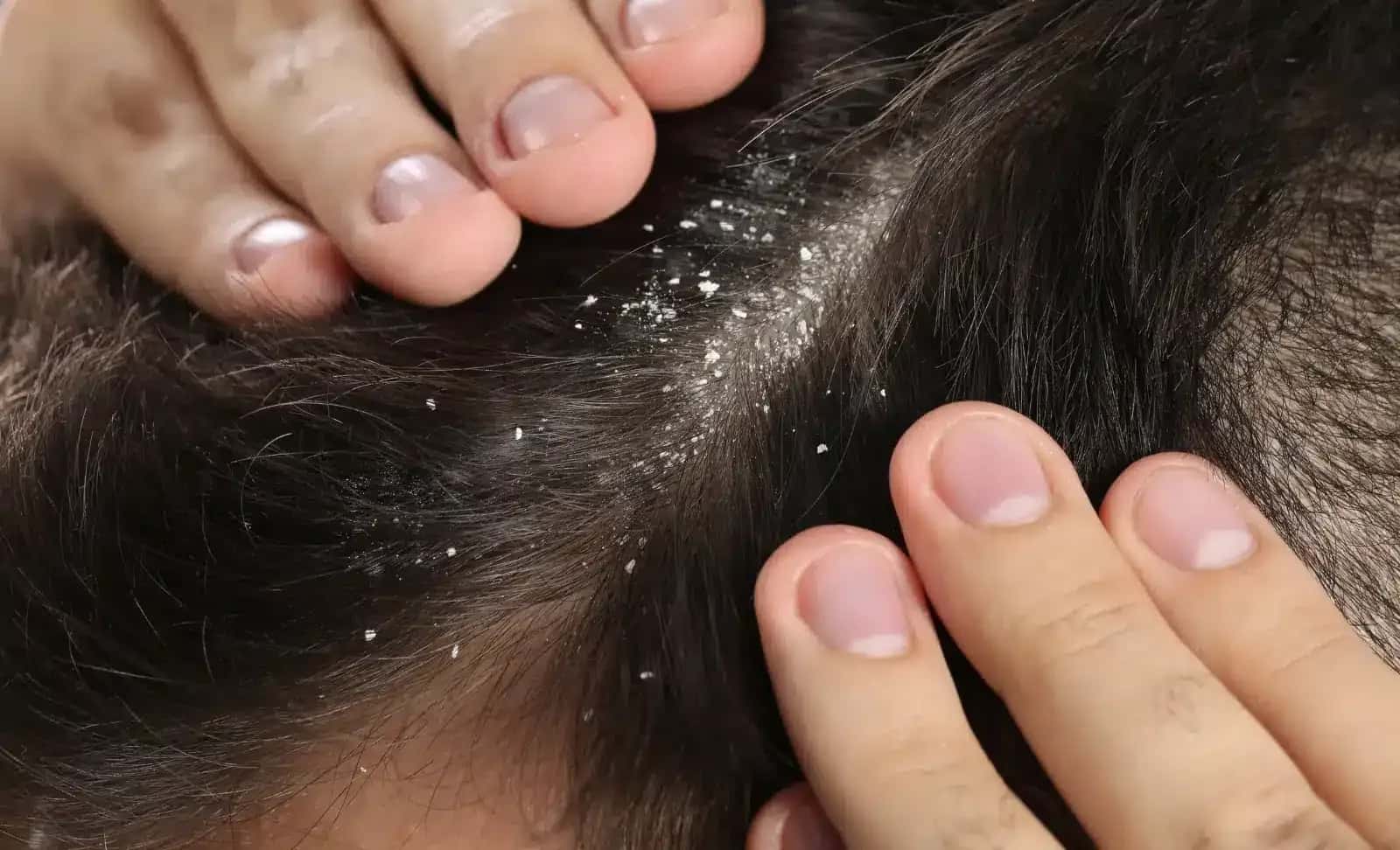
This guide explains how Nizoral shampoo works, what it is used for, how often it can be applied, and what to expect from ketoconazole scalp care.
Subscribe to the Medifinder newsletter and never miss our latest content.