










5 Rules to Follow Before Hair Transplantation
Things to consider before hair transplantation. In this article, you can find the 5 basic rules to follow before hair transplantation in detail.

- Last updated
- 227 reads
- 9 min read


What Are the 5 Rules to Follow Before Hair Transplantation?
Things to consider before hair transplantation can affect not only the day of the operation but also the final result. Proper preparation helps the procedure progress more safely, supports accurate donor area planning, and makes the recovery process more comfortable. Hair transplantation is generally known as a procedure performed under local anesthesia with a quick return to daily life. Still, it is a surgical procedure in which hair follicles are individually extracted and placed into new areas. Therefore, the preparation period should not be underestimated.
One of the most common mistakes made by people who decide to undergo hair transplantation is seeing the process as limited only to the operation day. However, the cause of hair loss, donor area capacity, medications used, smoking and alcohol habits, scalp condition, and expectations should be evaluated before the procedure. A high graft count alone is not enough to achieve a natural appearance after hair transplantation; proper candidate selection and good planning are much more important.
Below, you can find the 5 basic rules to consider before hair transplantation in detail.
1. Evaluate Your Hair Loss Type and Donor Area Correctly
The first rule before hair transplantation is not to make the operation decision only by looking at the thinning area in the mirror. Not every type of hair loss is suitable for hair transplantation. Male pattern hair loss and female pattern hair thinning may benefit from hair transplantation in suitable candidates. However, sudden onset shedding, patchy bald areas, conditions accompanied by redness and crusting on the scalp, or active skin diseases require evaluation first.
If your hair loss has increased rapidly in the last few months, or if you have intense itching, wounds, dandruff, sensitivity, or redness on your scalp, rushing into surgery may not be appropriate. These symptoms may indicate a condition different from genetic hair loss alone. Hair transplantation is not a treatment for active scalp disease. A procedure performed before the cause is clarified may not provide the expected density or may worsen the existing problem.
Donor area evaluation is at least as important as the thinning area. In hair transplantation, hair follicles from the nape and above ear regions are usually used. The density, thickness, growth direction, and number of grafts that can be harvested from this area determine the operation plan. Trying to cover a very large area in a single session when donor reserves are limited may create a sparse appearance in the nape area and reduce options for future procedures.
The ideal hair transplant plan considers not only the current appearance but also how hair loss may progress in the coming years. A very aggressively designed frontal hairline at a young age may create an unnatural appearance later. Therefore, during the consultation, the hairline, thinning area, donor capacity, and long term plan should be discussed together. Suitability for hair transplantation is evaluated together with hair loss type, scalp health, donor density, and realistic expectations.
2. Share Your Medications and Health History Completely
One of the most important issues to consider before hair transplantation is sharing health information openly. Although the procedure is performed under local anesthesia, it may take long hours and involves opening many micro channels in the scalp. Therefore, health conditions that may affect bleeding tendency, healing, or medication use should be known beforehand.
If you have high blood pressure, diabetes, heart disease, rhythm problems, clotting disorders, immune system diseases, allergies, epilepsy, or previous anesthesia reactions, these should be reported before the operation. Recent surgery, serious infection, periods of intense stress, rapid weight loss, or another health problem that may increase hair loss should also be discussed during evaluation.
Blood thinners, products containing aspirin, some painkillers, and various supplements may especially affect bleeding risk during the operation. However, the critical point is this: you should not stop a prescription medication on your own. Stopping a medication used for cardiovascular disease, stents, clotting risk, or rhythm problems without supervision may cause serious health risks. The operating physician and the doctor who prescribed the medication should decide together which medication will continue, which may be temporarily changed, or whether any medication should be stopped.
Herbal products and supplements should not be overlooked with the thought that they are “not medication.” A list of all products used regularly, including vitamins, herbal capsules, sports supplements, and tablets taken against hair loss, should be shared. The foundation of safe preparation before hair transplantation is ensuring that the surgical team knows every product being used. A detailed health history and medication evaluation are considered essential for proper candidate selection and procedure safety.
3. Limit Smoking and Alcohol Use Before the Operation
Smoking and alcohol are frequently asked about during the preparation period before hair transplantation. The reason is not only general health. During and after hair transplantation, the scalp needs good circulation, controlled healing, and protection from irritation.
Smoking may negatively affect tissue oxygenation and circulation. After hair transplantation, the skin tries to repair itself in both the donor area and the transplanted area. Entering this period by reducing smoking or planning to quit is more advantageous for healing. It is especially important for people who smoke heavily to share this honestly before the procedure. Even a short break may be difficult for some people; therefore, a practical preparation plan should be created.
Alcohol may cause problems before the operation in terms of bleeding tendency, fluid balance, and interactions with medications. Drinking alcohol the night before the procedure may also reduce sleep quality and make it harder to feel well on the operation day. Since hair transplantation can take a long time, starting the day rested and balanced is important.
There is no single number of days that applies to everyone for smoking and alcohol. Clinics may recommend different timeframes depending on the person’s health status, habits, and planned procedure. Therefore, the instructions given before the operation should be followed. The general approach is to avoid alcohol in the days before hair transplantation and reduce or stop smoking as much as possible. In hair transplant evaluations, smoking and excessive alcohol use are considered factors that may complicate surgical outcomes.
4. Prepare Your Scalp for the Operation
Before hair transplantation, the scalp should be clean, calm, and free from irritation. Trying new care products, undergoing treatments that stress the scalp, or spending long periods in the sun as the operation approaches may create unnecessary risks. This is because planning the procedure may become more difficult on irritated, sunburned, or actively problematic scalp skin.
In the days before the operation, it is better not to apply harsh peeling products, intensive chemical tonics, irritating mixtures, or medicated products not recommended by a doctor to the scalp. Chemical procedures such as hair dye, bleaching, or perming may also sensitize the scalp. If you are considering such procedures, you should ask in advance to avoid overlap with your hair transplant date.
Sunburn is also an important issue that is often overlooked. After a holiday or prolonged sun exposure, the scalp may become red, sensitive, and peel. Performing graft extraction or channel opening in such an area may reduce comfort. Protecting the scalp from intense direct sunlight before the operation is especially important for people with thinning hair.
Dandruff, seborrheic dermatitis, pimple like bumps, folliculitis, wounds, or signs of infection should not be hidden. Some scalp problems can be controlled with a simple care plan, while in some cases postponing the operation may be safer. A healthy scalp and accurate diagnosis are among the determining factors in hair transplant planning. Proceeding with surgery without evaluation may not be appropriate in active inflammatory or scarring scalp diseases.
On the day of the operation, clean hair is generally preferred. However, which shampoo should be used, whether the hair should be cut, or how the donor area will be shaved may vary depending on the clinic’s approach. Cutting your hair very short on your own before the procedure may make donor area evaluation more difficult. Therefore, shaving and washing instructions should be learned before the appointment.
5. Plan the Operation Day and the First Days Afterward in Advance
The final rule before hair transplantation is to prepare not only physically but also practically for the operation day. Although the procedure duration may vary depending on the graft count and method, you may need to stay at the clinic for long hours. Therefore, planning that day with a packed schedule or trying to go to work or a social event immediately afterward will not provide a comfortable process.
Getting enough sleep the night before the operation is important. If the clinic has not given different instructions for the morning, having a light and balanced breakfast may help you feel better throughout the day. Whether you need to arrive fasting should definitely be asked in advance; although hair transplantation is mostly planned under local anesthesia, the person’s medical condition and the sedation approach may change the instructions.
Clothing choice may seem minor, but it affects comfort after the operation. Tight neck sweaters or T-shirts that must be pulled over the head may create a risk of contact with the newly transplanted area. A comfortable zip up or button up top that is easy to remove is more practical. It may also be more comfortable not to return home alone, especially after a long procedure.
During the first days after hair transplantation, the head area should be protected from impact and friction. Therefore, before the operation, it is useful to think about your sleeping arrangement at home, the pillow you will use, whether you have tasks that can be postponed for a few days, and your social plans. A short break may be needed from intense exercise, swimming pools, Turkish baths, saunas, sunbathing, and activities that may irritate the head area. Planning the early recovery period in advance prevents you from searching for solutions in a rush after the procedure.
Preoperative photography and expectation discussion are also part of this preparation. The height of your hairline, how much the temples will be closed, how much density will be given to the crown area, and what can realistically be achieved in a single session should be discussed clearly. Hair transplantation is not a procedure that restores previous hair density exactly; it aims to create a more balanced and natural appearance using the available donor capacity. Entering the operation with this reality in mind is highly important for satisfaction with the result.
How Much Time Should Be Allocated Before Hair Transplantation?
Once the decision for hair transplantation is made, it is useful to leave enough time between the first consultation and the operation day for preparation. During this period, the type of hair loss is evaluated, the donor area is examined, health information is shared, and additional tests are planned if necessary. It also becomes easier to regulate smoking and alcohol use, control scalp sensitivities, and organize the daily schedule.
A few days before the procedure, the instructions given should be read carefully. If there are questions about medications being used, they should not be left until the last day. Before the operation, it should be clarified which products can be used, how the hair should be washed, whether breakfast can be eaten, and how transportation after the procedure will be arranged.
Why Should Expectations Be Realistic Before Hair Transplantation?
The best result in hair transplantation comes from proper planning and balanced use of the person’s donor capacity. Wanting a very dense, very low, or future unnatural hairline does not always mean a better result. Especially in individuals whose hair loss may continue to progress, the future appearance should be taken into account.
It takes time for transplanted hair to grow after hair transplantation. Crusting and temporary shedding may occur during the first weeks. New hairs take several months to become noticeable, and the final appearance settles over a longer period. Knowing this process before the operation helps reduce unnecessary anxiety during the early period.
- Last updated
- Language
- English
How did you find this article?
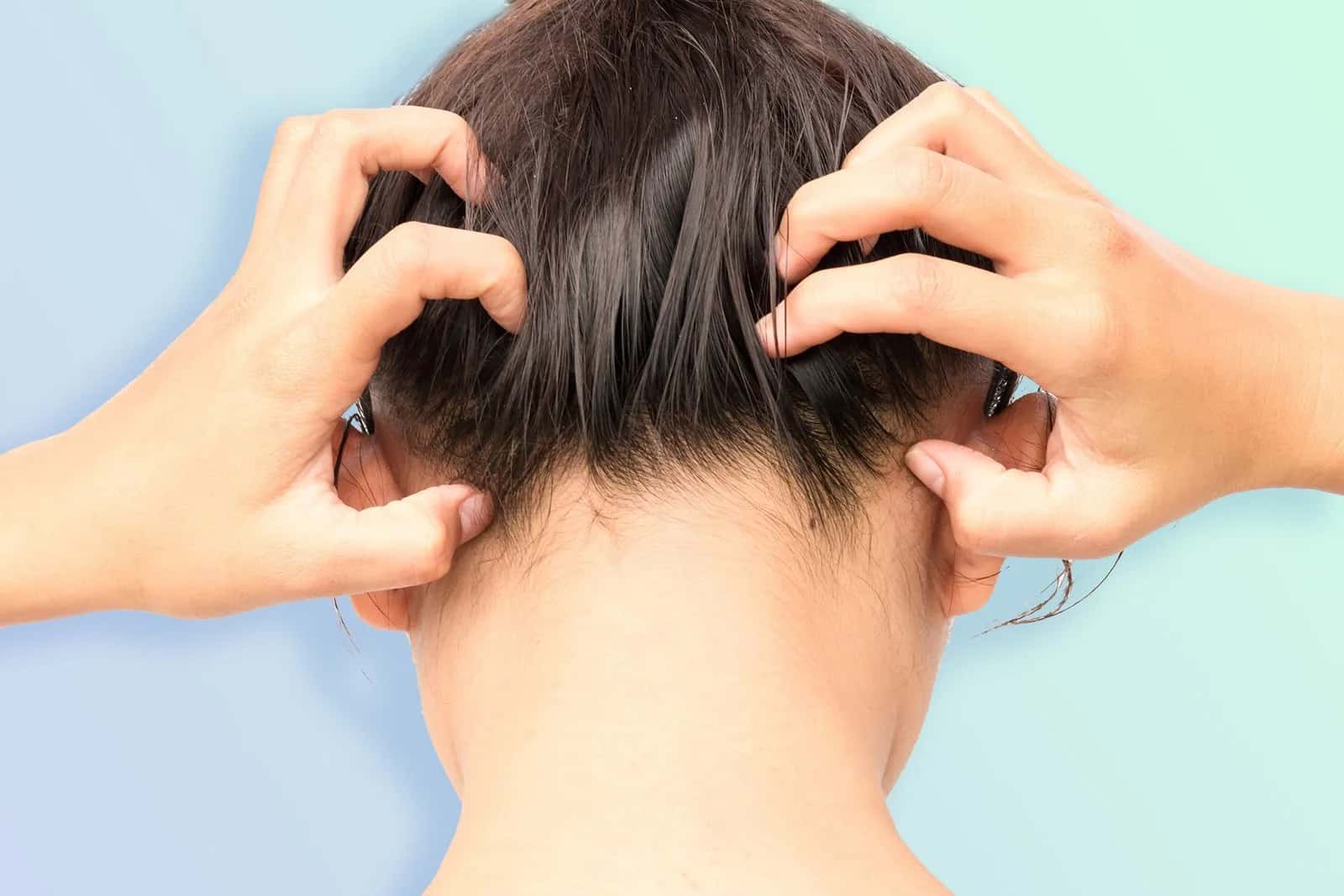
Air conditioning can dry out your scalp by reducing indoor humidity and affecting the skin's ability to maintain adequate moisture. Prolonged exposure to dry, cooled air may contribute to itching, flaking, tightness, and irritation, particularly when the scalp is already sensitive or prone to dryness.

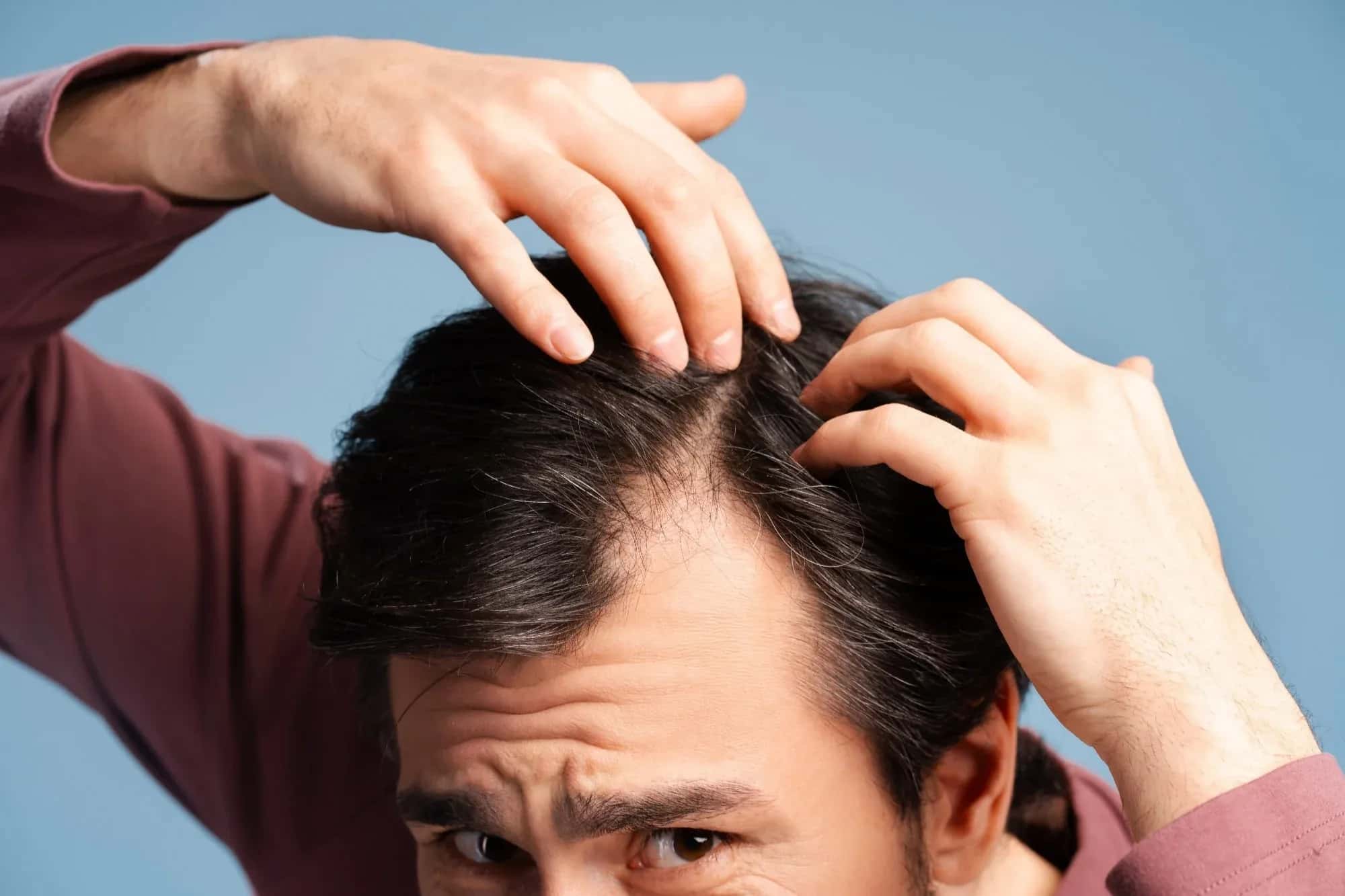
Certain dietary supplements can cause hair loss when taken in excessive amounts, particularly products containing high doses of vitamin A, selenium, or other concentrated nutrients. While supplements can help correct nutritional deficiencies that affect hair growth.

Spironolactone for female hair loss can help slow progressive thinning and improve hair density by reducing the effects of androgens on sensitive hair follicles. Although this prescription medication is not specifically approved for hair loss, clinical research supports its use in selected women.
Subscribe to the Medifinder newsletter and never miss our latest content.