










5 DIY Hair Masks for Dry, Damaged Hair
Dry, damaged hair usually needs three things: moisture, slip, and gentle care that helps reduce breakage. These diy hair masks use simple ingredients to soften rough strands, make detangling easier, and support healthier-looking hair without pretending to repair every problem overnight.

- Last updated
- 67 reads
- 9 min read
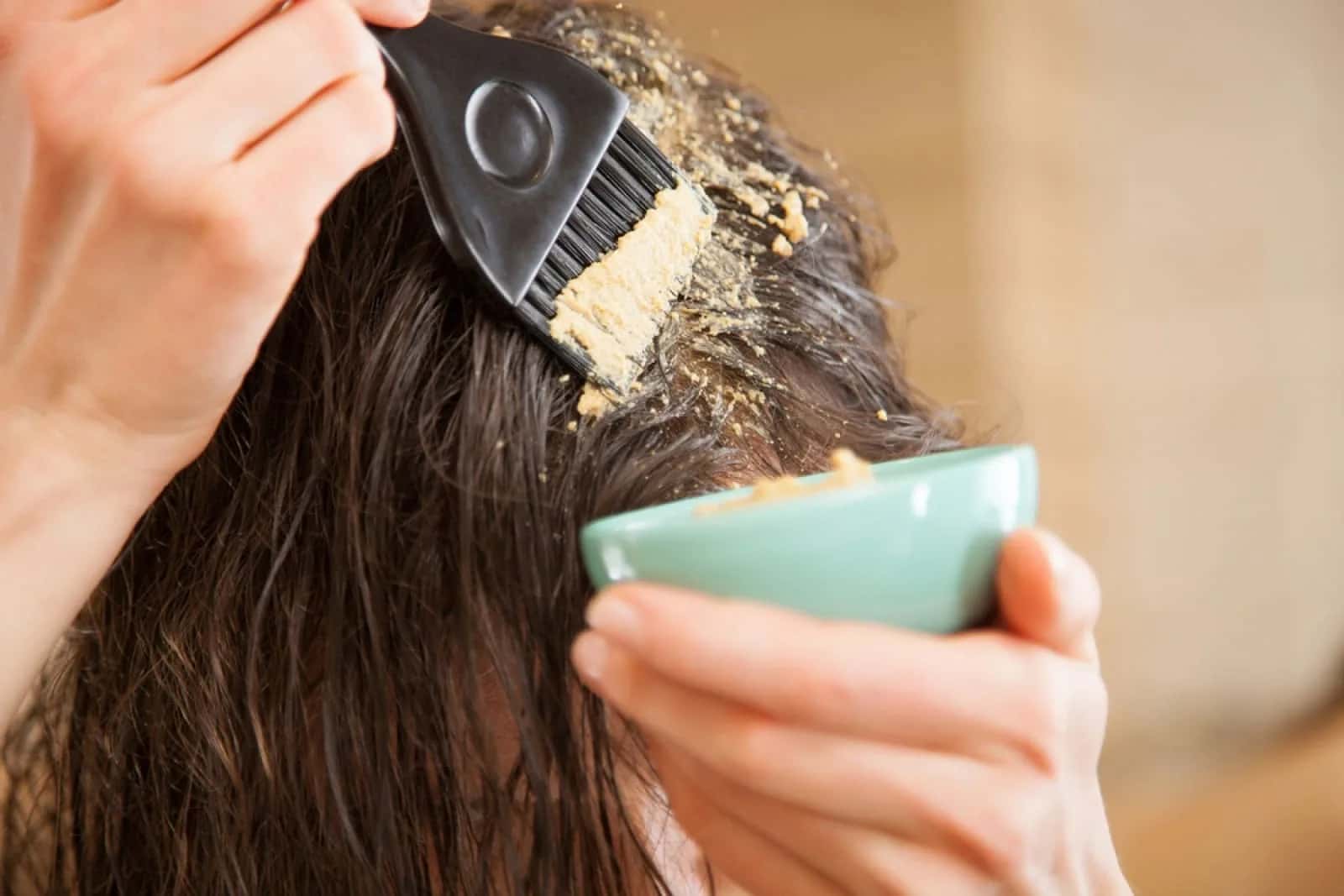


Which DIY hair mask should you start with?
Start with the mask that solves your most immediate problem: tangles, dryness, dullness, breakage, or a flaky-feeling scalp. If your hair is low porosity, feels dry but gets weighed down easily, or takes a long time to absorb products, begin with a lightweight aloe-based mask rather than a heavy oil treatment. If your hair feels mushy, overly soft, or weak, avoid overloading it with rich ingredients and use a gentle strengthening option only occasionally.
A quick way to choose:
- Dry and tangly: aloe vera, honey, and conditioner.
- Rough and dull: avocado, banana, and a small amount of oil.
- Frizzy and brittle: yogurt, honey, and olive oil.
- Breakage-prone: rice water and aloe.
- Scalp feels tight or hair lacks slip: flaxseed gel and aloe.

Before you mix: simple rules for better results
DIY hair masks can be helpful, but they work best when you keep the formula balanced. More oil does not automatically mean more moisture, and more protein-like ingredients do not automatically mean stronger hair. Dry hair often needs water-based hydration first, then a light sealant or conditioner to help it feel smooth.
Keep these safety and application tips in mind:
- Patch test first. Try a small amount on your inner arm or behind your ear before applying it to your scalp.
- Blend thoroughly. Lumps of banana, avocado, or flaxseed can cling to hair and make rinsing frustrating.
- Use warmth, not high heat. A warm towel or shower cap can help the mask spread and soften hair, especially for low porosity strands.
- Avoid the scalp if it is irritated. Do not apply food-based masks to broken, inflamed, or painful skin.
- Rinse well. Residue can make hair feel coated, stiff, or greasy.
- Follow with conditioner. Conditioner adds slip and helps remove leftover particles.
For most hair types, once a week is enough. If your hair is fine, low porosity, or easily weighed down, use a mask every two weeks and keep oils minimal.
1. Aloe, honey, and conditioner mask for dry, tangly hair
This is one of the best diy hair masks for low porosity dry tangly hair because it is water-based, lightweight, and easy to rinse. Aloe helps the mixture spread through the hair, honey adds a softening feel, and conditioner brings the slip that makes detangling less stressful. It is a good first choice if your hair feels dry but heavy oils tend to sit on top.
You’ll need:
- 2 tablespoons aloe vera gel
- 1 tablespoon honey
- 2 tablespoons of your regular conditioner
- Optional: 1 teaspoon lightweight oil, such as argan or jojoba
How to use it:
- Mix the aloe, honey, and conditioner until smooth.
- Apply to clean, damp hair in sections.
- Focus on the mid-lengths and ends, where tangles usually form.
- Cover with a shower cap for 15 to 25 minutes.
- Rinse with lukewarm water, then condition again if needed.
The key is to work in small sections. Tangly hair often becomes more damaged when you rush through knots, so apply the mask with your fingers first, then use a wide-tooth comb only when the hair feels slippery. For low porosity hair, a warm towel over the shower cap can help the mask feel more effective without making the hair greasy.
Use this mask when your hair feels stiff, squeaky, or difficult to detangle after washing. If your hair is very fine, skip the added oil. If your ends are extremely dry, keep the oil but apply it only to the last few inches.
2. Avocado, banana, and olive oil mask for rough, dull ends
This mask is richer, so it is best for hair that feels rough, puffy, or visibly dull. Avocado and banana create a creamy texture that can help the hair feel coated and smoother, while a small amount of olive oil adds softness to dry ends. It is especially useful when your hair looks frayed after heat styling, sun exposure, or repeated brushing.
You’ll need:
- 1/2 ripe avocado
- 1/2 ripe banana
- 1 teaspoon olive oil
- 1 to 2 tablespoons conditioner
How to use it:
- Blend the avocado and banana until completely smooth.
- Stir in olive oil and conditioner.
- Apply from mid-lengths to ends, avoiding the roots if your hair gets oily.
- Leave on for 15 to 20 minutes.
- Rinse slowly, then shampoo lightly if any residue remains.
Do not mash this mask with a fork unless your hair is short and easy to rinse. Tiny banana pieces can stick to damaged strands, so a blender is worth it. The conditioner in the recipe also helps the mixture rinse away more cleanly.
This is not the best everyday option for low porosity hair because it is heavier than aloe-based recipes. If your hair gets coated easily, reduce the olive oil or use the mask only on the ends. For thick, coarse, or high-density hair, the richer texture may be exactly what makes the strands feel softer and easier to manage.
3. Yogurt, honey, and olive oil mask for frizz and brittle strands
Yogurt-based masks are popular because they feel creamy, spread easily, and rinse more cleanly than many fruit masks. This blend works well for hair that looks frizzy, feels brittle, or loses softness quickly after wash day. Honey adds a flexible, moisturized feel, while a small amount of olive oil helps reduce that rough sensation on dry ends.
You’ll need:
- 3 tablespoons plain yogurt
- 1 tablespoon honey
- 1 teaspoon olive oil
- Optional: 1 tablespoon conditioner for extra slip
How to use it:
- Stir the ingredients until the texture is smooth.
- Apply to damp hair, concentrating on frizzy areas.
- Cover for 10 to 20 minutes.
- Rinse with cool to lukewarm water.
- Shampoo gently if your hair feels coated.
This mask can be helpful when your hair needs softness but not a heavy butter or thick oil. However, yogurt can behave like a strengthening treatment for some hair types, so pay attention to how your hair feels after rinsing. If it feels smooth and springy, you can use it again in a couple of weeks. If it feels stiff or straw-like, choose the aloe mask next time.
For curly, wavy, or coily hair, apply this mask in sections and smooth it downward with your palms. That motion encourages clumping and helps reduce friction. For straight or fine hair, keep it away from the roots to preserve volume.
4. Rice water and aloe mask for breakage-prone hair
If you are searching for hair masks diy for growth, it is important to focus on retention. A mask cannot magically make hair grow faster overnight, but it can help reduce breakage so the length you already grow is easier to keep. Rice water is often used as a strengthening rinse, and aloe makes this version gentler and easier to apply.
You’ll need:
- 1/4 cup rinsed white or brown rice
- 1 cup water
- 2 tablespoons aloe vera gel
- 1 tablespoon conditioner
How to use it:
- Soak the rinsed rice in water for 30 minutes, then strain.
- Mix 2 to 3 tablespoons of the rice water with aloe and conditioner.
- Apply lightly to clean, damp hair.
- Leave on for 5 to 10 minutes only.
- Rinse thoroughly and follow with a moisturizing conditioner.
Keep this mask short and occasional. Rice water can make some hair feel stronger, but too much can leave strands stiff or rough. That is why this recipe dilutes it with aloe and conditioner instead of using rice water alone.
Use it once or twice a month if your hair snaps easily, sheds from rough handling, or struggles to hold length. Skip it if your hair already feels hard, protein-sensitive, or unusually dry after strengthening products. Growth-focused hair care is really a routine: gentle detangling, less heat, regular trims when needed, and masks that help reduce unnecessary breakage.
5. Flaxseed gel and aloe mask for softness, slip, and scalp comfort
Flaxseed gel is slippery, lightweight, and useful when dry hair needs help detangling without a greasy finish. Combined with aloe, it creates a soft gel mask that coats the hair enough to reduce friction while still rinsing cleanly. This is a smart option for curls, coils, waves, and fine strands that need moisture but dislike heavy oils.
You’ll need:
- 2 tablespoons flaxseeds
- 1 cup water
- 2 tablespoons aloe vera gel
- 1 tablespoon conditioner
How to use it:
- Simmer flaxseeds and water for several minutes until the liquid becomes gel-like.
- Strain while warm and let the gel cool completely.
- Mix 2 tablespoons flaxseed gel with aloe and conditioner.
- Apply to damp hair and gently finger-detangle.
- Leave on for 15 to 20 minutes, then rinse well.
This mask is especially useful when hair feels dry, webby, or prone to small knots. The gel texture gives slip, so you can separate tangles without tugging as much. If you want a lighter finish, use more aloe and less conditioner.
You can apply this mask near the scalp if your skin tolerates the ingredients, but keep the layer thin. Heavy application can be hard to rinse at the roots. If your scalp is sensitive, use it on the lengths only and rely on your regular scalp care routine.
How can you make DIY hair masks work better for damaged hair?
The best results come from pairing diy hair masks with low-friction habits. Damaged hair has weak spots along the strand, so it needs gentle handling before, during, and after every mask. A good recipe helps, but your technique matters just as much.
Use this simple routine:
- Start with damp hair. Most masks spread better when the hair is not soaking wet or completely dry.
- Section before applying. Four to six sections make it easier to coat the hair evenly.
- Detangle only when slippery. Add more conditioner or aloe if the hair drags.
- Keep the timing moderate. Longer is not always better, especially with strengthening masks.
- Rinse patiently. Let water run through each section before scrubbing.
- Seal lightly. After rinsing, use leave-in conditioner or a small amount of oil on the ends.
- Protect while drying. Use a microfiber towel or soft cotton T-shirt instead of rough towel rubbing.
Also look at what may be causing the damage. Frequent heat styling, tight hairstyles, harsh brushing, chemical processing, and skipping conditioner can all make dry hair worse. If you keep doing the same damaging routine, even the best mask will only give temporary softness.
A simple weekly mask schedule
You do not need to use all five masks in one month. In fact, rotating too many treatments can make it hard to know what your hair actually likes. Start with one moisturizing mask, watch how your hair responds, then add a strengthening option only if breakage is a major concern.
Try this balanced schedule:
- Week 1: Aloe, honey, and conditioner mask for moisture and tangles.
- Week 2: Skip the mask or use flaxseed gel and aloe if hair needs slip.
- Week 3: Avocado or yogurt mask if the ends feel rough.
- Week 4: Rice water and aloe mask only if your hair is breaking easily.
Low porosity hair usually does better with lighter masks, shorter sessions, and warmth. High porosity or heavily processed hair may enjoy richer masks, but it still needs careful rinsing and conditioning. The goal is not to make your hair feel coated; it is to make it feel flexible, smooth, and easier to style.
Final tips for choosing your best mask
The right mask should leave your hair softer, easier to detangle, and less rough once it dries. If a recipe makes your strands feel greasy, coated, stiff, or harder to comb, adjust it or stop using it. DIY care should make wash day simpler, not turn it into a cleanup project.
For dry, damaged hair, begin with the aloe, honey, and conditioner recipe because it is the most flexible and beginner-friendly. Use richer masks only when your ends need extra softness, and use strengthening masks sparingly. With the right balance, diy hair masks can become a practical part of a healthier hair routine that supports shine, manageability, and length retention.
- Last updated
- Language
- English
How did you find this article?
This guide explains whether a dermaroller can support hair growth, how scalp microneedling works, who may benefit, and what results can realistically be expected.

This guide explains issues associated with Procapil use, such as scalp irritation, dryness, itching, redness, concerns about hair shedding, allergic reactions, and long-term use.
This guide explains how Nizoral shampoo works, what it is used for, how often it can be applied, and what to expect from ketoconazole scalp care.
Subscribe to the Medifinder newsletter and never miss our latest content.