





13 Things To Consider Before Coming To Turkey For Medical Tourism
This article discusses 13 things to consider before coming to Turkey for medical tourism and the points to consider before making a final decision.

- Last updated
- 119 reads
- 10 min read


13 Things To Consider Before Coming To Turkey For Medical Tourism
Turkey has become a popular destination for medical tourism, especially for people seeking aesthetic procedures, dental treatments, hair restoration, eye treatments, weight loss procedures, and other planned medical services. The country attracts international visitors because of travel convenience, cost accessibility, experienced treatment teams, and organized patient support.
Still, medical tourism is not the same as a normal holiday. You are not only booking flights and hotels. You are also making decisions about your body, recovery, safety, follow-up care, and comfort in another country. That makes preparation very important.
Before coming to Turkey for medical tourism, it is helpful to look beyond the price. A smooth experience depends on choosing the right provider, understanding the treatment plan, checking communication quality, planning recovery time, and knowing what happens after you return home. Travel after a procedure can also increase certain risks, especially when long flights and limited movement are involved.
Below are 13 things to consider before coming to Turkey for medical tourism.
1. Understand That Medical Tourism Is Still A Medical Process
Many people first hear about medical tourism through social media, online ads, or before and after photos. These can make the process look simple. Book a package, fly in, have the treatment, recover for a few days, and fly home. In real life, the process needs more careful thinking.
Every treatment has its own limits, risks, recovery period, and suitability criteria. A procedure that worked well for one person may not be right for another. Body structure, skin quality, medical history, age, medications, allergies, lifestyle habits, and expectations can all affect the plan.
This is especially important for aesthetic treatments. Photos can show visible change, but they do not show swelling, discomfort, scar healing, emotional adjustment, or long-term maintenance. A good result is not only about appearance. It is also about safe planning and proper recovery.
Before traveling, you should clearly understand what the treatment can and cannot do. Medical tourism can be practical and cost accessible, but it should never feel rushed or casual.
2. Choose A Licensed And Authorized Provider
One of the most important things to consider before coming to Turkey for medical tourism is whether the provider is properly authorized. Not every place that advertises treatment services is suitable for international patients. Authorization, facility standards, hygiene protocols, team qualifications, and patient safety processes matter.
Turkey has a regulated international health tourism framework, and providers offering services to international patients are expected to meet specific authorization requirements. This does not remove the need for personal research, but it gives you a practical point to check before booking.
Ask directly whether the provider is authorized for international patient services. Also ask where the treatment will take place. A hotel room, apartment, or informal setting should never replace an appropriate medical environment.
This point matters even more for procedures that involve anesthesia, incisions, implants, fat removal, injections, or long recovery periods. Safety standards are not decorative details. They can affect infection risk, emergency response, and overall recovery.
3. Do Not Choose Based Only On Price
Cost is one of the main reasons people travel to Turkey for medical tourism. In many cases, treatment prices may be more accessible than in other countries. This is a real advantage for many international visitors. However, the lowest price should not be the deciding factor.
A very cheap package may exclude important parts of the journey. Tests, medications, compression garments, follow-up visits, translation support, extra nights, airport transfers, or aftercare may not be included. Sometimes the advertised price covers only the basic procedure.
Price should be evaluated together with safety, communication, treatment setting, provider experience, aftercare, and transparency. A slightly higher but clearer package may be safer and less stressful than an unclear low-cost offer.
Ask what is included in writing. Ask what may cost extra. Ask whether the quoted fee changes if the treatment plan changes after examination. Medical tourism should feel organized, not vague.
4. Share Your Medical History Honestly
Some people hide medical information because they worry their treatment may be delayed or rejected. This is risky. Your medical history helps the team understand whether the treatment is suitable for you and how the plan should be adjusted.
Share chronic conditions, previous operations, allergies, regular medications, blood thinning products, hormonal treatments, smoking habits, alcohol use, previous complications, and healing problems. Also mention if you have had recent infections, dental issues, skin problems, or major weight changes.
For aesthetic procedures, details such as previous filler, implants, scars, skin treatments, or earlier operations are also important. Even if they seem unrelated, they may affect planning.
A safe provider will not see this information as a problem. It is part of responsible preparation. Medical tourism works best when the patient and the care team start with complete information.
5. Ask For A Clear Treatment Plan Before Traveling
Before coming to Turkey, you should know the planned treatment, expected steps, estimated recovery time, and possible alternatives. A vague plan creates stress after arrival.
For example, if you are coming for hair transplantation, ask about donor area assessment, graft estimate, technique, session duration, washing instructions, and expected shedding timeline. If you are coming for body contouring, ask which areas are included, garment use, swelling expectations, and return to exercise. If you are coming for dental treatment, ask about number of visits, temporary teeth, healing intervals, and material choices.
The plan may still change after in-person evaluation. That is normal. However, the basic framework should be clear before you travel. You should not arrive in another country without knowing what is likely to happen.
A clear treatment plan protects both your health and your budget. It also helps you arrange work leave, flights, hotel dates, and support at home.
6. Check Communication Quality Early
Communication is one of the biggest factors in a good medical tourism experience. Before booking, notice how your questions are answered. Are the answers clear? Are risks explained? Are recovery instructions easy to understand? Do you feel pressured to pay quickly?
Good communication should not disappear after payment. You should know who to contact before arrival, during your stay, and after returning home. For international patients, language support can make a major difference.
Do not ignore confusion. If you cannot get clear answers about basic issues, such as treatment location, recovery time, package details, or follow-up care, that may be a warning sign.
Medical tourism involves distance. Once you return home, communication becomes even more important. Follow-up photos, symptom checks, medication questions, and recovery concerns may need remote support.
7. Plan Enough Time In Turkey
Many people try to make their medical tourism trip as short as possible. This is understandable because of work, family, and travel costs. Still, leaving too soon can make recovery harder.
The required stay depends on the treatment. Some procedures need only a short visit. Others require several days or longer for control appointments, dressing changes, splint removal, swelling checks, dental fittings, or early recovery monitoring.
Traveling immediately after a procedure may be uncomfortable. Long flights can increase swelling and limit movement. Travel after surgery may also increase the risk of blood clots because sitting for long periods reduces mobility.
Before booking flights, ask when you can travel safely. Avoid choosing your return date only because the ticket is cheaper. Recovery timing should come first.
8. Understand The Real Recovery Process
Recovery is often underestimated in medical tourism. Many people imagine they will rest for one or two days and then enjoy the city. This is not always realistic.
After a procedure, you may have swelling, bruising, soreness, limited movement, fatigue, nasal congestion, bleeding, drainage, numbness, tightness, or sensitivity. These effects depend on the treatment, but they can affect your comfort during travel.
Some treatments also require special care. You may need to sleep in a certain position, avoid sun exposure, wear a garment, follow a soft diet, avoid bending, protect the treated area, or skip exercise for weeks.
Early recovery is not the same as final recovery. You may be fit to fly before your final result is visible. Swelling and tissue changes may continue for weeks or months. Knowing this in advance helps prevent anxiety.
9. Think About Aftercare Before You Return Home
Aftercare is one of the most important parts of medical tourism. The treatment may happen in Turkey, but most of your healing happens after you return home.
Ask how follow-up will continue. Will you send photos? How often? Who reviews them? What symptoms should be reported urgently? What should you do if you develop fever, increasing pain, unusual swelling, bleeding, discharge, or breathing difficulty?
You should also know whether you may need support in your own country. Some complications require in-person care. This is one reason medical tourism should be planned carefully. Travel-related cosmetic procedures have been associated with infections and other adverse outcomes in recent public health reviews, which makes early recognition and follow-up especially important.
Do not wait until after the procedure to ask about aftercare. It should be discussed before payment and travel.
10. Prepare Your Travel Documents And Entry Requirements
Before coming to Turkey, check your passport validity, visa status, travel insurance, booking documents, and treatment-related paperwork. Entry rules can vary by nationality, so you should confirm your own requirements before departure.
Some travelers may enter visa-free, while others may need an electronic visa or a different type of entry permission. Your treatment provider may also ask for medical records, recent test results, photos, medication lists, or previous procedure details.
Keep digital and printed copies of important documents. These may include passport, flight tickets, hotel reservation, transfer details, treatment plan, payment confirmation, emergency contacts, and medical history notes.
Small organization steps can prevent big stress at the airport, hotel, or appointment desk.
11. Be Careful With Package Details
Medical tourism packages can be convenient. They may include airport transfers, hotel accommodation, translation support, treatment planning, tests, medication, garments, and control visits. However, packages are not always the same.
Before booking, ask exactly what is included. Is accommodation included for all nights? Are transfers private or shared? Are tests included? Are medications included? Is a companion allowed? Are extra nights discounted? Are control visits included? What happens if your procedure is postponed after evaluation?
Also ask what is not included. This is just as important. Hidden costs can appear around extra treatments, upgrades, medications, hotel changes, laboratory work, or additional checkups.
A trustworthy package should be easy to understand. You should not have to guess what you are paying for.
12. Do Not Overplan Sightseeing Around Treatment
Turkey is a beautiful destination, and many visitors want to enjoy the trip. That is natural. Still, medical tourism should not be planned like a packed holiday.
Before treatment, you may be able to enjoy light sightseeing depending on your schedule. After treatment, rest should be the priority. Long walks, crowded places, heat, sun exposure, swimming, alcohol, late nights, and heavy meals may not support recovery.
For some procedures, even small physical strain can increase swelling or discomfort. For others, public exposure may raise infection risk during early healing. The safest plan is usually simple. Stay close to your accommodation, attend follow-ups, eat well, hydrate, and rest.
You can still have a pleasant experience without exhausting yourself. A calm recovery plan is better than trying to do everything in a few days.
13. Set Realistic Expectations About Results
Realistic expectations are essential before coming to Turkey for medical tourism. No treatment can guarantee perfection. Bodies heal differently. Swelling, skin quality, tissue response, scarring, lifestyle, age, and anatomy all influence the final outcome.
Before and after photos can be helpful, but they do not promise the same result for everyone. A nose shape, hairline, body contour, smile design, or skin result must fit the person’s own structure.
Ask what kind of improvement is realistic for you. Ask about limits. Ask what may not change. A balanced answer is more valuable than an exaggerated promise.
You should also understand the timeline. Hair transplant results take months. Rhinoplasty swelling may last a long time. Body contouring definition develops gradually. Dental work may need staged visits. Skin treatments may require maintenance.
Patience is part of the process. Medical tourism can offer convenience and accessibility, but healing still follows the body’s pace.
Why Careful Planning Matters Before Medical Tourism In Turkey?
Coming to Turkey for medical tourism can be a positive experience when the process is planned carefully. The country offers strong travel access, organized international patient services, broad treatment options, and cost accessibility. At the same time, the decision should be made with health, safety, and recovery in mind.
The 13 things to consider before coming to Turkey for medical tourism are provider authorization, treatment planning, honest medical history, communication, aftercare, travel timing, recovery expectations, package details, documents, and realistic goals. Each one helps you make a more informed decision.
A well-planned trip feels clear before you arrive, supported while you are in Turkey, and manageable after you return home. That is the real goal of medical tourism.
- Last updated
- Language
- English
How did you find this article?
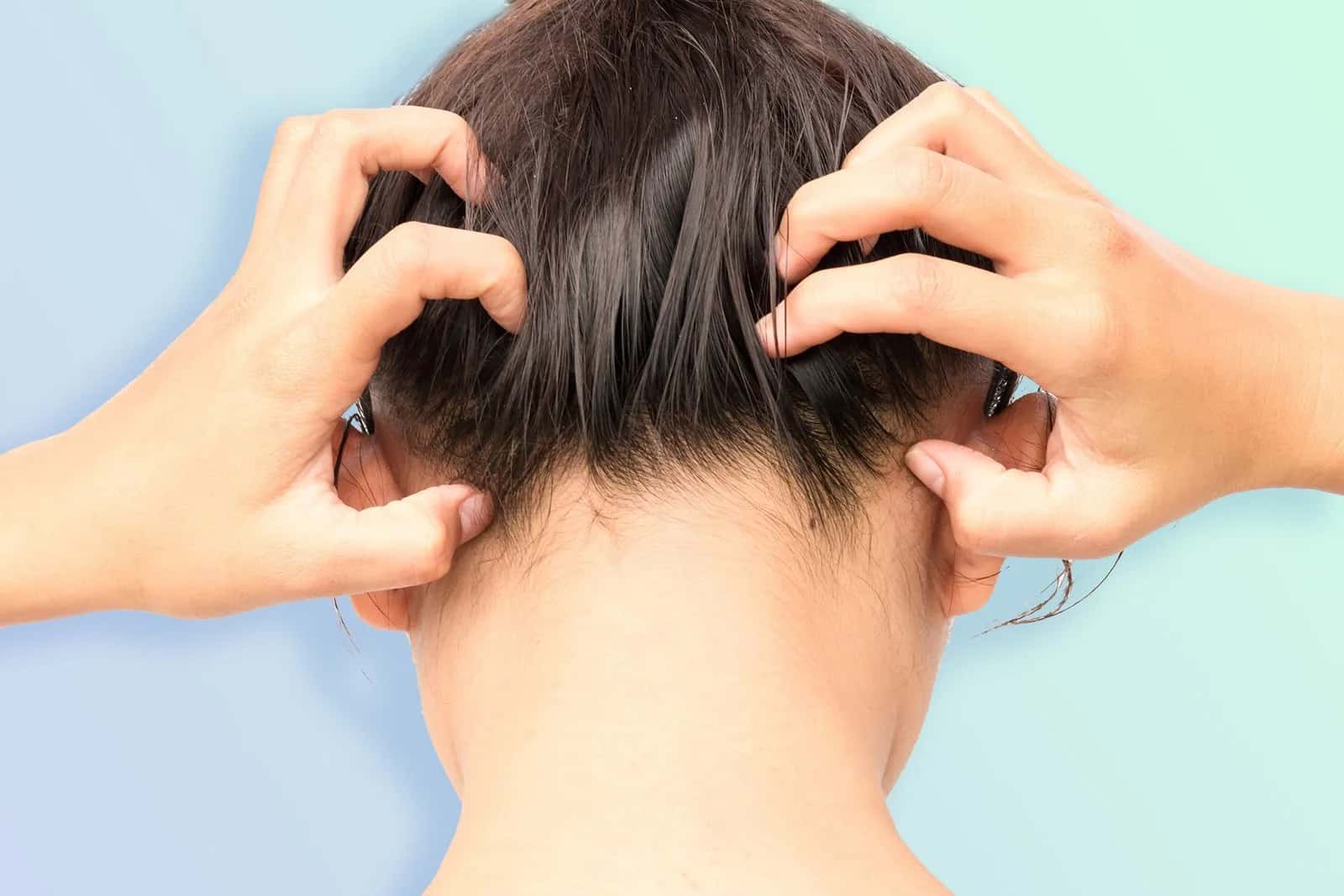
Air conditioning can dry out your scalp by reducing indoor humidity and affecting the skin's ability to maintain adequate moisture. Prolonged exposure to dry, cooled air may contribute to itching, flaking, tightness, and irritation, particularly when the scalp is already sensitive or prone to dryness.

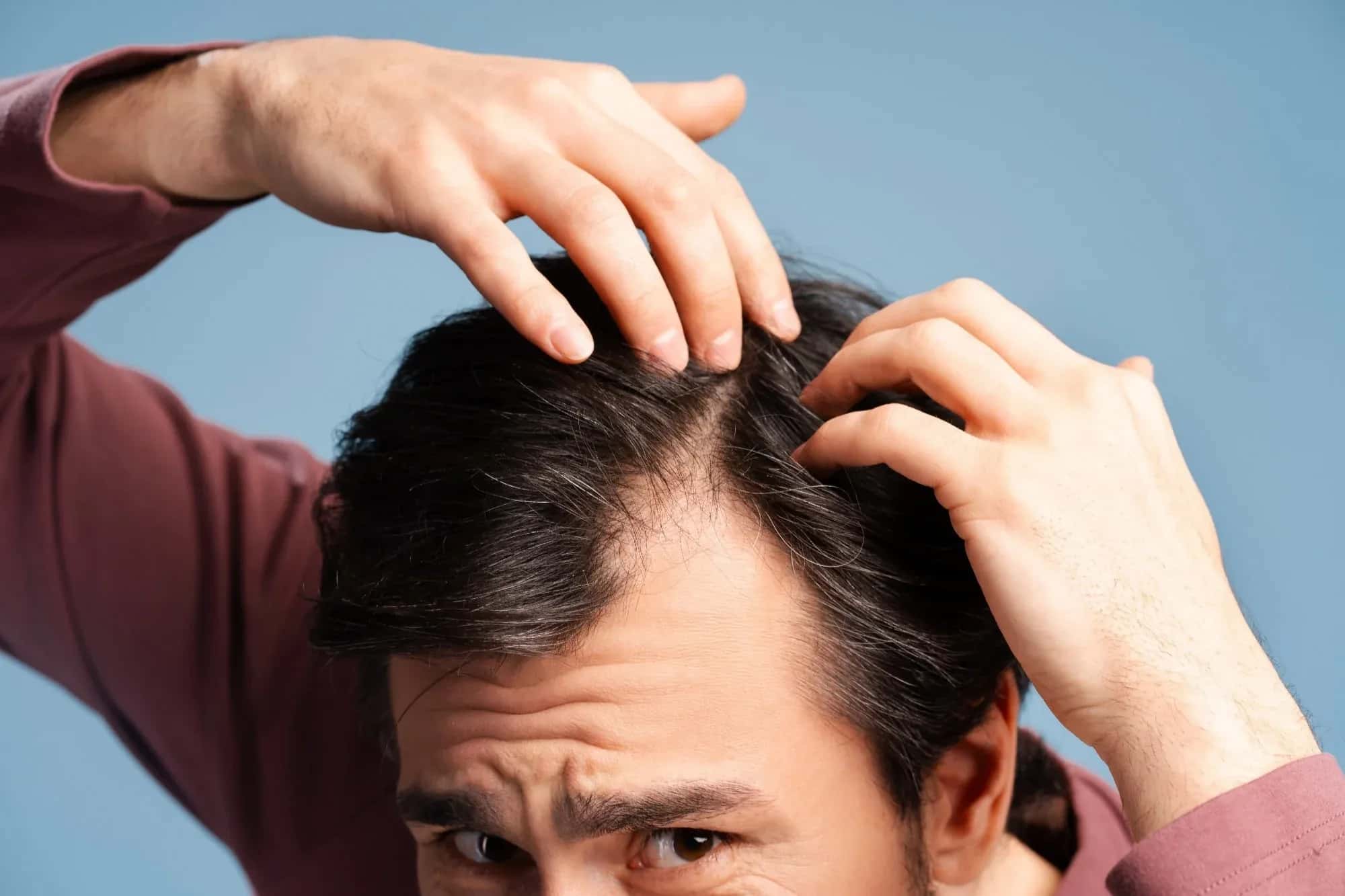
Certain dietary supplements can cause hair loss when taken in excessive amounts, particularly products containing high doses of vitamin A, selenium, or other concentrated nutrients. While supplements can help correct nutritional deficiencies that affect hair growth.

Spironolactone for female hair loss can help slow progressive thinning and improve hair density by reducing the effects of androgens on sensitive hair follicles. Although this prescription medication is not specifically approved for hair loss, clinical research supports its use in selected women.
Subscribe to the Medifinder newsletter and never miss our latest content.