










11 Different Types of Hair Transplant Techniques
This guide explains 11 hair transplant techniques and variations, how they differ, and which parts of surgery each term actually describes.

- Last updated
- 71 reads
- 9 min read


What Are the 11 Different Types of Hair Transplant Techniques?
Hair transplant terminology can be confusing because clinics often describe instruments or individual surgical stages as completely separate procedures.
The 11 techniques and variations patients commonly encounter are:
- FUT or linear strip excision
- Manual FUE
- Motorized FUE
- Robotic FUE
- Long-hair FUE
- Unshaven or partial-shave FUE
- Body hair FUE
- Sapphire-blade recipient-site creation
- Forceps implantation
- DHI or sharp-implanter placement
- Combined FUT and FUE
From a surgical classification perspective, FUT and FUE are the principal methods used to obtain donor grafts. Manual, motorized, robotic and long-hair approaches are variations of FUE. DHI and forceps placement describe implantation rather than donor harvesting. Several commercial names therefore describe different stages of the same overall operation.
1. What Is FUT Hair Transplantation?
FUT removes a narrow strip of hair-bearing scalp from the donor region and separates it microscopically into individual follicular unit grafts.
The method is also called linear strip excision or strip surgery. After the donor strip is removed, the incision is closed with sutures or staples. This produces a linear scar that can usually remain concealed beneath surrounding hair.
The harvested strip contains naturally occurring follicular units. These are separated under magnification before being implanted into recipient sites.
FUT can provide a large number of grafts without distributing thousands of small extraction sites throughout the donor region. It can therefore remain useful when donor preservation and lifetime graft planning are important.
Its main trade-off is the linear donor scar. Patients who want very short hairstyles may therefore prefer another harvesting approach.
2. What Is Manual FUE?
Manual FUE removes individual follicular units using a small punch controlled directly by the surgeon's hand.
The punch is positioned around each selected follicular unit and manually rotated or oscillated to separate the graft from surrounding tissue. The graft is then extracted individually.
Because no strip of scalp is removed, manual FUE does not create the linear scar associated with FUT. It does, however, leave many small circular extraction scars throughout the harvested donor area.
Manual extraction gives the operator direct tactile control over the punch. It can be useful when follicle direction changes or when precise adjustment is required.
The trade-off is speed. Extracting large numbers of follicular units manually can be physically demanding and time-consuming.
3. What Is Motorized FUE?
Motorized FUE uses an electrically powered punch system to assist the individual excision of follicular units.
The underlying surgical principle remains FUE. The difference lies in how the punch moves.
Modern motorized systems can use rotation, oscillation, vibration or combinations of these movements. Punches can also vary in diameter, edge design and sharpness.
Motorized systems can make extraction more efficient during larger procedures. However, using a motor does not automatically improve graft quality.
The operator still needs to judge hair direction, punch depth and donor distribution carefully. Excessive harvesting can create visible donor thinning regardless of the device used.
Some commercial FUE systems receive distinctive product names, but a branded motor does not create a fundamentally new donor-harvesting method.
4. What Is Robotic FUE?
Robotic FUE uses computer-assisted technology to identify and excise selected follicular units from the donor area.
It remains a form of FUE rather than a separate biological method of hair transplantation.
Robotic systems can analyze characteristics such as hair angle and spacing before assisting with graft harvesting. Certain systems can also assist with recipient-site planning or creation.
Automation may improve consistency during repetitive stages of surgery, but the technology does not replace clinical judgment.
Hairline design, donor limits, patient selection and long-term planning still require medical decision-making.
Robotic systems can also have limitations related to hair characteristics, donor accessibility and equipment design.
A robotic label should therefore be interpreted as describing the extraction technology rather than evidence that the resulting transplant is inherently superior to carefully performed manual or motorized FUE.
5. What Is Long-Hair FUE?
Long-hair FUE allows follicular units to be extracted while preserving the visible length of the hair shaft instead of shaving it short.
This approach differs from conventional FUE preparation, where donor hair is usually trimmed to make extraction easier.
Specialized punch designs and careful handling allow the surgeon to follow the direction of longer hairs during harvesting. The retained hair shafts can also provide immediate visual information about direction and distribution during implantation.
Long-hair FUE can be useful for patients who want to avoid an obvious shaved donor area.
However, working around long hair makes extraction more technically demanding. Procedures can take longer, and larger sessions may be less practical.
A 2026 clinical review describes long-hair FUE as an important recent development while also emphasizing its increased complexity and specific indications.
6. What Is Unshaven or Partial-Shave FUE?
Unshaven FUE reduces the amount of visible hair trimming required before follicular unit harvesting.
The term does not always mean that every hair remains completely uncut.
In partial-shave FUE, narrow donor sections may be shortened while surrounding longer hair conceals those areas. Recipient hair can sometimes remain untouched.
Fully unshaven procedures may use specialized extraction methods that preserve a greater amount of hair length.
This makes the approach attractive for patients concerned about returning to work or social activities with a visibly shaved scalp.
However, unshaven does not change the underlying donor-harvesting principle. It remains FUE.
Patients should ask exactly what the clinic means by no-shave, because recipient-only unshaven FUE, hidden donor shaving and true long-hair FUE are technically different procedures.
7. What Is Body Hair FUE?
Body hair FUE harvests follicular units from areas such as the beard or chest when scalp donor hair is limited or additional grafts are needed.
The follicular units are generally removed using adaptations of standard FUE.
Beard hair is one of the most commonly considered alternative donor sources because it can provide relatively thick shafts. Chest and other body hair can also be used in selected patients.
These hairs do not behave exactly like scalp hair. Diameter, maximum length, curl and growth cycle can differ substantially.
For this reason, body hair is often used strategically rather than as a direct substitute for every scalp graft.
It can be particularly useful in advanced hair loss, repair procedures or patients with limited remaining scalp donor reserves.
Not every patient has suitable body hair, and donor characteristics should be assessed before it is included in the surgical plan.
8. What Is Sapphire FUE?
Sapphire FUE usually refers to FUE harvesting followed by recipient sites created with blades manufactured from synthetic sapphire.
The donor extraction itself remains standard FUE.
This distinction is important because sapphire is frequently marketed as though it represents a completely separate hair transplantation method.
Recipient sites determine where grafts will be positioned and influence direction, angle and spacing. Surgeons may create these sites with steel blades, needles, sapphire blades or other appropriately designed instruments.
The material used to make the incision is only one component of the procedure.
Terms such as Sapphire FUE, Gold FUE, Ice FUE and similar branded variations are not recognized as separate FUE harvesting methods within standardized surgical terminology.
Patients should therefore focus on recipient-site planning and the person performing this stage rather than assuming the blade material determines the final result.
9. What Is Forceps Implantation?
Forceps implantation places follicular unit grafts into recipient sites that have usually been created before graft insertion.
The graft is carefully held and guided into the prepared opening while minimizing trauma to the follicular bulb.
This implantation method can be used after either FUE or FUT donor harvesting.
The important point is that extraction and implantation are separate stages.
A patient can therefore have FUE harvesting followed by forceps implantation, or FUT harvesting followed by exactly the same implantation approach.
Recipient sites may all be created first before implantation begins. Another variation creates and fills sites progressively.
Forceps implantation remains a conventional and established method. The use of an implanter pen does not automatically make implantation more advanced or forceps placement outdated.
Graft handling, recipient-site design and operator skill remain central with either approach.
10. What Is DHI Hair Transplantation?
DHI usually describes graft implantation with a sharp implanter that creates the recipient opening and inserts the follicular unit in the same movement.
It is not a separate donor-harvesting method.
In most procedures marketed as DHI, follicular units are first obtained through FUE. The difference occurs during implantation.
Each graft is loaded into an implanter device. A sharp tip enters the scalp, and a plunger places the graft into the newly created site.
Implanters can allow controlled placement and reduce direct handling of the follicular bulb.
However, DHI does not automatically provide higher graft survival, greater density or more natural results than every other implantation method.
Standardized terminology specifically describes DHI as an implantation technique rather than an independent hair transplant method.
A more meaningful comparison is therefore FUE plus implanter placement versus FUE plus pre-made recipient sites and forceps placement.
11. What Is Combined FUT and FUE?
Combined FUT and FUE uses both strip harvesting and individual follicular unit excision to expand the available donor supply in selected patients.
The two approaches can sometimes be used during the same treatment plan or during separate procedures.
This strategy can be relevant for advanced androgenetic alopecia, revision cases or patients requiring substantial lifetime graft numbers.
FUT can obtain follicles from a linear donor strip without creating diffuse extraction throughout the surrounding donor area. Additional FUE can then harvest selected follicular units outside or around the strip strategy.
Using both methods can help maximize donor resources in appropriate patients.
It also combines the disadvantages of each approach. The patient may have both a linear scar from strip surgery and small circular FUE scars.
Published surgical guidance recognizes combined harvesting as an option when donor optimization is important, particularly in extensive hair loss or revision treatment.
Are DHI, Sapphire FUE and Robotic FUE Completely Different Procedures?
No, DHI, Sapphire FUE and robotic FUE usually describe different stages or variations of FUE rather than three completely independent transplant methods.
Robotic FUE describes how follicular units are harvested.
Sapphire terminology usually describes the blade used to create recipient sites.
DHI describes one approach to implanting the harvested grafts.
The same patient could theoretically undergo robotic FUE extraction followed by sapphire-blade recipient-site creation and forceps implantation. Another patient could undergo motorized FUE followed by DHI placement.
This explains why comparing commercial technique names without examining the surgical stages creates confusion.
From a practical perspective, hair transplantation contains three main decisions: where donor follicles come from, how they are harvested and how they are implanted.
Technique names are useful only when they clarify one of those decisions.
Which Hair Transplant Technique Is Most Suitable?
There is no single hair transplant technique that is superior for every patient.
FUE may suit patients who prefer to avoid a linear scar or keep shorter hairstyles. FUT can remain useful when maximizing donor graft yield is important. Long-hair or unshaven approaches may benefit selected patients who want to preserve their existing hairstyle.
Body hair can supplement limited scalp donor reserves in carefully selected cases.
Implantation with forceps or implanter devices can both produce appropriate results when grafts are handled correctly and recipient sites are well planned.
Clinical comparisons also show that FUT and FUE can both produce high-quality follicular unit grafts, with different donor-management and scarring profiles rather than one method being universally superior.
The useful question is therefore not simply which technique is newest.
The treatment should match the patient's diagnosis, donor capacity, hair characteristics, desired hairstyle, previous surgery and likely future hair loss. Technique selection becomes meaningful only after those factors are understood.
- Last updated
- Language
- English
How did you find this article?
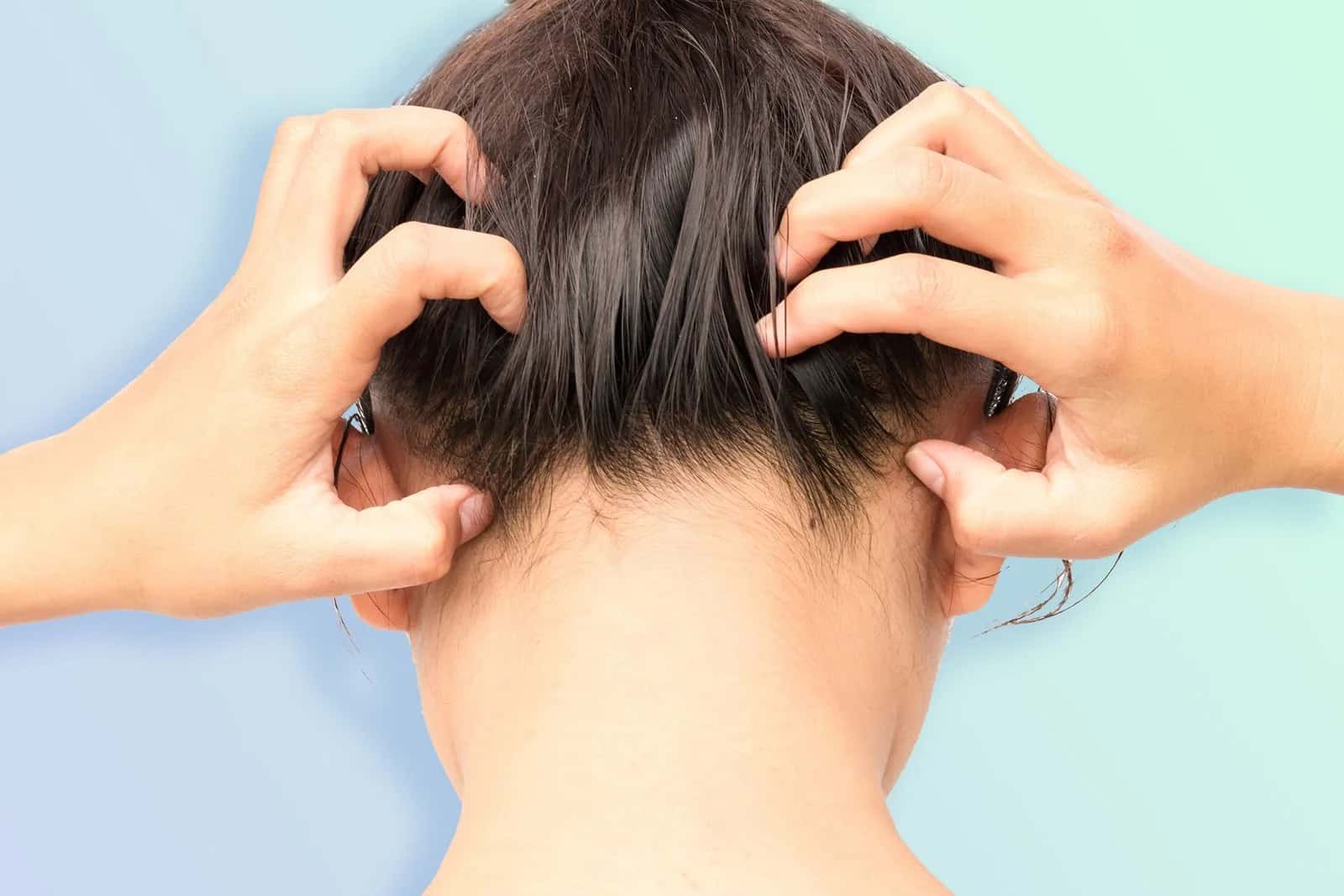
Air conditioning can dry out your scalp by reducing indoor humidity and affecting the skin's ability to maintain adequate moisture. Prolonged exposure to dry, cooled air may contribute to itching, flaking, tightness, and irritation, particularly when the scalp is already sensitive or prone to dryness.
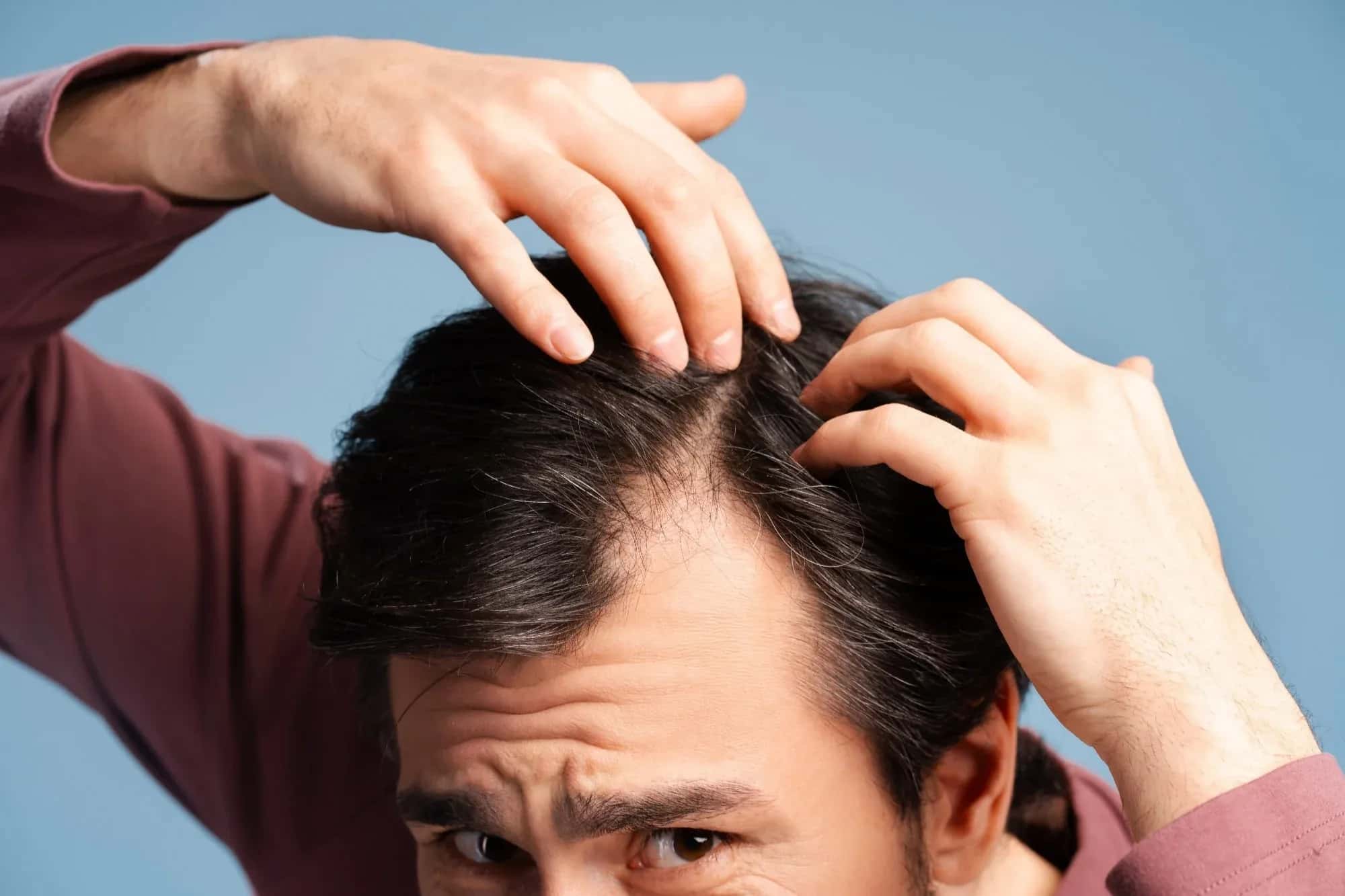
Certain dietary supplements can cause hair loss when taken in excessive amounts, particularly products containing high doses of vitamin A, selenium, or other concentrated nutrients. While supplements can help correct nutritional deficiencies that affect hair growth.

Spironolactone for female hair loss can help slow progressive thinning and improve hair density by reducing the effects of androgens on sensitive hair follicles. Although this prescription medication is not specifically approved for hair loss, clinical research supports its use in selected women.
Subscribe to the Medifinder newsletter and never miss our latest content.