










Braces Costs Around the World
Braces costs around the world vary significantly, with complete metal braces treatment available at relatively low prices in countries such as India, Turkey and Mexico, while patients in the United States, Australia and parts of Europe often face higher fees.

- Last updated
- 18 reads
- 14 min read
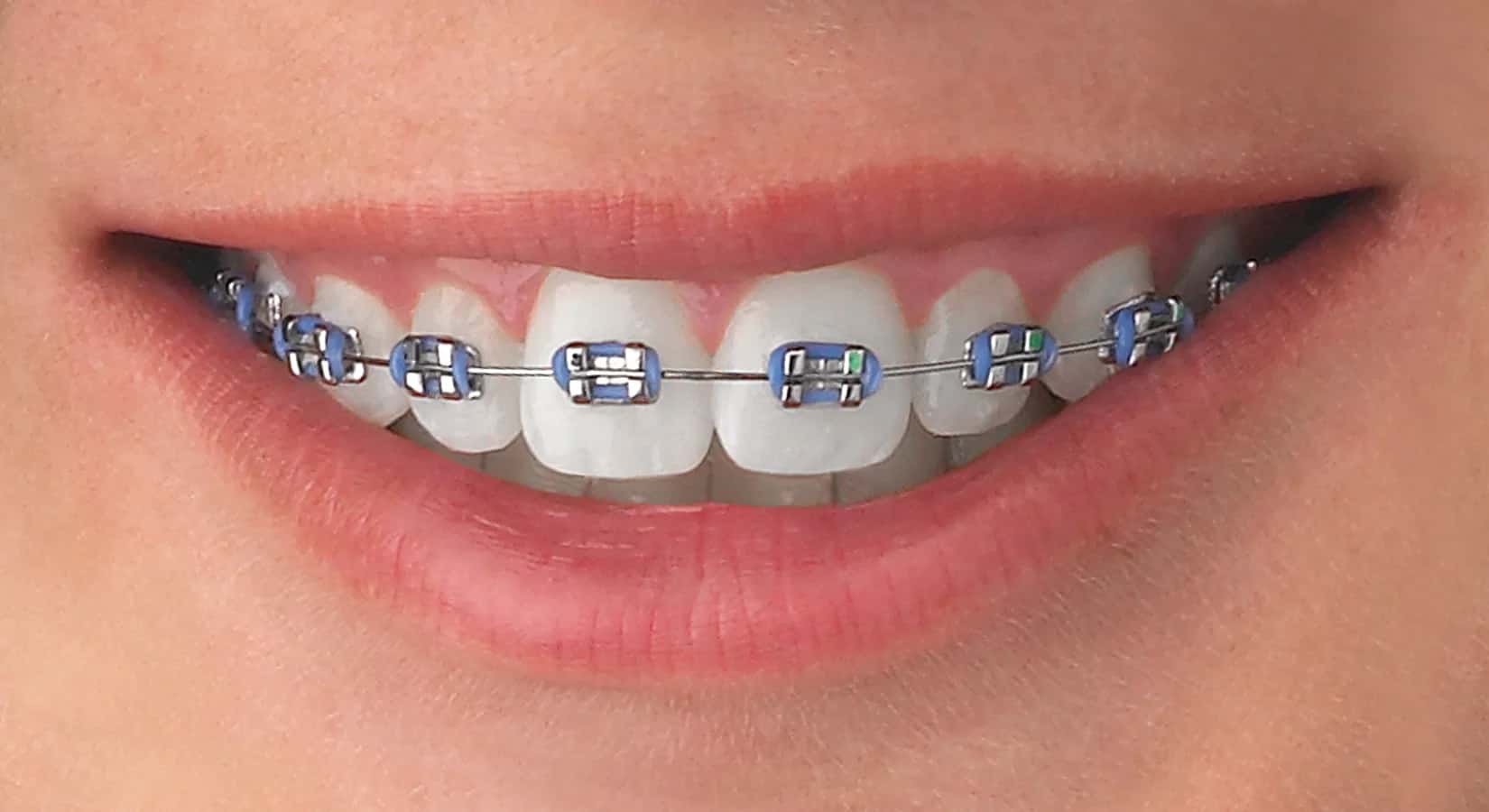


What Is Included in the Total Cost of Braces?
Braces treatment is a process that usually takes many months rather than a procedure completed in one appointment. The total fee should therefore reflect the work required from the initial assessment until the appliances are removed.
A complete treatment plan typically involves dental examinations, records of the teeth and jaws, appliance placement and a series of appointments during which tooth movement is monitored and adjusted.
Some quotations also include retainers, while others charge separately for the final stage of treatment.
This distinction is important because an inexpensive price for fitting brackets may cover only the beginning of orthodontic care.
Why Do Braces Prices Differ Between Countries?
Orthodontic prices reflect local economic conditions, professional expenses, equipment costs and the way treatment fees are structured.
However, differences between countries do not explain every variation.
A straightforward case of mild crowding may require less treatment than a complex bite problem involving several stages of tooth movement. Lingual braces, which attach to the inner tooth surfaces, also involve different manufacturing and technical demands from standard metal brackets.
Payment structures create further confusion. Some providers advertise the total treatment cost, while others display the initial appliance fee and charge separately for each adjustment.
Comparing those two figures as though they represent the same service can produce an inaccurate impression of savings.
How Much Do Braces Cost Around the World in 2026?
The following figures illustrate published 2026 private-market prices for conventional metal braces, generally covering treatment of both dental arches.
| Country | Indicative metal braces cost |
|---|---|
| United States | US$2,750–$7,000 |
| United Kingdom | £2,000–£6,000 |
| Turkey | €1,150–€3,250 |
| Mexico | MXN 15,000–35,000 |
| Poland | PLN 7,000–14,000 |
| Germany | €3,000–€6,000 |
| Spain | €2,000–€4,000 |
| Thailand | THB 80,000–100,000 |
| India | INR 25,000–53,000 |
| Australia | A$6,000–9,000 |
| Canada | C$3,000–7,500 |
These are indicative ranges based on published private fees, treatment guides and selected price lists, not official national averages. Treatment inclusions are not identical across countries; some published fees exclude diagnostic work, adjustment visits, appliance removal or retainers.
Hungary is discussed separately because available prices are frequently itemized by dental arch and subsequent appointments rather than presented as a directly comparable complete-treatment figure.
How Much Do Braces Cost in the United States?
In the United States, conventional metal braces commonly cost approximately $2,750 to $7,000 for a complete course of treatment.
Ceramic brackets, lingual systems and certain clear aligner plans can increase the expense.
A quoted total of $5,000 may cover a long sequence of adjustments rather than simply the brackets attached to the teeth.
This matters when evaluating whether orthodontic treatment is expensive. The patient is paying for controlled tooth movement over time, ongoing assessment of the bite and the eventual transition into retention.
Insurance may reduce the out-of-pocket amount, but orthodontic benefits frequently have their own eligibility restrictions and lifetime limits.
What Is the Cost of Braces in the United Kingdom?
Private orthodontic treatment in the United Kingdom commonly costs approximately £2,000 to £6,000, although complex cases and less visible appliances may exceed this range.
Eligible patients under eighteen can receive publicly funded orthodontic treatment when their condition meets the relevant clinical criteria. Mild cosmetic concerns do not automatically qualify.
Adults generally pay privately, except in limited circumstances involving significant clinical need.
The financial difference between public and private care can therefore be substantial.
For private treatment, the written quotation should specify whether the fee covers both arches, scheduled adjustments, broken bracket repairs and retainers after the braces are removed.
How Much Does Orthodontic Treatment Cost in Turkey?
Turkey offers metal braces at published international-patient guide prices of approximately €1,150 to €3,250 for a complete treatment course.
Local price lists may instead quote Turkish-lira amounts for fitting appliances on one or both arches, followed by separate adjustment fees.
Ceramic brackets and lingual braces generally cost more than conventional metal appliances.
The main consideration for international patients is continuity. Fixed braces require repeated appointments throughout treatment, sometimes over eighteen months or longer.
A patient who can attend those appointments regularly may benefit from a lower initial price.
For someone who lives far away and cannot return frequently, travel expenses and interrupted supervision can undermine the financial advantage.
What Do Braces Cost in Mexico?
In Mexico, published 2026 prices for conventional metal braces commonly range from approximately MXN 15,000 to MXN 35,000 for treatment.
Ceramic and lingual appliances can cost considerably more.
The country may offer a practical option for people who can travel regularly from nearby regions, particularly when treatment involves both upper and lower teeth.
However, orthodontics cannot be judged by the appliance fitting fee alone.
A quote should explain whether monthly adjustments, emergency repairs, radiographs and retainers are included.
For a patient who must cross an international border repeatedly, transportation and appointment scheduling also become part of the real treatment cost.
How Do Braces Prices Compare in Hungary and Poland?
Hungary and Poland offer orthodontic treatment through private dental markets where prices are frequently itemized.
In Poland, published estimates for complete metal braces treatment involving both arches commonly range from approximately PLN 7,000 to PLN 14,000.
Hungarian price lists may begin at around HUF 250,000 for a conventional metal appliance on one arch, with additional charges for the second arch, adjustments, removal and retainers.
Some Hungarian providers advertise more comprehensive treatment starting around HUF 1.1 million for both jaws, although follow-up charges may still apply.
These differences demonstrate why the initial price is not enough.
A seemingly cheaper appliance can become more expensive after months of separately billed appointments.
How Much Do Braces Cost in Germany and Spain?
In Germany, private fixed braces for adults commonly cost approximately €3,000 to €6,000, with ceramic and lingual options reaching higher amounts.
Statutory health insurance generally covers adult orthodontics only in restricted circumstances, particularly when severe jaw problems require combined orthodontic and surgical treatment.
Spain offers conventional fixed orthodontics at published private prices of approximately €2,000 to €4,000 for both arches.
Some Spanish treatment plans include diagnostic records, adjustments and retainers within a fixed total.
Others exclude one or more of these services.
The most useful comparison is therefore the complete treatment fee after accounting for the required appointments, rather than the amount advertised for placing the braces.
What Are Braces Prices in Thailand and India?
Thailand and India both offer orthodontic treatment at prices that may be lower than those in North America and Western Europe.
A published Thai hospital price list valid through 2026 places conventional metal braces at approximately THB 80,000 to THB 100,000.
In India, published full-treatment ranges for metal braces are approximately INR 25,000 to INR 53,000.
Ceramic brackets and more specialized appliances generally increase the fee in both markets.
However, a low price offers limited practical value when a patient cannot attend regular adjustments.
Unlike a crown or a filling, fixed orthodontic treatment continues long after the appliance is first fitted.
How Much Do Braces Cost in Australia and Canada?
In Australia, complete conventional braces treatment commonly costs around A$6,000 to A$9,000.
Canadian private fees frequently fall within approximately C$3,000 to C$7,500.
Both countries have private dental benefit arrangements that may reimburse part of eligible orthodontic expenses, but patients should check exclusions, waiting periods and lifetime limits.
In Canada, the federal dental care plan does not currently provide orthodontic services, so eligibility for that program should not be confused with coverage for braces.
The amount ultimately paid can therefore differ substantially from the advertised treatment fee.
Before comparing overseas prices, patients should calculate their expected local out-of-pocket expense after any confirmed insurance benefit.
Which Types of Braces Are Available and How Do Their Costs Differ?
The appliance type influences visibility, maintenance requirements and total treatment expenses.
-
Traditional metal braces: Usually the most affordable fixed option, using metal brackets and archwires to move teeth through controlled forces.
-
Ceramic braces: Use tooth-colored or translucent brackets for a less noticeable appearance, generally at a higher price than standard metal appliances.
-
Lingual braces: Attach to the inner surfaces of the teeth, making them difficult to see from the front but more expensive to manufacture and adjust.
-
Clear aligners: Use a sequence of removable plastic trays rather than conventional fixed brackets, with pricing influenced by treatment complexity and the number of planned stages.
Are Ceramic Braces More Expensive Than Metal Braces?
Ceramic braces usually carry a higher initial fee because their brackets use aesthetic materials designed to blend more closely with natural teeth.
In the United States, published price ranges for ceramic appliances commonly overlap with metal braces but can extend beyond $6,000.
In Spain, complete ceramic braces treatment often costs approximately €2,500 to €5,000.
The greater expense does not automatically mean ceramic brackets move teeth more effectively.
Both systems rely on orthodontic forces and carefully planned tooth movement.
Ceramic appliances can also have different friction, durability and removal characteristics.
The additional payment mainly reflects appearance and appliance design rather than a guaranteed improvement in treatment results.
Why Do Lingual Braces Cost More?
Lingual braces are placed on the inner surfaces of the teeth, where their components remain largely hidden during conversation and smiling.
This less visible position creates technical challenges.
The appliance must fit the complex inner tooth contours, and access for adjustment is more restricted than with conventional brackets.
Customization and laboratory production can also contribute to the expense.
In the United States, published lingual braces prices can exceed $10,000, while private treatment in Germany and the United Kingdom may also reach substantially higher levels than metal braces.
Patients should weigh the aesthetic advantage against possible speech adaptation, tongue irritation and the higher financial commitment.
Are Clear Aligners Cheaper Than Traditional Braces?
Clear aligners are not consistently cheaper or more expensive than fixed braces.
A limited aligner plan addressing minor spacing may cost less than comprehensive fixed orthodontics.
However, a full aligner course involving numerous stages, attachments and refinements can exceed the price of standard metal brackets.
Published prices in the United States commonly extend from approximately $3,250 to $8,250 for aligner treatment.
An important difference is patient participation. Aligners must be worn for the prescribed number of hours each day and removed appropriately for eating and cleaning.
The best-value option is one that can deliver the necessary tooth movements reliably, not simply the appliance with the lower initial fee.
Is Treating One Dental Arch Cheaper Than Treating Both?
Treating only the upper or lower teeth may reduce the appliance fee, but it does not always provide an appropriate orthodontic result.
Upper and lower teeth must fit together properly when the jaws close.
Moving one arch without accounting for the other can produce unwanted bite contacts or leave important alignment problems unresolved.
Some limited cases are suitable for single-arch treatment, particularly when the opposing teeth already provide a stable relationship.
However, a quotation for one arch should not be compared directly with a comprehensive treatment plan for both arches.
The lower price may simply reflect a smaller scope of care rather than a more economical way to achieve the same outcome.
Do Braces Cost More for Adults Than for Children?
Age influences orthodontic treatment, but it does not determine the price by itself.
Children and adolescents may benefit from remaining jaw growth, which can create opportunities for correcting certain bite relationships.
Adults no longer have the same growth potential and may require different strategies for complex skeletal problems.
Existing restorations, gum recession and missing teeth can also complicate adult orthodontics.
However, a straightforward adult alignment case may cost less than a severe adolescent malocclusion requiring prolonged treatment.
The main financial variables remain treatment complexity, appliance choice and duration.
Insurance and publicly funded eligibility often create a greater age-related price difference than the braces themselves.
How Does Treatment Complexity Affect the Final Price?
Orthodontic treatment can become more expensive when the problem involves more than simple tooth crowding.
A mild spacing correction may require relatively limited movement.
By contrast, correcting a deep bite, crossbite or significant dental protrusion can involve multiple stages and more extensive control of tooth position.
Some cases need extractions, temporary anchorage devices or coordination with other dental treatment.
Severe jaw discrepancies may require surgical assessment in addition to orthodontics.
Longer treatment also creates additional opportunities for repairs and unexpected expenses.
A precise cost comparison should therefore consider the diagnosis and intended bite correction rather than assuming every patient needs the same amount of orthodontic work.
Can Monthly Payment Plans Reduce the Cost of Braces?
Payment plans make orthodontic treatment easier to distribute across a longer period, but they do not necessarily lower its total price.
For example, a $4,800 treatment paid over twenty-four months would require $200 per month before interest or additional fees.
That monthly amount may be manageable, but it still represents the full treatment expense.
Some financing arrangements include interest, administration charges or penalties for missed payments.
Other plans may provide interest-free installments or require a deposit.
Patients should compare the total amount payable under financing with the cost of paying directly.
A small monthly figure can conceal a substantially larger commitment when the repayment period extends beyond the active orthodontic treatment.
Which Additional Orthodontic Expenses Should You Budget For?
The final bill can increase when the quoted fee excludes services needed before, during or after active treatment.
-
Diagnostic assessment: Initial examinations, dental radiographs, photographs, digital impressions and detailed treatment planning may involve separate charges.
-
Preparatory dental care: Professional cleaning, treatment of cavities, management of gum inflammation or planned tooth extractions may be needed before braces are fitted.
-
Additional appliances and repairs: Temporary anchorage devices, replacement brackets, lost components and certain treatment changes can introduce extra expenses.
-
Retention and follow-up: Appliance removal, fixed or removable retainers, replacement retainers and post-treatment reviews should be considered part of the complete financial plan.
How Often Are Adjustment Appointments Needed and Are They Included?
Fixed braces generally require appointments at intervals of several weeks throughout treatment.
Published orthodontic guidance commonly describes visits approximately every four to ten weeks, depending on the appliance and stage of treatment.
During these appointments, tooth movement is evaluated and the appliance may be adjusted.
A patient undergoing treatment for eighteen months may therefore need numerous visits after the initial fitting.
Some private fees include these appointments within a complete-course price. Others charge for each visit or dental arch.
Before treatment starts, the quotation should state how routine adjustments are paid for and what happens if treatment continues longer than originally anticipated.
Can Getting Braces Abroad Really Save Money?
Orthodontic treatment abroad can offer lower fees, but fixed braces create a challenge that does not apply to many short dental procedures.
Treatment commonly lasts twelve to thirty months and depends on repeated professional monitoring.
A person who travels internationally every six weeks could accumulate substantial expenses for transportation, accommodation and time away from work.
If an archwire causes discomfort or a bracket breaks, an additional unscheduled visit may be needed.
Remote communication can assist coordination, but it cannot replace every physical adjustment.
For patients who already spend significant time in the destination country, cross-border orthodontics may be practical.
For others, the lower initial fee may be outweighed by the cost and difficulty of maintaining continuous treatment.
Does Dental Insurance Cover Orthodontic Treatment?
Orthodontic insurance coverage varies according to the healthcare system, the patient's age and the medical necessity of treatment.
Some private dental policies contribute toward braces, particularly for dependent children.
Benefits may be limited by waiting periods, annual restrictions or a lifetime orthodontic maximum.
Other plans exclude adult orthodontics or cover only severe functional problems.
In England, eligible patients under eighteen can receive publicly funded treatment when their orthodontic need satisfies the required criteria.
German statutory insurance generally imposes stricter conditions for adults.
Because reimbursement rules differ, comparing published private prices without accounting for confirmed benefits may exaggerate the potential savings from treatment abroad.
How Much Do Retainers Cost After Braces?
Retainers are an essential part of orthodontic treatment because teeth can move after active correction has finished.
A removable retainer helps maintain alignment, while a bonded retainer uses a thin wire attached to selected teeth.
Some treatment packages include the initial retainers. Others charge separately for their fabrication and fitting.
Replacement costs can also arise if a removable retainer is lost, damaged or no longer fits.
Retention is not simply a short administrative step at the end of treatment. Long-term retainer wear is commonly recommended to reduce the likelihood of unwanted tooth movement.
The initial braces price should therefore be assessed alongside the practical and financial commitment required to preserve the result.
What Are the Risks of Choosing Orthodontic Treatment Mainly by Price?
A low fee can become poor value if the treatment does not adequately address the patient's dental health and bite.
Braces make cleaning around brackets more demanding, increasing the importance of plaque control and monitoring for early enamel demineralization.
Orthodontic movement can also be associated with root resorption, gum changes and other complications that require ongoing assessment.
Missed adjustments may allow problems to develop unnoticed or extend treatment.
Moving teeth solely to improve their visible alignment without assessing how the upper and lower arches fit together can produce an unsatisfactory functional result.
The safest financial decision is not necessarily the least expensive appliance but the treatment plan that provides appropriate monitoring and a stable outcome.
What Should You Check Before Accepting an Orthodontic Quote?
A written quotation should describe the complete course of care, allowing treatments from different countries to be compared on equivalent terms.
-
Confirm the treatment scope: Establish whether the price covers one arch or both, the planned appliance type and the estimated duration.
-
Verify appointment charges: Identify which diagnostic visits, routine adjustments, emergency repairs and appliance removal services are included.
-
Understand additional procedures: Ask whether extractions, specialized anchorage, periodontal care or other necessary dental treatment will be billed separately.
-
Clarify retention and continuity: Confirm the cost of retainers, follow-up arrangements and the procedure for managing problems if treatment is interrupted or continued in another country.
How Can You Compare Lifetime Braces Costs Without Compromising Dental Health?
The most meaningful orthodontic price comparison uses the complete treatment plan as its starting point.
A metal braces package in Turkey or Mexico may cost substantially less than a comparable private course in the United States or Australia. However, that difference only represents genuine savings when regular supervision, necessary repairs and retention are also accounted for.
The same principle applies when comparing appliance types. Ceramic brackets may provide a less noticeable appearance, while lingual braces offer greater concealment at a higher cost. Neither option automatically produces a better functional result than conventional metal braces.
Orthodontic treatment should ultimately achieve more than straighter-looking front teeth. It should establish an appropriate bite, protect dental tissues and leave the patient with a practical plan for maintaining the correction.
The long-term value of braces therefore depends on three things working together: a suitable treatment plan, consistent care throughout tooth movement and effective retention after the appliances are removed.
A lower initial price is worthwhile when those essential elements remain intact. If the savings depend on missed monitoring, incomplete treatment or inadequate follow-up, the financial advantage can disappear long before the teeth have reached their intended positions.
- Last updated
- Language
- English
How did you find this article?
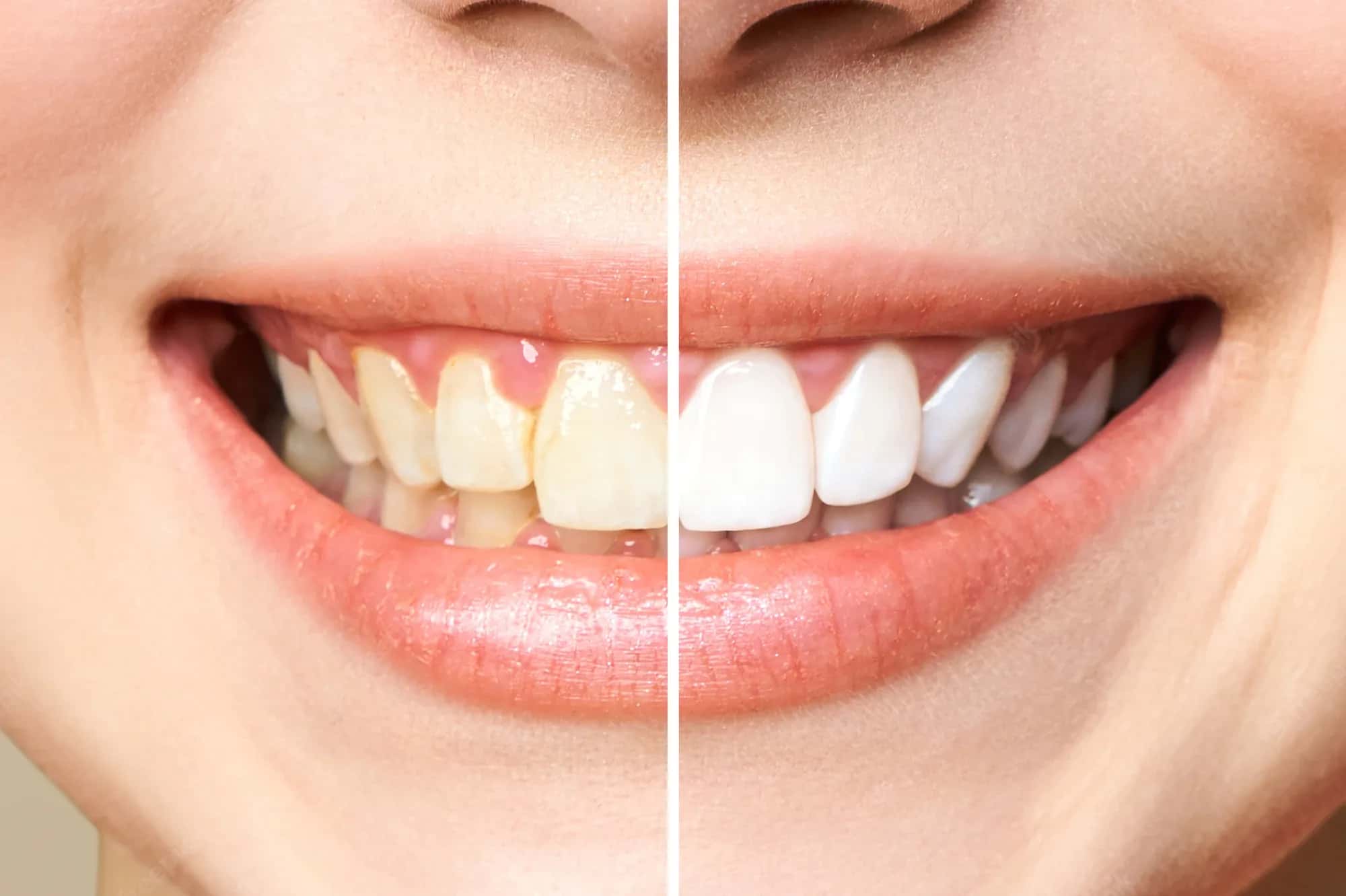
Teeth whitening costs around the world vary substantially, with professional treatment generally costing less in countries such as Turkey, Mexico and India than in the United States or United Kingdom.
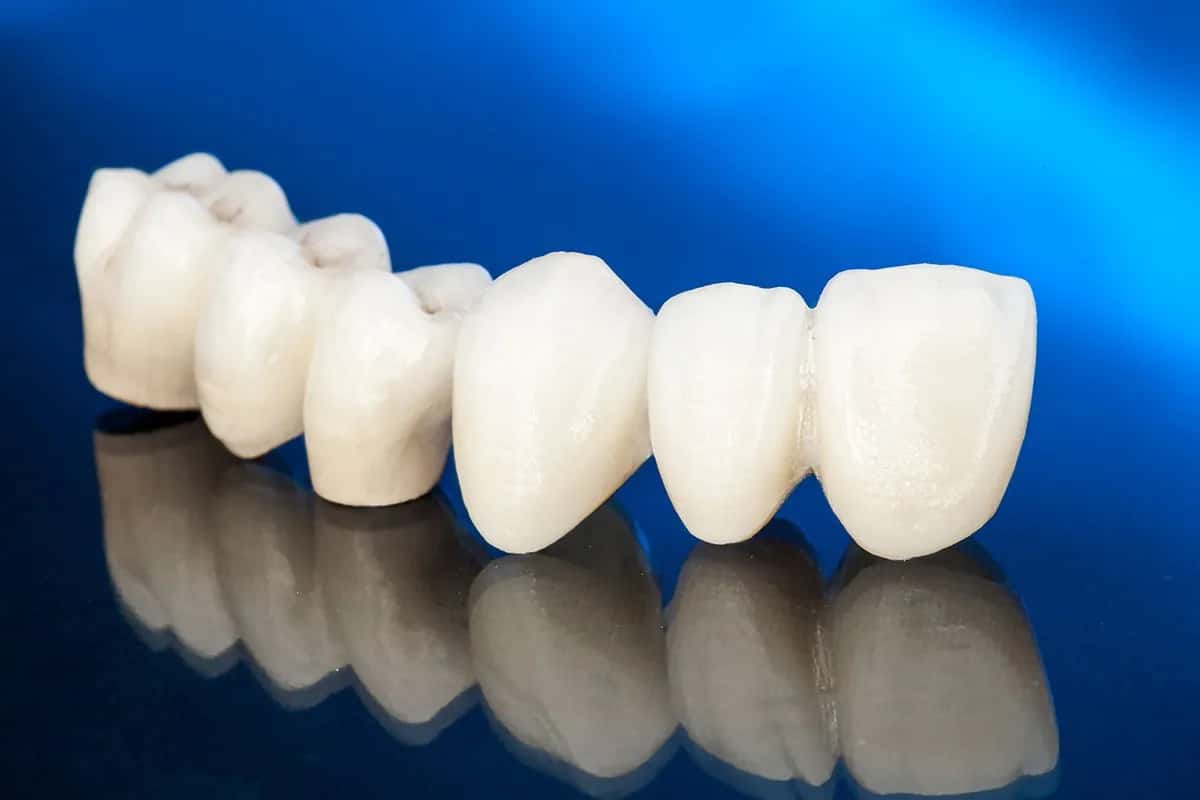
Zirconium crown costs around the world vary significantly, from approximately €180–€400 per tooth in Turkey to $1,000–$2,500 in the United States, based on published 2026 private-treatment prices.
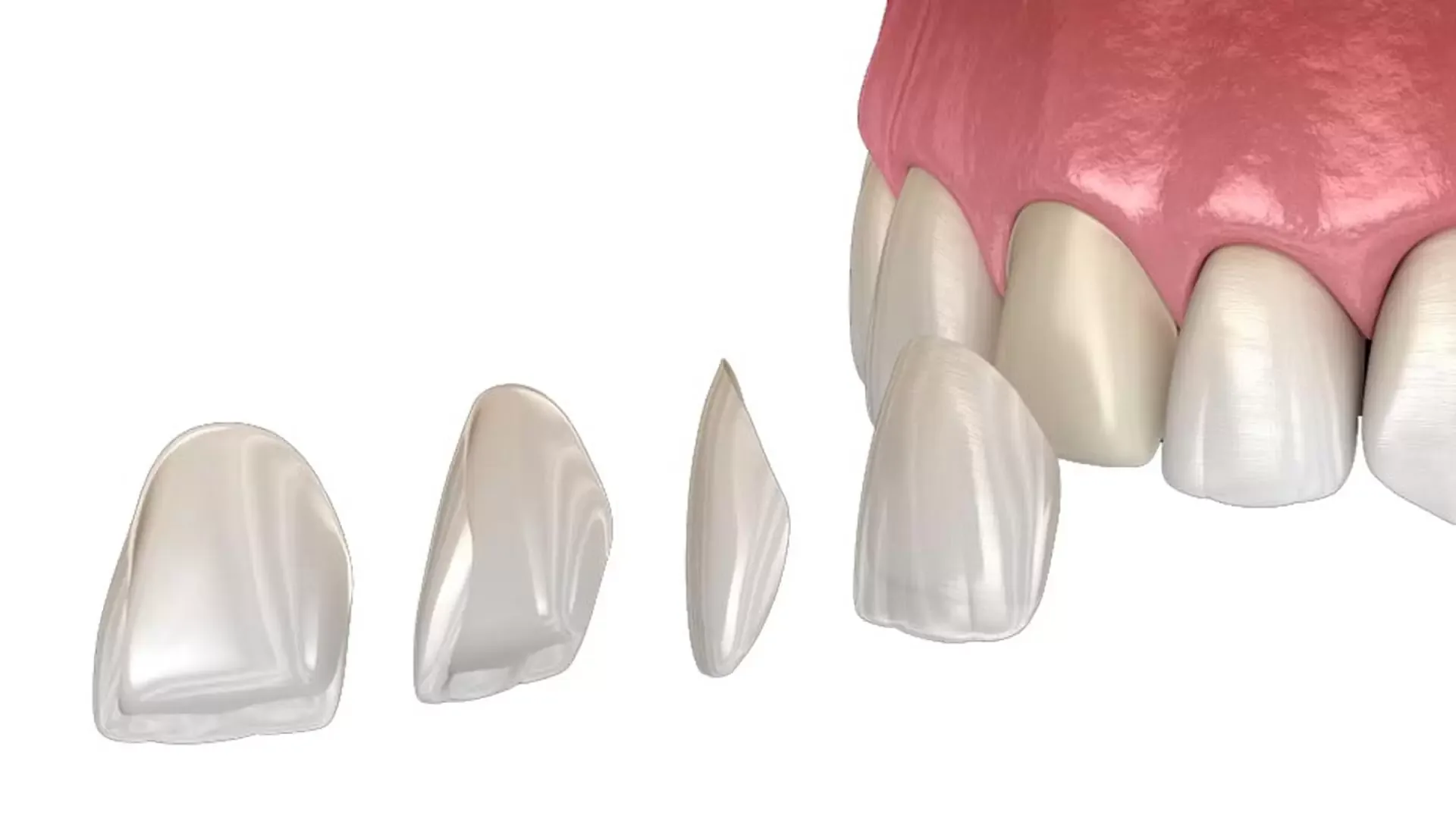
E-Max costs around the world differ significantly, with ceramic veneers and crowns available at lower published prices in countries such as Turkey, Mexico and Hungary than in the United States or United Kingdom.
Subscribe to the Medifinder newsletter and never miss our latest content.