










Zirconia vs Titanium Dental Implants
Titanium and zirconia both replace the root of a missing tooth, yet they differ in strength, appearance, design flexibility and the depth of clinical evidence behind them. This guide compares the two materials side by side so you can understand which questions matter most before you discuss your options with a dentist.

- Last updated
- 30 reads
- 9 min read
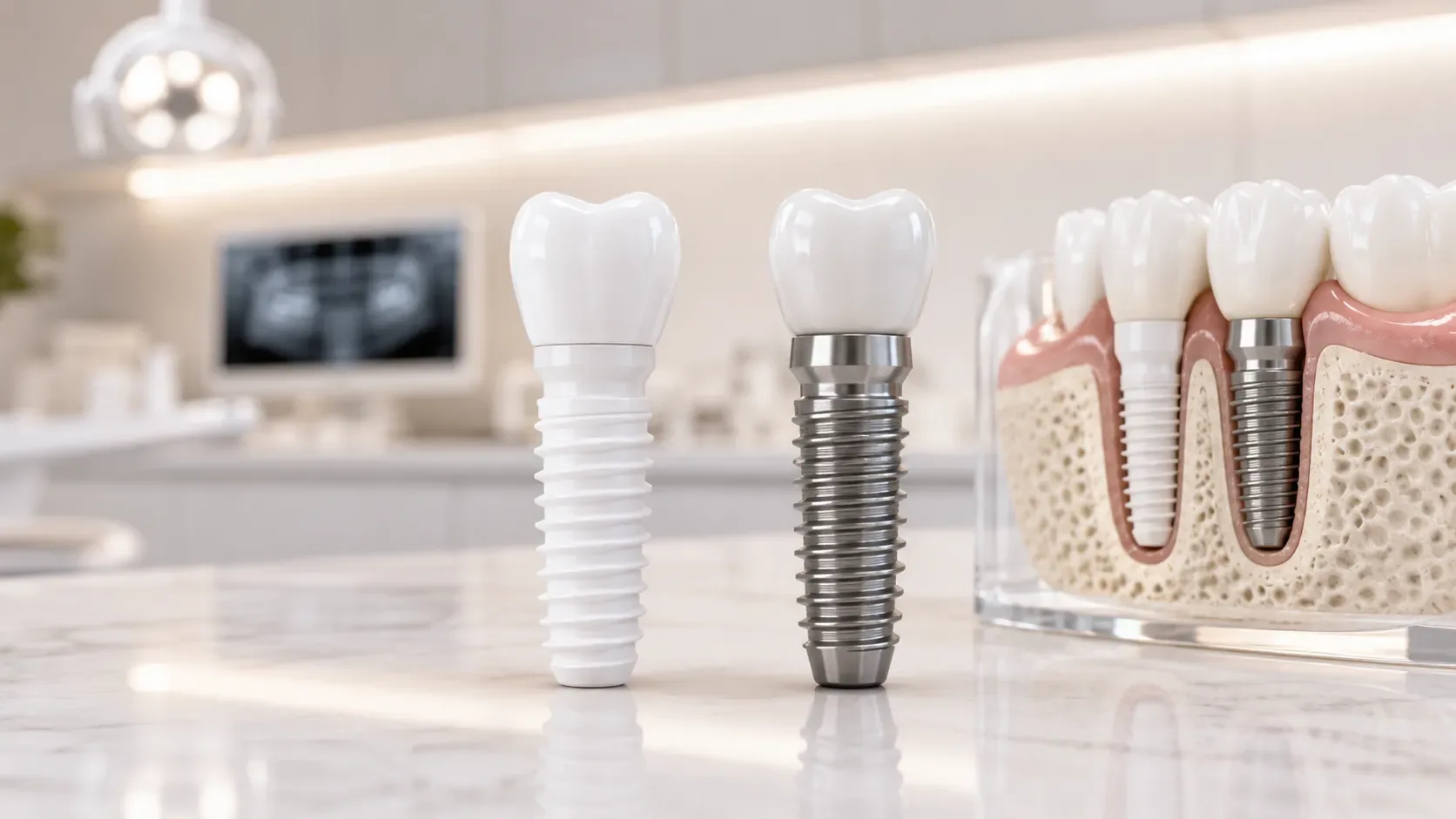


What Is the Difference Between Zirconia and Titanium Implants?
The main difference between zirconia and titanium implants lies in the material itself: titanium is a metal with a long clinical history, while zirconia is a white ceramic that offers a metal-free alternative. Both materials can bond with the jawbone and support a crown, bridge or denture, but they behave differently under force, look different beneath the gums and come in different design formats.
Titanium implants have served as the standard in implant dentistry for decades, so dentists have extensive experience with their behavior in nearly every clinical situation. Zirconia implants arrived more recently and have developed quickly, attracting patients who prefer to avoid metal or who want a tooth-colored root, especially in the front of the mouth.
Choosing between them involves weighing proven long-term performance against aesthetic and metal-free benefits. The condition of your bone, the position of the missing tooth, the thickness of your gums and your bite all play a part in that decision.
How Do Titanium Dental Implants Work?
Titanium dental implants work by fusing with the surrounding jawbone in a process called osseointegration, which anchors the implant firmly enough to carry chewing forces. After the surgeon places the implant into the bone, new bone cells grow directly onto its surface over several months, locking it in place much like a natural root.
Manufacturers make dental implants from commercially pure titanium or from titanium alloys, which add small amounts of other metals to increase strength. Most implant surfaces receive special treatments that roughen the metal at a microscopic level, giving bone cells more area to attach to and supporting faster, more reliable integration.
Most titanium implants follow a two-piece design. The implant body sits in the bone, and a separate connector called an abutment screws into it to hold the final crown. This modular setup lets the dentist choose different abutment angles and heights, which makes titanium adaptable to a wide range of positions, bone shapes and restoration types.
What Are Zirconia Dental Implants?
Zirconia dental implants are tooth-colored implants made from zirconium dioxide, a high-strength ceramic that dentists also use for crowns and bridges. Despite the similarity in name, zirconia is a ceramic, not a metal, which is why people often describe these implants as metal-free or ceramic implants.
Early zirconia implants mostly used a one-piece design, where the implant and abutment form a single unit. This design leaves no internal gap or screw connection, but it also means part of the implant sits above the gum during healing and the dentist cannot change its angle later. Two-piece zirconia systems now exist as well, giving more flexibility in placement and restoration, although they remain less widely used than titanium systems.
Zirconia implants also go through surface treatments to encourage bone attachment. Their white color and smooth ceramic finish are the features that attract most patients, particularly those with thin gums or a high smile line.
Zirconia vs Titanium at a Glance
The table below summarizes how the two materials compare across the factors that most often shape a patient's decision.
| Factor | Titanium implants | Zirconia implants |
|---|---|---|
| Material | Metal (pure titanium or titanium alloy) | Ceramic (zirconium dioxide) |
| Color | Gray, may show through thin gums | White, close to natural tooth color |
| Clinical history | Decades of long-term research | Shorter history, growing body of research |
| Design options | Mostly two-piece, wide range of sizes and abutments | One-piece and two-piece, fewer sizes |
| Strength under bending forces | Flexible and highly resistant to fracture | Very hard but more brittle |
| Metal-free | No | Yes |
| Suitability for complex cases | Broad, including full-arch and angled placement | More limited |
Which Material Integrates Better With Bone?
Both titanium and zirconia can integrate successfully with bone, and research on modern zirconia implants shows bone attachment that compares well with titanium in suitable cases. Titanium still holds the stronger evidence base, since studies have followed patients with titanium implants for far longer periods and across many more clinical situations.
Surface treatment plays a major role for both materials. A rough, well-engineered surface gives bone cells more opportunity to attach, and manufacturers of both titanium and zirconia implants continue to refine these surfaces. For zirconia, improvements in surface technology have made a noticeable difference compared with earlier generations of ceramic implants.
The patient's own biology often matters as much as the material. Healthy bone volume, good blood supply, controlled general health and avoiding smoking all support integration regardless of which implant the surgeon places.
How Do the Two Materials Compare in Strength and Durability?
Titanium offers greater resistance to fracture because the metal can flex slightly under force, while zirconia is extremely hard but more brittle when exposed to strong bending or sideways loads. In everyday chewing, both materials can withstand normal forces well, but the difference becomes more relevant in demanding situations.
People who grind or clench their teeth, known as bruxism, place heavy and repeated stress on implants. Titanium usually handles these forces with a lower risk of fracture, whereas a zirconia implant under the same conditions has a higher chance of cracking, particularly in narrow diameters. Dentists often take this into account when they plan implants for molars, which carry the strongest chewing forces.
Titanium also allows a wider range of implant widths and lengths, including narrow implants for tight spaces. Zirconia implants generally need a certain minimum thickness to maintain strength, which can limit their use where bone or space is restricted.
Which Implant Looks More Natural?
Zirconia implants usually give a more natural appearance in demanding aesthetic areas, because their white color blends with natural teeth and does not create a gray shadow beneath the gums. This difference matters most for front teeth, for people with thin or translucent gum tissue and for those whose gums show when they smile.
A titanium implant can sometimes cause a faint gray tint through thin gums, and if the gum recedes over time, the metal edge of the implant or abutment may become visible. Dentists can often reduce this risk with careful placement, adequate soft tissue thickness and tooth-colored abutments made of zirconia or other ceramics.
In the back of the mouth, where the implant is rarely visible, the aesthetic difference between the two materials becomes much less important, and strength and design flexibility often carry more weight in the decision.
How Do Zirconia and Titanium Affect Gum Health?
Both materials can maintain healthy gums when patients keep up good oral hygiene and attend regular check-ups, though some research suggests that zirconia surfaces attract less plaque than titanium. Lower plaque buildup may support healthier gum tissue around the implant, which can help reduce inflammation.
Peri-implantitis, an infection that damages the gum and bone around an implant, can affect implants of either material. Its main risk factors include poor oral hygiene, a history of gum disease, smoking and excess cement left under the crown, rather than the implant material alone.
One-piece zirconia implants also have no internal connection between implant and abutment, which removes a small space where bacteria could otherwise collect. Two-piece titanium systems manage this gap with precise engineering, and well-designed connections perform reliably over the long term.
What Are the Main Advantages of Titanium Implants?
Titanium remains the most widely used implant material for several practical reasons that apply to a broad range of patients:
- A long, well-documented track record that gives dentists extensive knowledge of how titanium implants perform over many years in different parts of the mouth.
- High resistance to fracture, which makes titanium well suited to molars, heavy bites and patients who grind or clench their teeth.
- Wide design flexibility, with many lengths, widths and abutment options that allow the dentist to adapt the treatment to difficult angles and limited spaces.
- Suitability for complex treatments, including full-arch restorations, angled implants and cases that involve bone grafting or sinus lifts.
- Easier restoration and repair, since two-piece designs allow the dentist to replace the crown or abutment without disturbing the implant in the bone.
Who May Benefit From Zirconia Implants?
Zirconia implants can be a good fit for certain patients whose priorities or clinical situation favor a ceramic option:
- People who want a metal-free treatment, whether for personal preference or because they prefer to avoid metals in their body.
- Patients with a confirmed sensitivity to titanium, which is rare but can lead a dentist to recommend a ceramic alternative.
- Those replacing front teeth with thin gums, where a white implant avoids any risk of a gray shadow through the tissue.
- Patients with a high smile line, who show a lot of gum when they smile and want the most natural appearance possible.
- People with good bone volume and a normal bite, since zirconia performs best when there is enough space for an implant of adequate thickness and no heavy grinding forces.
Can You Be Allergic to Titanium Implants?
True allergy to titanium is considered rare, but some patients report sensitivity reactions, and a small number of studies have explored possible immune responses to titanium particles. Signs that could suggest a reaction include persistent inflammation around the implant, unexplained discomfort or skin reactions, although many of these symptoms also have other causes.
Testing for titanium sensitivity is not always straightforward, since standard skin patch tests may not detect reactions reliably. If you have a known history of metal allergies or have experienced reactions to other metals, discuss this with your dentist before treatment. In these cases, a zirconia implant offers a practical way to avoid metal altogether.
Most people tolerate titanium implants without any problem, which is one reason the material has remained the standard choice for so long.
What Affects the Cost of Each Implant Type?
The cost of each implant type depends on the material, the implant system, the complexity of the case and any additional procedures such as bone grafting. Zirconia implants often cost more than titanium, partly because of the manufacturing process and partly because fewer systems are available.
The total cost of implant treatment also includes imaging, surgery, the abutment, the final crown and follow-up appointments, so the price of the implant itself forms only one part of the overall investment. When you compare quotes, ask for an itemized treatment plan that shows each stage, and check what follow-up care is included. Since prices change over time, request an up-to-date estimate after your examination.
What Should You Ask Before Choosing an Implant Material?
The right questions help you understand why your dentist recommends one material over the other and what that choice means for your treatment:
- Which material suits the position of my missing tooth, and how do my gum thickness and smile line affect the aesthetic result?
- How much bone do I have, and does the available space allow an implant of adequate width for zirconia?
- Do I grind or clench my teeth, and how would that affect the risk of fracture with each material?
- Is the system you recommend one-piece or two-piece, and how would that affect healing, restoration and future repairs?
- What long-term evidence supports the specific implant system, and how many cases with this material have you treated?
Finding a Dentist Who Offers Both Options
A dentist who places both titanium and zirconia implants can compare the materials for your situation without being limited to one system. Look for a qualified implant dentist, periodontist or oral surgeon who uses 3D imaging, explains the trade-offs openly and can show results from cases similar to yours.
MediFinder lets you browse dental clinics and doctor profiles, compare the implant treatments and materials they list and send an appointment request when you find a team that matches your needs. A thorough examination and an honest conversation about strength, aesthetics and evidence will help you choose the implant that fits your mouth and your priorities.
- Last updated
- Language
- English
How did you find this article?
Teeth whitening costs around the world vary substantially, with professional treatment generally costing less in countries such as Turkey, Mexico and India than in the United States or United Kingdom.
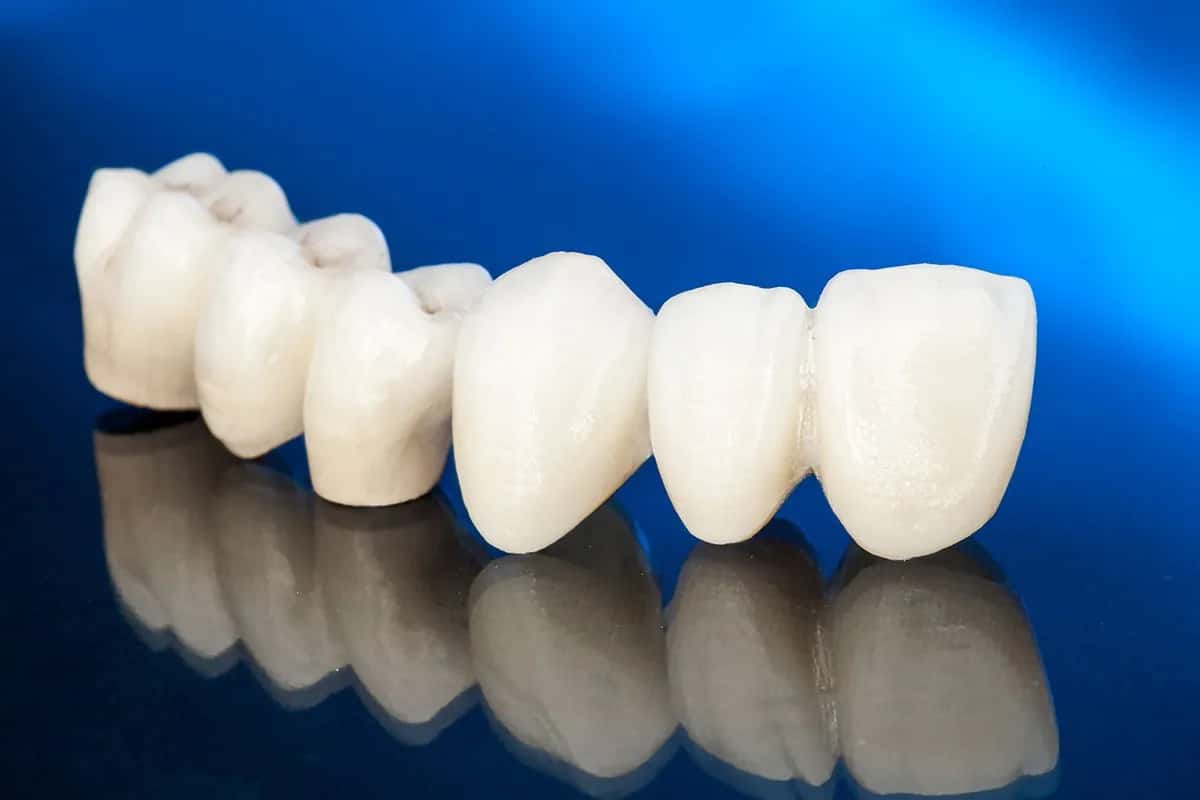
Zirconium crown costs around the world vary significantly, from approximately €180–€400 per tooth in Turkey to $1,000–$2,500 in the United States, based on published 2026 private-treatment prices.
E-Max costs around the world differ significantly, with ceramic veneers and crowns available at lower published prices in countries such as Turkey, Mexico and Hungary than in the United States or United Kingdom.
Subscribe to the Medifinder newsletter and never miss our latest content.