










Why Does My Heart Race After a Hot Shower?
A racing heart after a hot shower may reflect heat, dehydration, standing, stress, or an underlying rhythm issue. Learn what helps and which warning signs matter.

- Last updated
- 8 reads
- 7 min read
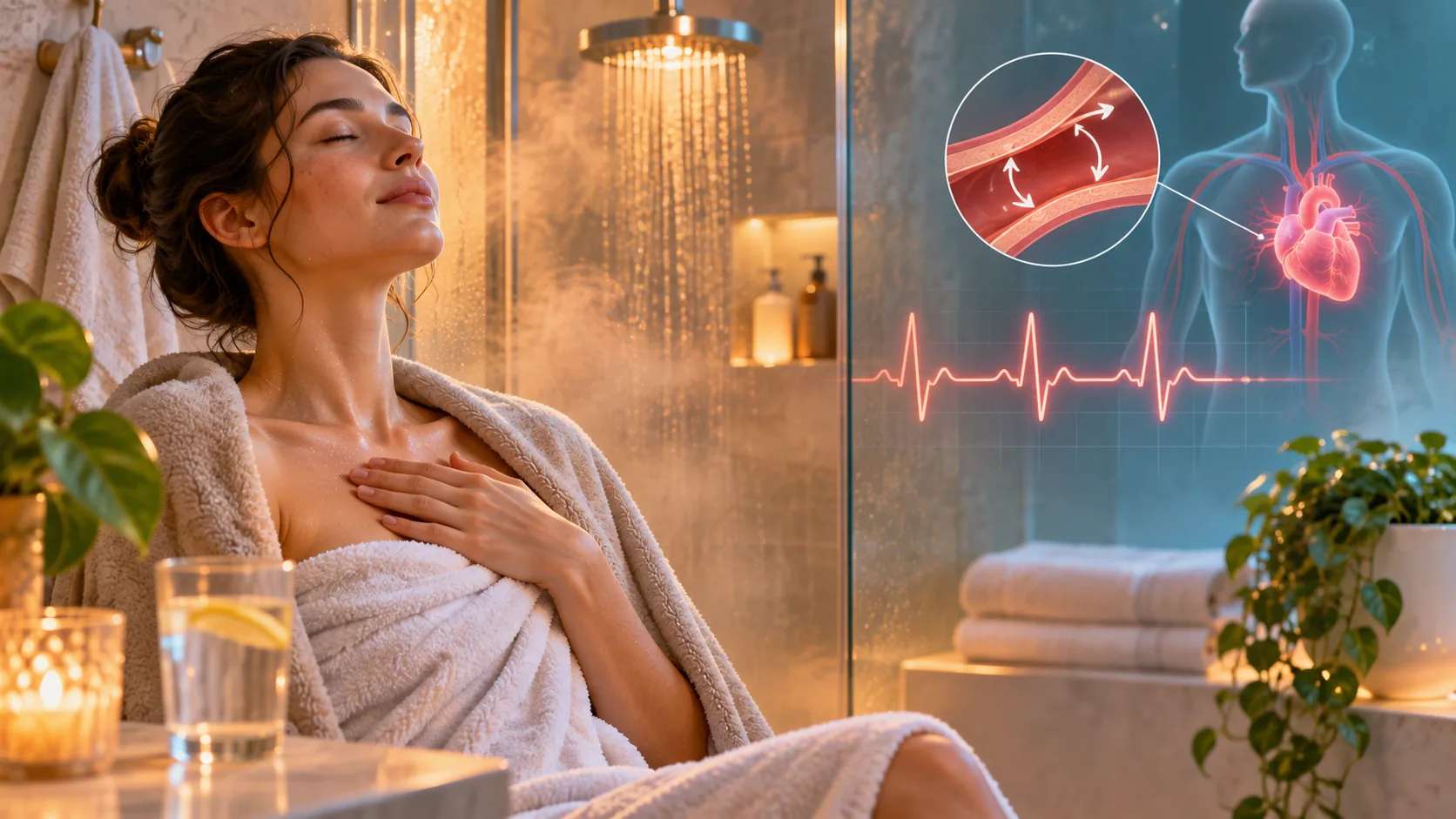


A racing heart after a hot shower can feel sudden and alarming. You may notice pounding in the chest, a faster pulse, lightheadedness, weakness, or a need to sit down. Heat changes the way blood vessels behave, and the transition from warm water to standing in a steamy room can place extra demand on the circulation. Most brief episodes settle, but the details of the event matter.
Why Does a Hot Shower Raise Heart Rate?
Warm water causes blood vessels near the skin to widen so the body can release heat. This widening can lower the resistance against blood flow and allow more blood to collect in the legs. The heart may beat faster to maintain circulation to the brain and other organs.
Standing up in the shower adds another challenge. Gravity pulls blood downward, while heat and humidity make it harder for the body to cool itself. A faster pulse can be a normal compensation, especially when the water is very hot or the shower lasts a long time.
Common Reasons the Heart Races After a Shower
Dehydration
Hot water increases fluid loss through sweating. If you began the shower already dehydrated, the circulating blood volume may be lower and the heart may respond by beating faster. Dry mouth, dark urine, headache, and fatigue can accompany this pattern.
Heat and Humidity
Steam makes it difficult for sweat to evaporate. The body continues sending blood toward the skin, which can create a warm, flushed, or pounding sensation. Opening the bathroom door, lowering the water temperature, and shortening the shower may help.
Standing Quickly
Moving from sitting or lying down to standing in a hot environment can trigger a temporary drop in blood pressure. The heart speeds up to compensate. Some people feel dizzy, see spots, or need to hold the wall for support.
Low Blood Sugar
Skipping meals, exercising before a shower, or using glucose-lowering medication can contribute to shakiness and palpitations. Hunger, sweating, tremor, and weakness can occur together.
Anxiety and Adrenaline
The sensation of a pounding heart can trigger worry, and worry can release more adrenaline. This creates a cycle in which the pulse feels increasingly forceful even after the original heat exposure has ended.
Caffeine, Nicotine, or Decongestants
Stimulants can make the heart more reactive to heat and standing. Coffee, energy drinks, nicotine, and some cold medicines may be relevant, particularly when an episode begins soon after use.
- Heat widens blood vessels and can temporarily increase pulse.
- Dehydration makes a racing heart more likely.
- Standing quickly can add dizziness or visual dimming.
- Chest pain, fainting, or severe breathlessness is not a routine heat response.
What Does a Typical Heat Related Episode Feel Like?
A benign episode often begins during the shower or shortly afterward, improves when you sit or lie down, and settles as the body cools. The heartbeat may feel regular but faster than usual. Mild flushing, sweating, and lightheadedness can occur without chest pressure.
Patterns that are new, prolonged, irregular, or unrelated to heat deserve more attention. Note whether the pulse feels uneven, whether symptoms occur at rest, and whether there is a personal history of heart disease, fainting, thyroid problems, anemia, or medication changes.
What to Do When Your Heart Starts Racing
Turn off the hot water, sit down, and move to a cooler, well ventilated area. If you feel faint, lie down and raise your legs if this is comfortable. Take slow breaths and sip water once you are steady enough to swallow safely.
- Cool the room and loosen tight clothing.
- Do not rush out of the shower while dizzy.
- Notice whether the heartbeat feels regular or irregular.
- Record how long the episode lasts and what you had eaten or taken.
How to Prevent a Racing Heart After Showers
Use warm rather than very hot water and keep showers reasonably short. Ventilate the bathroom so steam can escape. Drink fluids during the day, especially after exercise or in hot weather, and avoid taking a long hot shower when you have not eaten for many hours.
Stand up slowly and keep a stable surface nearby. If you are prone to dizziness, sit while drying off and avoid locking the knees. Review caffeine, nicotine, alcohol, and stimulant medication timing if episodes keep recurring.
When Could the Cause Be Something Other Than Heat?
Repeated palpitations may arise from an abnormal rhythm, thyroid overactivity, anemia, electrolyte changes, infection, fever, or medication effects. A shower may simply reveal the symptom because heat and standing increase the body’s demand for circulation.
If episodes occur during rest, wake you from sleep, last longer over time, or happen with exercise, arrange an assessment. Keep a record of pulse rate if you can measure it safely, but do not delay care to obtain a perfect number.
Warning Signs That Need Urgent Care
Seek urgent help for chest pain or pressure, fainting, severe breathlessness, blue lips, new confusion, one-sided weakness, or a heartbeat that remains very fast and does not settle with rest. An irregular rhythm combined with dizziness also deserves prompt attention.
Call for advice if the episodes are becoming more frequent, if you have known heart disease, or if a new medication preceded the change. A hot shower should not be used to explain away symptoms that are severe or progressive.
- Chest pain, pressure, or pain spreading to the arm or jaw.
- Fainting or near-fainting.
- Severe shortness of breath.
- Persistent rapid or irregular heartbeat.
How Recurrent Episodes Are Evaluated
An assessment may include blood pressure and pulse lying and standing, an electrocardiogram, medication review, and blood tests for anemia, thyroid function, glucose, and electrolytes. A portable rhythm monitor can capture episodes that do not occur during an appointment.
Bring details about shower temperature, duration, hydration, food intake, caffeine, medication timing, and associated symptoms. This context helps distinguish a normal heat response from an underlying issue.
Frequently Asked Questions About a Racing Heart After a Hot Shower
Is it normal for my heart to beat faster after a hot shower?
A brief increase can occur because heat widens blood vessels and standing shifts blood toward the legs. It should improve as you cool down and rest.
Can dehydration cause a racing heart after showering?
Yes. Low fluid levels can make the heart beat faster to maintain circulation, particularly after sweating, exercise, illness, or alcohol.
How can I stop palpitations after a hot shower?
Turn down the heat, sit in a cool area, breathe slowly, and drink water when safe. Avoid standing quickly while dizzy.
When should I be worried about a fast heartbeat after a shower?
Seek prompt care for chest pain, fainting, severe breathlessness, persistent rapid or irregular beats, or a worsening pattern unrelated to heat.
Can anxiety make post shower palpitations feel worse?
Yes. Worry can release adrenaline and make a normal increase in pulse feel stronger. The symptoms still deserve review if they are new, prolonged, or severe.
Understanding the Pattern
A racing heart after a hot shower often reflects heat, standing, and fluid shifts acting together. Cooling the body, improving hydration, and using less intense water temperature may reduce brief episodes. Repeated, severe, irregular, or symptom-filled palpitations require a proper assessment so the cause is not hidden behind the shower.
Bathroom conditions can intensify the response more than the water temperature alone. Poor ventilation traps steam, slippery floors encourage tense movement, and standing still for a long time allows blood to pool in the legs. A small stool, an open door, and a cooler final rinse can make the transition out of the shower easier.
Pay attention to the order of symptoms. If warmth comes first, followed by flushing and a regular fast pulse that settles when you lie down, the pattern may fit heat related circulation changes. If an irregular rhythm starts before the shower, occurs while sitting, or continues long after cooling, it points to a different question.
Do not repeatedly check your pulse in a way that increases panic. One calm measurement after you are seated is enough to document the episode. Note the time, the approximate rate, whether the rhythm felt even, and how long recovery took.
People who take diuretics, blood pressure medicine, glucose lowering drugs, stimulants, or thyroid medication should mention the complete list during an assessment. The timing of a dose can interact with heat, hydration, and food intake even when the prescription itself has not changed.
If you live alone and have experienced near-fainting, keep the bathroom free of clutter and tell someone when you feel unwell. Preventing a fall is as important as understanding the heartbeat itself.
A clear pattern makes the next medical conversation much more useful and helps separate a brief heat response from a recurring rhythm problem.
- Last updated
- Language
- English
How did you find this article?
Heart palpitations on the left side can reflect position, increased awareness, extra beats, reflux, dehydration or stimulant use.

Learn why heart palpitations may happen after eating, which food and health factors can contribute, and the warning signs that need urgent attention.
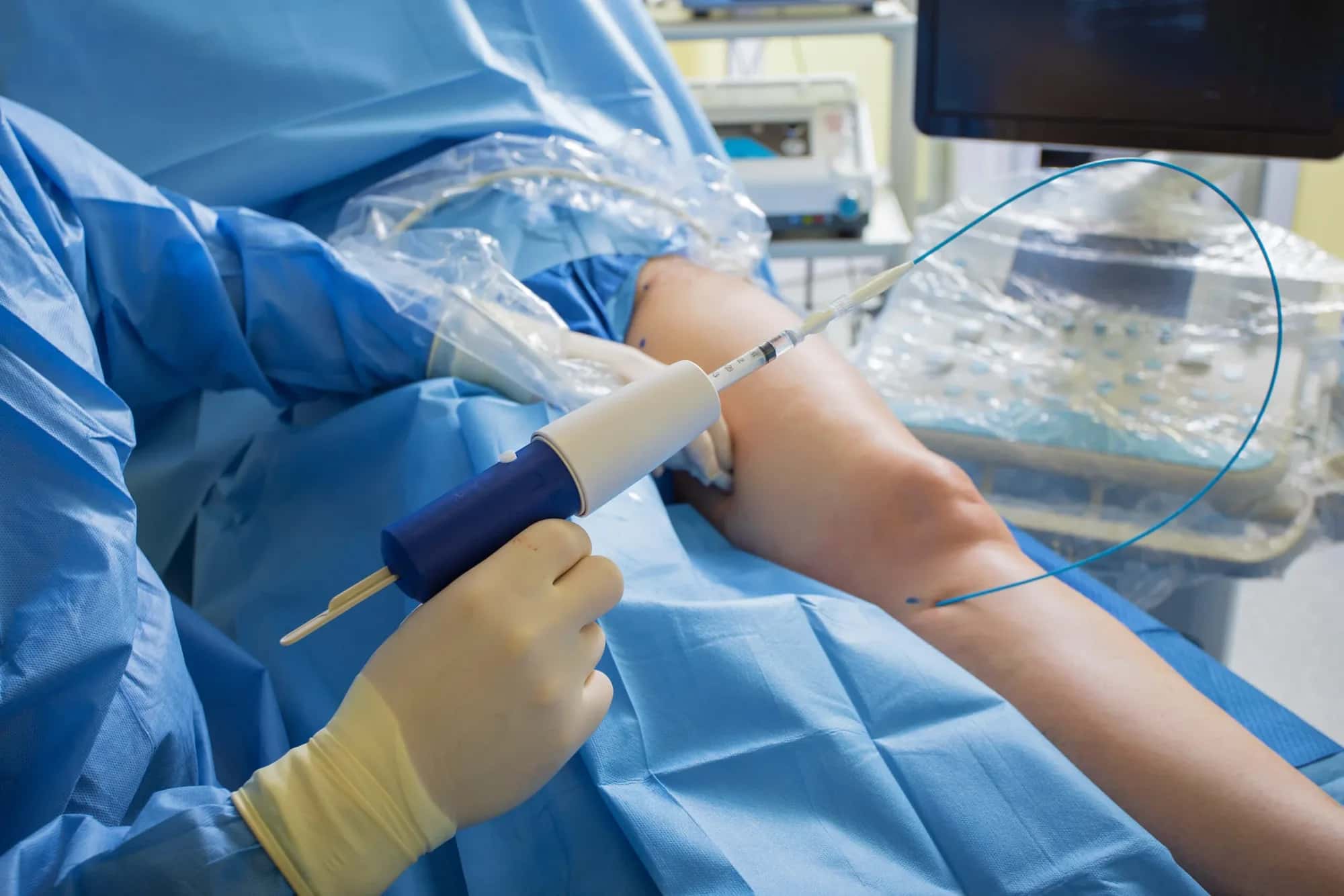
This guide compares varicose vein surgery costs around the world in 2026, including EVLA, radiofrequency ablation, sclerotherapy, phlebectomy, vein stripping, insurance, and travel expenses.
Subscribe to the Medifinder newsletter and never miss our latest content.