










Heart Palpitations After Eating: Causes and Warning Signs
Learn why heart palpitations may happen after eating, which food and health factors can contribute, and the warning signs that need urgent attention.

- Last updated
- 10 reads
- 6 min read
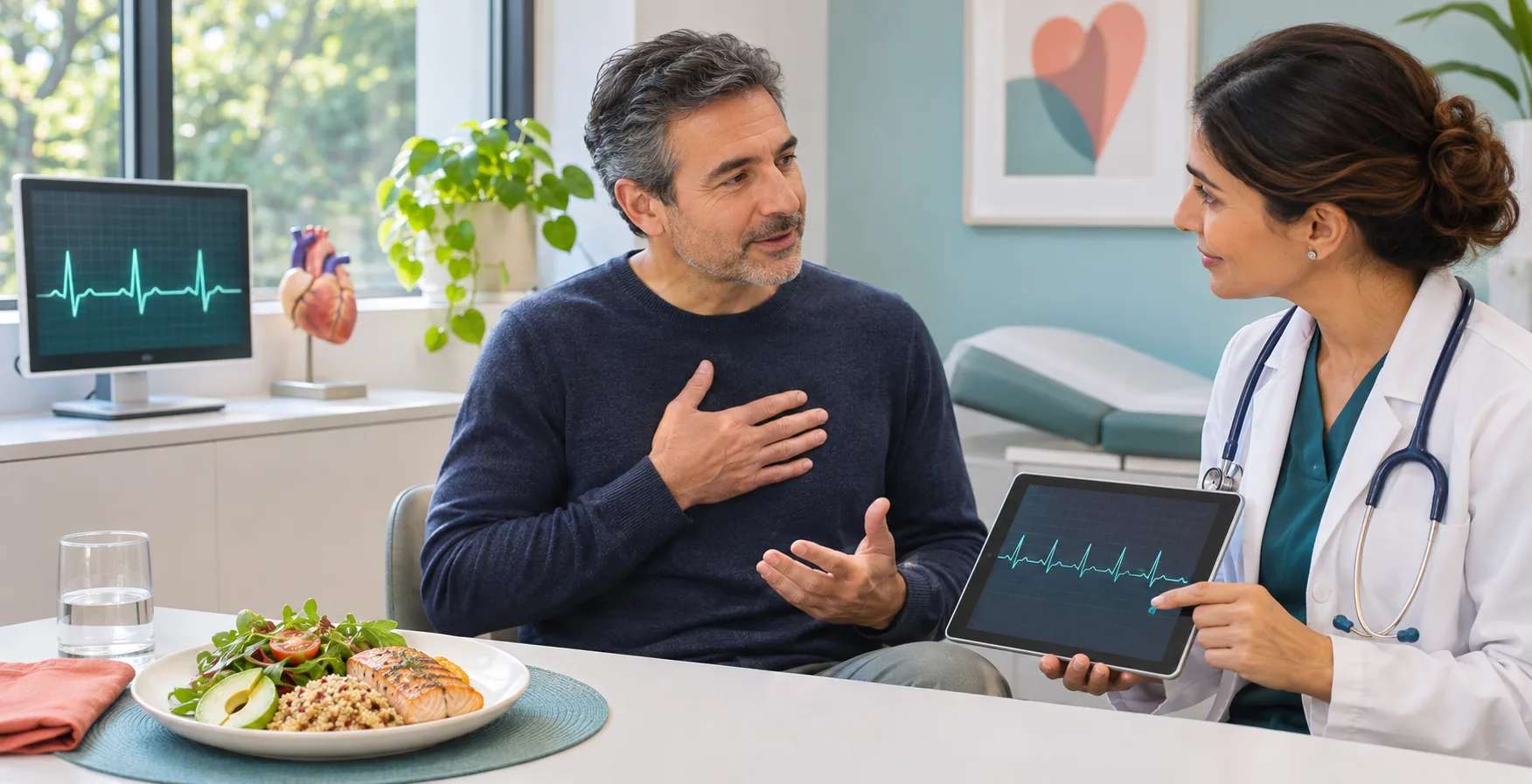


Feeling your heart flutter, pound or skip after a meal can be unsettling. In many cases, the sensation is linked to digestion, food ingredients, stress or a temporary change in heart rate rather than a dangerous heart problem. Still, palpitations deserve attention when they are new, persistent or accompanied by warning symptoms. Understanding the pattern helps you decide what to monitor and when to seek care.
What Do Heart Palpitations After Eating Feel Like?
Palpitations are an awareness of the heartbeat. You may feel rapid beats in the chest, a thump in the throat, fluttering, skipped beats or a brief irregular rhythm. Some people notice them while eating, while others feel them shortly after finishing or when they lie down.
The sensation does not always match the actual heart rate. A normal rhythm can feel unusually strong when attention is focused on the body. An electrocardiogram is needed to identify a true rhythm abnormality, especially when episodes recur.
1. Digestion Can Temporarily Change Heart Rate
After a meal, the body directs more blood flow toward the digestive system and adjusts the balance of the automatic nervous system. This can produce a modest rise in heart rate or make each beat feel stronger. Large meals often create a more noticeable response because digestion demands more work.
Eating quickly, swallowing air or feeling very full can add pressure and discomfort in the upper abdomen. That sensation may make normal heartbeats more noticeable. Slowing the meal, choosing smaller portions and remaining upright afterward can reduce the feeling for some people.
2. Sugar And Refined Carbohydrates May Be Triggers
A meal high in added sugar or rapidly absorbed carbohydrates can cause a quick rise and fall in blood glucose. Hormonal changes that follow may be accompanied by shakiness, sweating, anxiety or a racing sensation. This is more likely when the meal is large and contains little protein or fiber.
Pairing carbohydrates with vegetables, protein and a source of healthy fat can make energy levels feel steadier. If palpitations repeatedly follow a particular food, record the portion and timing rather than removing many foods at once.
3. Caffeine, Alcohol And Stimulants Can Matter
Coffee, energy drinks, strong tea, alcohol and some pre-workout products can increase awareness of the heartbeat. The effect depends on the amount, individual sensitivity, hydration and whether the substance was consumed with a large meal.
Check labels for caffeine, bitter orange and other stimulant ingredients. Reduce one trigger at a time and observe the pattern over several days. Avoid abruptly changing prescribed medicines or using a supplement marketed for energy without discussing it with a qualified professional.
4. Salt, Dehydration And Fluid Shifts
Very salty meals can increase thirst and temporary fluid retention. Dehydration, heat, vomiting, diarrhea or heavy exercise can also make the heart beat faster to maintain circulation. A person may notice palpitations after eating because the meal coincides with an existing fluid imbalance.
Drink fluids regularly and include water-rich foods. If you have been advised to restrict fluids or salt because of a medical condition, follow that plan rather than making a large change based only on palpitations.
5. Reflux, Bloating And The Position Of The Body
Reflux and bloating can create pressure behind the breastbone and make the heartbeat feel more prominent. Lying down immediately after a large meal may worsen both reflux and the awareness of palpitations. Gentle walking and leaving time between dinner and bedtime can be helpful.
Chest discomfort from digestion can feel similar to other types of discomfort. If pain is intense, spreading or accompanied by breathlessness, sweating or faintness, do not assume it is only reflux.
6. Low Blood Sugar And Reactive Symptoms
Some people experience shakiness, weakness, sweating or a racing heart a few hours after eating, particularly after a carbohydrate-heavy meal. These symptoms can be related to changes in blood glucose, but they can also have other causes. A record of meal timing and symptoms can help clarify the pattern.
Do not treat every episode by eating large amounts of sugar. If symptoms recur, an appropriate assessment can determine whether glucose testing or another evaluation is needed.
7. Anaemia, Thyroid Problems And Heart Rhythm Conditions
Palpitations after eating may be more noticeable when the body is already under strain. Iron-deficiency anaemia, an overactive thyroid, electrolyte changes and arrhythmias can all contribute to a racing or irregular heartbeat. A family history of rhythm problems or sudden cardiac death also matters.
These conditions cannot be diagnosed from the sensation alone. An evaluation may include an ECG, blood tests, a medication review or a portable heart monitor if episodes are intermittent.
Stress And Awareness Can Amplify The Sensation
Stress activates the body’s alert system and can make ordinary beats feel unusually prominent. Worry about the sensation may then increase adrenaline and prolong the episode. Sit comfortably, breathe slowly and focus on whether symptoms are settling, while still respecting warning signs.
Anxiety should not be assumed before physical causes have been considered. The most reassuring approach is to notice the pattern, document it and seek an evaluation when episodes continue.
How To Track Your Symptoms
Write down what you ate and drank, how long the episode lasted, how the heartbeat felt and whether you had dizziness, chest discomfort, breathlessness or sweating. Note your position and activity. If you use a smartwatch, record its reading as supporting information rather than a diagnosis.
Look for repeated patterns over several days. A single episode after an unusually large meal is different from frequent episodes after ordinary meals or symptoms that occur during exercise.
When Are Palpitations An Emergency?
Seek emergency help if palpitations do not settle or occur with chest pain, pressure, shortness of breath, severe dizziness, fainting, confusion or unusual sweating. Pain spreading to the arm, jaw, neck or back is also a warning sign. Do not drive yourself if you feel faint or seriously unwell.
Even when symptoms stop, arrange prompt medical advice if episodes are recurring, lasting more than a few minutes, becoming more frequent or occurring with a known heart condition or a strong family history.
Review Medicines And Supplements
Decongestants, thyroid medicines, asthma treatments, weight-loss products and some supplements can affect heart rate. Bring a complete list to an appointment, including products taken only occasionally. Never stop a prescribed medicine suddenly without instructions.
Practical Ways To Reduce Meal-Related Palpitations
Eat at a comfortable pace, choose moderate portions and limit known triggers. Stay hydrated, avoid lying down immediately after meals and keep caffeine and alcohol within a level you tolerate. A balanced plate with protein, fiber and slower-digesting carbohydrates may reduce abrupt changes in energy.
These steps are supportive, not a substitute for evaluation. If a new symptom continues despite changing food habits, the next useful step is to identify the underlying cause.
Frequently Asked Questions About Palpitations After Eating
Are heart palpitations after eating usually dangerous?
Many episodes are harmless and relate to digestion, food ingredients or stress. Repeated, prolonged or symptom-filled episodes need medical assessment to exclude a rhythm or other health problem.
Can a large meal make the heart beat faster?
Yes. Digestion can temporarily increase circulation demands and make the heartbeat feel stronger. Smaller portions and slower eating may reduce the sensation.
Should I stop drinking coffee completely?
Not necessarily. Track whether caffeine consistently triggers symptoms and reduce the amount gradually if needed. Persistent palpitations should not be explained by caffeine alone without review.
Can reflux feel like a heart palpitation?
Reflux and bloating can create chest pressure and make normal beats more noticeable. Chest pain with breathlessness, sweating, dizziness or faintness requires urgent help.
When should I have an ECG?
An ECG may be appropriate when palpitations are new, recurrent, prolonged, irregular or associated with warning symptoms. A clinician may use a portable monitor if the episode is not present during the visit.
- Last updated
- Language
- English
How did you find this article?

A racing heart after a hot shower may reflect heat, dehydration, standing, stress, or an underlying rhythm issue. Learn what helps and which warning signs matter.
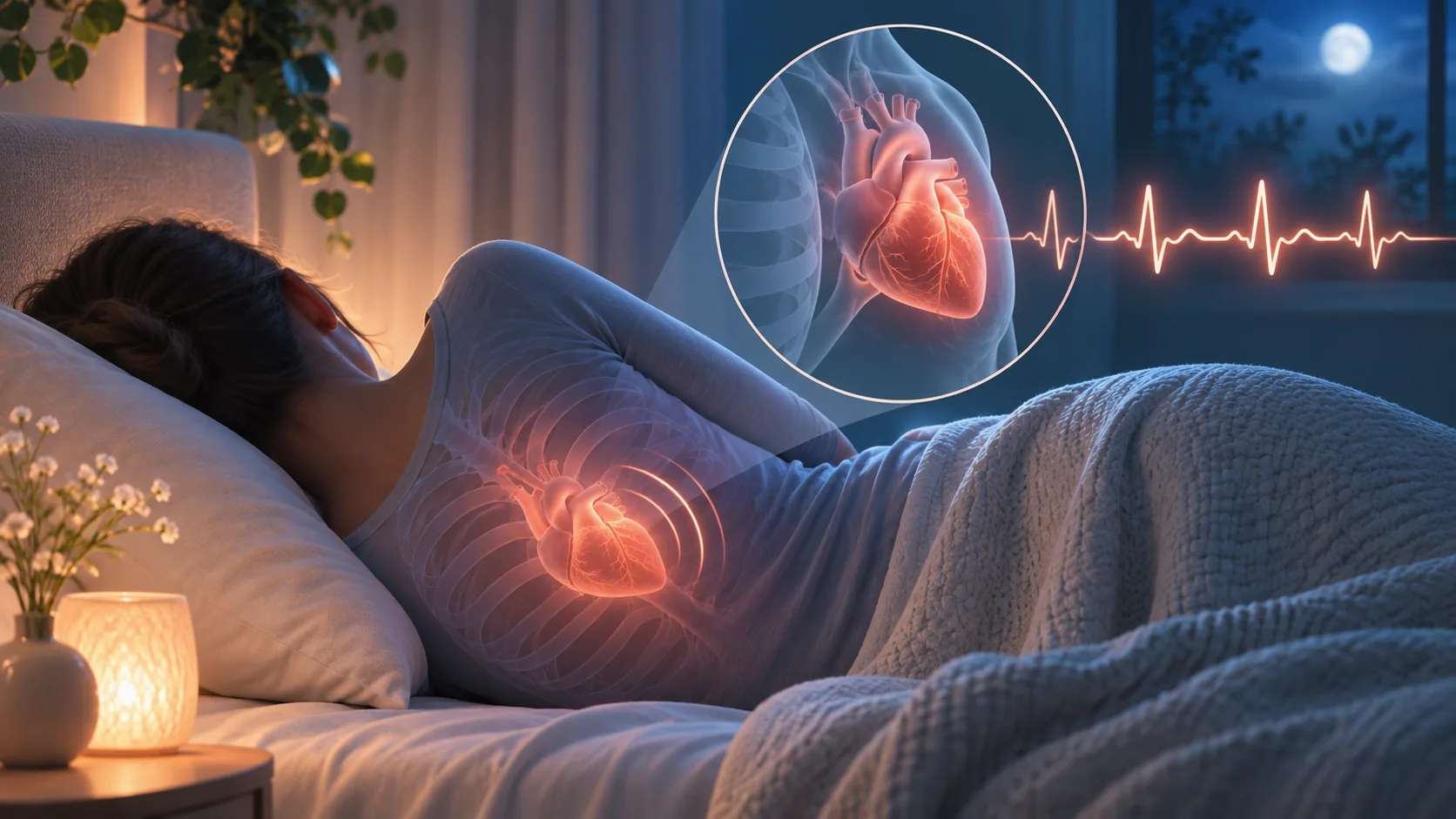
Heart palpitations on the left side can reflect position, increased awareness, extra beats, reflux, dehydration or stimulant use.
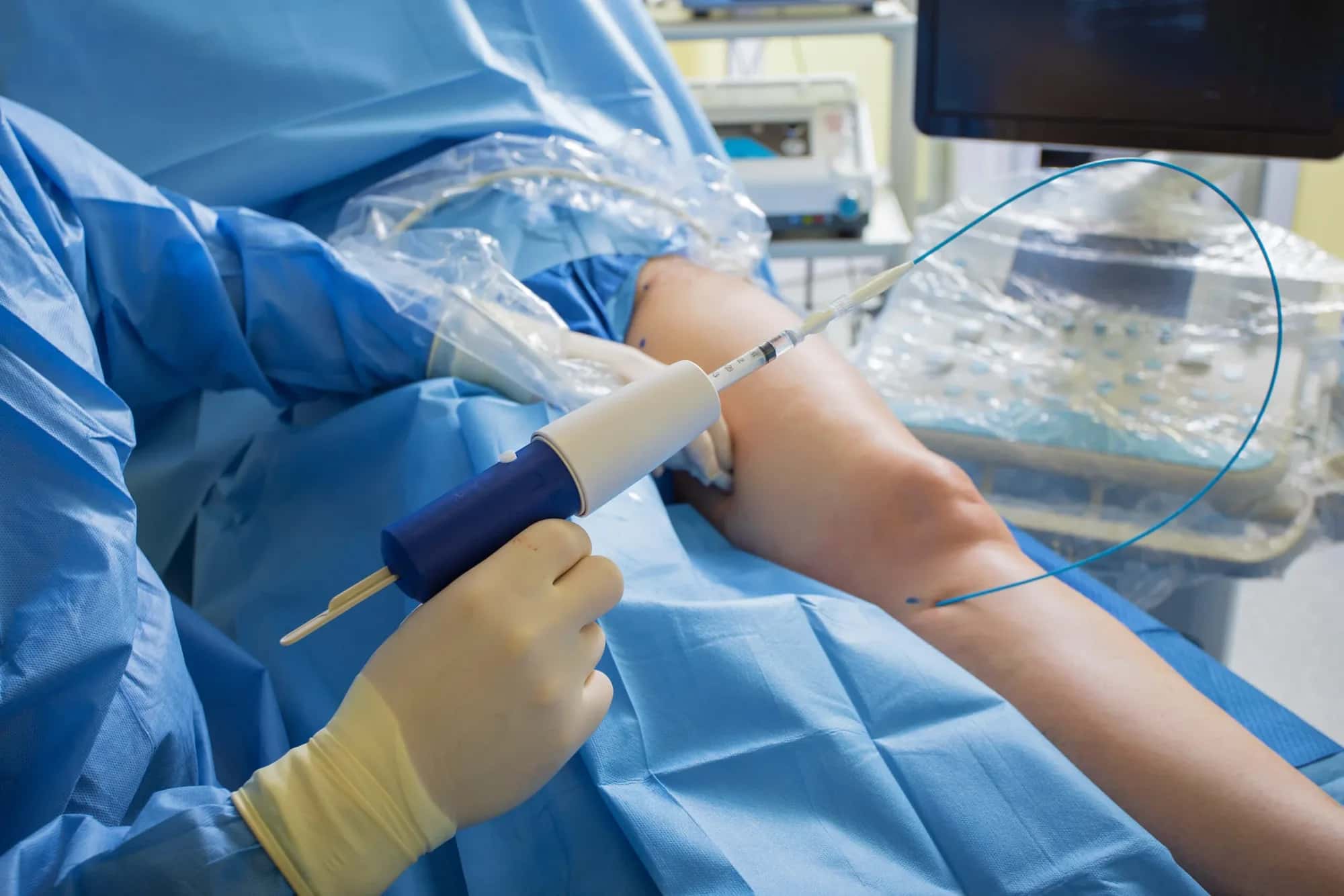
This guide compares varicose vein surgery costs around the world in 2026, including EVLA, radiofrequency ablation, sclerotherapy, phlebectomy, vein stripping, insurance, and travel expenses.
Subscribe to the Medifinder newsletter and never miss our latest content.