










Why Does My Bladder Hurt When It's Empty?
Bladder pain after urination can involve sensitivity, pelvic floor tension, stones, bowel pressure, or referred pain even when urine tests are normal.

- Last updated
- 9 reads
- 7 min read
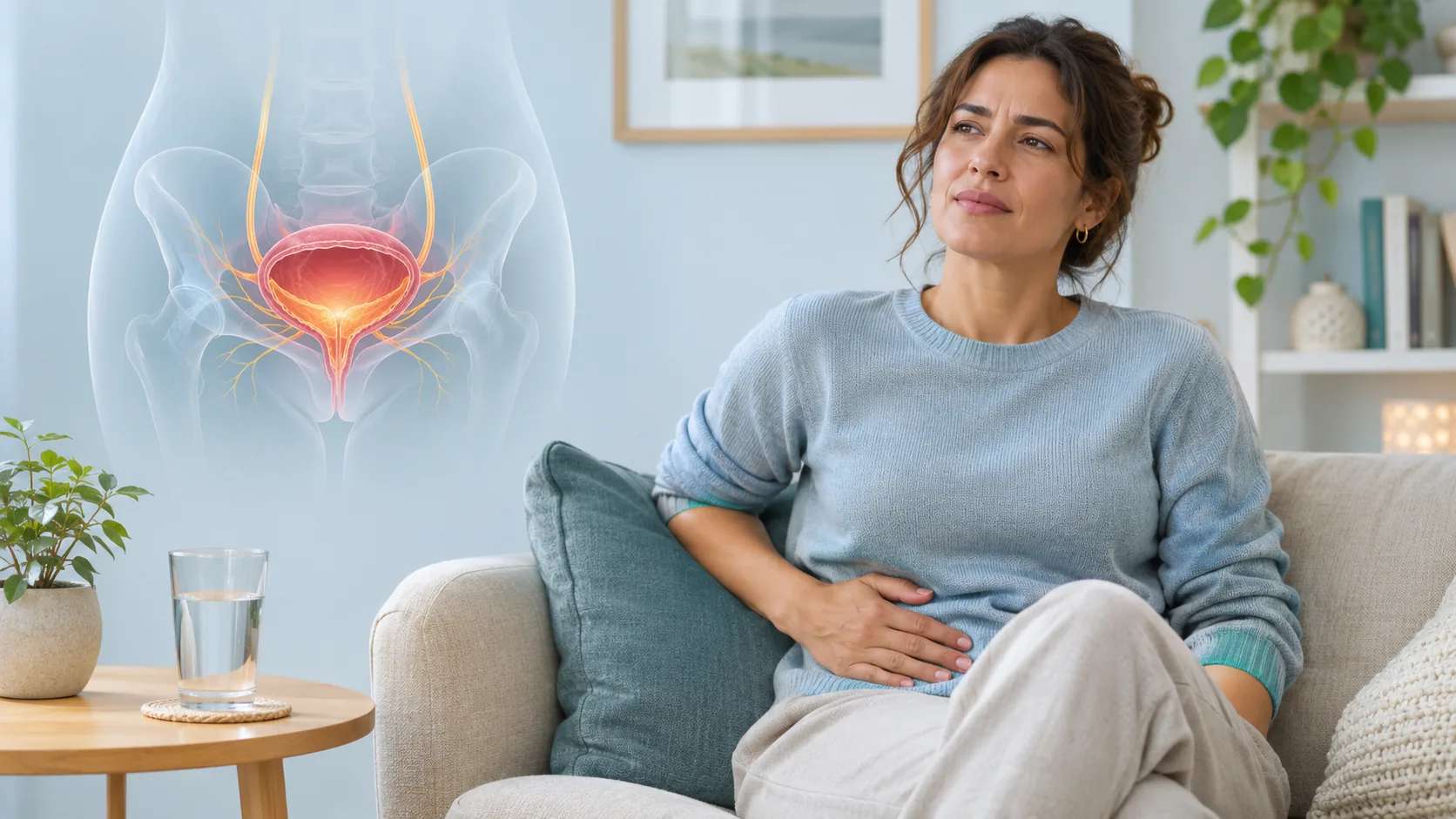


Bladder pain when it feels empty can be confusing. Many people expect discomfort to occur only when urine is building up, yet aching, pressure, burning, or a persistent urge may continue after urination. A normal urine test can make the symptom even harder to understand. The cause may involve bladder sensitivity, pelvic floor tension, irritation of the urethra, bowel pressure, or pain referred from nearby muscles and nerves.
Empty Does Not Always Mean Quiet
The bladder wall, pelvic floor, urethra, and surrounding nerves continue sending signals after urine has passed. If these tissues are irritated or sensitized, the nervous system may interpret ordinary movement or stretching as pain. Some people feel pressure immediately after voiding, while others notice an ache that returns as soon as the bladder is empty.
The sensation can be felt above the pubic bone, deep in the pelvis, around the urethra, or toward the lower back. Its location, timing, and relationship to food, sex, bowel movements, posture, and stress are often more informative than the word used to describe it.
Bladder Pain Syndrome
Bladder pain syndrome, also called interstitial cystitis, can cause pressure or pain with urgency and frequent urination even when urine cultures do not show an infection. Some people feel worse as the bladder fills and obtain temporary relief after urinating. Others continue to hurt when empty because the bladder and pelvic nerves remain sensitive.
Flares may follow concentrated urine, certain drinks, sexual activity, stress, illness, or prolonged sitting. Symptoms vary widely, so a pattern over several weeks is more useful than a single painful day. The condition is diagnosed after other causes have been considered, not by one simple urine test.
Pelvic Floor Overactivity
Pelvic floor muscles can tighten in response to pain, constipation, childbirth, surgery, anxiety, or repeated attempts to hold urine. If they stay contracted, they may create bladder pressure, burning, urinary urgency, difficulty starting the stream, or pain after urination. The bladder can be empty while the surrounding muscles remain tense.
Symptoms that worsen with sitting, cycling, intercourse, or stress point toward a muscular contribution. Gentle relaxation, breathing, and movement may help, but aggressive strengthening exercises can make an overactive pelvic floor more uncomfortable.
Urethral Irritation Without Infection
The urethra can become sensitive after sex, friction, scented products, dehydration, or a recent procedure. Irritation may feel like burning or pressure at the bladder outlet and can continue after urination. Urine results may remain normal because the problem is surface inflammation rather than bacteria in the bladder.
Avoid fragranced washes, harsh wipes, and unnecessary antiseptics around the genital area. Note whether the pain follows intercourse, a new lubricant, cycling, or tight clothing. Blood, discharge, fever, or worsening pain needs assessment rather than repeated home rinsing.
Urinary Tract Infection Is Not the Only Urinary Cause
A typical infection often produces burning, urgency, frequency, cloudy urine, or lower abdominal discomfort, but symptoms and test results do not always line up perfectly. A sample taken after antibiotics or during a quiet interval may not capture bacteria. Other problems, including a stone, urinary retention, or irritation from a catheter, can cause pain without a positive culture.
Do not keep taking leftover antibiotics when tests are negative and symptoms recur. Repeated treatment can create side effects and delay attention to a noninfectious source.
Stones and Bladder Emptying Problems
A small stone moving through the urinary tract can cause pressure, burning, blood, or pain that changes with movement. The discomfort may be felt in the lower abdomen, side, back, or groin. A bladder stone can irritate the lining and create urgency even after urination.
Incomplete emptying can also produce pain after a trip to the bathroom. A weak stream, hesitancy, dribbling, leakage, or a lingering sense of fullness suggests that the bladder may not be releasing all its urine. Acute inability to urinate with severe lower abdominal pain requires urgent care.
Bowel Pressure and Digestive Triggers
Constipation, gas, irritable bowel symptoms, and inflammation in the colon can press against or share nerve pathways with the bladder. Pain may improve after a bowel movement or worsen when the abdomen feels distended. A normal urine test is expected when the bowel is the main source.
Track stool frequency, bloating, food timing, and whether the pain moves as the bowel changes. Severe abdominal swelling, vomiting, fever, black stool, or visible blood should be assessed promptly.
Referred Pain From the Back, Hip, or Abdomen
Muscles and joints around the lower back, hip, groin, and abdominal wall can refer pain to the bladder region. A disc problem, hip irritation, sacroiliac strain, hernia, or trigger point may be felt as deep pelvic discomfort. The pain may change with walking, bending, sitting, coughing, or lifting rather than with urine volume.
Notice whether pressing the abdominal wall or changing position reproduces the sensation. A mechanical pattern deserves movement and musculoskeletal assessment alongside urinary evaluation.
Hormonal and Reproductive Factors
Hormonal shifts can change the moisture, sensitivity, and muscle tone of the lower urinary and genital tract. Menstrual cycle changes, postpartum tissue healing, menopause-related dryness, endometriosis, ovarian cysts, fibroids, and pain with sex may all be felt near the bladder.
Record the relationship between pain and bleeding, ovulation, intercourse, bowel movements, and hormonal treatment. Pelvic pain that follows a cycle or persists during sex should not be explained by infection alone.
How to Map the Pain
- Write down whether pain appears before, during, or after urination.
- Record urgency, frequency, stream strength, leakage, and the feeling of complete emptying.
- Note drinks, foods, sex, bowel movements, exercise, posture, and stress.
- Describe burning, pressure, cramping, stabbing, electric, or aching sensations.
- Include fever, blood, discharge, back pain, nausea, numbness, or weakness.
A simple diary for several days can reveal a trigger that is hard to notice in the moment. Bring previous urine results and medication information when the pain is persistent.
What Evaluation May Involve
Assessment can include a repeat urinalysis and culture, pregnancy testing when relevant, a pelvic or abdominal examination, blood tests, bladder scanning after urination, ultrasound, or other imaging. Depending on symptoms, pelvic floor, bowel, reproductive, spinal, or neurologic causes may also be considered.
The purpose is to rule out infection, stones, obstruction, bleeding, and other treatable causes while recognizing pain syndromes that often have normal investigations. A normal result should narrow the search, not invalidate the symptom.
Everyday Steps That May Calm the Bladder
Drink enough to avoid very concentrated urine, but do not force excessive water. Reduce any clearly linked irritants such as alcohol, strong caffeine, carbonated drinks, or very spicy foods for a short trial. Use unscented personal products, treat constipation, take breaks from sitting, and choose comfortable clothing.
Heat over the lower abdomen may soothe muscle tension. Gentle walking and slow breathing can reduce guarding, while repeated straining to empty the bladder can make pelvic muscles tighter. Keep a record of what helps instead of changing everything at once.
When Empty-Bladder Pain Needs Prompt Care
Seek urgent help for inability to urinate, severe or rapidly increasing pain, fever with flank pain, repeated vomiting, fainting, heavy bleeding, blood clots, new leg weakness, numbness around the groin, or possible pregnancy with pain or bleeding. Persistent visible blood in the urine also needs prompt evaluation.
Arrange a planned assessment when pain lasts more than a few weeks, wakes you at night, interrupts work or sex, or returns despite negative urine tests. A structured plan is more useful than repeating antibiotics without evidence of infection.
Questions About Bladder Pain When Empty
Can bladder pain syndrome hurt after I urinate?
Yes. Bladder pain syndrome can leave the bladder and nearby nerves sensitive even after urine has passed. Some people improve briefly after voiding, while others continue to feel pressure or aching.
Does a normal urine test rule out all bladder problems?
No. It makes a typical infection less likely, but it does not rule out bladder pain syndrome, stones, urinary retention, pelvic floor tension, or referred pain from nearby structures.
Why does my bladder hurt more after sex?
Friction, urethral irritation, pelvic floor tightening, bladder sensitivity, and reproductive conditions can all create pain after sex. A repeated pattern, discharge, bleeding, or fever deserves focused assessment.
Can constipation cause bladder pain when the bladder is empty?
It can. A full or irritated bowel may press against the bladder and share pelvic nerve pathways. Pain that changes with stool frequency, gas, or bowel movements supports that possibility.
When is bladder pain an emergency?
Severe sudden pain, inability to pass urine, fever with flank pain, vomiting, heavy bleeding, clots, fainting, or new neurological symptoms requires urgent medical attention.
Finding the Source of the Signal
Pain after urination does not automatically mean infection, and a normal urine test does not mean nothing is wrong. The bladder, pelvic floor, nerves, bowel, reproductive organs, hips, and spine can all contribute to the same uncomfortable region. Tracking the pattern and broadening the evaluation creates a clearer path toward relief while keeping important warning signs in view.
- Last updated
- Language
- English
How did you find this article?
One testicle hanging lower than the other is often normal, but a new change, pain, swelling, or lump can signal a condition that needs timely attention.
This guide explains what protein leakage in urine means, why it happens, which conditions can cause it, and when further kidney evaluation becomes important.
Subscribe to the Medifinder newsletter and never miss our latest content.