










Navigating Genital Wart Treatments: What Works?

- Last updated
- 62 reads
- 11 min read
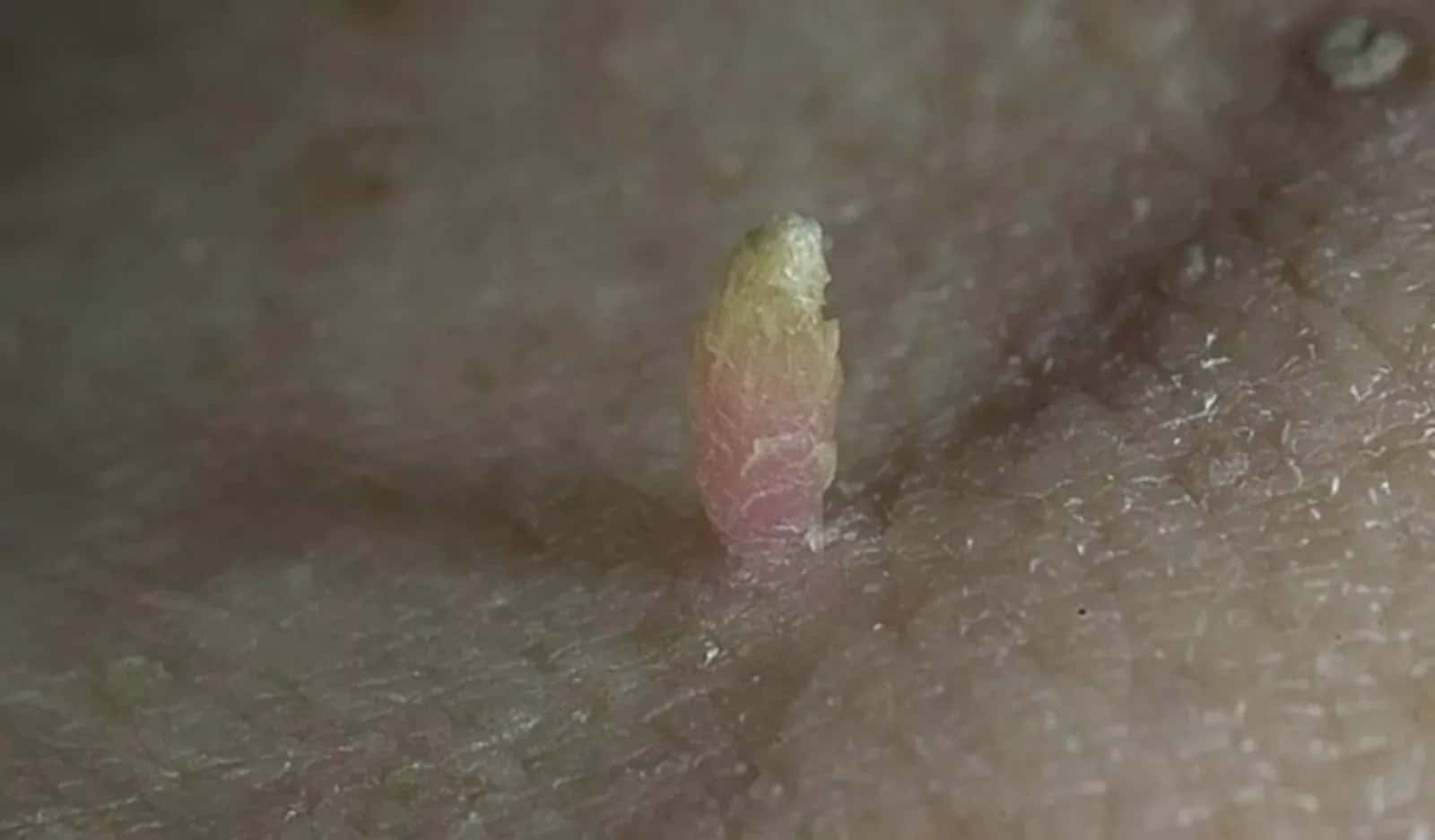


Genital warts are treatable skin growths caused by certain types of human papillomavirus. The right Genital Wart Treatment depends on where the warts are, how many there are, how uncomfortable they feel, and whether you prefer at-home prescription medicine or in-clinic removal. This guide explains the main options, what they can and cannot do, and how to approach treatment safely without relying on harsh over-the-counter wart products meant for hands or feet.
What actually works for genital warts?
Effective treatment focuses on removing visible warts, reducing irritation, and helping the skin heal while the immune system manages the underlying virus. Common options include prescription creams or solutions, freezing, acid application, surgical removal, electrosurgery, and laser treatment in selected cases. No treatment can guarantee that warts will never return, because treatment removes the visible growths rather than instantly eliminating the virus from nearby skin.
Some people choose treatment because the warts are spreading, catching on clothing, causing anxiety, or affecting sex and intimacy. Others may be advised to monitor small, painless warts, because some can shrink or disappear over time. The best plan is usually practical rather than dramatic: confirm the diagnosis, choose a method suited to the location and size of the warts, follow the instructions closely, and return for review if the response is slow or new growths appear.
Understanding what genital warts are
Genital warts are usually soft or firm bumps that appear on or around genital or anal skin. They may be flat, raised, smooth, rough, single, clustered, skin-colored, darker, or lighter than nearby skin. In men, they may appear on the penis, scrotum, groin, pubic area, or around the anus; in women, they may appear on the vulva, vagina, cervix, groin, or anal area.
Because other conditions can look similar, self-diagnosis is risky. Skin tags, pearly penile papules, molluscum, herpes lesions, ingrown hairs, cysts, and some precancerous changes can be mistaken for warts. A healthcare professional can often diagnose genital warts by visual examination, but they may recommend further evaluation if lesions are unusual, bleeding, pigmented, painful, hardened, rapidly changing, or not responding to standard care.
Genital warts are contagious through skin-to-skin sexual contact, including vaginal, anal, and oral contact. Condoms and barriers lower risk but do not cover all surrounding skin, so they reduce transmission rather than eliminate it. Having genital warts is common and does not mean someone has been careless; the virus can be present for months before visible changes appear.
Treatment goals and realistic expectations
The main goal of Genital Wart Treatment is to clear visible warts in a way that protects healthy tissue. A good result means the growths are gone or much smaller, symptoms are controlled, and the skin has healed with minimal scarring. It does not necessarily mean the virus has disappeared immediately or that recurrence is impossible.
Treatment may take weeks or months, especially with prescription creams. In-office wart removal techniques can remove or destroy visible tissue faster, but healing still takes time, and repeat sessions may be needed. Recurrence is not a sign that the treatment was “fake” or that you did something wrong; it often reflects the natural behavior of the virus in the skin.
A realistic plan includes:
- Diagnosis first: Make sure the bumps are genital warts before treating them.
- Location-aware treatment: Delicate, moist, internal, or anal-area skin may need different care than external dry skin.
- Patience: Some treatments work gradually and require consistent use.
- Follow-up: A review is useful if warts persist, spread, bleed, or return quickly.
- Skin protection: Avoid picking, shaving over lesions, or using non-genital wart removers.
Prescription treatments used at home
At-home options are convenient, private, and useful for many external genital warts. They still require medical guidance because genital skin is sensitive, and incorrect use can burn or inflame healthy tissue. These medicines are generally not used inside the vagina, rectum, or urethra unless a clinician specifically directs care.
Immune-response creams
Some prescription creams work by stimulating the local immune response so the body attacks wart tissue more effectively. They are applied on a schedule, often several times per week, and the response is gradual. Redness, tenderness, itching, burning, flaking, or mild swelling can happen because the medicine is deliberately activating the skin.
These creams may suit people with multiple small external warts or those who prefer not to start with procedural treatment. They require discipline: applying too much, applying too often, or covering the area incorrectly can increase irritation without improving results. If the skin becomes raw, very painful, or open, treatment should be paused and reviewed.
Antimitotic solutions or gels
Another type of prescription medicine works by damaging wart tissue so it breaks down. It is typically applied only to the wart surface, not the surrounding skin. Because it can irritate healthy tissue, precise application matters.
This option may be useful for small, clearly visible external warts that can be reached easily. It is less suitable when warts are widespread, hard to see, internal, or located where accidental spread of the medicine is likely. People should wash hands after applying it and avoid sexual contact while the medicine is on the skin or while the area is irritated.
Plant-derived ointments
Some topical ointments use plant-derived active ingredients and are prescribed for external genital or perianal warts. They are not the same as herbal home remedies, and they should still be used exactly as directed. Greasy texture, redness, itching, burning, or soreness may occur.
This option may appeal to people who want a non-procedural approach, but it is not automatically gentler for everyone. Like other prescription topicals, it takes time and depends on correct placement. If warts do not improve after a reasonable treatment period, a different method may be needed.
In-clinic wart removal techniques
Clinic-based treatments are performed by trained professionals and can be a better fit for larger warts, stubborn warts, warts in sensitive locations, or cases where faster visible removal is desired. These wart removal techniques vary in discomfort, healing time, cost, availability, and risk of skin changes. A clinician may also combine approaches, such as reducing bulky warts in clinic and using a prescription afterward.
Freezing treatment
Freezing uses extreme cold to damage wart tissue. The treated area may sting or burn during the session, then become red, swollen, blistered, crusted, or tender before healing. Several sessions may be needed because the provider aims to destroy wart tissue while limiting injury to healthy skin.
Freezing is commonly used for external warts and can be effective when lesions are visible and accessible. It may not be ideal for everyone, especially if the area is very sensitive or if many warts require repeated treatment. Aftercare usually involves keeping the area clean, avoiding picking at blisters or scabs, and waiting for healing before sexual contact involving that skin.
Medical acid application
Clinicians may apply a carefully controlled acid solution to destroy wart tissue. This is not the same as using drugstore acid wart removers at home. The provider applies a small amount directly to the wart and protects surrounding skin as much as possible.
Acid treatment can be useful for small moist warts and some areas where other procedures are less convenient. It may cause temporary burning, whitening, irritation, or shallow ulceration. Repeat applications are often needed, and the area should be reassessed if soreness is severe or healing is delayed.
Surgical removal
Surgical removal may involve cutting, shaving, scraping, or excising wart tissue under local anesthesia. It can be helpful for larger, raised, pedunculated, or treatment-resistant warts. The advantage is immediate physical removal, although the treated skin still needs time to heal.
Surgery may carry a higher chance of bleeding, discomfort, pigment change, or scarring than some topical approaches, depending on the site and size of the wart. It is often chosen when diagnosis is uncertain, tissue needs closer examination, or other treatments have not worked well. Proper aftercare is important to reduce infection risk and support healing.
Electrosurgery and laser treatment
Electrosurgery uses controlled electrical energy to destroy or remove wart tissue. Laser treatment uses concentrated light energy and is usually reserved for selected cases, such as extensive, recurrent, or difficult-to-reach warts. These methods are more procedural and may require local anesthesia, special equipment, and careful smoke-control precautions.
They can be effective for stubborn warts but are not always the first step. Healing may involve tenderness, crusting, discharge, or temporary skin color changes. Because these treatments can affect deeper tissue if overused, they should be performed by trained clinicians who regularly manage genital skin conditions.
Genital wart treatment in men
Genital wart treatment in men follows the same core principle: remove visible warts safely while protecting sensitive genital tissue. The exact approach depends on whether warts are on the shaft, foreskin, glans, scrotum, groin, pubic area, urethral opening, or around the anus. Thin skin and moist folds can react strongly to medication, so treatment that is appropriate on one area may be too irritating on another.
Men should avoid shaving directly over warts because tiny cuts may irritate the area and potentially spread lesions across nearby skin. Trimming hair carefully may be less irritating, but even then, blades should not scrape the lesions. If warts are near the urethral opening, inside the foreskin, or around the anus, professional evaluation is especially important before applying any product.
A practical approach for men often looks like this:
- Confirm the diagnosis. Do not assume every bump is a wart, especially on the glans or around hair follicles.
- Map the affected areas. Note whether growths are external, internal-looking, painful, bleeding, or spreading.
- Choose the least harmful effective option. Small external warts may respond to prescription topicals; larger or stubborn warts may need clinic treatment.
- Protect partners. Avoid sex when the skin is raw, medicated, bleeding, or healing after a procedure.
- Return if lesions persist. Warts that do not respond or look unusual deserve reassessment.
What should you avoid during treatment?
You should avoid anything that burns, cuts, scrapes, or inflames genital skin without medical supervision. Drugstore wart removers made for hands and feet are too harsh for genital tissue and can cause chemical burns. Home cutting, tying off, picking, or using internet remedies can lead to pain, infection, scarring, and delayed diagnosis of other conditions.
It is also wise to avoid friction while the skin is healing. Sex, tight clothing, intense exercise, and shaving may worsen soreness after treatment. If a topical medicine is being used, follow the timing instructions carefully and ask whether it should be washed off before sexual contact.
Avoid these common mistakes:
- Using salicylic acid products intended for common warts.
- Applying prescription medicine to healthy surrounding skin “just in case.”
- Continuing treatment through severe pain, open sores, or heavy irritation.
- Sharing towels, razors, or sex toys without cleaning.
- Assuming recurrence means a partner was recently unfaithful.
- Treating anal, cervical, vaginal, or urethral lesions without professional care.
Choosing the right treatment pathway
The best treatment is the one that matches the wart pattern, your skin tolerance, and your ability to follow the plan. A person with two small external warts may reasonably start with a prescription at-home option. Someone with a large cluster, frequent recurrence, or warts in a difficult location may benefit from in-clinic removal.
Consider these factors when discussing options:
- Wart size: Larger growths may respond better to procedural removal.
- Number of warts: Multiple tiny warts may be treated differently than one large wart.
- Location: Internal or near-internal lesions need professional management.
- Pain tolerance: Freezing and procedures may be brief but uncomfortable; topicals may irritate over time.
- Speed: Procedures may remove visible warts faster, while creams can take longer.
- Recurrence history: Repeated outbreaks may require a combined or adjusted plan.
- Pregnancy status: Some medications are not appropriate during pregnancy, so professional guidance is essential.
- Immune health: People with weakened immune systems may need closer follow-up.
If one treatment fails, it does not mean nothing will work. Genital wart treatment often involves adjusting the method, spacing sessions differently, or switching from topical therapy to removal, or the reverse. The skin’s response matters as much as the wart’s response.
Partner communication, sex, and prevention
Talking about genital warts can feel uncomfortable, but clear communication reduces anxiety and helps partners make informed choices. Because the virus can be present without visible warts, it is often impossible to know exactly when it was acquired. The goal is not blame; the goal is safer decisions, symptom awareness, and timely care.
During active treatment, avoid sexual contact that rubs the affected or healing skin, especially when medicine is present, blisters are forming, or the area is raw. Condoms or barriers can reduce risk after healing, but they do not cover all genital skin. Sex toys should be cleaned carefully and not shared during active outbreaks unless protected and cleaned between use.
Vaccination can help protect against several HPV types, including types commonly linked with genital warts, but it does not treat warts that are already present. It may still be worth discussing, especially for people who have not completed vaccination. Partners with symptoms should seek evaluation rather than treating themselves based on another person’s diagnosis.
When to get medical care promptly
Most genital warts are not an emergency, but some situations should be checked quickly. Seek care if growths are painful, bleeding, rapidly enlarging, darkly pigmented, ulcerated, hard, fixed, or very different from typical warts. You should also seek care if you have warts inside the anus, vagina, cervix, or urethra, or if urination or bowel movements are affected.
Prompt care is also important if you are pregnant, immunocompromised, unsure of the diagnosis, or experiencing repeated recurrence despite treatment. Genital skin conditions can overlap, and the safest treatment depends on accurate identification. Early evaluation can prevent unnecessary burns from wrong products and help you choose a treatment that fits the location.
Key takeaways for safer treatment
Genital warts can be managed, but safe treatment is targeted and patient. The most effective option is not always the strongest one; it is the one that removes visible lesions while minimizing harm to healthy genital skin. If warts return, a revised plan can still work.
Keep these points in mind:
- Genital Wart Treatment removes visible warts but may not immediately clear the underlying virus.
- Prescription topicals can work well for selected external warts but require careful use.
- In-clinic wart removal techniques may be better for larger, stubborn, or sensitive-location warts.
- Genital wart treatment in men should account for foreskin, glans, urethral, scrotal, and anal-area sensitivity.
- Over-the-counter wart removers for hands and feet should not be used on genital skin.
- Recurrence is common enough that follow-up is part of good care, not a failure.
The clearest path is simple: get the bumps properly identified, choose a medically appropriate treatment, protect healing skin, and reassess if the first option does not deliver the result you need.
- Last updated
- Language
- English
How did you find this article?
This guide explains what protein leakage in urine means, why it happens, which conditions can cause it, and when further kidney evaluation becomes important.

Metoidioplasty is a meaningful gender-affirming procedure for trans men and transmasculine people who want a natural-feeling result with preserved sensation and less extensive reconstruction than phalloplasty. It can be performed as a simple release or as a fuller operation with urethral lengthening.

FTM phalloplasty is a gender-affirming surgical procedure that creates a penis using tissue taken from another part of the body. It is one of the most detailed procedures in transgender surgery because it may involve several stages, different donor sites, urethral lengthening, scrotoplasty, glansplasty.
Subscribe to the Medifinder newsletter and never miss our latest content.