










What Is Protein Leakage and What Causes It?
This guide explains what protein leakage in urine means, why it happens, which conditions can cause it, and when further kidney evaluation becomes important.

- Last updated
- 39 reads
- 9 min read
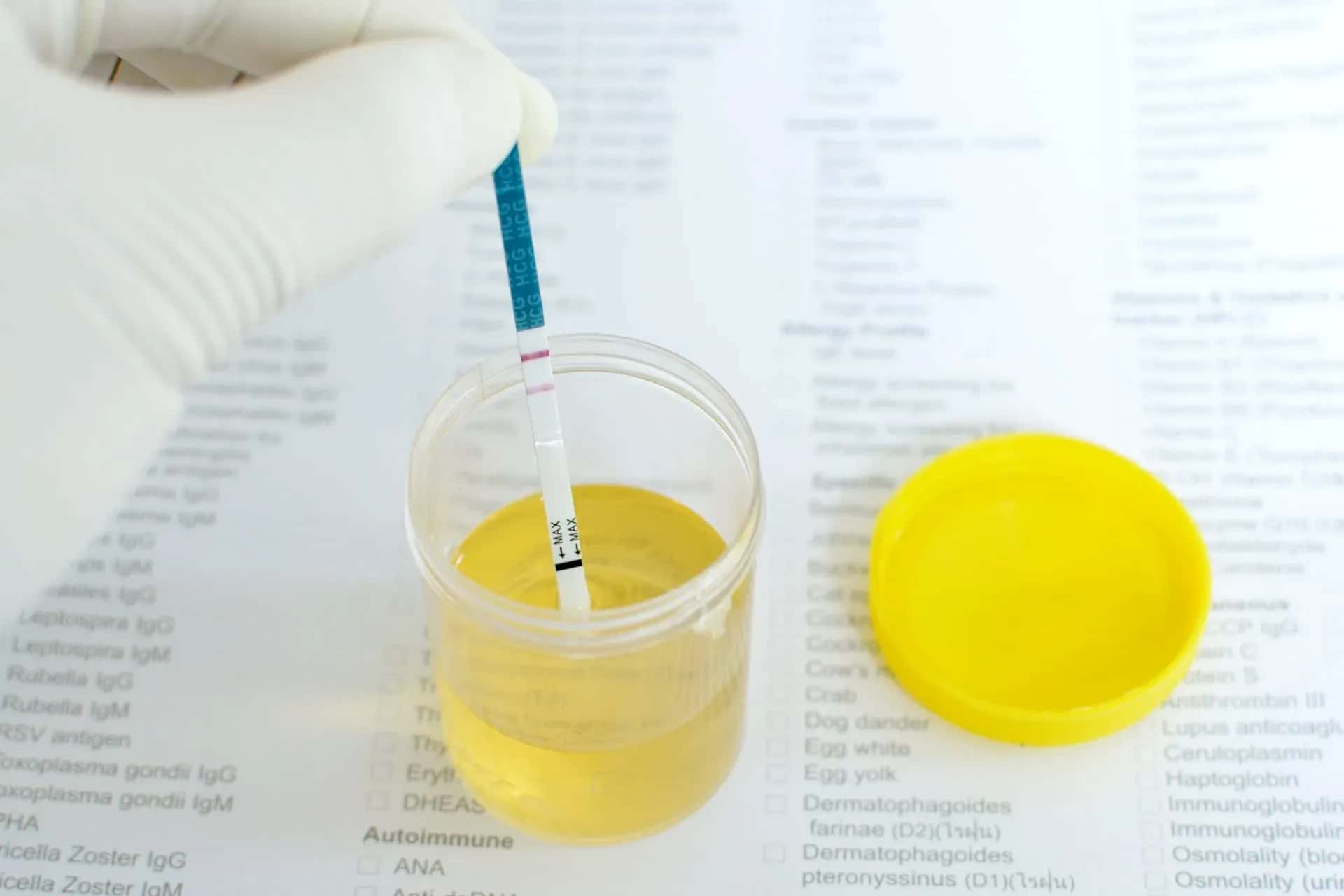


What Does Protein Leakage Mean?
Protein leakage usually means that an abnormal amount of protein is passing from the blood into the urine through the kidneys. Healthy kidneys normally keep most large proteins in the bloodstream while filtering waste and excess fluid.
When the kidney filters become temporarily stressed or structurally damaged, proteins such as albumin can cross into the urine more easily. The amount may be very small or substantially increased depending on the cause.
Protein leakage does not automatically mean permanent kidney damage. Fever, exercise, dehydration, pregnancy, diabetes, hypertension, and several kidney disorders can all produce different patterns of proteinuria.
What Is Proteinuria?
Proteinuria is the medical term for having more protein in the urine than expected. Albumin is one of the most important proteins measured because increased urinary albumin can signal damage to the kidney filtration barrier.
Small amounts may appear temporarily after exercise, illness, or dehydration. Persistent proteinuria carries greater significance because it can reflect ongoing kidney stress or disease.
Proteinuria can range from mild to severe, and the amount helps guide interpretation. One abnormal urine sample does not always confirm a chronic problem, so repeat testing often provides important context.
Why Does Protein Leak Into the Urine?
Protein leaks into the urine when the kidney filtration system allows more protein to pass through or when kidney tubules cannot properly reabsorb filtered proteins. The glomeruli normally act as selective filters that retain large blood proteins.
Damage from diabetes, hypertension, inflammation, immune disease, or other kidney conditions can weaken this filtering barrier. Tubular disorders can also increase urinary protein through a different mechanism.
Temporary physiological stress can cause smaller increases without permanent structural damage. The underlying mechanism therefore depends on whether proteinuria is transient, persistent, glomerular, or tubular.
What Are the Most Common Causes of Protein Leakage?
Protein leakage can result from temporary stress, chronic medical conditions, kidney disease, pregnancy-related disorders, or direct injury to the kidney filtration system.
Common causes include:
-
Diabetes
-
High blood pressure
-
Glomerulonephritis
-
Chronic kidney disease
-
Fever or acute illness
-
Strenuous exercise
-
Dehydration
-
Urinary or systemic infection
-
Autoimmune disease
-
Pregnancy-related hypertension
-
Certain medications
-
Nephrotic syndrome
The clinical meaning depends on the amount of protein, whether it persists, and whether blood pressure, kidney function, swelling, or other urine abnormalities are also present.
Can Protein Leakage Be Temporary?
Protein leakage can be temporary when short-term physiological stress affects kidney filtration without causing permanent kidney damage. Fever, dehydration, intense exercise, acute illness, or emotional stress can sometimes produce transient proteinuria.
In these situations, the urine protein often decreases after the trigger resolves. Repeat testing is useful because one abnormal sample may not represent a chronic kidney condition.
Temporary proteinuria is generally less concerning than persistent protein loss. However, repeated positive results, increasing amounts, or accompanying kidney abnormalities require further assessment to determine whether an underlying disease is present.
Can Diabetes Cause Protein Leakage?
Diabetes can cause protein leakage when prolonged high blood sugar damages the small blood vessels and filtration structures inside the kidneys. Albumin may begin appearing in the urine before kidney function becomes obviously reduced.
Early diabetic kidney damage may produce no symptoms, which makes urine albumin testing important in people with diabetes. The amount of albumin can increase gradually as kidney damage progresses.
Good blood sugar and blood pressure control help reduce ongoing kidney stress. Persistent albuminuria in diabetes deserves attention because it can indicate developing diabetic kidney disease even when creatinine remains within the usual range.
Can High Blood Pressure Cause Protein in Urine?
High blood pressure can cause protein in the urine by placing prolonged pressure on the tiny blood vessels and filters within the kidneys. Over time, this stress can damage the filtration barrier and allow albumin or other proteins to escape.
The relationship works in both directions because kidney disease can also contribute to higher blood pressure. Persistent proteinuria and hypertension therefore often need to be evaluated together.
Mild proteinuria may appear before obvious symptoms develop. When high blood pressure remains uncontrolled, the risk of progressive kidney damage increases, making repeated urine and kidney-function testing more important.
Can Kidney Disease Cause Protein Leakage?
Kidney disease can cause persistent protein leakage when glomeruli or kidney tubules become damaged and lose their normal ability to retain proteins. Chronic kidney disease, glomerulonephritis, nephrotic syndrome, and several inherited conditions can produce proteinuria.
The amount of protein varies substantially between different disorders. Some conditions cause relatively small albumin losses, while others allow several grams of protein to enter the urine each day.
Persistent proteinuria can also contribute to further kidney injury over time. Kidney function, urine findings, blood pressure, and the pattern of protein loss help determine the likely cause.
Can Infection Cause Protein in Urine?
Infection can cause temporary protein in the urine because inflammation, fever, and systemic stress can alter kidney filtration. Some urinary tract infections can also make routine urine testing appear abnormal.
When proteinuria develops during an acute infection, repeating the test after recovery can show whether the change was temporary. Persistent protein after the infection resolves suggests another cause may be present.
Certain severe infections can affect the kidneys more directly and produce more substantial abnormalities. Protein levels should therefore be interpreted alongside urine white cells, blood, symptoms, kidney function, and the overall clinical picture.
Can Exercise Cause Temporary Protein Leakage?
Strenuous exercise can temporarily increase protein in the urine because intense physical activity changes kidney blood flow and filtration. This phenomenon can occur after endurance exercise, heavy resistance training, or unusually demanding workouts.
The increase usually resolves after adequate rest and recovery. Testing immediately after intense exercise may therefore produce a result that does not represent chronic kidney disease.
When protein remains elevated despite avoiding strenuous activity before repeat testing, another cause becomes more likely. The exercise history is particularly important when a healthy person has an isolated abnormal urine protein result without other kidney findings.
Can Dehydration Cause Protein in Urine?
Dehydration can make protein appear more concentrated in the urine and may also temporarily affect kidney filtration during significant fluid loss. A highly concentrated urine sample can therefore produce a stronger protein reading than expected.
This does not mean every positive protein test comes from dehydration. Persistent proteinuria after hydration improves requires a different explanation.
Vomiting, diarrhea, heavy sweating, fever, or insufficient fluid intake can contribute to dehydration. Repeat testing under stable conditions can help distinguish a temporary concentrated result from a continuing problem with kidney protein filtration.
Can Pregnancy Cause Protein Leakage?
Pregnancy can change kidney filtration, but significant new proteinuria can become important when it appears with high blood pressure, especially later in pregnancy. This combination can indicate a pregnancy-related hypertensive disorder that requires timely assessment.
Small urinary protein changes can occasionally appear for other reasons, including infection or sample contamination. Persistent or substantial protein should not simply be considered a normal consequence of pregnancy.
Blood pressure, symptoms, timing, and the degree of protein loss help determine significance. Severe headache, visual symptoms, upper abdominal pain, or sudden swelling alongside hypertension deserves prompt evaluation.
Does Protein Leakage Cause Foamy Urine?
Protein leakage can cause persistently foamy urine because higher protein concentrations can change the surface properties of urine and create more stable bubbles. However, foam alone cannot confirm proteinuria.
A strong urine stream, concentrated urine, toilet-cleaning products, or dehydration can also produce temporary bubbles. Protein-related foam tends to appear repeatedly rather than only on isolated occasions.
If foamy urine persists, a urine protein or albumin measurement can clarify whether excess protein is actually present. Visual appearance alone is not reliable enough to diagnose kidney disease.
Can Protein Leakage Cause Swelling?
Significant protein leakage can cause swelling when large amounts of albumin are lost through the urine and blood protein levels fall. Reduced albumin allows fluid to move more easily from blood vessels into surrounding tissues.
Swelling may appear around the ankles, legs, feet, or eyelids and can become more noticeable later in the day. Severe protein loss can produce widespread fluid retention.
Mild proteinuria usually does not cause obvious swelling by itself. Edema can also result from heart, liver, venous, or medication-related problems, so swelling should be interpreted within the broader clinical picture.
Can Protein Leakage Occur Without Symptoms?
Protein leakage can occur without any noticeable symptoms, especially when the amount is mild or develops gradually. Many people discover albuminuria or proteinuria during routine urine testing rather than because they feel unwell.
Early diabetic or hypertensive kidney disease can remain silent while protein levels slowly increase. Kidney function can also stay relatively preserved during the earlier stages.
This lack of symptoms makes objective testing important when risk factors are present. Foamy urine, swelling, fatigue, or blood pressure changes may appear later, but their absence does not completely exclude persistent kidney protein loss.
What Is the Difference Between Proteinuria and Albuminuria?
Proteinuria refers to excess total protein in the urine, while albuminuria specifically describes increased urinary albumin. Albumin normally stays in the bloodstream, so its presence can provide an important marker of kidney filtration damage.
Albumin testing is particularly useful in diabetes and hypertension because small increases may appear before more obvious kidney dysfunction develops. Total urine protein measurements capture albumin plus other proteins.
The two terms therefore overlap but are not identical. The choice of test depends on the suspected kidney problem and the clinical context.
How Is Protein Leakage Detected?
Protein leakage is detected through urine testing that measures albumin or total protein and compares the result with urine concentration. A routine dipstick may identify larger amounts, while more sensitive laboratory tests detect smaller albumin increases.
The albumin-to-creatinine ratio and protein-to-creatinine ratio allow protein loss to be estimated from a single urine sample. In selected situations, a timed or 24-hour urine collection may provide additional information.
Repeat testing often matters because temporary proteinuria can occur after exercise, fever, dehydration, or illness. Persistent abnormal results carry greater clinical significance.
What Does a High Urine Protein Result Mean?
A high urine protein result means that more protein than expected is passing into the urine, but the number alone does not identify the underlying cause. Interpretation depends on the amount, persistence, kidney function, and associated urine findings.
Small increases can occur temporarily after exercise, fever, or dehydration. Larger or persistent elevations increase concern for glomerular disease, diabetic kidney disease, hypertension-related damage, or another renal disorder.
Blood in the urine, reduced kidney function, swelling, or high blood pressure can make the result more significant. Repeated measurements help establish whether the abnormality is temporary or ongoing.
Can Protein Leakage Return to Normal?
Protein leakage can return to normal when the cause is temporary or when an underlying condition becomes well controlled. Exercise-related, fever-related, or dehydration-related proteinuria often resolves after the short-term trigger disappears.
Protein loss related to diabetes or hypertension may decrease when blood sugar, blood pressure, and kidney stress improve. Some inflammatory kidney conditions can also show improvement with effective treatment.
Persistent structural kidney disease may not completely normalize, but reducing proteinuria can still be clinically valuable. The trend over time often provides more useful information than a single result.
When Should Protein Leakage Be Investigated Further?
Protein leakage should be investigated further when it persists on repeat testing, increases over time, or appears with swelling, blood in urine, high blood pressure, or reduced kidney function. These findings raise concern for ongoing kidney disease.
Further evaluation also matters when proteinuria occurs in diabetes, pregnancy, autoimmune disease, or without an obvious temporary trigger. Large amounts of protein deserve more prompt assessment than a trace finding.
The goal is to determine whether the protein loss reflects temporary physiological stress or continuing damage to the kidney filtration system.
- Last updated
- Language
- English
How did you find this article?


Metoidioplasty is a meaningful gender-affirming procedure for trans men and transmasculine people who want a natural-feeling result with preserved sensation and less extensive reconstruction than phalloplasty. It can be performed as a simple release or as a fuller operation with urethral lengthening.

FTM phalloplasty is a gender-affirming surgical procedure that creates a penis using tissue taken from another part of the body. It is one of the most detailed procedures in transgender surgery because it may involve several stages, different donor sites, urethral lengthening, scrotoplasty, glansplasty.
Subscribe to the Medifinder newsletter and never miss our latest content.