










Why Are Dairy Products Avoided After Dental Implant Surgery?
This guide explains why dairy products may be temporarily limited after dental implant surgery and which dairy-related factors can affect early postoperative comfort.

- Last updated
- 68 reads
- 8 min read
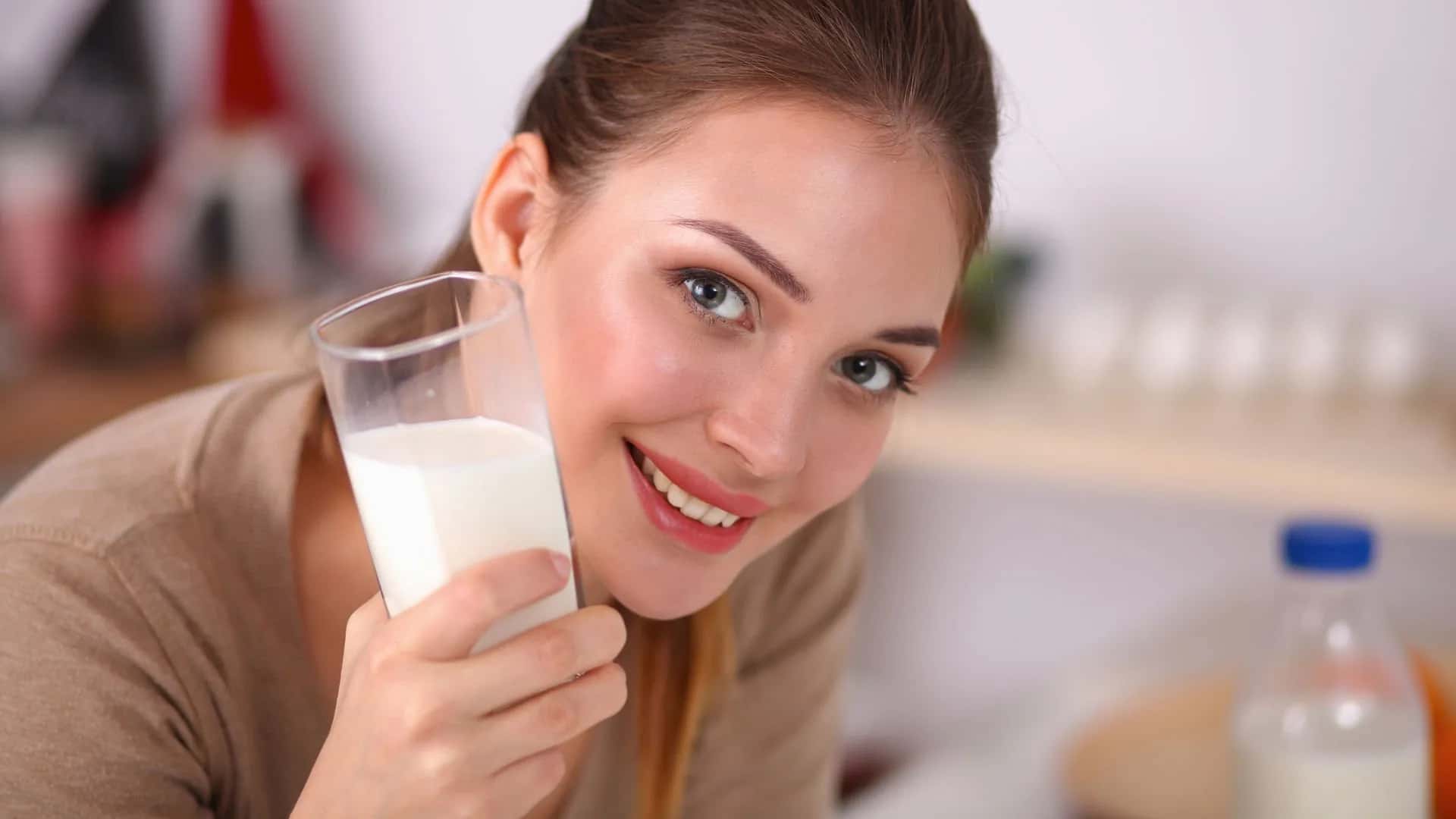


Why Are Dairy Products Avoided After Dental Implant Surgery?
Dairy products may be temporarily limited after dental implant surgery because certain products can affect comfort, medication absorption, food hygiene, or early wound care.
However, dairy itself does not automatically damage a dental implant or prevent the implant from healing. Pasteurized milk and soft yogurt can even fit a soft postoperative diet when they are well tolerated.
The reason for temporary restriction usually depends on the type of dairy product and how it is consumed. Hard cheese requires chewing, while very sweet dairy foods may leave residue around the surgical area. Medication interactions can also matter with specific antibiotics.
Is Dairy Always Prohibited After Dental Implant Surgery?
Dairy products are not universally prohibited after dental implant surgery, and many soft postoperative diets include milk, yogurt, or similar foods.
The important distinction concerns texture, pasteurization, sugar content, temperature, and medication use rather than dairy as a complete food category. Soft foods reduce the amount of chewing required around a newly treated area. Yogurt and milk can meet that requirement when they are smooth and comfortably cool.
A complete dairy ban therefore has no general nutritional basis for every implant patient. Temporary avoidance usually relates to specific postoperative circumstances rather than evidence that ordinary pasteurized dairy prevents osseointegration.
Why Might Dairy Be Limited During the First 24 Hours After an Implant?
Dairy may be limited during the first 24 hours when certain products are difficult to clean away, require chewing, or worsen postoperative stomach discomfort.
Immediately after implant placement, the surgical area needs protection from unnecessary mechanical pressure and food accumulation. Thick, sticky, or highly sweetened dairy foods can leave residue around nearby teeth and soft tissues. Oral cleaning may also be more cautious during the earliest healing period.
Rich milkshakes or heavy cream-based foods can additionally feel unpleasant when nausea follows sedation or medication. This does not mean milk directly harms the implant. The concern is mainly maintaining comfort and protecting the surgical area during the earliest recovery stage.
Can Dairy Products Cause Infection After Dental Implant Surgery?
Pasteurized dairy products do not normally cause an implant infection simply because they contain milk, yogurt, or cheese.
Postoperative infection depends on bacterial contamination and wound conditions rather than dairy consumption alone. Standard pasteurized dairy foods are produced to reduce harmful microorganisms and should not be treated as direct infection sources. Soft yogurt is commonly included among suitable foods after oral surgery.
The situation differs with unpasteurized products because they can contain disease-causing bacteria.
Food should also be prevented from collecting around the implant area. Good oral cleanliness is therefore more relevant than excluding every dairy product from the diet.
Does Milk Slow Dental Implant Healing?
Milk does not have an established effect that directly slows dental implant healing when it is pasteurized and consumed normally.
In fact, dairy foods can provide protein, calcium, and energy, which are valuable nutrients during tissue recovery. General postoperative nutrition guidance commonly includes dairy among useful protein and energy sources.
Problems are more likely to involve how milk is consumed rather than milk itself. Extremely hot milk should be avoided during the early postoperative period because heat can irritate sensitive tissues. Drinking through a straw may also be discouraged after oral procedures. Plain milk taken gently is different from a thick, sugary milkshake consumed with strong suction.
Can You Eat Yogurt After Dental Implant Surgery?
Smooth pasteurized yogurt can usually fit an early dental implant diet because it requires very little chewing and has a soft texture.
Soft foods are commonly recommended after oral surgery to reduce mechanical stress while eating. Yogurt appears frequently among foods suitable for this purpose.
Plain yogurt is generally a more practical choice than varieties containing nuts, granola, seeds, or hard fruit pieces. These additions may require additional chewing or become trapped around the treated area.
Very acidic or heavily sweetened yogurt may also feel uncomfortable on sensitive tissues. A smooth, cool, pasteurized product is generally easier to manage during early recovery.
Why Are Fermented Dairy Products Sometimes Limited After Implant Surgery?
Fermented dairy products may be limited because some postoperative advice takes a cautious approach to bacterial cultures, acidity, texture, or individual digestive tolerance.
Yogurt and other fermented foods naturally contain bacterial cultures, but this does not mean ordinary pasteurized yogurt causes dental implant infections. Soft yogurt is included in several postoperative food recommendations.
The practical concern is often the specific product. Thick fermented foods containing seeds, fruit pieces, added sugar, or acidic flavorings may irritate or collect around sensitive areas.
Therefore, fermentation alone is not a strong reason to exclude every dairy product. Product texture and overall postoperative suitability remain more relevant considerations.
Are Unpasteurized Dairy Products Riskier After Dental Implant Surgery?
Unpasteurized dairy products carry a greater food safety risk because they may contain harmful bacteria that pasteurization is designed to reduce.
Raw milk and products made from it can contain microorganisms associated with foodborne illness, including Salmonella, E. coli, and Listeria.
Avoiding unnecessary exposure to these organisms is sensible while the body is recovering from a surgical procedure. The concern is not that raw milk specifically attacks the dental implant. Instead, unpasteurized products introduce an avoidable infection and gastrointestinal risk during recovery.
Pasteurized dairy products do not carry the same raw-milk risk. This distinction is important when discussing dairy consumption after dental implant placement.
Can You Eat Cheese After Dental Implant Surgery?
Cheese can be eaten after dental implant surgery when its texture does not require strong chewing around the newly treated area.
Soft cheese is generally easier to manage than hard, aged, or chewy varieties. The early postoperative goal is to minimize pressure and unnecessary movement around the surgical site. Hard cheese can require repeated chewing and may place more mechanical demand on nearby tissues.
Small portions of soft cheese can therefore be more suitable once eating feels comfortable. Some postoperative soft-food guidance includes cheese during recovery.
Cheese containing hard nuts, seeds, crusts, or crunchy additions should be avoided during the early stage because these ingredients can complicate chewing.
Can You Eat Ice Cream After Dental Implant Surgery?
Smooth ice cream can sometimes be consumed after dental implant surgery because its cool temperature and soft texture require little chewing.
However, the product should not contain nuts, hard chocolate pieces, brittle toppings, cookie fragments, or other ingredients that could reach the surgical area. Very high sugar content can also leave a sticky residue inside the mouth.
Ice cream is included among soft foods used after some oral procedures.
It should therefore be viewed as an occasional soft food rather than the main source of postoperative nutrition. Plain, smooth options are easier to manage than products containing solid pieces or dense toppings.
Can Dairy Products Interact With Antibiotics After Implant Surgery?
Dairy products can interfere with the absorption of certain antibiotics, but this interaction does not apply equally to every antibiotic used around dental treatment.
Calcium in milk, yogurt, and similar products can bind with particular medicines and reduce how much medication the body absorbs. Certain fluoroquinolone and tetracycline antibiotics have clinically important interactions with calcium-containing foods.
This is one reason some patients receive instructions to separate dairy intake from medication timing. It should not be interpreted as evidence that dairy interferes with the implant itself.
Medication instructions should therefore be checked carefully whenever antibiotics are used during implant recovery.
Which Dairy Products Should Be Avoided Immediately After Dental Implant Surgery?
Dairy products that are hard, unpasteurized, excessively hot, sticky, or filled with crunchy pieces are less suitable during early implant recovery.
The following choices can create unnecessary problems during the first stage of healing:
-
Hard cheeses can require stronger chewing near the surgical area.
-
Yogurt containing seeds, nuts, or granola can leave small particles around the wound.
-
Unpasteurized milk products can carry harmful foodborne microorganisms.
-
Very hot milk-based drinks can irritate sensitive postoperative tissues.
-
Thick milkshakes should not be consumed through forceful suction.
-
Highly sugary dairy desserts can leave sticky residue around teeth and gums.
Smooth, pasteurized, soft products generally create fewer practical concerns.
When Can You Start Eating Dairy Again After Dental Implant Surgery?
Soft pasteurized dairy can often be introduced early when it can be eaten without strong chewing, suction, heat, or irritation.
There is no universal biological waiting period required for ordinary dairy after implant placement. Oral surgery diets commonly include yogurt, milkshakes, ice cream, and other soft dairy foods during early recovery.
The progression should focus on texture. Smooth yogurt or milk requires little mechanical effort, while firm cheese demands more chewing.
As tenderness decreases, foods with greater texture become easier to manage. The key issue is protecting the healing area rather than waiting for dairy itself to become safe.
What Can You Eat Instead of Dairy After Implant Surgery?
Dairy-free alternatives should be soft, nutritious, and easy to consume without significant chewing around the implant site.
Suitable choices can include smooth vegetable purées, mashed potatoes, blended soups, soft eggs, applesauce, mashed banana, tofu, and smooth plant-based yogurt. These foods can provide variety while keeping the diet gentle.
Protein remains particularly useful during recovery because the body requires adequate nutrition for tissue repair.
Plant-based milk can also replace regular milk when a temporary dairy restriction is being followed. Products containing seeds, hard grains, nuts, or crunchy toppings should still be avoided because texture remains important regardless of whether the food contains dairy.
What Is the Main Reason for Avoiding Dairy After a Dental Implant?
The main reason for temporarily avoiding certain dairy products is to protect early healing conditions, not because dairy automatically prevents a dental implant from integrating.
Hard textures may increase chewing pressure, sugary products can leave residue, and unpasteurized dairy introduces unnecessary food safety risks. Certain antibiotics can also interact with calcium-containing foods.
At the same time, soft pasteurized dairy products such as plain yogurt may fit comfortably into an early postoperative diet.
For this reason, dairy should be evaluated by texture, pasteurization, temperature, ingredients, and medication interactions rather than treated as a universally prohibited food group.
- Last updated
- Language
- English
How did you find this article?
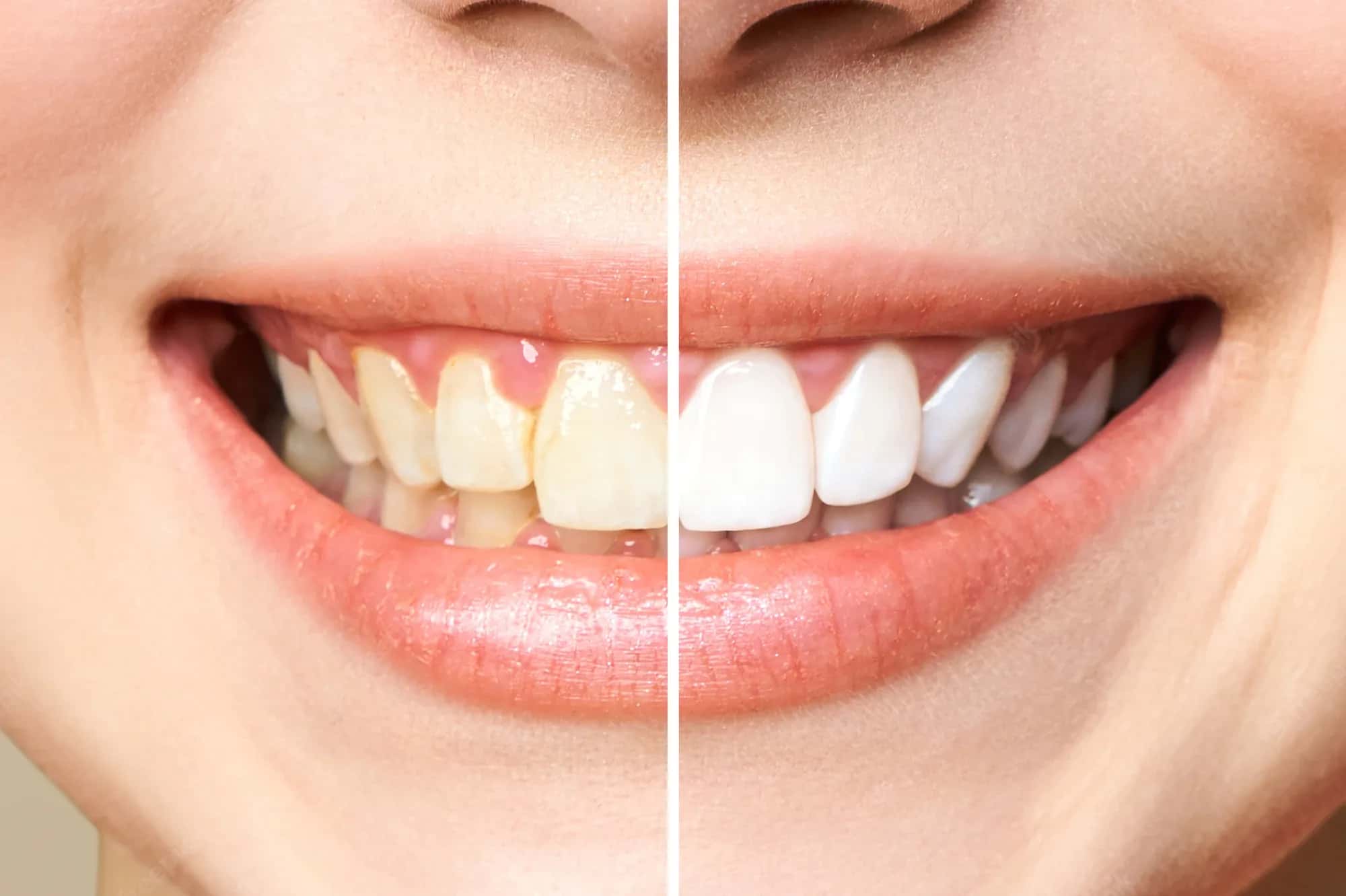
Teeth whitening costs around the world vary substantially, with professional treatment generally costing less in countries such as Turkey, Mexico and India than in the United States or United Kingdom.
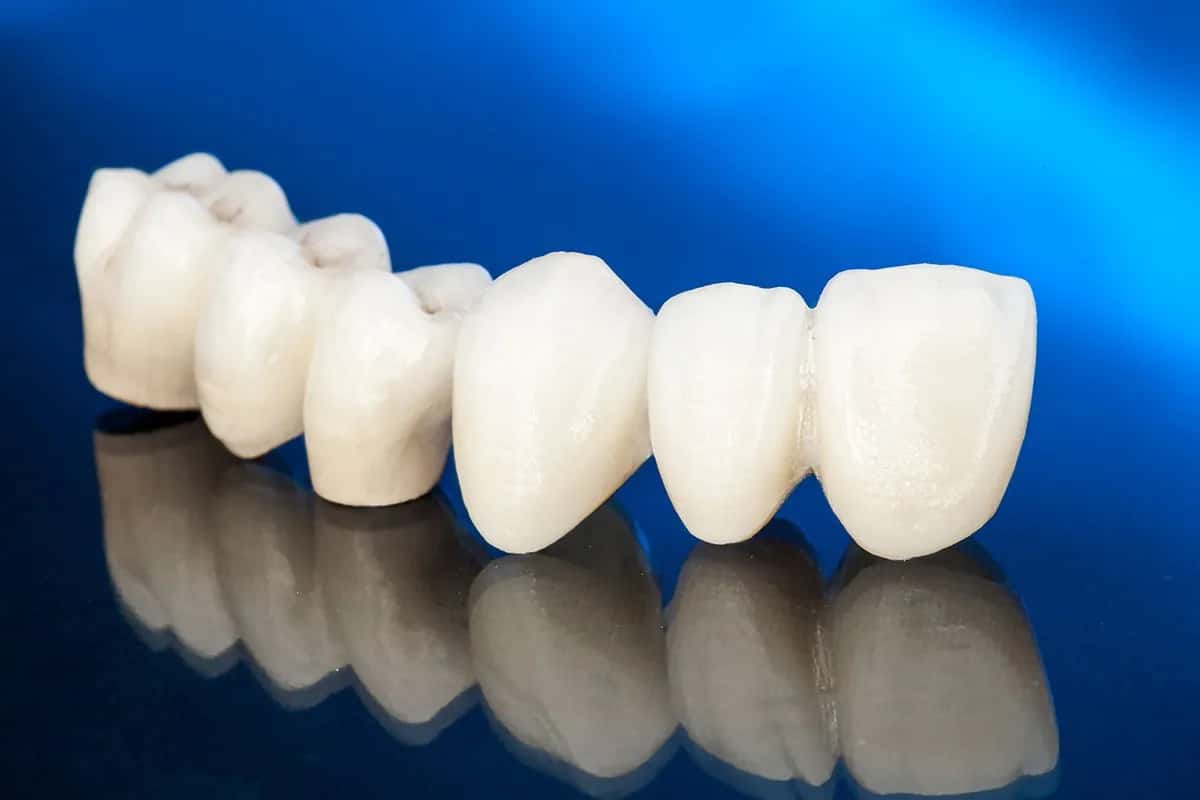
Zirconium crown costs around the world vary significantly, from approximately €180–€400 per tooth in Turkey to $1,000–$2,500 in the United States, based on published 2026 private-treatment prices.
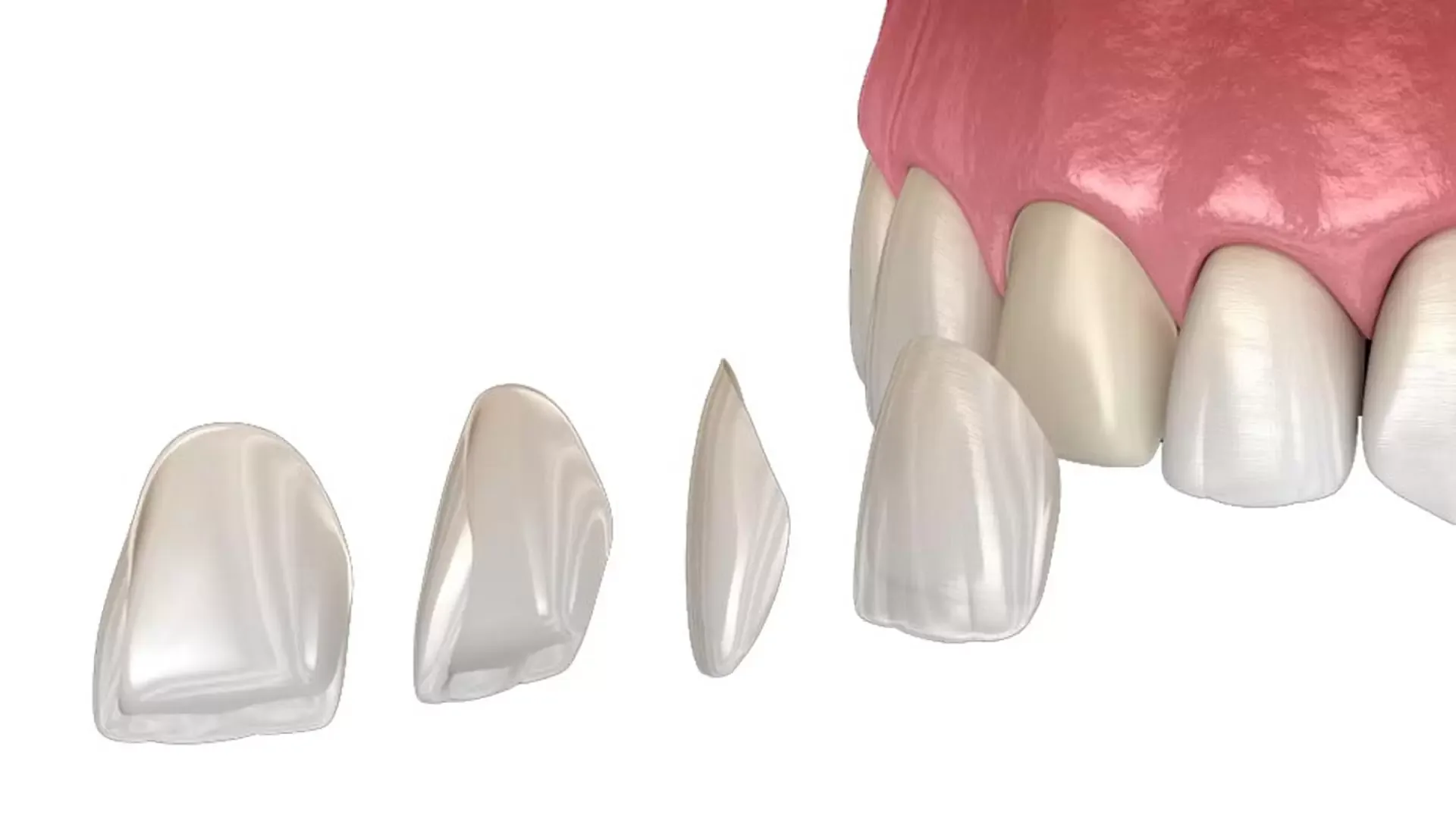
E-Max costs around the world differ significantly, with ceramic veneers and crowns available at lower published prices in countries such as Turkey, Mexico and Hungary than in the United States or United Kingdom.
Subscribe to the Medifinder newsletter and never miss our latest content.