










White Lumps on Gums: Causes, Symptoms, Treatment, and When to Worry
This guide explains white lumps on gums, including dental abscesses, ulcers, cysts, oral thrush, benign growths, extraction healing, and warning signs requiring dental assessment.

- Last updated
- 202 reads
- 10 min read


White Bump on Gums – What Is It?
A white lump on the gums is a raised or discolored area that can develop from infection, irritation, ulceration, healing tissue or a benign oral growth.
Just by looking at it, it is hard to tell what the cause is. There are many dental conditions that can cause pale or white lesions. An abscess may cause a painful bump next to a tooth. A painful shallow sore may be an ulcer. Sometimes, hard, painless bumps can be a normal bony growth. White areas that persist and cannot be wiped away should be evaluated as they may be another type of oral lesion. Most growths in the mouth are benign, but any persistent lumps on the gums should be checked.
Why Do Gums Have White Lumps?
Causes of White Spots on Gums Dental infection Mouth ulcers Fungal infection Chronic irritation Benign bony growths Extraction healing Persistent white lesions in the mouth
Pain, texture, duration, and location make the most likely explanation more clear. An abscess is often formed around an infected tooth and can be filled with pus. Ulcers are usually painful and have a white or yellow center, surrounded by redness. Thrush typically produces multiple white patches that can be wiped away. Fibromas are associated with repeated irritation, tori are hard bony projections. Appearance should be considered in conjunction with other symptoms as these conditions require different treatment.
Dental Abscess – White Lump on the Gum?
A dental abscess is a pocket of pus from an infected tooth or surrounding gum that collects under the tissue and forms a white or yellow bump on the gum.
An abscessed tooth can form after deep decay , a crack in a tooth , trauma , or infection of the dental pulp . Pus from the root may drain into the gum and form a small lump next to the tooth involved. The pain may be continuous and increase on chewing. Other side effects may include: temperature sensitivity, bad taste, gum swelling, facial swelling. Dental treatment is required since draining an abscess doesn’t remove the infected source. Root canal treatment or extraction of the underlying infection may be needed.
What does a gum abscess look like?
A gum abscess can look like a red swelling with a white or yellow center where pus has accumulated under the gum surface or through it.
Some abscesses look like a small pimple and sometimes drain fluid into the mouth. The tissue around it may feel warm, sore or swollen. If pus drains through the lump a foul taste may result. Tooth pain and sensitivity can be caused by an infection inside a tooth. But just because it looks like it’s healing up doesn’t mean the infection is gone. Dental abscesses need to be treated because when the pressure drops, the source can still be inside the tooth, gum or surrounding tissues.
Can Mouth Ulcer Look Like White Lump On Gums?
A mouth ulcer may appear as a white spot on the gum since ulcers are shallow and have a white or yellow center with a red, painful border.
Minor ulcers usually heal in one to two weeks and do not scar. Trauma (brushing, sharp teeth, braces, dentures, hard foods, etc.) can cause isolated ulcers. Stress, nutritional deficiency and some medications may also be factors. An ulcer may be slightly raised when it is inflamed, but it is more of a surface sore and not a real solid lump. Persistent oral ulceration, such as a mouth ulcer that has persisted for more than three weeks, should be investigated, as this is not something that can be continued to be treated at home.
White spots on gums: Could it be oral thrush?
Oral thrush may cause white patches on the gums and other areas of the mouth. These patches are usually accompanied by redness, soreness, or altered taste.
Unlike many white lesions which are persistent, thrush lesions can be wiped away revealing red tissue underneath which may bleed slightly. The condition is due to an overgrowth of Candida fungus. It is more common in people who have dentures, diabetes, or weakened immune systems, and after taking antibiotics. Thrush usually involves several areas rather than producing one hard lump. Antifungal therapy may be required if the diagnosis is confirmed. White areas that cannot be scraped off should not be assumed to be oral thrush.
Is a White Gum Lump a Cyst?
A cyst can cause an oral lump but the common mucus cysts are more likely to appear on the lips or floor of the mouth than on attached gum tissue.
Mucoceles are collections of salivary mucus that are usually soft, painless, and translucent or bluish. They often follow minor trauma damaging a small salivary duct. Many disappear in a week or two. Other cystic lesions can develop around teeth and in the jaws causing swelling that can be seen through the gums. While a persistent gum lump cannot be classified by color alone, dental examination and imaging may be necessary if a cyst or deeper jaw lesion is suspected.
Hard White Lumps on Gums Bone Maybe?
Normal gum tissue can cover a hard painless lump. This could be a benign bony growth, called an exostosis or torus.
They are composed of normal mature bone and tend to grow slowly. A mandibular torus is most often found on the inside of the mandible, and other exostoses are found in other locations. The area may look pale or whitish, due to the thin gum over the bone. Most of these growths are benign and do not require treatment unless they interfere with eating, dentures or other dental care. Even a newly developing hard lump still merits evaluation as not all solid oral swellings are benign bony prominences.
Can an Irritation Cause a Lump in the Gums?
A benign fibrous lump can develop in the oral tissue from repeated irritation from ongoing rubbing, pressure or slight trauma.
An irritational fibroma usually grows slowly and can have a smooth surface of a similar color to the surrounding oral tissue. It may be caused by constant contact from dental appliances or other mechanical means. Such growths are usually benign but may be persistent until removal of the irritating factor. Because many oral lesions look alike without magnification or tissue examination, a persistent lump should not be diagnosed on appearance alone. Selected lesions of uncertain nature, or if they are repeatedly irritated, may be removed for examination.
What is the white lump after a tooth extraction?
After a tooth extraction, a whitish area may appear as a normal part of the healing process, as the new tissue forming over the socket can look pale or white.
Once the blood clot has formed initially, it is gradually incorporated into the surrounding tissue as the socket heals from the bottom up. In this stage the healing surface may appear white without being infected. But a dry socket can also look whitish, as the exposed bone of a dry socket can. Even more concerning is severe and increasing pain. Usually, the dry socket is much more painful than just an unusual appearance. Bone that is continuously exposed also needs to be looked at, especially if healing is not occurring as expected or if you are on certain medications that affect bone.
White Gum Lump Is Leukoplakia?
A white raised area on the gums that will not go away can be leukoplakia, especially if the surface cannot be rubbed or scraped off.
Leukoplakia usually presents as an irregular white patch, not a small pus filled pimple. It is usually painless and may be seen on the gums, tongue, cheeks or other surfaces inside the mouth. Some patches also have red sections. Most cases are benign, but there is a small chance that leukoplakia will undergo abnormal cellular changes over time. Therefore, persistent lesions should be examined and sometimes biopsied. The key difference is that the lesion can be wiped away, as a removable white coating suggests conditions such as oral thrush instead.
Can a White Spot on the Gum Be Oral Cancer?
A persistent white lump or patch on the gum can sometimes be oral cancer or a precancerous change. Most oral lumps are caused by noncancerous conditions.
Warning signs are a lump that is slowly getting bigger, a white or red patch that does not go away, an ulcer that lasts more than three weeks, bleeding for no known reason or continuing mouth pain. Changes in speech, difficulty swallowing, or a neck lump need evaluation. A hot painful lump is more likely to be an infection rather than cancer. Usually malignant growths increase in size progressively. These conditions cannot be reliably distinguished by appearance alone. Therefore, it is necessary to investigate persistent changes instead of repeatedly observed changes simply due to pain caused by the lesion.
Can You Pop A White Bump On Your Gum?
You should not try to squeeze or pop a white spot on the gum, as this can damage the tissue but will not get rid of the underlying cause.
If the bump is an abscess with pus, the pus is not removed to get rid of the infection inside the tooth or in the deeper tissues of the gum. The opening can lower pressure temporarily in the presence of bacteria. Handling of an ulcer, cyst or healing extraction site can also cause bleeding and delayed healing. Drainage if attempted will be of no benefit to a solid growth. If the bump remains or is painful, it is better to keep the area clean and have it checked by a dentist. Dental abscesses require definitive treatment such as drainage, root canal therapy or extraction as indicated.
What Is the Treatment for White Lumps on Gums?
The treatment for a white spot on the gums depends entirely on the cause, ranging from simple observation to dental drainage, antifungal treatment or removal of persistent tissue.
Dental abscesses need to have the source of infection treated, usually by drainage, root canal therapy, or extraction. Treatment for oral thrush is with antifungal medicine. Minor ulcers usually heal on their own in 1-2 weeks if irritation is minimized. Benign bone growths often do not require treatment unless they cause functional problems. Persistent white patches or lumps of unknown cause may need specialist examination and sometimes biopsy. Visually similar changes can be caused by very different conditions and it is incorrect to apply one treatment to every white gum lesion.
How Long Does a White Gum Lump Last?
A small ulcer or transient healing change may resolve in 1-2 weeks, but a persistent gum lump should be evaluated, not just watched indefinitely.
Common minor mouth ulcers usually heal within this period. Furthermore, in the first weeks the healing of the extraction tissue changes considerably. However, dental abscesses do not go away for sure without treatment, even if a draining bump goes down for a little while. Leukoplakia and other oral lesions can be asymptomatic for long periods of time so persistent white patches need to be evaluated. We have a recognized reason for assessment; an ulcer of more than three weeks in duration. Duration is therefore a useful clue but symptoms and appearance should also be considered.
When to Seek Immediate Care for a White Gum Lump
A white lump of gum that is linked to signs of spreading infection, significant swelling, intense pain or problems breathing or swallowing needs immediate dental or medical assistance.
Key warning signs are:
- Rapidly worsening swelling of the face or jaw
- Severe or increasing pain in the teeth
- Fever with swelling in the mouth
- Pus and bad taste that won’t go away
- Problems opening your mouth
- Problems swallowing or talking
- Problems breathing
- Swelling around the eye
- Sudden vision problems
Occasionally a dental abscess can extend into the tissues surrounding the tooth and become serious. If you have trouble breathing or your mouth is very swollen, you need to be seen as an emergency and not wait for a regular dental appointment.
When should you see a dentist about a white lump on your gum?
Any persistent or recurrent lump of white gum tissue that is painful, enlarging, draining pus, or cannot be otherwise definitively explained by recent healing should be evaluated by the dentist.
An urgent appointment is appropriate when a dental abscess is suspected because the infection will not reliably go away without treatment. A lump that is painless and persists should also be evaluated, as benign and potentially important oral growths can initially be asymptomatic. “White patches that don’t go away or ulcers that last longer than three weeks should also be checked.” Early assessment allows differentiation of infection, irritation, healing tissue, fungal disease and persistent oral lesions before the situation becomes more complicated.
- Last updated
- Language
- English
How did you find this article?
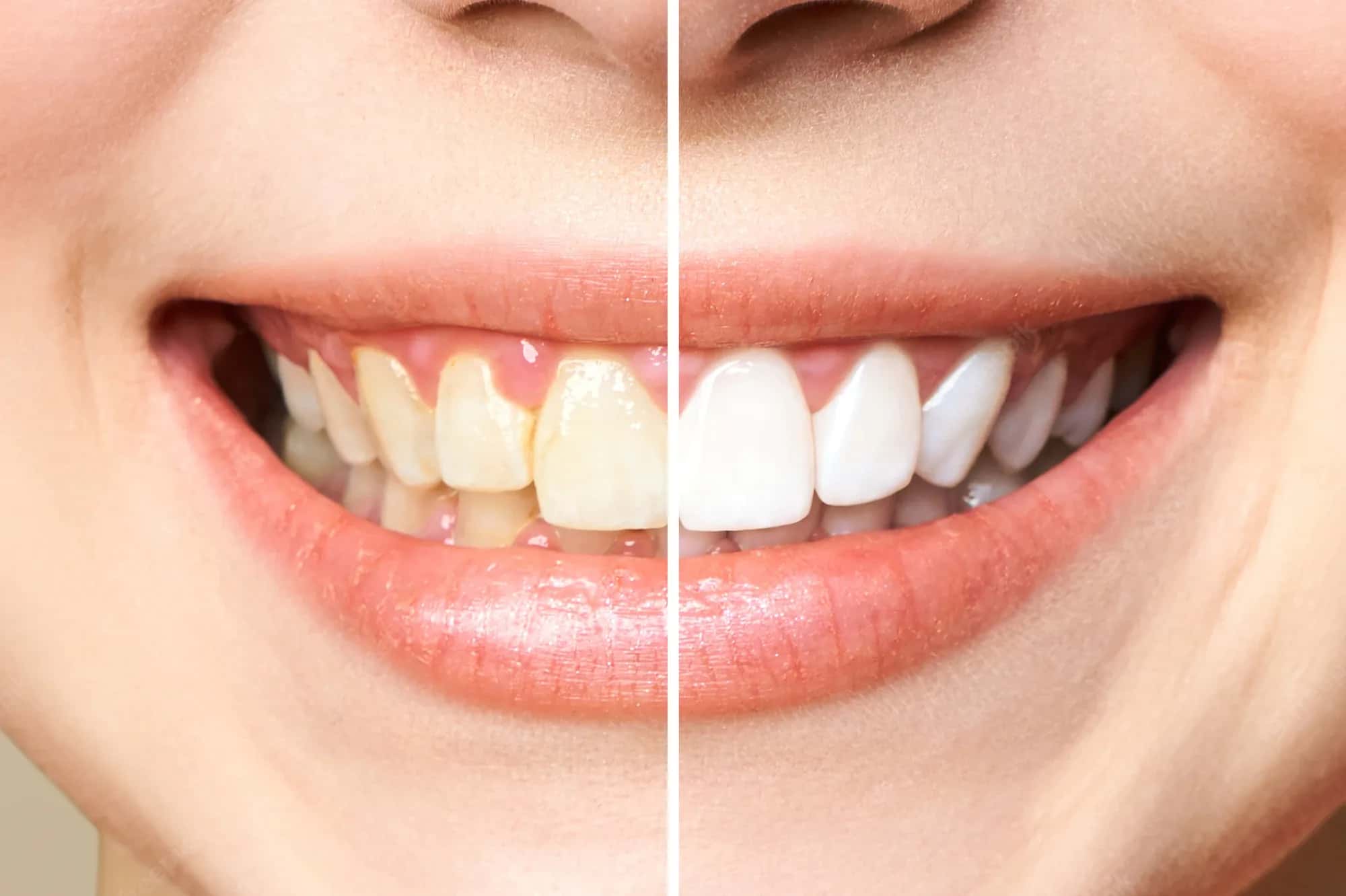
Teeth whitening costs around the world vary substantially, with professional treatment generally costing less in countries such as Turkey, Mexico and India than in the United States or United Kingdom.
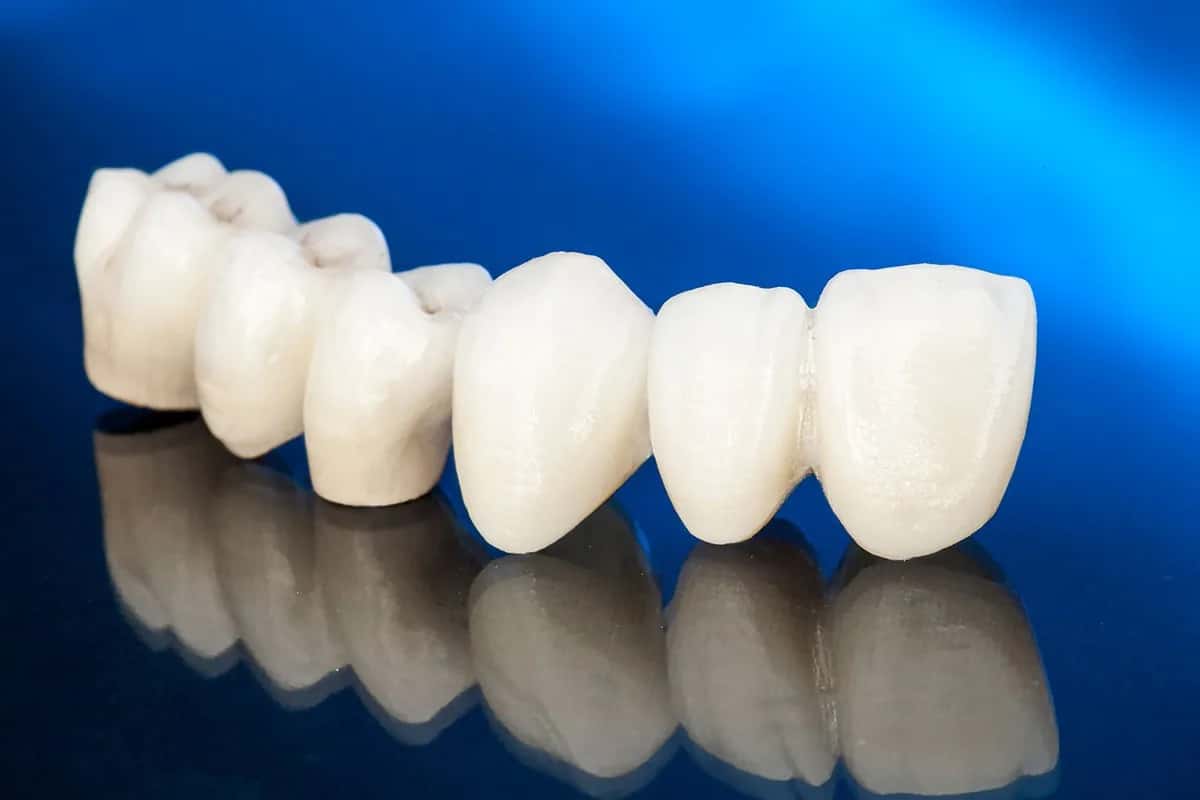
Zirconium crown costs around the world vary significantly, from approximately €180–€400 per tooth in Turkey to $1,000–$2,500 in the United States, based on published 2026 private-treatment prices.
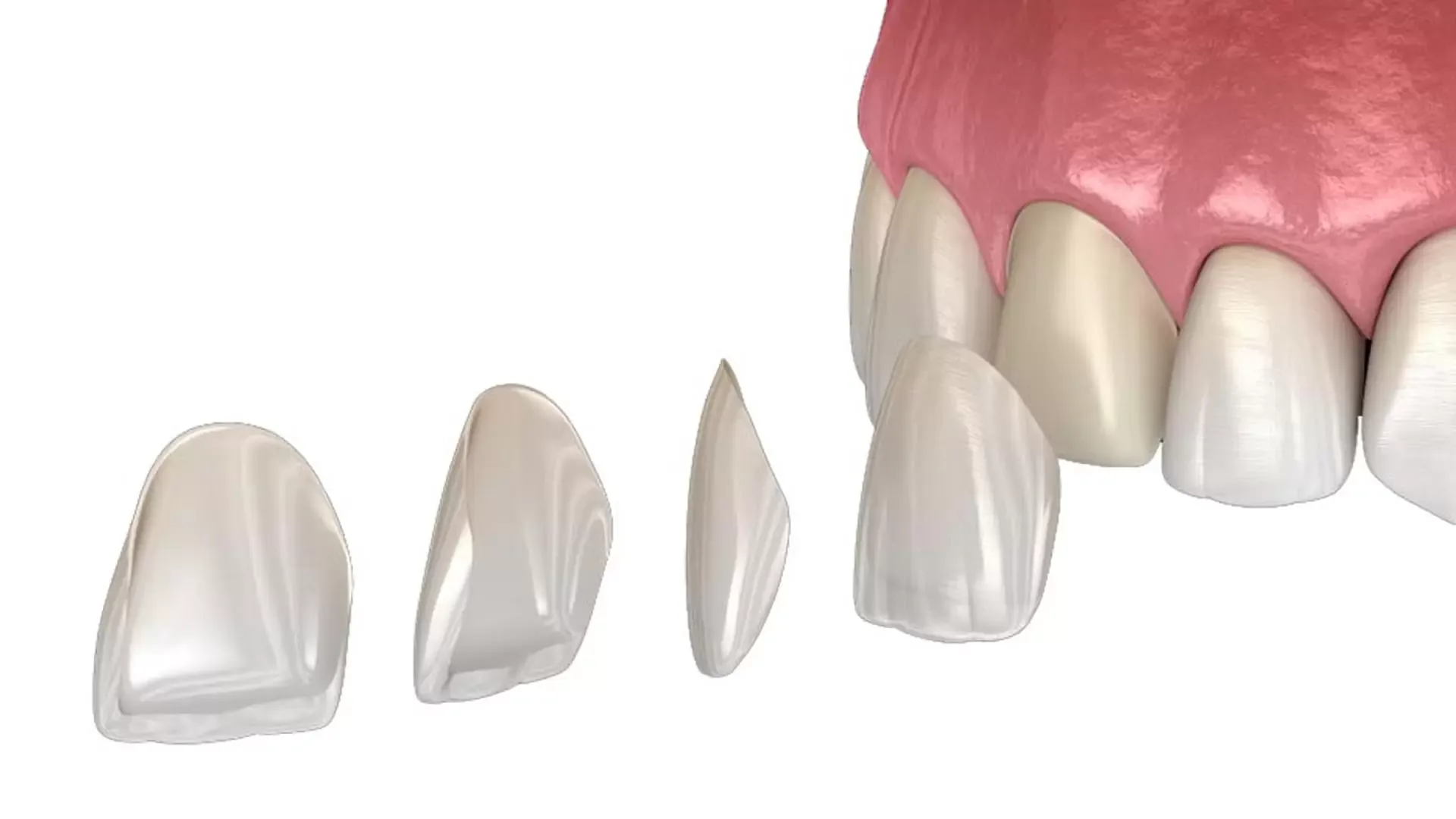
E-Max costs around the world differ significantly, with ceramic veneers and crowns available at lower published prices in countries such as Turkey, Mexico and Hungary than in the United States or United Kingdom.
Subscribe to the Medifinder newsletter and never miss our latest content.