










Where to Get Cheap Braces? Savings Plans
You can get cheap braces at dental schools, non-profit organizations, or by using dedicated dental savings plans. Dental schools offer professional orthodontic treatments supervised by licensed experts at significantly lower prices.

- Last updated
- 93 reads
- 9 min read


Finding cheap braces is possible when patients compare orthodontic providers carefully, understand treatment options, and use the right savings plans before starting care. Braces can be expensive, but the lowest advertised price is not always the best deal. A good plan should reduce cost without risking oral health, treatment quality, or long-term results.
Braces are used to correct crowded teeth, gaps, overbite, underbite, crossbite, rotated teeth, and bite problems that can affect chewing, speech, cleaning, and facial balance. Many people think of braces as a cosmetic treatment, but orthodontic care often improves function as well as appearance. This is why cost should be reviewed together with diagnosis, treatment length, orthodontist experience, and follow-up care.
The price of braces can vary widely. Metal braces are usually the most affordable option. Ceramic braces cost more because they are less visible. Lingual braces are often the most expensive because they are custom-made and placed behind the teeth. Clear aligners may be priced close to braces in many cases, but they are not suitable for every bite problem.
Average Cost of Braces
The average cost of braces depends on the type of appliance, case complexity, treatment time, and location. In many private orthodontic offices, traditional metal braces may cost around $3,000 to $7,000. Ceramic braces may cost around $4,000 to $8,000. Lingual braces can rise above $10,000 because they require more customization and chair time. Clear aligners may range from moderate to premium pricing depending on the brand and number of trays needed.
These numbers are planning ranges, not fixed prices. A mild spacing case that takes 8 months will usually cost less than a complex bite correction that takes 24 to 30 months. Children and teenagers may sometimes have simpler treatment if problems are detected early. Adults may need longer treatment when gum health, bone support, missing teeth, or previous dental work affect movement.
A complete orthodontic quote should explain what is included. Some offices include X-rays, scans, adjustments, emergency visits, retainers, and follow-up appointments in one fee. Others charge certain services separately. Patients should ask for the full treatment cost before comparing providers.
Where to Get Cheap Braces?
The best places to get cheap braces include dental schools, orthodontic residency clinics, community health centers, nonprofit dental programs, private orthodontic offices with payment plans, and clinics that offer seasonal promotions. Each option has benefits and limitations.
Dental schools and orthodontic residency programs can be one of the most affordable choices. Treatment is usually performed by supervised students or residents who are training in orthodontics. The process may take longer because each step is reviewed carefully, but the savings can be meaningful.
Community health clinics may offer lower-cost dental and orthodontic referrals for children, teenagers, or families with limited income. Availability depends on location and eligibility rules. Some programs focus mainly on medically necessary orthodontic care rather than purely cosmetic concerns.
Private orthodontic offices may also offer affordable braces through in-house financing. Some provide low down payments, monthly installments, family discounts, sibling discounts, and flexible payment schedules. A private office may cost more than a dental school, but it may offer faster appointments, more treatment options, and stronger convenience.
Dental Schools for Low-Cost Braces
Dental schools are a practical option for patients looking for cheaper braces. Many schools have orthodontic departments where treatment is provided at reduced cost. Care is supervised by licensed dentists and orthodontic faculty, which gives patients access to structured treatment at a lower price than many private offices.
The main advantage is savings. The main tradeoff is time. Appointments may be longer, scheduling may be less flexible, and treatment may move at a slower pace because each stage requires review. For patients who are not in a hurry, this can be a smart way to reduce braces cost.
Patients should contact nearby dental schools and ask whether they accept new orthodontic patients, what the consultation fee is, how long the waiting list is, and whether payment plans are available. Not every case will be accepted, especially if the school clinic does not have the right program or supervision for complex treatment.
Orthodontic Payment Plans
Payment plans are one of the most common ways to make braces more affordable. Instead of paying the full cost at once, patients spread the fee over the treatment period. This can turn a large expense into a predictable monthly payment.
A typical payment plan may include a down payment followed by monthly installments. Some offices offer zero-interest plans if payments are made on time. Others use third-party financing with interest. Patients should read the terms carefully before signing.
The best payment plan is not always the one with the lowest monthly amount. A very low monthly payment may stretch the cost over a longer period or include financing fees. Patients should compare the total amount paid, not only the monthly figure.
Before agreeing to a plan, ask whether the price includes retainers, repair visits, lost brackets, missed appointment fees, late fees, and emergency care. A clear payment agreement prevents confusion later.
Dental Insurance for Braces
Dental insurance can reduce braces cost, especially for children and teenagers. Many plans offer orthodontic benefits for dependents under a certain age. Adult orthodontic coverage is less common, but some plans include partial benefits.
Orthodontic insurance often works differently from regular dental coverage. Instead of paying for each appointment, the plan may offer a lifetime orthodontic maximum. This means the insurer pays up to a set amount toward braces, and the patient pays the rest.
Patients should check whether the orthodontist is in network, whether braces are covered for adults, whether clear aligners are included, and whether there is a waiting period. It is also important to ask how benefits are paid. Some plans pay at the start of treatment, while others pay in installments over time.
If a patient plans to start braces soon, choosing the right dental insurance during enrollment can make a major difference. Families with children may benefit from reviewing orthodontic coverage before the first consultation.
HSA and FSA Savings
Health savings accounts and flexible spending accounts can help patients pay for braces with pre-tax money. This does not lower the orthodontist’s fee directly, but it can reduce the real cost because the money is set aside before taxes.
These accounts may be useful for down payments, monthly installments, retainers, and eligible orthodontic expenses not covered by insurance. Patients should confirm eligibility with their plan administrator before using funds.
Planning matters because flexible spending accounts often have annual limits and deadlines. If braces will begin next year, a patient may be able to plan contributions in advance and use the funds for treatment. This can make orthodontic care easier to manage without relying only on credit.
Medicaid and Public Programs
In some regions, public insurance may cover braces for children when treatment is medically necessary. Coverage is usually based on severity. A child with a serious bite problem, functional issue, or dental development concern may qualify, while mild crowding or cosmetic spacing may not.
Adults usually have more limited public orthodontic coverage. However, rules vary by location, so patients should check local benefits. A dentist or orthodontist can often help determine whether a case meets medical necessity requirements.
Public programs may have waiting lists and limited provider networks. Patients should start early, keep all records, attend evaluations, and ask what documents are needed. For families who qualify, this can be one of the strongest ways to access affordable braces.
Braces Discounts and Promotions
Some orthodontic offices offer discounts for paying in full, starting treatment during certain months, treating multiple family members, or choosing standard metal braces instead of premium options. These savings can be helpful, but patients should look beyond the headline price.
A discount should not replace proper diagnosis. Braces must be planned after an exam, X-rays or scans, and a bite evaluation. A provider should explain the treatment goal, estimated timeline, risks, and retention plan.
Patients should be cautious with offers that require immediate commitment before a full consultation. A reliable office will give the patient time to review the estimate, ask questions, and compare options.
Cheap Braces for Adults
Adults often search for cheap braces because orthodontic treatment may not be covered by insurance. Adult braces can cost more when the case involves gum recession, bone loss, missing teeth, crowns, implants, or old dental work. Still, there are ways to save.
Metal braces are usually the most budget-friendly option for adults. Ceramic braces may look better but cost more. Clear aligners may be convenient, but they may not be cheaper, especially for complex movement.
Adults can reduce cost by comparing several orthodontic consultations, asking about in-house financing, using HSA or FSA funds, and checking whether a dental school accepts adult patients. It may also help to treat only the necessary arch or choose a staged plan, but this should be done only when clinically appropriate.
Cheap Braces for Kids and Teens
Children and teenagers may have more savings options than adults. Dental insurance, public programs, school-based referrals, and early orthodontic evaluation can reduce long-term costs. When bite problems are detected early, treatment may be simpler or better timed.
Parents should schedule an orthodontic evaluation when recommended by a dentist or when visible issues appear, such as severe crowding, early tooth loss, crossbite, overbite, underbite, mouth breathing, or jaw growth concerns. Early evaluation does not always mean braces must start immediately. Sometimes the orthodontist simply monitors growth.
For families with more than one child, sibling discounts and family payment plans can help. Parents should ask whether the office offers combined monthly billing or reduced fees for additional children.
Metal Braces vs Clear Aligners
Metal braces are usually the cheapest and most reliable option for many orthodontic cases. They are strong, effective, and suitable for complex tooth movement. They may not be as discreet as ceramic braces or clear aligners, but they often provide strong value for the price.
Clear aligners can be convenient and nearly invisible, but they require discipline. Patients must wear them for the recommended hours each day. If aligners are not worn properly, treatment can take longer and cost more. Aligners may also need refinements, which may or may not be included in the original price.
The cheapest option should still match the dental problem. A patient with a complex bite may spend more later if they choose an unsuitable low-cost aligner plan. A proper orthodontic exam helps prevent wasted money.
Hidden Costs to Watch For
Cheap braces can become expensive if the quote does not include important services. Hidden costs may include consultation fees, X-rays, scans, broken bracket repairs, replacement aligners, retainers, missed appointment fees, emergency visits, and post-treatment follow-up.
Retainers are especially important. Teeth can shift after braces if retainers are not worn as instructed. Some offices include one set of retainers in the treatment fee. Others charge separately. Patients should ask before starting treatment.
Travel costs also matter. A clinic far from home may offer a lower price, but frequent appointments can add transportation expenses and missed work or school time. Convenience can affect the real cost of treatment.
How to Compare Braces Prices?
The best way to compare braces prices is to request itemized estimates from at least two or three providers. Each estimate should include the diagnosis, appliance type, estimated treatment length, total fee, down payment, monthly payment, retainer cost, emergency policy, and cancellation terms.
Patients should ask who will supervise treatment. An orthodontist has advanced training in tooth movement and bite correction. Some general dentists also provide clear aligners or limited orthodontic care. The right provider depends on the complexity of the case.
A fair comparison should include quality, not only price. Good orthodontic care protects the bite, gums, roots, and long-term stability of the smile. Poorly planned treatment can lead to retreatment costs that are higher than the original savings.
- Last updated
- Language
- English
How did you find this article?
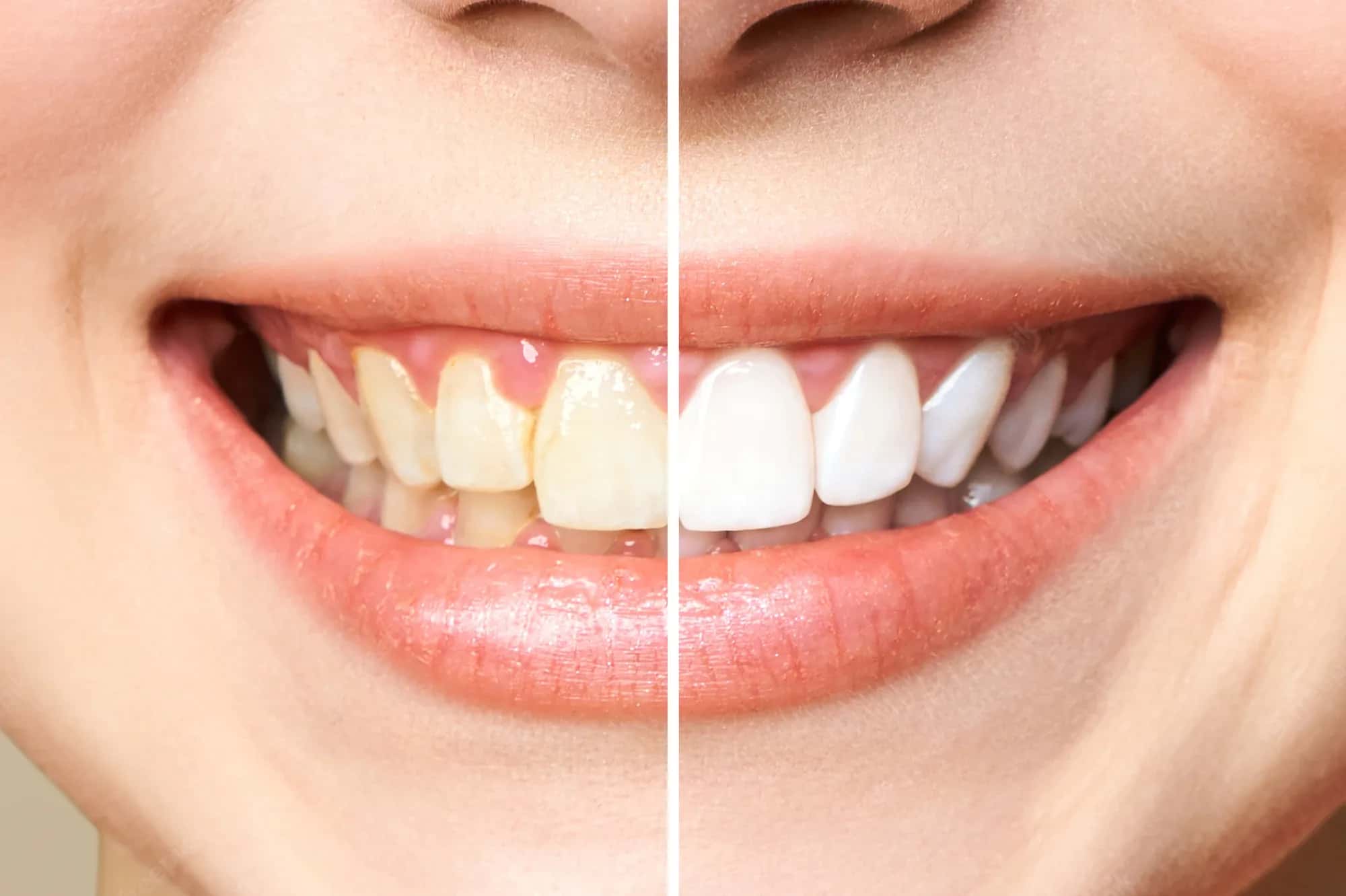
Teeth whitening costs around the world vary substantially, with professional treatment generally costing less in countries such as Turkey, Mexico and India than in the United States or United Kingdom.
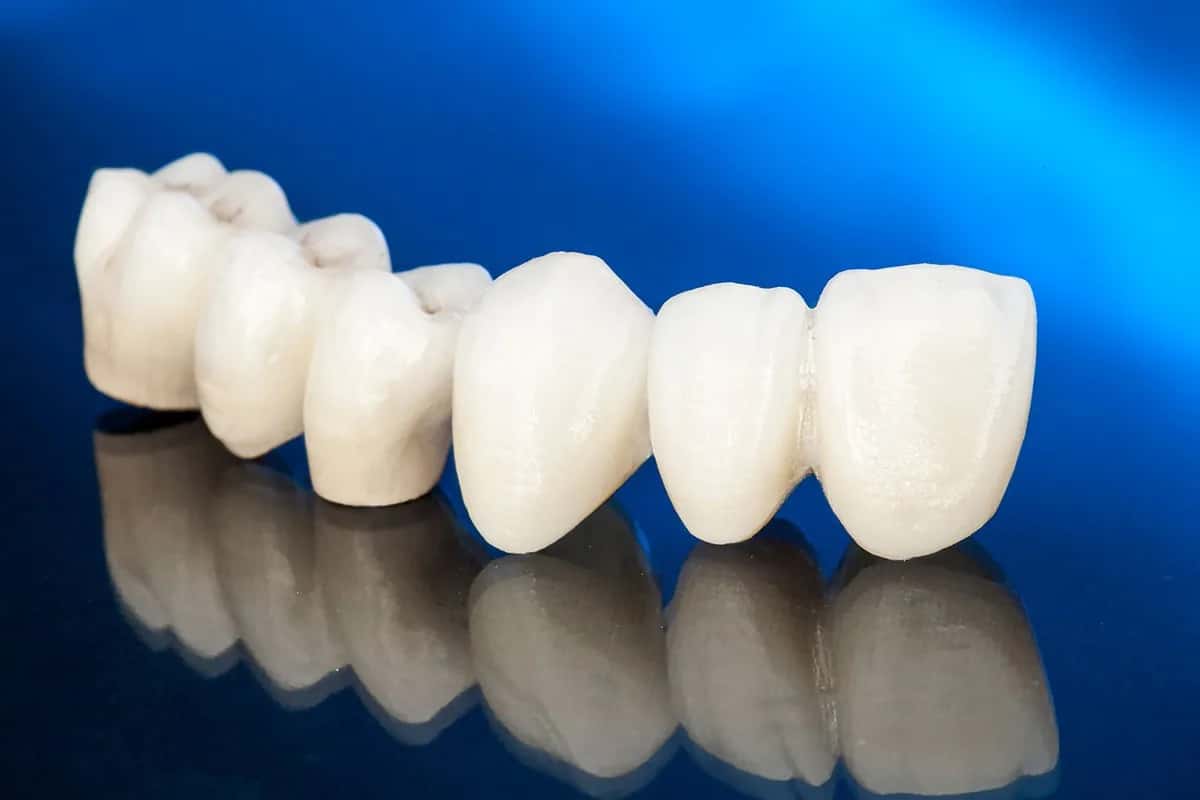
Zirconium crown costs around the world vary significantly, from approximately €180–€400 per tooth in Turkey to $1,000–$2,500 in the United States, based on published 2026 private-treatment prices.
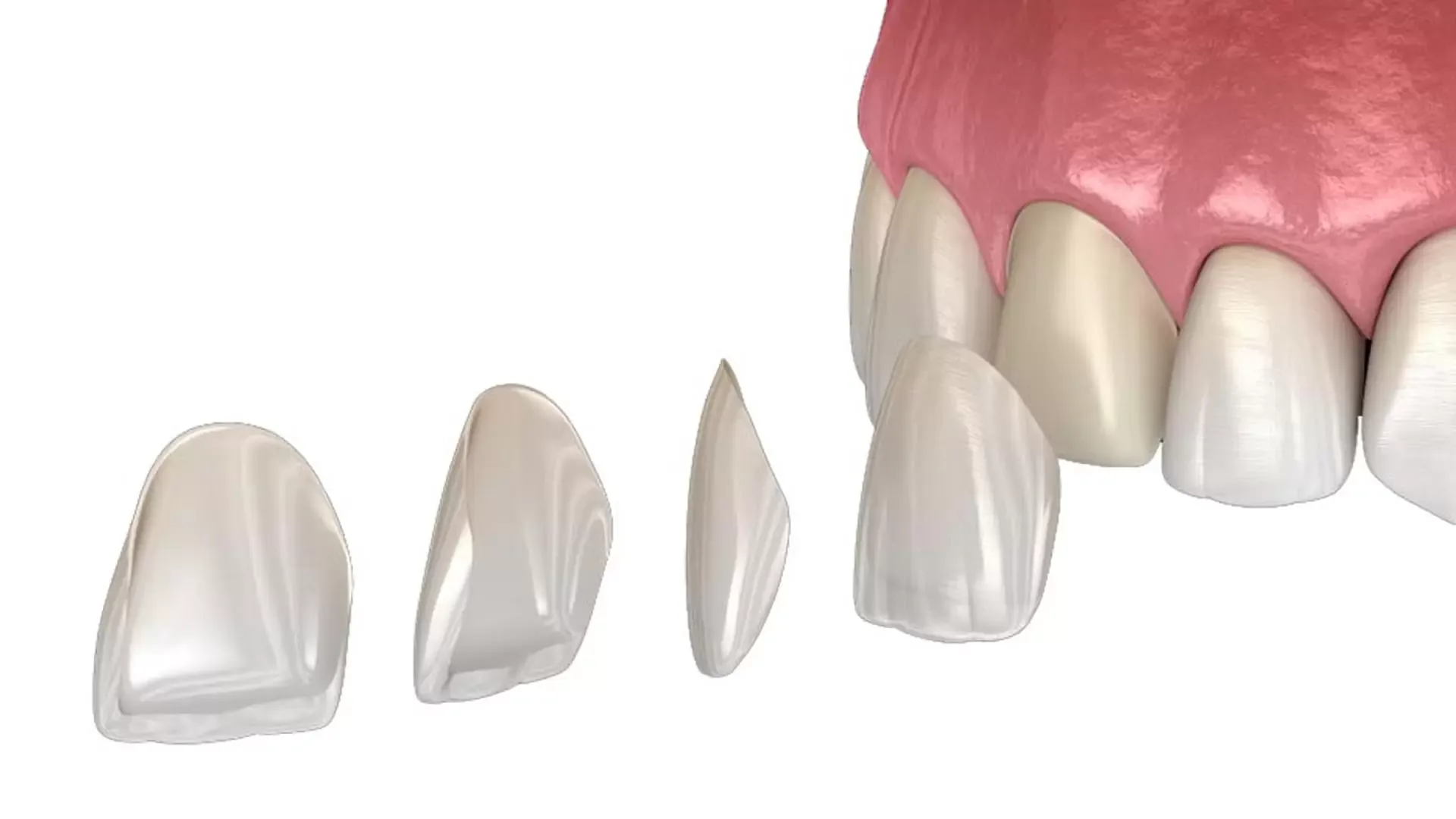
E-Max costs around the world differ significantly, with ceramic veneers and crowns available at lower published prices in countries such as Turkey, Mexico and Hungary than in the United States or United Kingdom.
Subscribe to the Medifinder newsletter and never miss our latest content.