










What Is ARTAS Hair Transplant?
This guide explains what ARTAS hair transplant technology is, how the robotic system works, and which stages of FUE hair transplantation it can assist.

- Last updated
- 7 reads
- 8 min read


What Is ARTAS Hair Transplant?
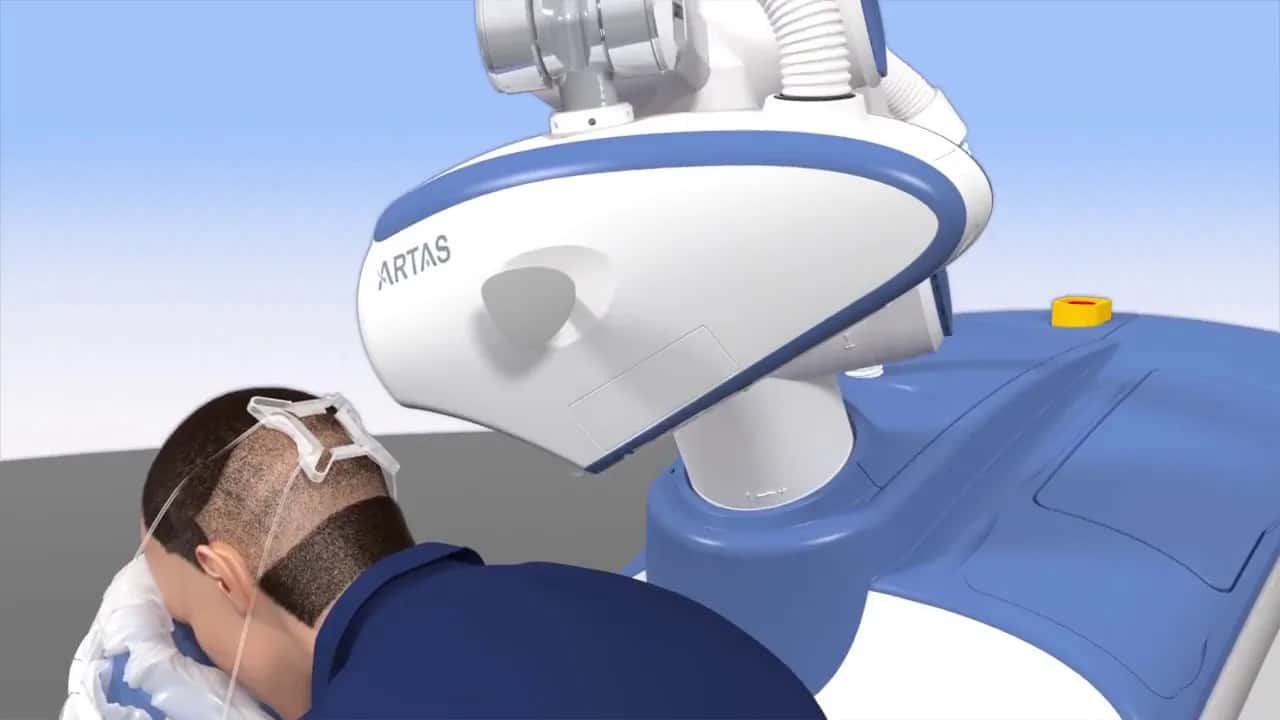
ARTAS is a robotic hair transplant system designed to assist several stages of follicular unit extraction, commonly known as FUE hair transplantation.
The system combines robotic technology, digital imaging, machine vision, and computer-assisted algorithms to identify and harvest individual follicular units from the donor area. Newer ARTAS systems can also assist with recipient site creation and graft implantation.
Unlike a separate hair transplant technique, ARTAS is a technology platform used within the FUE approach. It analyzes follicle characteristics before guiding precise robotic movements.
The system aims to make repetitive parts of hair transplantation more consistent while allowing the treatment plan and hairline design to remain clinically controlled.
How Does the ARTAS Hair Transplant System Work?
The ARTAS hair transplant system works by digitally analyzing the donor area and guiding a robotic arm toward selected follicular units for extraction.
Its imaging technology evaluates characteristics such as follicle position, angle, orientation, and spacing. The software then calculates an appropriate approach for individual grafts.
During harvesting, specialized instruments separate selected follicular units from surrounding scalp tissue. The grafts can then be collected for transplantation into thinning areas.
Modern versions also support recipient site creation and graft placement. This creates a connected workflow in which imaging, robotic movement, and treatment planning support multiple stages of FUE hair restoration.
What Does ARTAS Do During Hair Transplantation?
ARTAS assists with graft analysis, follicular unit harvesting, recipient site creation, and graft implantation during robotic FUE hair transplantation.
Its main functions can be summarized as follows:
-
Digital imaging analyzes the direction, position, size, and orientation of follicular units in the donor area.
-
Robotic harvesting separates selected follicular units while following calculated extraction angles.
-
Recipient site technology can help create planned openings within the transplantation area.
-
Implantation functionality can assist with placing harvested grafts into designated recipient sites.
-
Computer-assisted mapping helps monitor previously harvested areas and supports controlled graft distribution.
These functions automate repetitive technical stages without turning hair transplantation into a completely independent robotic procedure.
Is ARTAS the Same as FUE Hair Transplantation?
ARTAS is not a separate alternative to FUE because it is a robotic system designed to automate and assist specific stages of the FUE method.
FUE involves removing follicular units individually from a donor area rather than removing a linear strip of scalp. ARTAS follows this individual follicular unit approach using computerized imaging and robotic instruments.
The fundamental transplantation principle therefore remains FUE. The main difference is how selected parts of the procedure are performed.
Traditional FUE relies more heavily on manually controlled extraction equipment. ARTAS introduces robotic targeting, automated movement, digital follicle analysis, and computer-assisted planning into the same basic extraction concept.
How Does ARTAS Select Hair Follicles?
ARTAS selects hair follicles by using high-resolution imaging and software algorithms to evaluate follicular units throughout the mapped donor area.
The system examines information such as hair position, orientation, angle, spacing, and other visible follicular characteristics. It repeatedly processes these details while tracking the treatment area.
This analysis allows the robotic system to identify suitable follicular units and calculate how they should be approached during harvesting.
Selection is also distributed across the donor region rather than concentrated entirely within one small location. Controlled distribution helps preserve a balanced appearance after extraction.
The system therefore combines visual recognition with programmed harvesting patterns instead of relying only on repetitive manual targeting.
How Does ARTAS Extract Hair Grafts?
ARTAS extracts hair grafts by positioning a robotic harvesting instrument over selected follicular units and separating them from the surrounding scalp tissue.
The robotic arm approaches each chosen follicular unit according to information collected by the imaging system. This includes the visible direction and angle of the hair.
Specialized punch technology then dissects around the follicular unit so the graft can be removed from the donor area.
Because follicles do not always grow at identical angles, accurate alignment is important during FUE harvesting. Robotic image guidance is designed to continually analyze these differences.
Harvested follicular units are subsequently prepared for placement into the planned recipient region.
Can ARTAS Create Recipient Sites?
ARTAS can assist with creating recipient sites by using computer-assisted planning to guide the position and distribution of openings for transplanted hair follicles.
Recipient sites influence where individual grafts will be positioned within thinning or bald areas. Their location, spacing, and direction contribute to the final distribution pattern.
Later ARTAS systems received functionality designed to assist physicians with recipient site creation as part of the hair transplantation process.
Digital planning can also account for existing hair when determining where recipient sites should be created.
However, robotic site creation does not independently determine the aesthetic objective. Hairline shape, density strategy, donor management, and long-term planning remain essential parts of the overall procedure.
Can ARTAS Implant Hair Grafts?
Modern ARTAS systems can assist with implanting harvested follicular units into recipient sites created according to the planned hair restoration design.
Earlier versions focused primarily on follicular unit harvesting. The technology later expanded to include recipient site creation and assisted implantation within the same robotic platform.
During implantation, harvested grafts are placed into predetermined recipient locations while the system follows the established treatment map.
This integration reduces the separation between extraction, site creation, and implantation stages. It also allows digital planning information to remain connected throughout more of the procedure.
The technology supports placement accuracy, but the overall distribution strategy still depends on the planned hair restoration design.
Does ARTAS Use Artificial Intelligence?
ARTAS uses artificial intelligence and machine vision technologies to analyze hair follicles, track their characteristics, and support robotic decision-making during transplantation.
The system processes visual information from the scalp and evaluates characteristics including follicle position, direction, size, and orientation. Modern ARTAS technology also tracks patient movement during the procedure.
Machine learning functions can support digital mapping and recognition of harvesting patterns across the donor area.
Artificial intelligence is therefore used mainly for visual analysis, targeting, tracking, and procedural assistance.
It does not independently decide whether hair transplantation should be performed. It also does not replace broader treatment planning or aesthetic judgment about hairline design.
Does ARTAS Perform Hair Transplantation Without Human Control?
ARTAS does not perform an entire hair transplant independently because it is a physician-assisted robotic system rather than an autonomous replacement for clinical decision-making.
The technology automates repetitive technical functions, including follicle recognition and parts of graft harvesting. Advanced versions can also assist with site creation and implantation.
However, successful hair restoration involves decisions that extend beyond robotic movement. These include evaluating donor resources, defining the transplantation area, designing the hairline, and determining long-term graft distribution.
The robotic system works within these planned parameters.
ARTAS should therefore be understood as an advanced surgical assistance platform that increases automation while preserving human control over essential treatment decisions.
What Are the Advantages of ARTAS Hair Transplant?
ARTAS hair transplant technology offers automated follicle analysis, precise robotic movements, repeatable harvesting, and computer-assisted control during several stages of FUE transplantation.
Its image-guided system can continuously evaluate follicular orientation before harvesting. Robotic movement can also reduce some variability associated with repeatedly performing thousands of similar extraction movements.
Because ARTAS uses the FUE approach, grafts are removed individually rather than through a long donor strip incision.
Digital mapping also supports controlled harvesting patterns across the donor area. Newer systems bring harvesting, recipient site creation, and implantation functions into one technology platform.
These advantages focus primarily on precision, repeatability, automation, and procedural consistency.
Does ARTAS Leave Scars?
ARTAS avoids the long linear donor scar associated with strip harvesting because it removes follicular units individually through an FUE-based extraction process.
Each harvested follicular unit requires a small circular opening within the donor region. These extraction points heal separately rather than forming one continuous surgical line.
This does not mean ARTAS produces completely scar-free surgery. Any procedure that removes follicular units creates microscopic tissue injury during extraction.
The distinction concerns the pattern and size of the resulting marks.
When donor harvesting is appropriately distributed, healed extraction points can be difficult to notice within surrounding hair. ARTAS therefore offers a non-linear scarring pattern rather than an absence of scarring.
Who Is Suitable for ARTAS Hair Transplantation?
ARTAS is designed for selected hair transplant candidates whose donor hair characteristics can be effectively recognized and harvested by the robotic imaging system.
Hair color, hair shape, donor density, scalp characteristics, and the amount of available donor hair can influence robotic recognition and extraction. Earlier regulatory indications specifically included men with androgenetic alopecia and straight black or brown hair.
Published experience has also identified dark, relatively straight donor hair as particularly compatible with earlier robotic FUE systems.
ARTAS suitability therefore depends partly on whether the imaging and harvesting system can reliably identify the available follicles.
The technology itself does not make every person with hair loss an appropriate transplantation candidate.
How Accurate Is ARTAS Hair Transplant Technology?
ARTAS is designed for highly controlled follicular targeting by combining stereoscopic imaging, repeated visual analysis, software guidance, and a multi-axis robotic arm.
Modern ARTAS systems use high-definition imaging to evaluate individual follicular units and align robotic harvesting movements with detected hair angles.
Precision does not mean every harvested graft will be perfect. Follicular unit extraction can still involve transection, unusable grafts, or unsuccessful harvesting attempts.
A comparative study found similar follicle transection rates between robotic ARTAS harvesting and conventional FUE in its study population. Some other harvesting measures differed between the techniques.
ARTAS accuracy therefore describes controlled robotic targeting rather than a guarantee of flawless graft harvesting.
What Are the Limitations of ARTAS Hair Transplantation?
ARTAS has limitations related to follicle characteristics, robotic recognition, equipment requirements, donor preparation, and the fact that automation cannot replace complete hair transplant planning.
Robotic imaging must clearly recognize follicular units before accurate targeting becomes possible. Hair characteristics can therefore influence how effectively the technology performs.
Earlier robotic systems were particularly suited to darker and straighter donor hair, and donor-area shaving was commonly required.
Robotic harvesting can also produce transected or unusable grafts, just as other FUE approaches can.
Most importantly, technology cannot independently determine a suitable hairline, future hair-loss pattern, donor conservation strategy, or aesthetic distribution. ARTAS assists technical execution rather than replacing comprehensive hair restoration judgment.
Is ARTAS Hair Transplant Permanent?
Hair transplanted with ARTAS follows the same biological principle as other FUE hair transplants because ARTAS changes the harvesting method, not the biology of transplanted follicles.
Follicular units are taken from a donor region and transferred to areas where additional hair coverage is planned. ARTAS assists their extraction and, with newer systems, can support recipient site creation and implantation.
The robotic system does not create new follicles or change their genetic characteristics.
ARTAS should therefore be viewed as a method of assisting follicular unit transplantation rather than a separate form of hair growth.
Its defining feature is robotic and computer-assisted execution within the established principles of FUE hair restoration.
- Last updated
- Language
- English
How did you find this article?
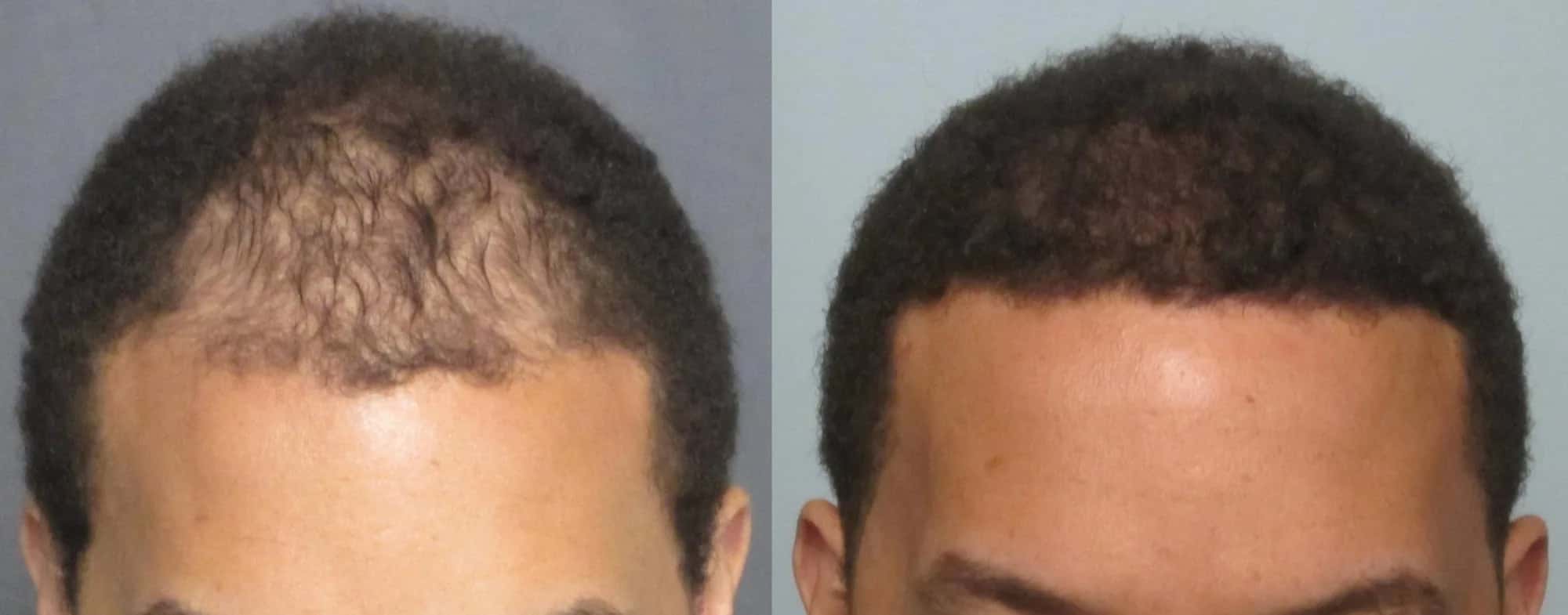
This guide explains how curly hair transplantation works, why curved follicles require special handling, and how curl pattern influences extraction, placement, density, and final appearance.
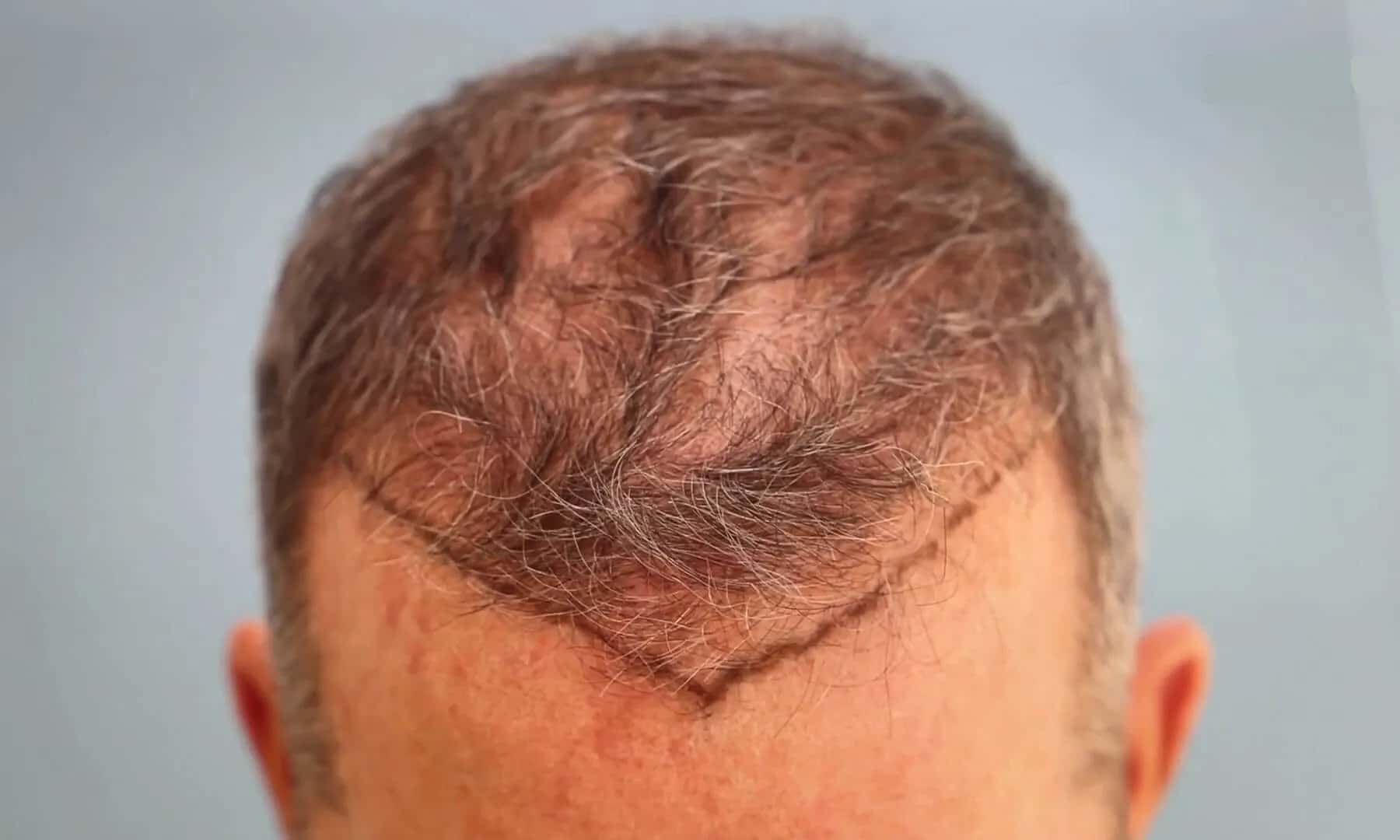
This guide explains second hair transplantation after 5–10 years, including donor reserves, progressive hair loss, graft planning, existing transplants, medications, recovery, and long-term results.

This guide compares hair transplant costs in Europe in 2026, including FUE, DHI, graft-based pricing, package inclusions, country differences, and travel expenses.
Subscribe to the Medifinder newsletter and never miss our latest content.