










Second Hair Transplant After 5–10 Years
This guide explains second hair transplantation after 5–10 years, including donor reserves, progressive hair loss, graft planning, existing transplants, medications, recovery, and long-term results.

- Last updated
- 30 reads
- 9 min read
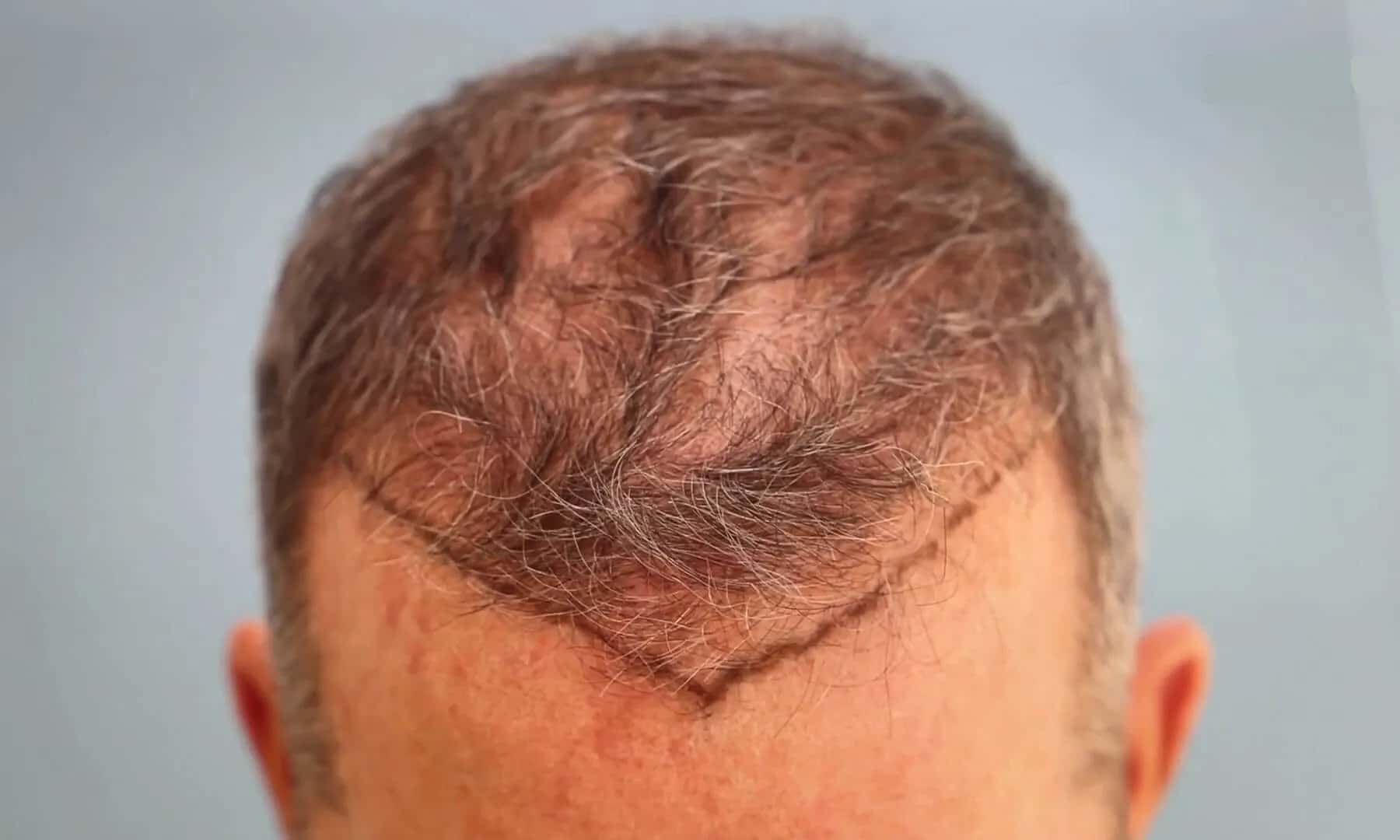


Can You Have a Second Hair Transplant After 5–10 Years?
A second hair transplant can be performed 5–10 years after the first when adequate permanent donor hair remains and the current hair-loss pattern supports further restoration.
There is no requirement to wait five or ten years specifically. The relevant issue is what has happened to the donor and recipient areas since the original procedure. Many patients seek another transplant because untreated native hair has continued thinning. Others want greater density or crown coverage that was deliberately postponed during the first operation. Repeat transplantation requires reassessment because extracted donor follicles do not regenerate after removal.
Why Might Someone Need a Second Hair Transplant Years Later?
A second hair transplant is commonly needed because androgenetic alopecia can continue progressing around permanently transplanted follicles after the original procedure.
Hair transplantation redistributes resistant follicles but does not stop the biological progression of pattern hair loss. A hairline restored years earlier can therefore remain intact while the mid-scalp or crown becomes progressively thinner. This can create visible gaps behind transplanted hair. Some first procedures also intentionally conserve donor grafts for future loss rather than attempting maximum coverage immediately. Long-term treatment planning recognizes this possibility and avoids using the entire donor reserve during an early operation.
Does the First Hair Transplant Stop Working After 5–10 Years?
A successful first hair transplant does not normally expire after 5–10 years, although the surrounding non-transplanted hair can continue thinning during that period.
Follicles harvested from a stable donor zone generally retain much of their resistance to androgenetic alopecia after transplantation. However, not every hair in the occipital scalp is guaranteed permanent. Donor boundaries differ between individuals, and miniaturization can eventually affect follicles harvested from unstable areas. A thinner appearance years later may therefore reflect loss of native hair, inappropriate donor selection, or both. It does not automatically mean previously transplanted grafts have suddenly stopped functioning.
How Does Ongoing Hair Loss Affect a Second Hair Transplant?
Ongoing hair loss affects a second transplant by increasing the area needing coverage while simultaneously making long-term donor conservation more important.
A patient may return with a preserved transplanted hairline but significant thinning behind it. Simply adding density to the front could leave insufficient grafts for the expanding mid-scalp or crown. Rapidly progressive hair loss also makes future appearance harder to predict. Published guidance recommends stabilizing active progression medically before transplantation when possible. The second procedure should therefore address the current pattern while preserving enough donor resources for plausible future loss rather than treating only the most visible gap.
How Important Is the Donor Area Before a Second Hair Transplant?
The donor area is the main limiting factor in a second hair transplant because every previous extraction reduces the number of scalp follicles available for future procedures.
Assessment should consider follicular-unit density, hair diameter, miniaturization, previous extraction distribution, visible scarring, and the boundaries of the permanent donor zone. Repeated harvesting from the same locations increases the risk of visible thinning. Recent evidence recommends careful extraction distribution and long-term planning, particularly after previous FUE. Donor quality matters as much as total graft count because thick, multi-hair follicular units can provide more visual coverage than finer donor hair.
What Should Be Checked Before a Second Hair Transplant?
A second hair transplant should begin with reassessment of both the remaining donor supply and the pattern that has developed since the first operation.
-
Remaining donor follicular-unit density
-
Miniaturization inside the donor region
-
Previous FUE extraction distribution
-
FUT scar position when applicable
-
Stability of current hair loss
-
Condition of previously transplanted hair
-
New frontal, mid-scalp, or crown thinning
-
Hair shaft diameter and donor quality
-
Current medical hair-loss treatment
-
Grafts likely required for future progression
These findings determine whether further harvesting can provide useful coverage without producing excessive donor depletion.
How Many Grafts Are Available for a Second Hair Transplant?
The number of grafts available for a second hair transplant depends on what remains after the first procedure rather than a universal lifetime graft allowance.
Published practice guidance has suggested roughly 4,000 to 6,500 scalp grafts as a possible lifetime range across multiple sessions. However, this recommendation has a low evidence level and varies considerably between individuals. Donor density, scalp size, hair diameter, safe-zone dimensions, extraction method, and previous harvesting all change the calculation. Some patients can safely provide more useful coverage than others. A second procedure should therefore be based on measured remaining donor characteristics rather than simply subtracting the first graft count from a fixed number.
Can the Donor Area Become Overharvested During a Second Procedure?
A donor area can become overharvested during a second procedure when too many follicular units are removed or repeat extraction concentrates excessively within previously depleted zones.
Overharvesting can create visible thinning, patchiness, reduced scalp coverage, and a moth-eaten appearance. These changes may be permanent because removed follicular units do not regenerate. Recent evidence identifies repeated sessions in the same donor region as a specific risk factor. Conservative extraction density and even distribution are therefore particularly important during repeat FUE. A second transplant should improve the recipient scalp without creating a new cosmetic problem at the back and sides of the head.
Can FUE Be Used for a Second Hair Transplant?
FUE can be used for a second hair transplant when sufficient safely harvestable follicular units remain and previous extraction has not excessively depleted the donor scalp.
The presence of earlier FUE does not automatically prevent another FUE session. However, the extraction pattern needs careful assessment because repeated punches should not be densely concentrated within already thinned areas. Smaller punches and controlled distribution can help reduce further visible depletion. Previous scars, donor density, hair length preferences, and possible future sessions also influence planning. FUE is therefore a viable repeat technique, but the remaining donor anatomy matters more than whether FUE was successfully used years earlier.
Can FUT Be Used After a Previous FUE Hair Transplant?
FUT can sometimes be used after previous FUE when scalp laxity and the remaining permanent donor zone allow a strip to be harvested without unacceptable depletion.
FUT removes a narrow strip of donor scalp and closes the area as a linear scar. This differs from distributing individual extraction points throughout the donor zone. Combining techniques can sometimes increase access to remaining donor follicles while preserving selected FUE options. Previous FUE must still be considered because the strip itself may contain fewer follicular units if that region was heavily harvested earlier. Scalp elasticity, existing scars, hairstyle preferences, and future donor needs all influence whether FUT remains practical.
Can a Second Hair Transplant Increase Density in the Same Area?
A second hair transplant can increase density in a previously treated area when additional grafts can be placed safely between existing follicles without excessive recipient-site trauma.
Density enhancement is different from restoring a newly bald region because transplanted hairs are already present. The new recipient sites must respect existing follicle direction, spacing, and blood supply. Excessively dense site creation can unnecessarily increase tissue trauma. A second pass is often used when the first operation intentionally produced conservative coverage or when visual density remains inadequate after full maturation. The potential improvement depends on available donor grafts, existing hair diameter, recipient skin condition, and the amount of density already present.
Does Scar Tissue Affect a Second Hair Transplant?
Scar tissue can affect repeat transplantation when the recipient area has reduced blood supply, stiffness, or altered tissue structure from previous surgery or another scalp injury.
Most routine recipient areas after uncomplicated hair transplantation do not behave like severe cicatricial alopecia. However, obvious scarred regions require greater caution. Research on transplantation into scars shows that poor vascularity can reduce graft survival and limit safe implantation density. Previous FUT also leaves a donor scar that must be considered during subsequent harvesting. When substantial scarring is present, graft placement may need to be more conservative than transplantation into normal vascular scalp tissue.
Should Hair Loss Be Stable Before a Second Hair Transplant?
Hair loss should ideally be reasonably stable before a second transplant because rapid progression can quickly create new thinning around recently implanted grafts.
Published guidance advises postponing transplantation during active and rapidly progressive androgenetic alopecia. Medical treatment can first be used to slow further miniaturization and make the eventual surgical target clearer. Stability is particularly important before repeat surgery because the donor reserve has already been reduced once. Treating a rapidly changing pattern can consume grafts in areas that later become part of a much larger bald region. Long-term planning therefore becomes more important with each additional transplant session.
Can Finasteride or Minoxidil Reduce the Need for Another Hair Transplant?
Finasteride or minoxidil can help preserve susceptible native hair and may reduce how quickly additional transplantation becomes necessary in androgenetic alopecia.
Hair transplantation itself does not stop ongoing miniaturization. Long-term medical management can therefore complement surgery by preserving hairs that have not been transplanted. Minoxidil is used for both male and female pattern hair loss, while finasteride is commonly used for male androgenetic alopecia. A 2026 consensus also supports long-term minoxidil use when effective and tolerated in transplant patients. Medication does not recreate unlimited donor follicles, but maintaining native hair can reduce future graft demand.
Is Recovery Different After a Second Hair Transplant?
Recovery after a second hair transplant is generally similar to the first procedure, although previous scars, donor depletion, and the size of the new session can influence healing.
FUE again creates multiple small donor extraction wounds, while FUT creates another linear surgical wound or uses a previously operated donor region. The recipient scalp develops the usual temporary redness, crusting, swelling, and shedding associated with transplantation. Repeat surgery does not automatically produce a longer recovery simply because several years have passed. However, heavily treated donor tissue may require more conservative harvesting. Infection, folliculitis, overharvesting, numbness, and visible scarring remain recognized complications during additional procedures.
When Will Results From a Second Hair Transplant Be Visible?
Results from a second hair transplant develop gradually over many months, and meaningful final assessment generally requires around one year rather than several weeks.
Recently implanted hairs can shed during early recovery before new shafts begin growing from surviving follicles. Visible improvement develops as more follicles enter active growth and the new hairs gain length and diameter. Density work can be particularly difficult to judge early because existing hairs and temporary postoperative shedding can alter appearance. Long-term graft studies commonly assess survival at approximately 12 months. Comparing standardized photographs after full maturation provides a more useful measure than judging the second procedure during early growth.
Can You Need a Third Hair Transplant Later?
A third hair transplant can become necessary when androgenetic alopecia continues progressing and sufficient donor reserves remain after the first two procedures.
Repeat surgery should never be planned on the assumption that donor hair is unlimited. Every harvesting session reduces future options, while the recipient area can continue expanding. This is particularly important for people who began transplantation when young or had an aggressively low hairline created initially. Guidelines emphasize reserving donor supply for possible later progression. A well-planned second transplant therefore considers whether additional treatment might eventually be needed rather than using every available follicular unit for immediate maximum density.
Is a Second Hair Transplant After 5–10 Years Worth Considering?
A second hair transplant after 5–10 years can be reasonable when new hair loss creates visible gaps and the remaining donor area can support meaningful, sustainable coverage.
The long interval itself is neither an advantage nor a contraindication. What matters is how the hair-loss pattern evolved, how well the original grafts survived, and how much permanent donor hair remains. Repeat surgery is most useful when it improves overall balance without sacrificing future options. Long-term planning should account for the frontal region, mid-scalp, crown, donor density, current age, and likely progression. The objective is durable coverage rather than simply maximizing the number of grafts transplanted during another session.
- Last updated
- Language
- English
How did you find this article?
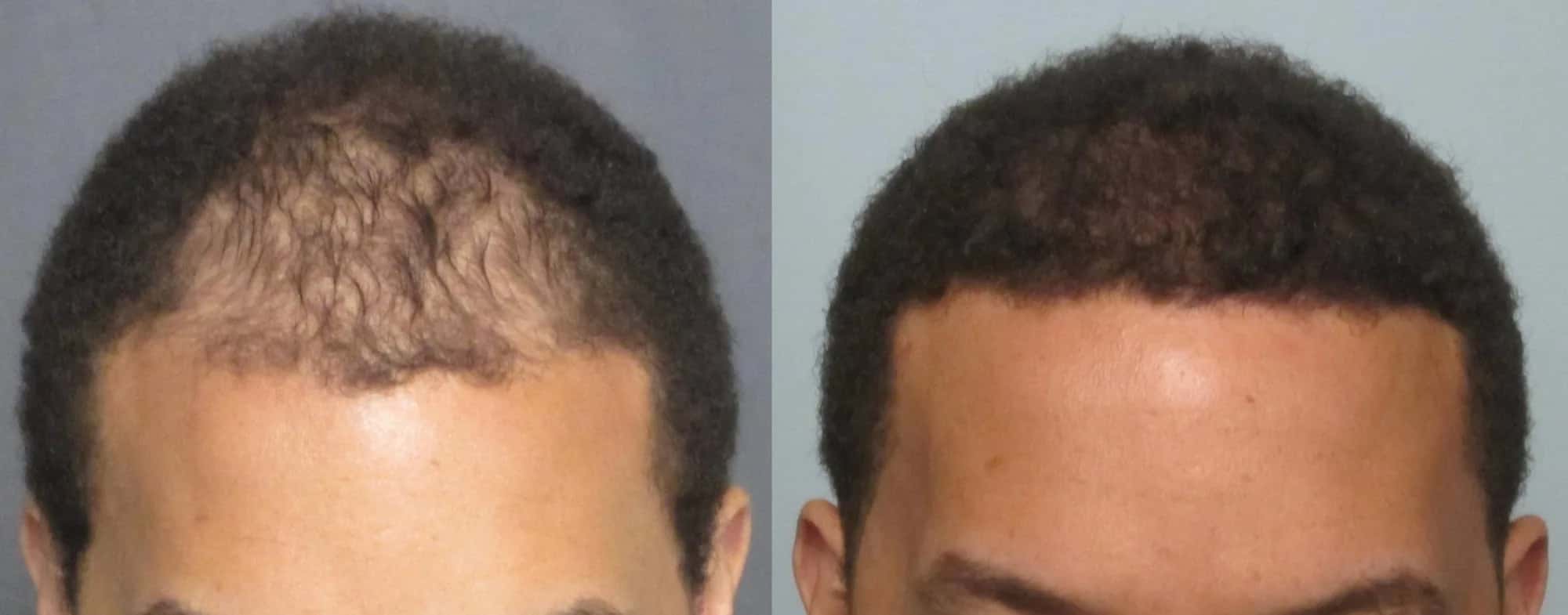
This guide explains how curly hair transplantation works, why curved follicles require special handling, and how curl pattern influences extraction, placement, density, and final appearance.
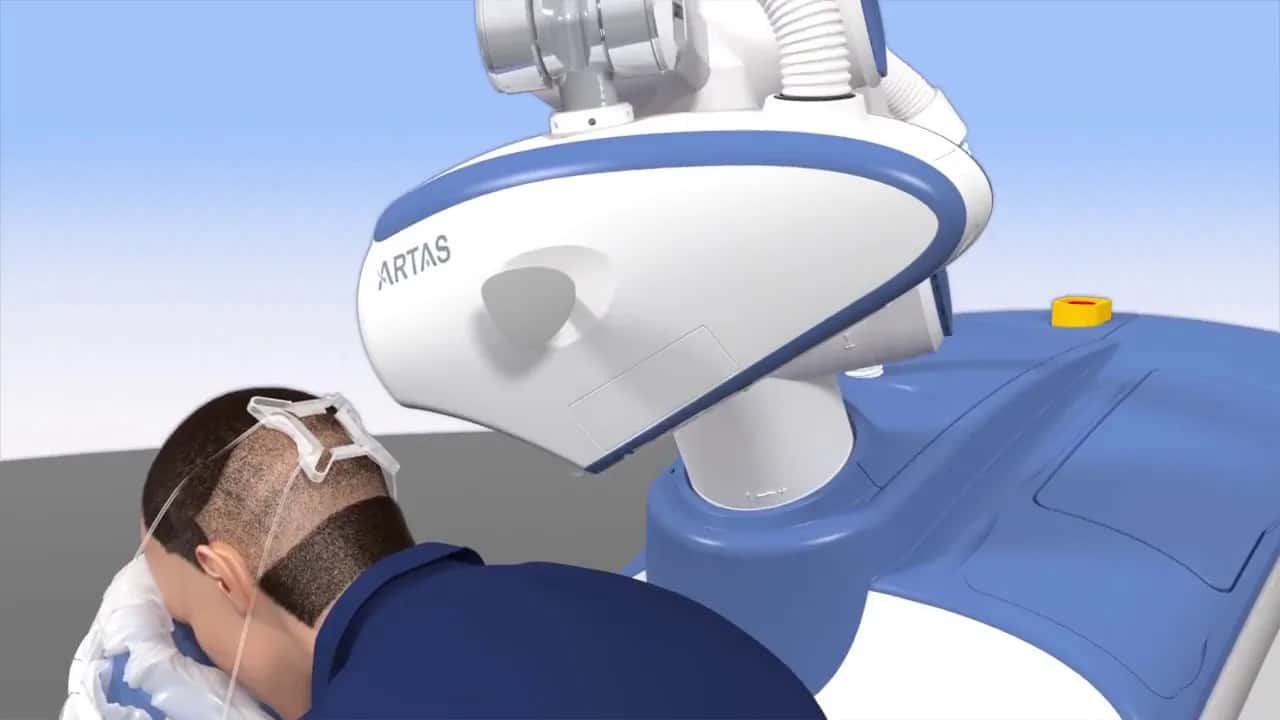
This guide explains what ARTAS hair transplant technology is, how the robotic system works, and which stages of FUE hair transplantation it can assist.

This guide compares hair transplant costs in Europe in 2026, including FUE, DHI, graft-based pricing, package inclusions, country differences, and travel expenses.
Subscribe to the Medifinder newsletter and never miss our latest content.