










Curly Hair Transplant: How It Works, Techniques and Results
This guide explains how curly hair transplantation works, why curved follicles require special handling, and how curl pattern influences extraction, placement, density, and final appearance.

- Last updated
- 7 reads
- 8 min read
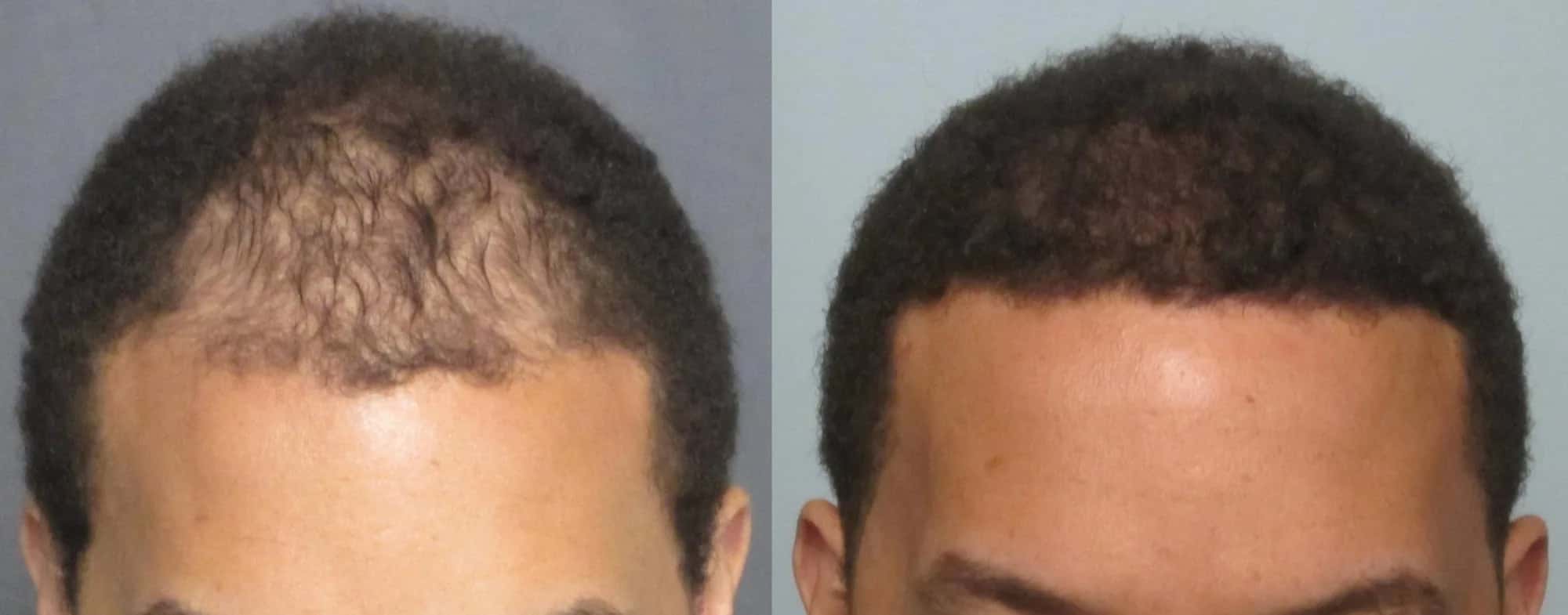


What Is a Curly Hair Transplant?
A curly hair transplant is a hair restoration procedure that moves naturally curly follicular units from a donor area into thinning or bald areas.
The basic transplantation principle is the same as with straight hair, but curly follicles often have a more complex shape beneath the skin. This curvature can make graft harvesting more technically demanding.
Follicular units must be removed without cutting or damaging their deeper structures.
Once harvested, the grafts are placed according to the planned direction, angle, and distribution.
The visible curl remains an important characteristic because it can provide substantial coverage after the transplanted follicles begin producing hair.
Can Curly Hair Be Transplanted?
Curly hair can be successfully transplanted when the follicular structure is carefully considered during graft harvesting and implantation.
Hair transplantation relocates follicular units from a stable donor region to areas affected by hair loss. Curly hair follows the same biological transplantation principle as straight hair.
The main difference lies beneath the skin.
A visible curl above the scalp may correspond with a curved follicular path below the surface. This makes accurate extraction especially important.
Modern extraction instruments and techniques can accommodate different levels of curvature.
Curly hair also offers an aesthetic advantage because individual hairs may cover a larger visible area after growth develops.
Why Is Curly Hair Transplant More Challenging?
Curly hair transplantation can be more challenging because the follicle may bend beneath the scalp, making its exact path harder to predict during extraction.
Standard FUE punches advance into the skin around a follicular unit. If the tool follows only the visible hair direction, a curved follicle can move outside the punch path.
This increases the possibility of transection, which means cutting part of the follicle during harvesting.
The challenge becomes greater with tightly curled or Afro-textured hair.
For this reason, punch design, insertion depth, movement pattern, and follicle assessment become especially important.
The objective is to release each graft while preserving its complete structure.
How Is a Curly Hair Transplant Performed?
A curly hair transplant is performed by harvesting intact follicular units from the donor area and placing them into planned recipient sites.
The procedure begins by assessing donor density, curl pattern, hair caliber, and the areas requiring additional coverage.
During FUE, individual follicular units are surrounded with a small punch and carefully released from the scalp.
Curved follicles require greater attention to the subsurface direction during this stage.
After extraction, the grafts are inspected and prepared for implantation.
Recipient sites are then created according to the planned hair direction and density.
The grafts are positioned into these sites while protecting the natural orientation required for a balanced result.
Can FUE Be Used for Curly Hair?
FUE can be used for curly hair, although tightly curved follicles may require specialized extraction techniques to reduce follicular damage.
FUE removes individual follicular units with small punches rather than taking a strip of donor scalp.
The method can work effectively with curly hair when the punch follows the follicular structure beneath the skin.
Conventional rotary punches can create higher transection rates in some tightly curled hair because the hidden follicle may curve away from the instrument.
Alternative punch designs and controlled movements have been developed to address this challenge.
Therefore, curliness does not exclude FUE, but it changes how the extraction stage must be approached.
Why Does Follicle Curvature Matter During FUE?
Follicle curvature matters during FUE because the visible direction of curly hair may not accurately reveal the entire path of the follicle beneath the scalp.
The punch initially follows the hair as it enters the skin. A deeply curved follicle can then bend away from that line.
If the punch continues too deeply along a straight path, it may cut the follicle at the point where the root curves.
This type of damage can reduce graft quality and make the follicular unit unsuitable for transplantation.
Controlling punch depth and movement is therefore essential.
Curved follicle anatomy makes graft harvesting a three-dimensional process rather than a simple extension of the visible hair angle.
How Are Curly Hair Grafts Extracted Safely?
Curly hair grafts are extracted by adapting punch movement, depth, and design to the curved path of each follicular unit.
Several technical factors help protect the follicle during harvesting:
-
Limited punch depth can reduce contact with deeper curved sections of the follicle.
-
Appropriate punch diameter can provide more room around curved follicular units.
-
Oscillating movements may reduce excessive rotational force around curved follicles.
-
Specialized punch designs can help separate surrounding tissue without cutting deeply into the graft.
-
Careful inspection allows damaged grafts to be identified before implantation.
Modern extraction research focuses heavily on minimizing transection and other forms of follicular injury.
Preserving an intact follicular unit remains the primary objective.
Does Curly Hair Provide Better Visual Density?
Curly hair can create greater visual coverage because each curved hair occupies more visible space than a similarly sized straight hair.
This characteristic can make transplanted areas appear fuller without changing the actual number of follicular units.
Hair thickness, curl diameter, color contrast, and the number of hairs within each follicular unit also influence the final appearance.
A strong curl pattern can overlap neighboring hairs and reduce the amount of visible scalp.
This does not mean fewer grafts are automatically sufficient for every curly hair transplant.
Donor density and the size of the recipient area still determine graft requirements.
However, curl can contribute significantly to the impression of density once mature growth develops.
How Are Curly Hair Grafts Placed?
Curly hair grafts are placed according to the planned angle, direction, spacing, and natural growth pattern of the recipient area.
Successful placement involves more than filling empty spaces with follicles.
The orientation of each graft influences how neighboring curls interact after the hair grows.
In the frontal area, lower angles can help create a natural transition from the scalp.
The curl pattern must also be considered because incorrectly oriented grafts may produce inconsistent or difficult growth directions.
Spacing is planned to provide coverage while protecting circulation within the recipient tissue.
Curly hair can create substantial visual volume, so careful distribution helps use that characteristic effectively without producing an unnecessarily crowded appearance.
Does Transplanted Curly Hair Stay Curly?
Transplanted curly hair generally keeps its natural curl characteristics because transplantation relocates the follicle rather than changing its basic biological structure.
The follicle determines important characteristics of the hair it produces, including aspects of shape and curvature.
A curved follicle transferred from the donor area therefore continues producing hair with similar structural characteristics after successful growth.
The appearance may temporarily seem different during early regrowth.
New hairs can initially emerge thinner, shorter, or less defined before becoming more mature.
As the growth cycle progresses, the transplanted hair increasingly reflects its original characteristics.
Hair transplantation changes the follicle's location, but it does not intentionally convert curly follicles into straight ones.
Is Afro-Textured Hair Suitable for Hair Transplantation?
Afro-textured hair can be suitable for transplantation, but tightly curved follicles require careful extraction because their shape beneath the skin can increase technical difficulty.
The visible hair shaft may form tight curls while the follicle itself follows a curved or angled path under the scalp.
Research on tightly curled hair has shown that conventional rotary FUE tools can produce higher transection rates when they do not accommodate this anatomy.
Specialized extraction approaches can improve the ability to release these grafts intact.
Afro-textured hair can also provide strong visual coverage because curl and hair caliber contribute to apparent density.
The follicular anatomy should therefore guide the harvesting strategy.
What Are the Risks of Curly Hair Transplantation?
Curly hair transplantation carries standard hair transplant risks while adding a greater possibility of graft injury when deeply curved follicles are difficult to follow.
The most relevant technical concern is transection during extraction.
Other possible concerns include temporary swelling, discomfort, folliculitis, bleeding, visible donor changes, temporary shedding, and uneven growth.
Excessive harvesting can also reduce donor density if follicular units are removed too closely together.
For curly hair, preventing unnecessary follicular damage is particularly important because extraction can be less predictable.
Careful graft handling also matters after removal.
The objective throughout the procedure is to preserve viable follicles while distributing extraction and implantation points evenly.
How Many Grafts Are Needed for Curly Hair?
The number of grafts needed for curly hair depends on the size of the thinning area, donor density, hair caliber, curl pattern, and desired coverage.
There is no fixed graft number based only on whether hair is curly.
A small frontal area requires fewer follicular units than extensive hair loss involving the frontal, mid-scalp, and crown regions.
Curly hair can provide strong visual coverage because curved strands overlap and occupy more visible space.
However, this advantage should not replace appropriate density planning.
The number of hairs within each follicular unit also matters.
A treatment plan therefore considers both the available graft supply and the visual coverage each transplanted follicular unit can create.
How Long Does Curly Hair Transplant Recovery Take?
Early recovery after a curly hair transplant generally follows the same biological healing stages seen with other modern hair transplantation procedures.
Small donor extraction sites begin healing soon after surgery, while the recipient area commonly develops temporary redness and small crusts.
Swelling and tenderness can also occur during the early postoperative period.
The scalp gradually becomes more comfortable as these temporary changes resolve.
Curly hair does not require a completely different wound-healing process.
The main technical difference occurs during graft extraction rather than basic skin recovery.
Hair care must remain gentle while the recipient sites stabilize.
Once the early healing phase finishes, attention gradually shifts from protecting grafts to waiting for the normal hair growth cycle.
When Does Curly Transplanted Hair Start Growing?
Curly transplanted hair begins new visible growth after the follicles pass through the normal postoperative shedding and resting stages.
The transplanted hair shafts commonly shed after surgery while the follicles remain beneath the skin.
This temporary shedding does not mean the grafts have disappeared.
New growth develops gradually rather than appearing immediately across the entire recipient area.
Early hairs may initially look thin and short.
They typically become stronger as successive growth cycles continue.
Curly characteristics may also become more noticeable as the hair gains length.
Because follicles do not all enter active growth simultaneously, density develops progressively.
The final appearance therefore becomes clearer only after the transplanted hairs have undergone substantial maturation.
Are Curly Hair Transplant Results Permanent?
Curly hair transplant results are intended to be long lasting because transplanted follicles retain the biological characteristics of the donor area.
Hair transplantation moves existing follicles rather than creating new ones.
When stable donor follicles successfully establish themselves in the recipient area, they can continue producing hair through normal growth cycles.
The transplanted hair keeps characteristics associated with its original follicles, including its natural curl pattern.
However, transplantation does not stop future loss of non-transplanted hair.
The appearance of the surrounding scalp can therefore continue changing over time.
Long-term results depend on preserving suitable donor resources and creating a distribution that remains balanced as natural hair loss progresses.
- Last updated
- Language
- English
How did you find this article?
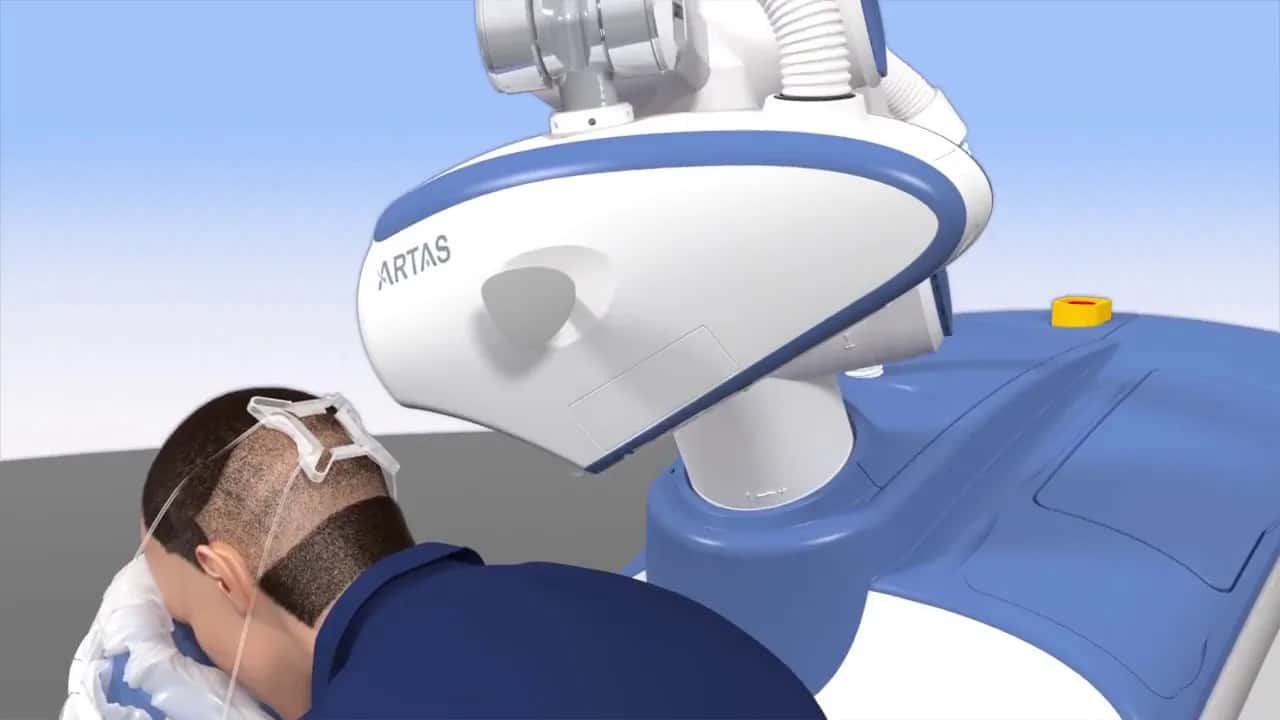
This guide explains what ARTAS hair transplant technology is, how the robotic system works, and which stages of FUE hair transplantation it can assist.
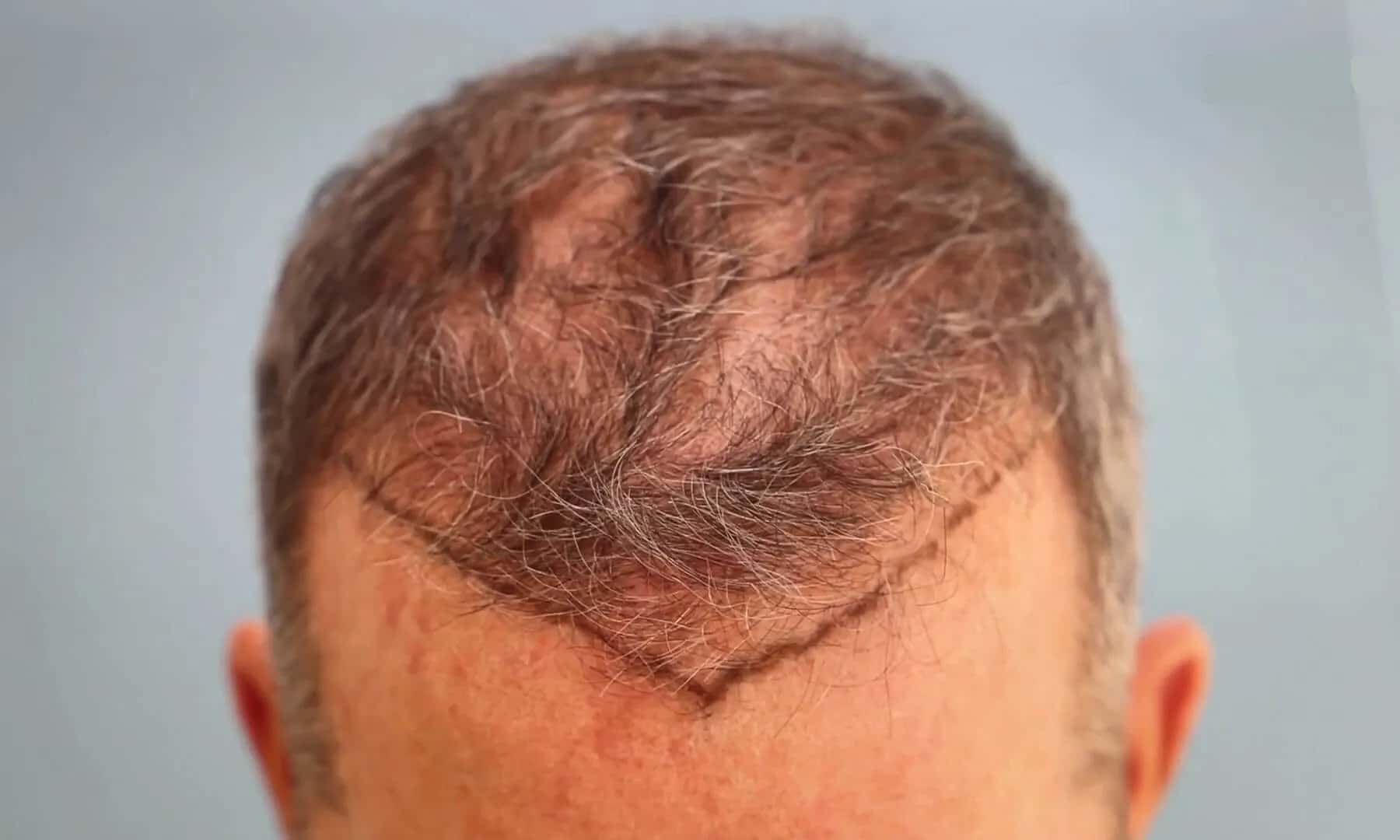
This guide explains second hair transplantation after 5–10 years, including donor reserves, progressive hair loss, graft planning, existing transplants, medications, recovery, and long-term results.
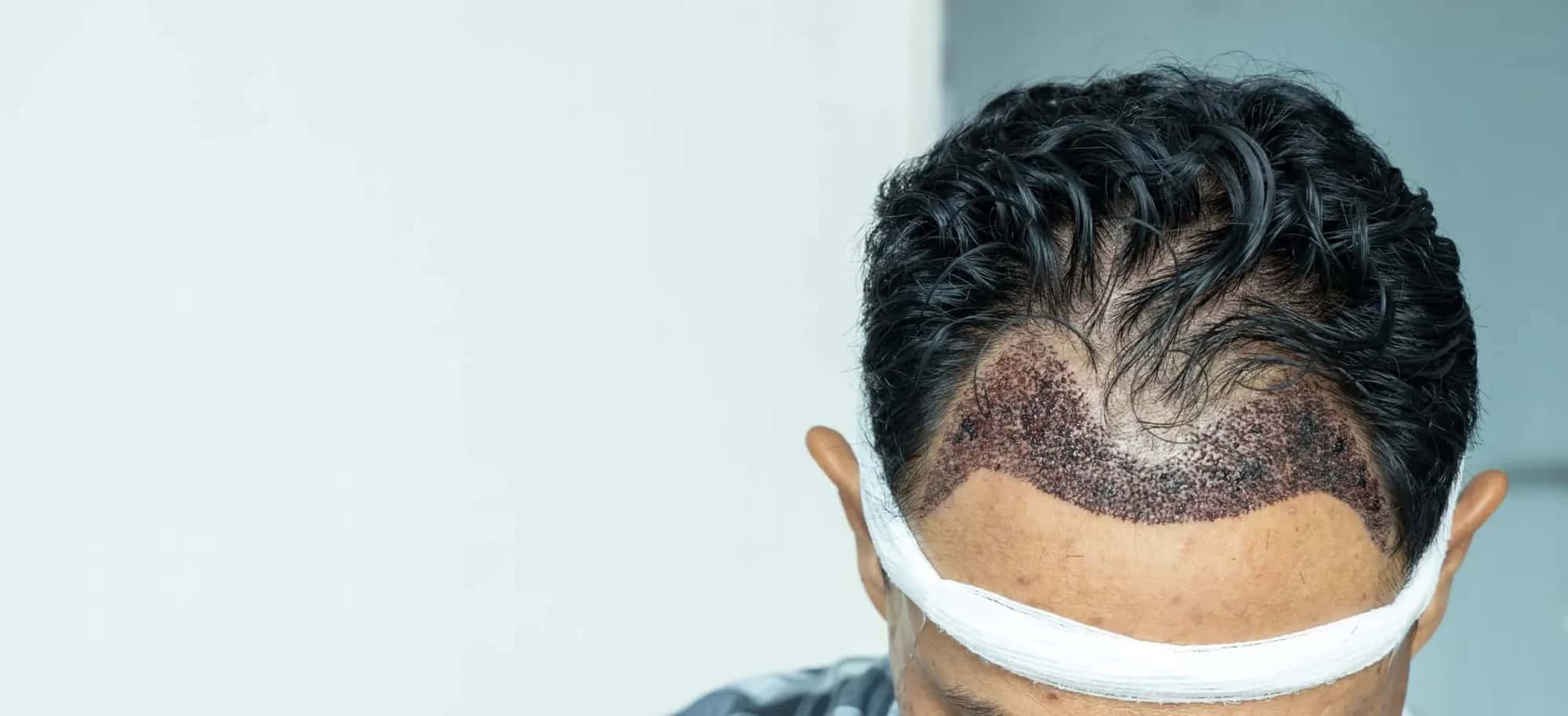
This guide compares hair transplant costs in Europe in 2026, including FUE, DHI, graft-based pricing, package inclusions, country differences, and travel expenses.
Subscribe to the Medifinder newsletter and never miss our latest content.