










What Is a Tooth Diamond? How Much Does It Cost?
Learn what a tooth diamond is, how it is applied, how much tooth gems usually cost, what affects the price, how long they last and whether they are safe.

- Last updated
- 144 reads
- 11 min read
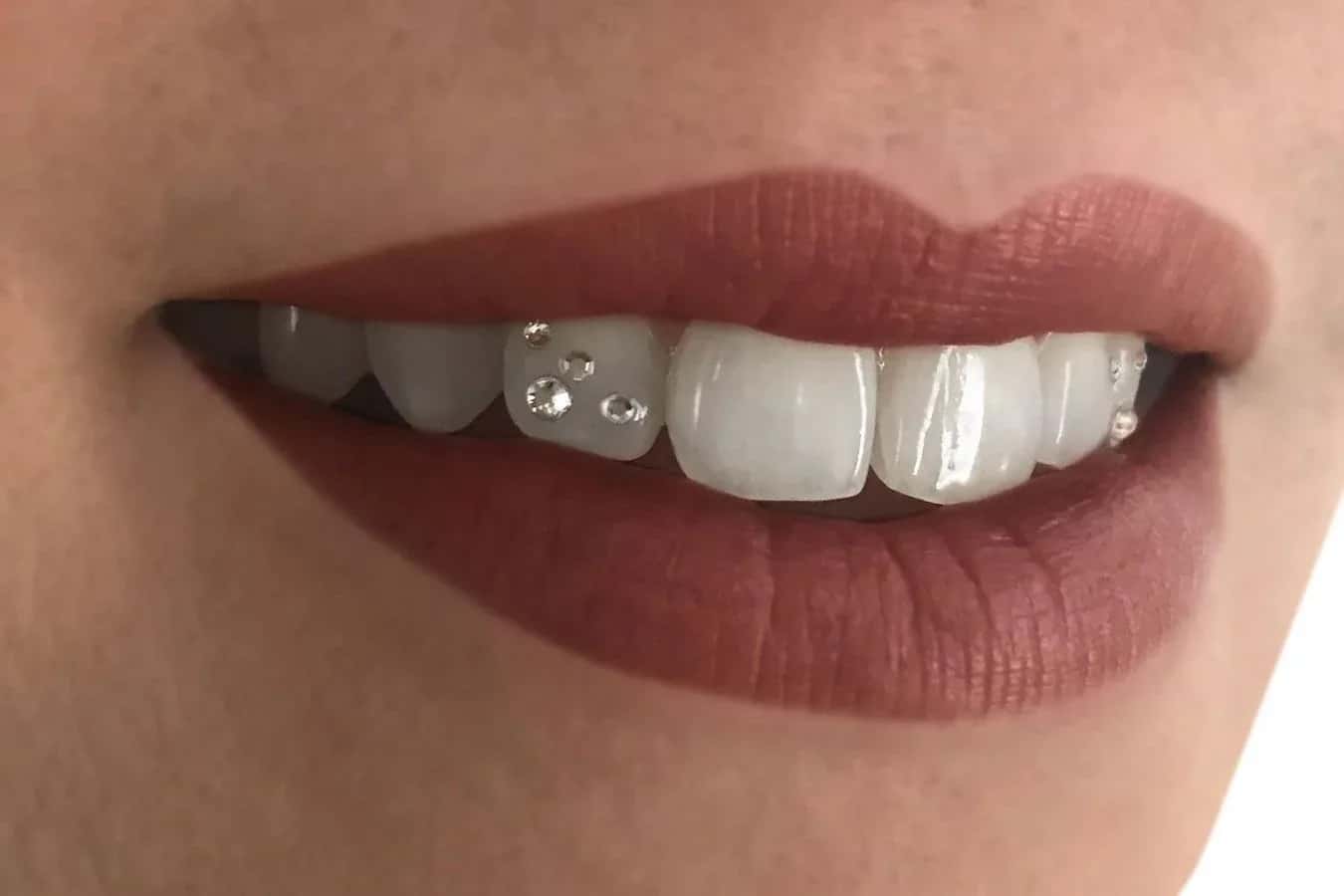


A tooth diamond is a small decorative stone attached to the visible surface of a tooth. It is usually placed on one of the upper front teeth, where it catches the light when you smile. Although the term “tooth diamond” is widely used, not every tooth accessory contains a real diamond. Many are made from crystal, cubic zirconia, gold or other decorative materials.
The treatment is popular because it can add a noticeable detail to your smile without requiring major dental work. In a standard professional application, the tooth is not drilled or permanently reshaped. Instead, the accessory is bonded to the enamel using materials similar to those used in certain cosmetic dental procedures.
The price of a tooth diamond depends on the material, design, clinic, country and whether the fee includes application. A basic crystal tooth gem may cost considerably less than a certified natural diamond or a custom-made gold charm. For this reason, it is important to understand what you are actually paying for before choosing a product.
What Is a Tooth Diamond?
A tooth diamond is a very small dental accessory placed on the outer surface of a natural tooth. It may appear as a single round stone, a small gold shape or part of a larger decorative pattern.
Common tooth gem styles include:
- Clear crystals
- Coloured crystals
- Cubic zirconia stones
- Natural diamonds
- Laboratory-grown diamonds
- Gold stars, hearts or letters
- Small custom-made charms
- Multi-stone arrangements
A single small crystal creates a subtle sparkle, while a larger gem or group of accessories creates a more noticeable effect. Your choice should depend not only on appearance but also on tooth size, lip movement and how easily the surrounding area can be cleaned.
A tooth diamond should sit securely without feeling excessively raised. If the accessory is too thick or positioned incorrectly, it may rub against your lip or make oral hygiene more difficult.
Are Tooth Diamonds Made from Real Diamonds?
Some tooth diamonds are genuine diamonds, but many products sold under this name are decorative crystals or cubic zirconia. These alternatives can look very bright because of their cut and reflective surface, even though they are much less expensive than natural diamonds.
If you want a real diamond, you should ask whether it is natural or laboratory-grown. You should also request information about its size, cut and certification. A very small diamond used on a tooth may not always come with the same detailed grading documents offered for larger jewellery stones, so the seller’s transparency matters.
You should not assume that a high price automatically means the product is a genuine diamond. Ask exactly what material will be attached to your tooth and whether the application fee is included.
The back surface of the gem is also important. A standard stone designed for a ring or earring may not have the correct shape for dental bonding. Tooth gems are usually prepared with a flat or specially textured back to improve attachment.
How Is a Tooth Diamond Applied?
Professional tooth gem application usually begins with an oral examination. The dentist checks whether the selected tooth has decay, cracks, enamel damage or gum inflammation. If the tooth is not healthy, treatment should be completed before a decorative accessory is added.
The tooth surface is then cleaned and isolated from saliva. Keeping the area dry is essential because moisture can weaken the bond.
A conditioning material may be placed on a small part of the enamel, followed by dental adhesive and a tooth-coloured bonding material. The gem is positioned carefully and the material is hardened with a special curing light.
Excess bonding material is removed so that the surface feels smooth and plaque is less likely to collect around the edges. The dentist then checks whether the accessory touches the opposing teeth when you bite.
The appointment can often be completed quickly, although custom designs and multiple stones may require additional planning.
Does Tooth Diamond Application Damage the Enamel?
When a small gem is placed correctly on healthy enamel using suitable dental materials, the intention is to preserve the natural tooth structure. Standard application generally does not require drilling a hole into the tooth.
However, this does not mean every tooth gem procedure is risk-free. Enamel can be damaged when inappropriate glue is used, the gem is removed incorrectly or the tooth surface is aggressively filed.
The area around the gem may also trap plaque if you do not clean it properly. Over time, this can contribute to staining, gum irritation or decay near the accessory.
Professional removal is just as important as professional placement. After the stone is detached, remaining bonding material should be carefully removed and the enamel polished. Pulling the gem off at home can chip the surface or leave a rough layer behind.
How Much Does a Tooth Diamond Cost?
Tooth diamond prices vary significantly. Without a specific country or clinic, only broad estimates can be given. The following figures are general pricing bands rather than fixed quotes:
A basic crystal tooth gem may cost approximately $50 to $150, including a simple professional application in some clinics.
Premium crystals or high-quality cubic zirconia designs may range from around $100 to $250.
Small gold charms may cost approximately $150 to $500 or more, depending on the purity of the gold, design and whether the piece is custom-made.
A genuine diamond tooth gem may begin at around $300 and can exceed $1,000 or $1,500, particularly when the stone is larger, certified or included in a custom setting.
Complex multi-gem designs can cost much more because they require additional materials and placement time.
These amounts are only illustrative. Prices differ according to local costs, the practitioner’s experience and the type of product used. A clinic should provide a clear quote after confirming the design and examining your tooth.
What Affects the Price of a Tooth Gem?
The material is one of the main price factors. A simple crystal is inexpensive compared with natural diamond, platinum or high-purity gold.
Size also matters. Larger stones usually cost more, but size affects more than the price. A large gem may feel bulky or make cleaning more difficult, especially on a small front tooth.
Custom designs increase the cost because the accessory may need to be manufactured specifically for you. Initials, symbols and unusual shapes often cost more than standard round crystals.
The number of accessories also changes the total fee. A single stone is usually the most affordable option. A line of crystals or a multi-tooth design requires more materials and a longer appointment.
The practitioner’s experience may influence the price as well. A lower fee is not necessarily better when it involves an unidentified product, non-dental glue or an inexperienced provider.
You should also ask whether the quoted price includes:
- The oral examination
- Professional tooth cleaning
- The gem itself
- Application materials
- Placement
- A follow-up check
- Future removal
A low advertised price may cover only the accessory, with the application charged separately.
How Long Does a Tooth Diamond Last?
The lifespan of a tooth gem varies. Some remain attached for several months, while others stay in place for a year or longer. The bonding method, size of the accessory, tooth location and daily habits all affect durability.
A gem on a front tooth that does not contact the opposing teeth may remain secure longer than one placed near a heavy bite point. Grinding your teeth, biting hard objects and frequently touching the gem can shorten its lifespan.
The accessory may also come loose when you eat hard foods. You should avoid using the treated tooth to crack nuts, bite ice or open packaging.
Even when the gem remains attached, the surrounding bonding material should be checked periodically. A rough or discoloured edge can trap plaque and may need professional cleaning or replacement.
Can You Apply a Tooth Diamond at Home?
Home tooth gem kits are easy to find, but applying a tooth accessory yourself carries avoidable risks. A safe procedure involves more than placing a small stone on the tooth.
The enamel must be examined first. A dark area or small crack may indicate a problem that should be treated rather than covered. You also need appropriate isolation, dental-grade materials and accurate control over the amount of bonding agent.
Household adhesives, nail glue and fast-setting industrial products must never be used inside the mouth. These materials are not designed for contact with teeth, gums or saliva. They may irritate oral tissues and make professional removal difficult.
An accessory that is not bonded securely may detach while you are eating or sleeping. Small gems may be swallowed, while larger pieces could create a choking risk.
Professional application offers better control over placement, bonding and removal.
Are Tooth Diamonds Safe?
Tooth diamonds can be worn with relatively few problems when the tooth is healthy, the product is suitable and the application is performed correctly. Your oral hygiene habits remain a major part of safety.
The gem creates new edges on the tooth surface. Plaque and food particles can collect around these edges if brushing is incomplete. You should clean carefully around the entire accessory without using excessive force.
The following problems may occur when placement or maintenance is poor:
- Plaque accumulation
- Gum irritation
- Bad breath
- Surface staining
- Enamel damage during removal
- Tooth decay around the bonded area
- Lip irritation
- Detachment and accidental swallowing
The gem should not be positioned too close to the gum line. This can make cleaning difficult and may repeatedly irritate the gum.
Who Should Avoid Tooth Gems?
A tooth gem should not be placed over active decay, a crack or a weakened area of enamel. Existing dental problems should be treated first.
You may also need to postpone the procedure if you have significant gum inflammation, heavy plaque or untreated tartar. A professional cleaning may be recommended before application.
Teeth with large fillings, crowns or veneers require separate assessment. Bonding a gem to a restoration is different from bonding it to natural enamel, and the result may be less predictable.
People who grind or clench their teeth may have a higher risk of loosening the accessory. If you wear a night guard, the dentist should check whether the gem will interfere with it.
Children and teenagers should be assessed carefully. Tooth development, oral hygiene and consent need to be considered before a cosmetic accessory is applied.
How Should You Care for a Tooth Diamond?
You should continue brushing twice daily with a soft toothbrush. Clean the edges of the gem gently using small movements so that plaque does not remain around it.
Continue cleaning between your teeth with floss or interdental brushes. The presence of a gem on the front surface does not reduce the need for complete oral hygiene.
Avoid picking at the stone with your fingernails or constantly pushing it with your tongue. This can weaken the bond and irritate the surrounding tissue.
Very hard and sticky foods may place extra force on the accessory. You do not necessarily need a completely different diet, but you should avoid biting hard items directly with the treated tooth.
Attend regular dental check-ups so that the gem, bonding material and tooth surface can be examined.
Can a Tooth Diamond Be Removed?
Yes. Professionally bonded tooth gems can usually be removed by a dentist. The accessory is separated carefully, and the remaining bonding material is polished away.
You should not pull, scrape or twist the gem at home. Even when the stone appears loose, attempting to remove it with metal tools can scratch or chip the enamel.
After professional removal, the tooth may feel slightly different until all bonding material has been polished away. The dentist should check the surface for staining, decay or roughness.
If the gem falls off by itself, arrange an examination when the tooth feels rough or sensitive. Bonding material may still be attached.
Is a Tooth Diamond the Same as a Dental Grill?
A tooth diamond is bonded to one area of a tooth, while a dental grill is a removable or fixed decorative cover worn over several teeth.
Grills may be made from gold, silver or other metals and can have a much greater effect on speech, cleaning and bite. They should also be designed with professional dental input.
A tooth gem is generally smaller and less noticeable. It does not cover the full tooth surface, but it still requires proper hygiene and monitoring.
Is a Tooth Diamond Worth the Price?
Whether a tooth diamond is worth the price depends on your expectations, budget and preference for cosmetic dental accessories.
A basic crystal may offer the visual effect you want without the cost of a real diamond. A genuine diamond can provide material value and exclusivity, but it may not look dramatically different from a high-quality crystal at such a small size.
You should prioritise professional placement over an expensive stone. A low-cost crystal applied correctly is safer than a luxury gem attached with unsuitable material.
Before paying, ask for a full explanation of the product, application method and removal policy. You should know whether the accessory is reusable if it comes loose and whether follow-up care is included.
Conclusion
A tooth diamond is a small decorative accessory bonded to the visible surface of a tooth. Despite the name, it may be made from crystal, cubic zirconia, gold, a laboratory-grown diamond or a natural diamond.
Basic tooth gems may cost roughly $50 to $150, while premium crystals and gold charms usually cost more. Genuine diamond designs may range from several hundred dollars to well over $1,000, depending on the stone and application. Exact prices vary by clinic, material, country and design.
The safest option is to have your tooth examined and the gem applied by a dental professional. Home kits, household adhesives and improvised removal methods can damage enamel or irritate the gums.
With suitable placement, careful cleaning and regular dental checks, a tooth diamond can add a small, distinctive sparkle to your smile without major alteration to the tooth.
- Last updated
- Language
- English
How did you find this article?
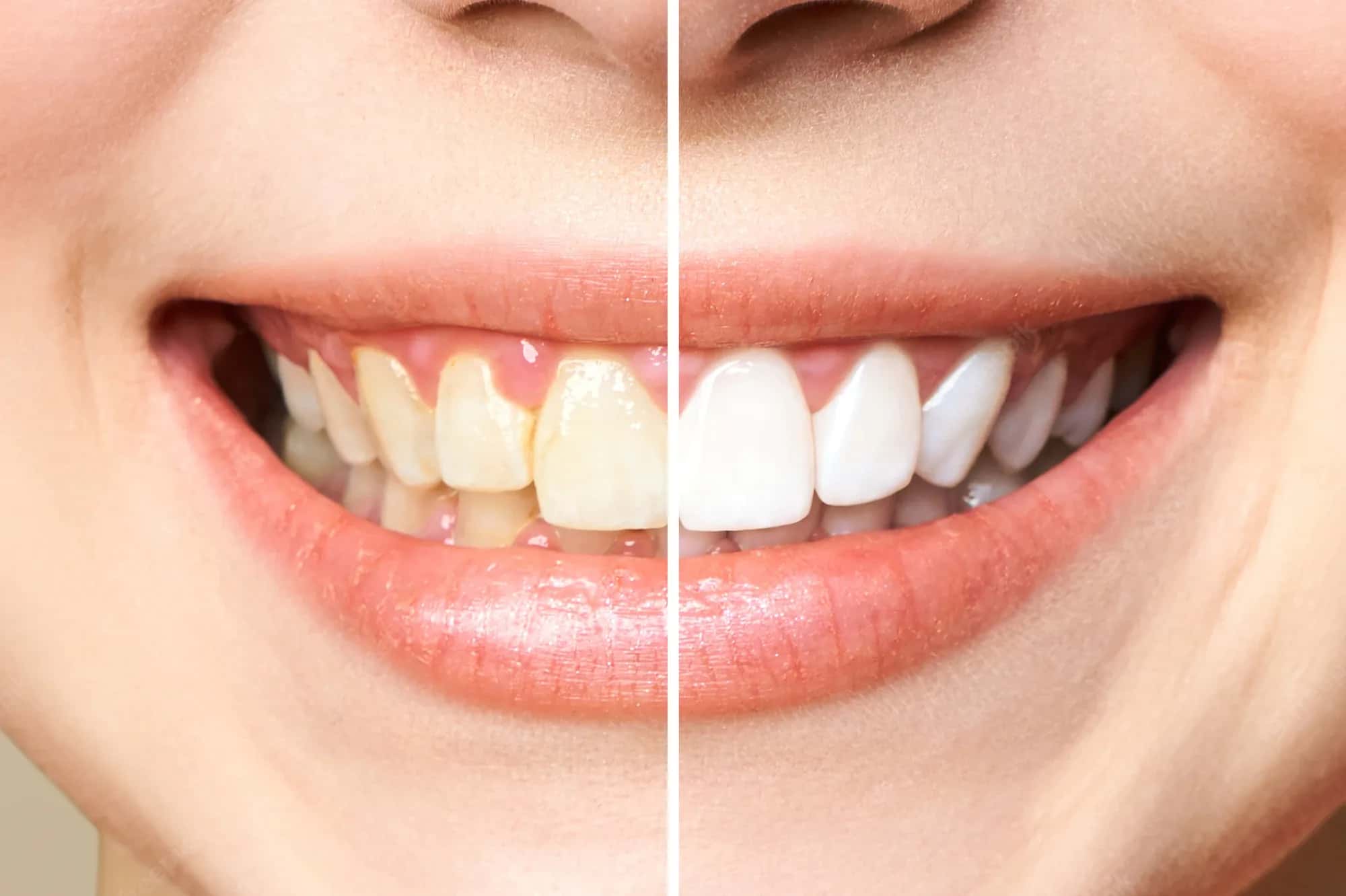
Teeth whitening costs around the world vary substantially, with professional treatment generally costing less in countries such as Turkey, Mexico and India than in the United States or United Kingdom.
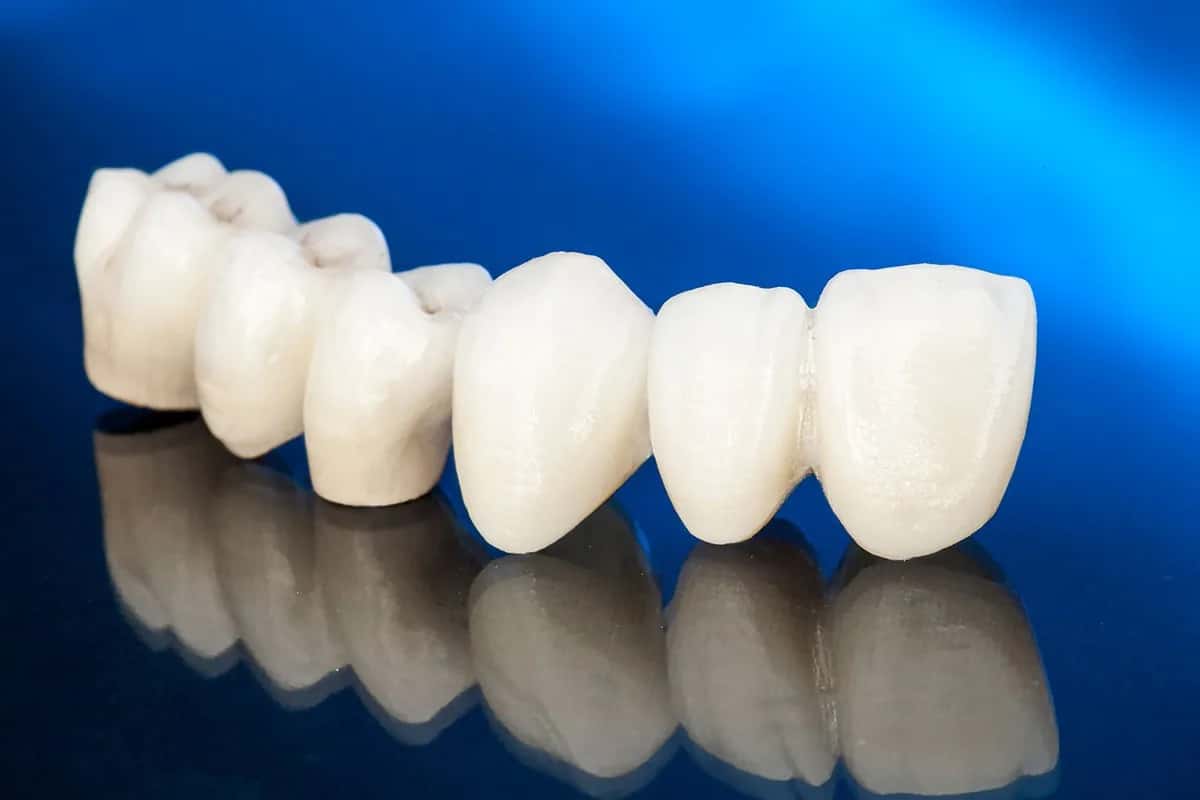
Zirconium crown costs around the world vary significantly, from approximately €180–€400 per tooth in Turkey to $1,000–$2,500 in the United States, based on published 2026 private-treatment prices.
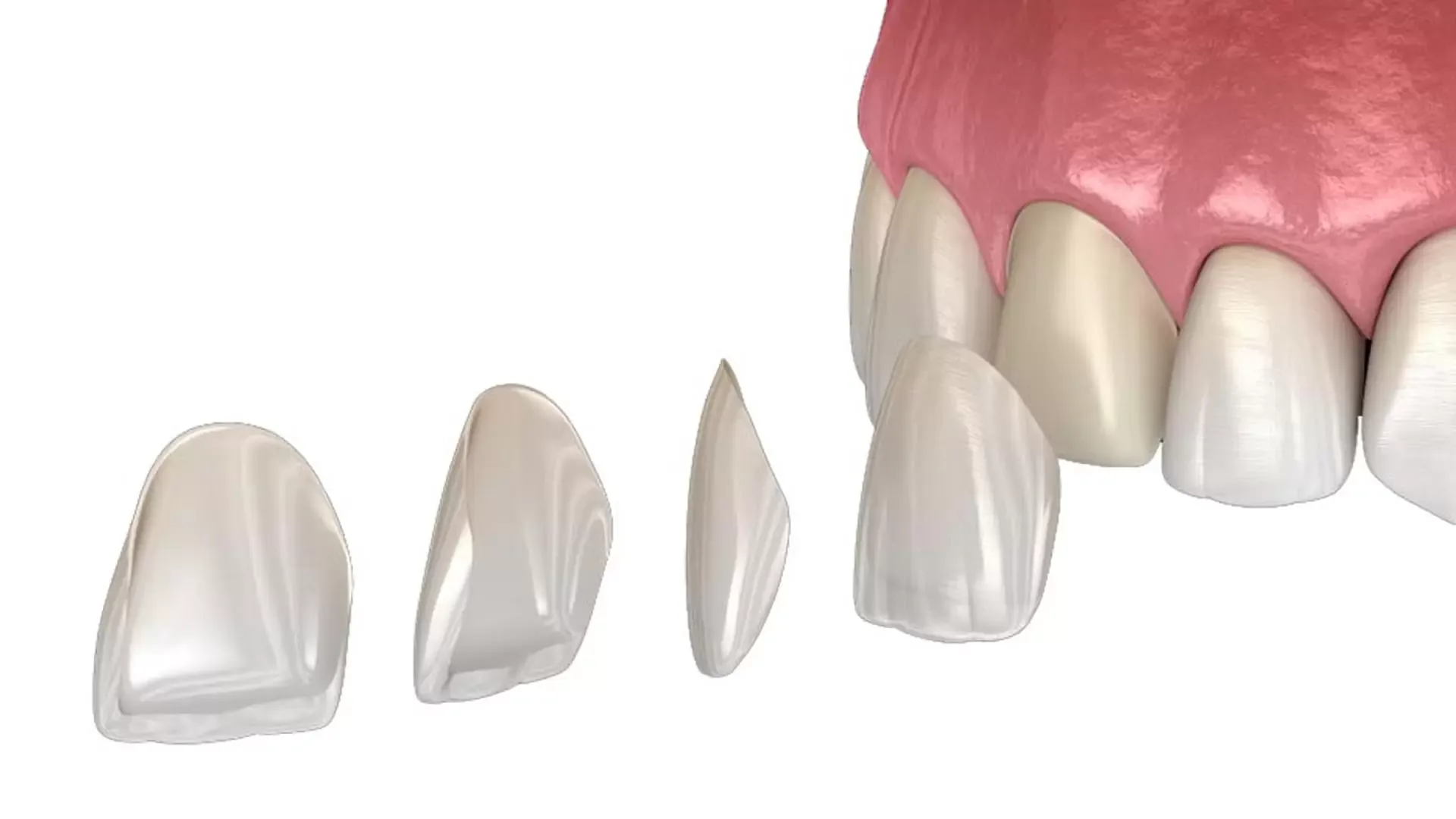
E-Max costs around the world differ significantly, with ceramic veneers and crowns available at lower published prices in countries such as Turkey, Mexico and Hungary than in the United States or United Kingdom.
Subscribe to the Medifinder newsletter and never miss our latest content.