










What Is A Dry Socket After Tooth Extraction?
This comprehensive guide explains the causes, symptoms, prevention, and treatment methods for a dry socket following a tooth extraction procedure.

- Last updated
- 60 reads
- 8 min read


What Is A Dry Socket After Tooth Extraction?
A dry socket is a painful dental condition occurring when a blood clot fails to develop or dislodges from an extraction site. Normally, a blood clot forms to protect the underlying bone and nerve endings in the empty tooth socket. This protective layer is essential for proper healing and tissue regeneration.
When this clot goes missing, the sensitive bone and nerves become exposed to the oral environment. Exposure leads to intense pain that radiates along the jaw and face. Saliva, food particles, and bacteria can easily enter the empty space and cause further irritation. This condition disrupts the natural healing process significantly. Patients require specific dental interventions to soothe the area and promote secondary healing mechanisms.
What Are The Primary Causes Of Dry Socket?
The primary causes of a dry socket involve trauma to the extraction site, bacterial infections, and the physical dislodgment of the protective blood clot. Difficult or complicated tooth removals naturally create more trauma in the surrounding jawbone and gum tissue. This excessive trauma interferes with normal blood clotting mechanisms right from the start. Pre-existing bacterial infections in the mouth can also prevent a proper clot from forming. Physical actions like vigorous rinsing or spitting create negative pressure inside the oral cavity. This pressure easily pulls a newly formed clot out of its delicate position. Poor oral hygiene leaves harmful bacteria near the surgical site, breaking down the clot prematurely. Hormonal changes, particularly high estrogen levels, further disrupt the stabilization of this crucial blood clot.
How Long After An Extraction Does Dry Socket Occur?
A dry socket typically develops within three to five days following a tooth extraction procedure. The initial days after oral surgery are critical for the formation and stabilization of the blood clot. Patients usually experience a gradual decrease in normal post-operative pain during the first two days. However, if the clot fails or dislodges, a sudden and severe onset of pain begins on the third or fourth day. This timeline is a definitive marker distinguishing normal recovery from a complication.
The blood clot is most vulnerable during this specific window of time. Once the first week passes without incident, the risk of developing this painful complication decreases significantly. The socket tissue begins to granulate and heal safely after this period.
What Are The Most Common Symptoms Of This Condition?
The most common symptoms of a dry socket manifest as intense localized pain and visible physical changes in the extraction area.
- Severe throbbing pain that frequently radiates towards the ear, eye, or temple on the same side.
- Partial or total absence of the dark blood clot usually seen at the extraction site.
- Visible white bone tissue directly exposed at the bottom of the empty tooth socket.
- A persistently foul taste in the mouth that does not improve with basic oral hygiene.
- Noticeable bad breath originating from the bacteria accumulating inside the healing area.
- Increased discomfort when cold air or liquids pass over the unprotected nerve endings.
How Does A Dental Professional Diagnose A Dry Socket?
A dental professional diagnoses a dry socket by reviewing the patient symptom history and performing a visual clinical examination of the extraction site.
The diagnostic process begins with a discussion about the timeline and intensity of the pain experienced. The dentist visually inspects the empty socket to check for a missing blood clot. Finding exposed bone instead of dark coagulated blood strongly confirms the presence of this condition. The practitioner also evaluates the area for potential signs of deeper infections or trapped food debris. Sometimes, dental x-rays are taken to rule out other complications like remaining root fragments or bone fractures. This comprehensive evaluation ensures the severe pain is solely caused by the missing clot. Accurate diagnosis dictates the appropriate palliative care required for tissue recovery.
What Treatment Options Are Available For Dry Socket?
Treatment options for a dry socket focus on pain relief through gentle irrigation and the application of medicated dressings inside the wound.
The dentist first flushes the empty socket with saline solution to remove irritating food particles and bacteria. After cleaning the area, a special medicated paste or dressing is carefully packed into the socket. This dressing contains soothing ingredients like eugenol, which instantly numbs the exposed nerve endings. Patients experience significant pain reduction shortly after this specialized dressing is placed. The dressing requires replacement every few days until the pain subsides completely. Dentists may also prescribe oral pain relievers and antibacterial mouthwashes to support the healing phase. These combined therapies effectively manage discomfort while the socket heals naturally from the bottom up.
How Long Does It Take For A Dry Socket To Heal?
A dry socket typically takes between seven to ten days to heal completely once proper treatment is initiated.
The healing process begins as new granulation tissue slowly forms over the exposed bone. Proper medical dressings accelerate comfort, but tissue regeneration requires biological time to complete. Patients notice a gradual decrease in throbbing pain daily as the exposed nerves become covered. Adhering strictly to post-operative care instructions ensures the new tissue remains undisturbed. Any disruption to this fragile new tissue extends the overall recovery timeline significantly. Complete closure of the gum tissue over the extraction site may take several weeks. However, the acute pain phase associated with the exposed bone resolves within that initial ten-day period.
What Pain Management Strategies Work For Dry Socket?
Effective pain management strategies for a dry socket combine professionally applied medicated dressings with over-the-counter nonsteroidal anti-inflammatory drugs.
The medicated packing placed by a dentist remains the most effective method for immediate local pain relief. For systemic relief, ibuprofen or naproxen sodium significantly reduces inflammation around the affected jaw area. Cold compresses applied to the outside of the face during the first forty-eight hours minimize swelling. After two days, switching to warm compresses helps relax tense facial muscles caused by severe pain. Keeping the head elevated while sleeping prevents blood from pooling in the head, reducing throbbing sensations. Gentle warm saltwater rinses soothe the inflamed gums without dislodging any healing tissues.
How Can Patients Prevent Dry Socket From Developing?
Patients prevent a dry socket by avoiding negative pressure in the mouth and maintaining excellent but gentle oral hygiene.
Strictly following all post-operative instructions is the foundation of preventing extraction complications. Patients must completely avoid spitting forcefully or rinsing vigorously during the first few days of recovery. Chewing on the opposite side of the mouth protects the fragile blood clot from mechanical damage. Soft food diets prevent hard or crunchy particles from embedding into the healing surgical site. Maintaining good oral hygiene involves gently brushing teeth while carefully avoiding the immediate extraction area. Resting and avoiding strenuous physical activities keeps blood pressure stable, preventing post-operative bleeding. These careful measures ensure the blood clot remains securely in place during critical early healing.
Can Smoking Increase The Risk Of Dry Socket?
Smoking significantly increases the risk of a dry socket by introducing harmful chemicals and creating negative pressure in the oral cavity.
The physical act of inhaling cigarette smoke creates a strong suction force inside the mouth. This suction easily pulls the newly formed blood clot directly out of the tooth socket. Furthermore, tobacco products contain numerous toxic chemicals that severely decrease blood supply to the healing gums. Reduced blood flow deprives the extraction site of essential oxygen and nutrients required for tissue repair. This restricted circulation makes clot formation much more difficult and fragile from the beginning. Dentists strongly advise suspending all tobacco use for at least seventy-two hours following any dental extraction. Avoiding smoke completely provides the best environment for uncomplicated healing.
Does Using A Straw Cause Dry Socket Complications?
Using a straw creates dangerous negative pressure inside the mouth that frequently causes dry socket complications by dislodging the blood clot.
The mechanics of drinking through a tube require the facial muscles to create a vacuum effect. This powerful suction force acts directly against the delicate blood clot resting in the extraction site. Even a slight vacuum can effortlessly pull the clot away from the bone and nerve endings. Once the clot is removed, the healing process halts immediately, and severe pain ensues. Patients must drink liquids directly from a regular cup or glass to eliminate this mechanical risk entirely. Avoiding straws for a full week post-surgery allows the extraction site to stabilize and begin granulating safely.
Are Wisdom Teeth Extractions More Prone To Dry Socket?
Wisdom teeth extractions are significantly more prone to dry socket formation due to the complex nature and location of the surgery.
These third molars are located in the dense bone of the lower jaw with limited blood supply. Lower jaw extractions generally experience a much higher complication rate compared to upper jaw procedures. Wisdom teeth often require surgical sectioning and bone removal, causing extensive local tissue trauma. This increased surgical trauma makes stabilizing a solid blood clot substantially more difficult. The posterior location also makes keeping the area clean from food debris extremely challenging for patients. The combination of dense bone, high trauma, and difficult hygiene creates an ideal environment for blood clot failure.
When Should A Patient Contact A Dentist Immediately?
A patient should contact a dentist immediately if severe pain develops days after the extraction or if pain medications become ineffective.
Normal extraction discomfort peaks on the second day and steadily improves throughout the week. An abrupt increase in intense, throbbing pain on the third or fourth day signals a clear complication. Any visible signs of bright red bleeding that cannot be controlled with gentle gauze pressure require attention. The sudden onset of a foul odor or an excessively bad taste strongly indicates a disrupted healing process. Developing a high fever or experiencing newly swollen lymph nodes points toward a potential spreading bacterial infection. Prompt professional evaluation prevents further tissue damage and provides rapid relief for the patient.
What Foods Should Be Avoided To Prevent Dry Socket?
Patients should strictly avoid hard, crunchy, sticky, and spicy foods to prevent a dry socket during the initial healing phase.
Foods like nuts, chips, and popcorn break down into sharp fragments during the chewing process. These rigid pieces easily lodge directly into the empty socket, irritating the wound and displacing the clot. Sticky candies or chewy meats create a vacuum effect when chewed, pulling at the fragile healing tissues. Spicy and highly acidic foods severely irritate the raw, exposed gums, causing unnecessary burning sensations. Hot beverages dissolve the forming blood clot before it fully stabilizes within the bony socket structure. Consuming a strictly soft, lukewarm diet ensures the surgical site remains clean, undisturbed, and capable of proper regeneration.
- Last updated
- Language
- English
How did you find this article?
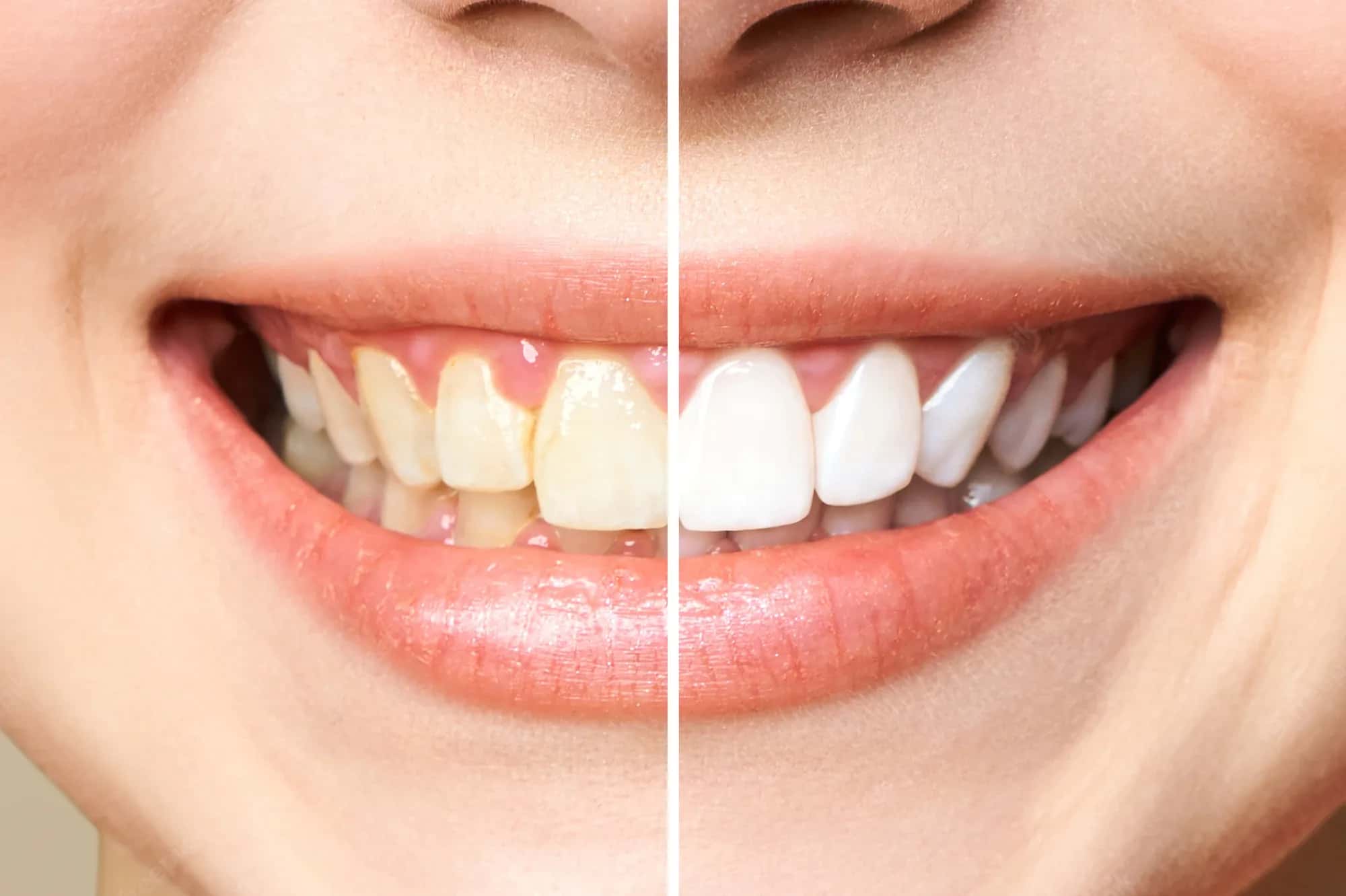
Teeth whitening costs around the world vary substantially, with professional treatment generally costing less in countries such as Turkey, Mexico and India than in the United States or United Kingdom.
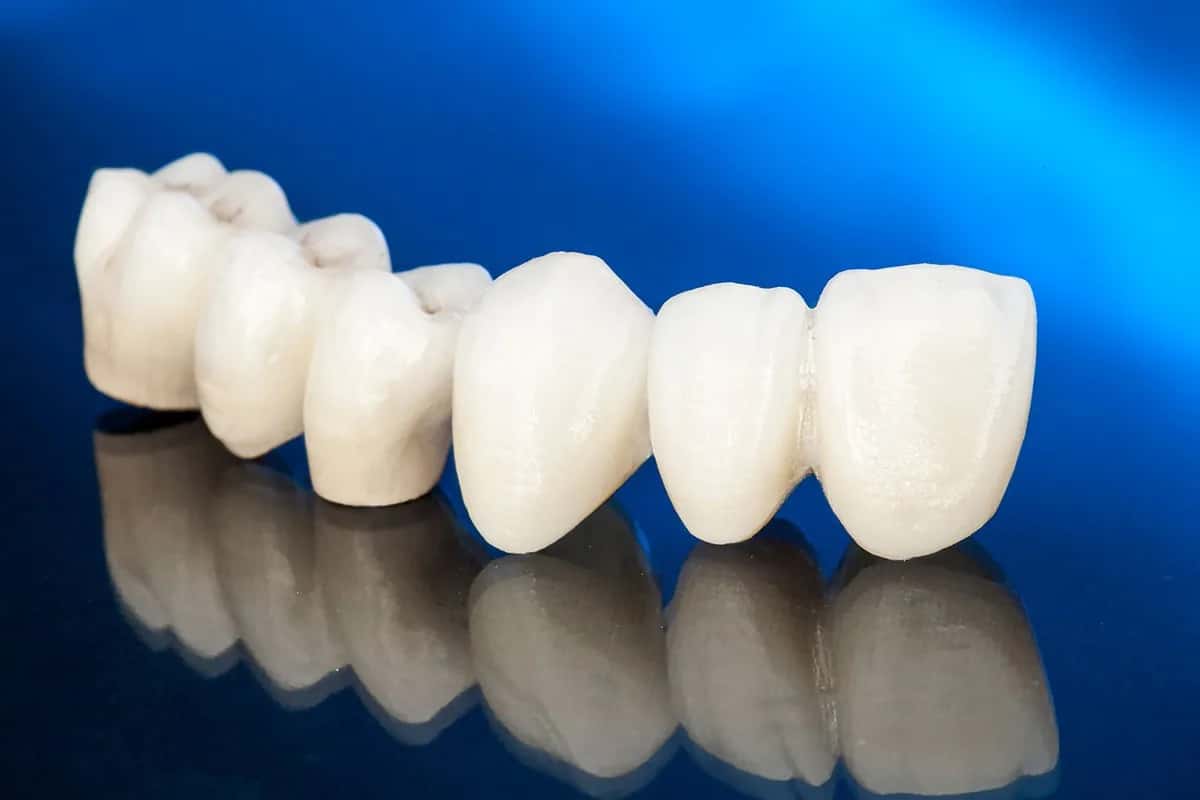
Zirconium crown costs around the world vary significantly, from approximately €180–€400 per tooth in Turkey to $1,000–$2,500 in the United States, based on published 2026 private-treatment prices.
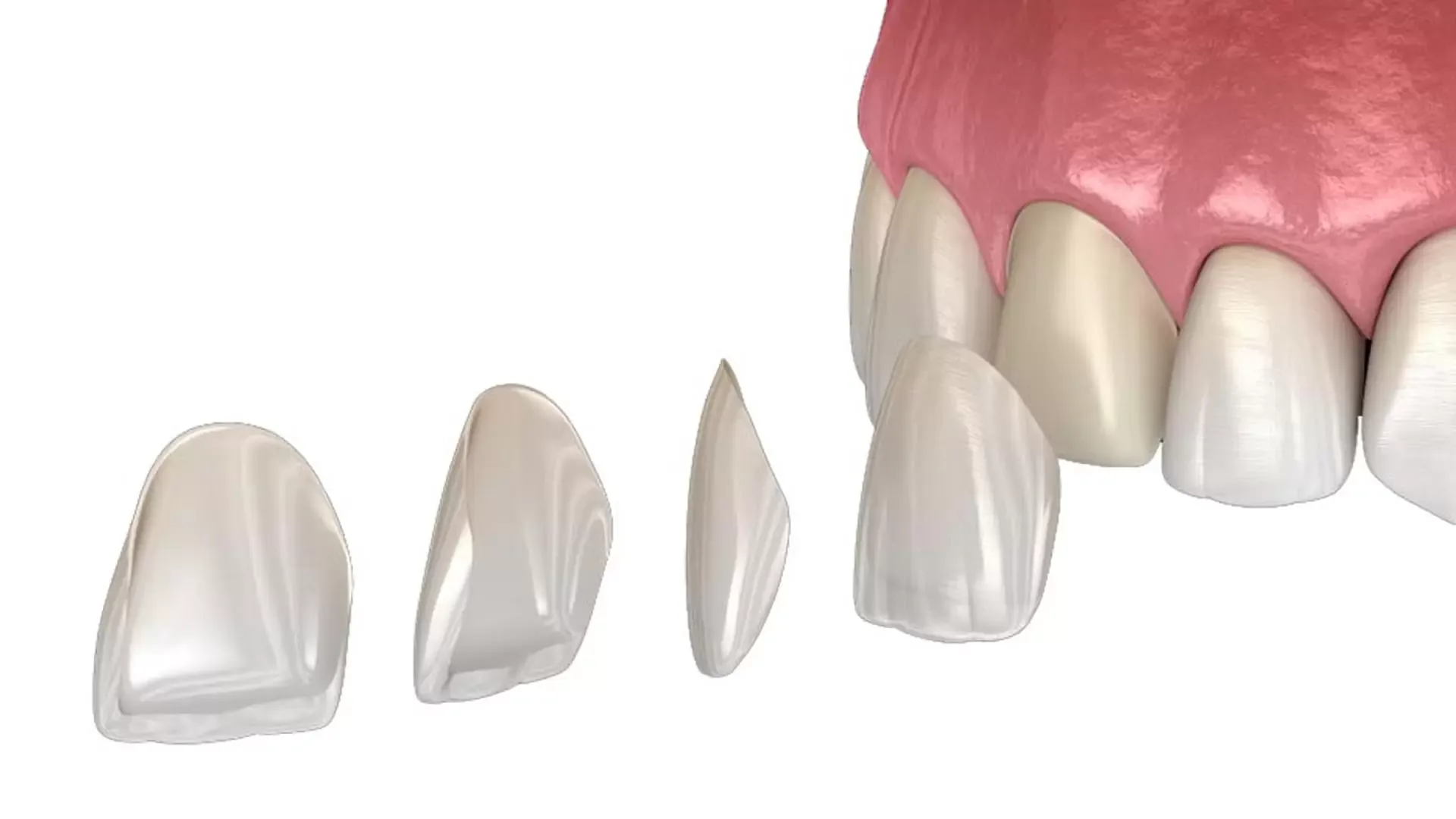
E-Max costs around the world differ significantly, with ceramic veneers and crowns available at lower published prices in countries such as Turkey, Mexico and Hungary than in the United States or United Kingdom.
Subscribe to the Medifinder newsletter and never miss our latest content.