










What Causes Leg Muscle Spasms While Sleeping?
Learn why leg muscle spasms occur during sleep, how to relieve nighttime cramps, which habits may prevent them and when you should consult a doctor.

- Last updated
- 182 reads
- 10 min read


A sudden muscle spasm in your leg can wake you from sleep with intense pain. The muscle may feel hard, tight or visibly contracted, and moving the leg can be difficult for several seconds or minutes. Even after the cramp releases, tenderness may remain until the next morning.
Nighttime leg cramps most often affect the calf, although they can also occur in the foot or thigh. They are common and are not usually dangerous. In many cases, no single cause can be identified. Muscle fatigue, prolonged inactivity, age-related changes, pregnancy and certain medicines may all contribute.
Occasional cramps can often be managed with stretching and simple changes to your daily routine. Repeated spasms, however, may sometimes be associated with circulation problems, nerve irritation or an underlying medical condition. The timing, frequency and accompanying symptoms help determine whether you need an examination.
What Is a Nighttime Leg Cramp?
A nighttime leg cramp is an involuntary and painful contraction of a muscle. It commonly occurs while you are resting in bed or during sleep. The muscle tightens suddenly and does not immediately relax.
Most episodes last from a few seconds to several minutes. The pain may be severe enough to make you sit up or get out of bed. You may be able to feel a firm knot in the affected muscle.
Nighttime cramps are different from the small, painless muscle twitches that can sometimes be seen under the skin. They are also different from restless legs syndrome, which usually causes an uncomfortable urge to move the legs rather than a hard, painful contraction.
After a cramp, the muscle may feel bruised or tired. This residual soreness does not necessarily indicate injury, especially when it improves gradually during the following hours.
Why Do Leg Muscles Cramp During Sleep?
The exact reason is not always clear. Muscles depend on coordinated communication between nerves, minerals, blood flow and muscle fibres. A disturbance in any part of this process may make a muscle contract unexpectedly.
During sleep, the foot may naturally point downward. This shortens the calf muscle. If the muscle is already tired or prone to cramping, the shortened position may trigger a sudden contraction.
Reduced movement during the night may also play a role. When you remain in one position for a long time, certain muscles can become stiff. A small movement, such as stretching your foot, may then provoke a spasm.
Nighttime cramps become more common with age. Changes in muscle mass, nerve function, activity levels and circulation may all contribute. However, younger adults and children can experience them as well.
Muscle Fatigue and Physical Overuse
A demanding day of exercise or physical work can lead to cramps later that night. Long-distance walking, running, climbing stairs or standing for many hours may fatigue the calf and thigh muscles.
The problem is not limited to athletes. Gardening, moving furniture, wearing unsuitable shoes or returning to exercise after a long break may be enough to trigger spasms.
Suddenly increasing the intensity of your workouts can also contribute. Your muscles may not yet be conditioned for the new level of activity.
If cramps regularly follow exercise, consider whether you are progressing too quickly. Gradual increases in duration and intensity are usually easier for your muscles to tolerate. Warm-up, appropriate footwear and recovery time may also help.
Prolonged Sitting or Standing
Both excessive activity and too little movement can contribute to nighttime cramps. Sitting at a desk, travelling for several hours or remaining in one position may cause the calf muscles to stiffen.
Standing all day can create a different type of fatigue. The leg muscles continually work to support your posture, even when you are not consciously exercising.
Try changing position throughout the day. Short walks, ankle movements and gentle calf stretches can reduce prolonged muscle tension. If your work requires extended standing, supportive footwear and brief sitting breaks may improve comfort.
A cramp that occurs only after unusually long periods of sitting or standing may respond well to these simple adjustments.
Dehydration and Fluid Loss
Dehydration is often blamed for every muscle cramp, but the relationship is not always straightforward. Still, losing a significant amount of fluid through heavy sweating, fever, vomiting or diarrhoea can affect normal muscle function.
Cramps may be more likely after exercise in hot weather or when you have not replaced the fluids lost during the day. Thirst, dry mouth, dark urine, dizziness and reduced urination can support the possibility of dehydration.
Drink fluids regularly rather than trying to correct the problem with a very large amount immediately before bed. Excessive evening fluid intake may disturb sleep by increasing the need to urinate.
If you have kidney disease, heart failure or another condition requiring fluid restriction, do not deliberately increase your intake without medical advice.
Are Mineral Deficiencies Responsible?
Low levels of magnesium, potassium or calcium can affect muscle and nerve activity. However, ordinary nighttime leg cramps are not always caused by a mineral deficiency.
Taking supplements without confirming a deficiency may not improve the problem. Excessive mineral intake can also cause side effects or become dangerous, particularly when kidney function is reduced.
A balanced diet usually provides sufficient minerals for most people. Vegetables, fruit, legumes, dairy products, nuts and whole grains contribute to overall intake.
Blood testing may be considered when cramps are frequent, severe or associated with other symptoms. Your doctor may also check mineral levels if you use medicines that affect fluid balance or have a condition that increases the risk of deficiency.
You should not begin high-dose magnesium or potassium supplements simply because you experienced a few cramps.
Pregnancy and Nighttime Leg Cramps
Leg cramps are common during pregnancy, particularly in the second and third trimesters. Changes in circulation, increased body weight, pressure on nerves and greater demands on the muscles may all contribute.
The cramps often affect the calves and occur at night. Gentle stretching, regular movement and suitable footwear may reduce their frequency.
You should mention repeated cramps during prenatal appointments, especially if they are accompanied by swelling, redness or pain in one leg. These symptoms require evaluation because pregnancy also increases the risk of blood clots.
Do not take supplements or herbal products during pregnancy without discussing them with your healthcare professional.
Medicines That May Contribute to Cramps
Some medicines may increase the likelihood of muscle cramps or muscle pain. Diuretics, sometimes called water tablets, can alter fluid and mineral balance. Certain cholesterol-lowering medicines may cause muscle symptoms in some patients.
Other medications can also affect circulation, nerves or muscle function. The exact relationship may be difficult to determine because people taking these medicines may have other conditions that contribute to cramps.
Do not stop a prescription medicine because you suspect it is causing spasms. Sudden discontinuation can be harmful. Instead, note when the symptoms began and discuss the timing with the prescribing clinician.
A medication review can determine whether the dose, timing or treatment choice needs to be reconsidered.
Nerve and Spine Problems
Nerves leaving the lower spine control sensation and movement in the legs. Irritation or compression of these nerves may cause pain, tingling, numbness, weakness or cramp-like sensations.
Lumbar spinal narrowing can produce aching or heaviness in the legs, particularly while standing or walking. A herniated disc may cause pain that travels from the lower back or buttock into one leg.
True nighttime muscle cramps can occur alongside these problems, but they should not be assumed to have a spinal cause without an examination.
Seek medical advice if cramps are accompanied by persistent numbness, foot weakness, loss of balance or pain radiating down the leg.
Circulation Problems
Reduced blood flow to the legs can cause muscle discomfort, although the pattern is often different from ordinary nighttime cramps.
Peripheral artery disease commonly causes aching, tightness or cramping during walking. The symptoms improve after stopping and resting. As circulation becomes more impaired, pain may also occur at rest or during the night.
Cold feet, slow-healing wounds, colour changes and weak pulses may accompany circulation problems. Smoking, diabetes, high cholesterol and cardiovascular disease increase the risk.
A blood clot in a deep leg vein usually causes swelling, warmth and pain in one leg rather than a brief muscle spasm that quickly releases. Sudden one-sided swelling requires prompt medical assessment.
Medical Conditions Associated with Muscle Cramps
Frequent cramps can sometimes occur with diabetes, thyroid disorders, kidney disease, liver disease or neurological conditions. These illnesses may affect nerves, circulation, fluid balance or muscle function.
The presence of cramps does not mean that you have one of these conditions. Occasional nighttime spasms are extremely common among otherwise healthy people.
An underlying condition becomes more relevant when cramps begin suddenly without an obvious reason, become progressively more frequent or occur with additional symptoms such as weakness, unexplained weight change, excessive thirst or persistent numbness.
A medical examination and, when appropriate, blood tests can help identify contributing factors.
How Can You Stop a Cramp While It Is Happening?
When a calf cramp begins, gently stretch the affected muscle. Straighten your knee and pull your toes upward toward your shin. You can use your hand, a towel or the edge of the bed to support the movement.
Standing and placing weight on the leg may also help. Keep your heel on the floor and lean slightly forward. Move carefully, particularly if you feel dizzy after waking suddenly.
Gentle massage can encourage the muscle to relax. A warm compress or warm shower may reduce lingering tightness once the strongest contraction has passed.
Avoid forceful stretching. Sudden, aggressive movement can strain a muscle that is already contracting intensely.
If the muscle remains tender the following day, reduce strenuous exercise temporarily and return to normal activity gradually.
How Can You Prevent Nighttime Leg Spasms?
A short calf-stretching routine before bed may reduce cramps for some people. Stand facing a wall, place one foot behind the other and keep the back heel on the floor. Lean forward gently until you feel a stretch in the calf.
Regular daytime movement can also help. If you sit for extended periods, move your ankles and take short walking breaks.
Review your exercise routine. Increase the intensity gradually and allow tired muscles time to recover. Supportive shoes may be useful when you spend long hours on your feet.
Maintain normal hydration and regular meals. You do not need to force excessive amounts of water or take supplements unless a professional has identified a specific need.
Some people find that loose bedding helps. Heavy blankets that keep the feet pointed downward may increase calf shortening during sleep. Allowing the feet to remain in a more neutral position may feel more comfortable.
Are Nighttime Leg Cramps the Same as Restless Legs Syndrome?
These conditions are often confused but have different features.
A muscle cramp causes a sudden, painful and sustained contraction. You may see or feel the muscle become hard.
Restless legs syndrome creates an urge to move, often with crawling, tingling or uncomfortable sensations. Symptoms usually appear during rest and improve temporarily when you walk or move your legs.
Periodic limb movements during sleep cause repeated jerking movements that you may not notice yourself. A partner may report them, or you may wake feeling unrefreshed.
Because treatment differs, repeated nighttime symptoms should be described carefully during your consultation.
When Should You See a Doctor?
Arrange an appointment if cramps occur frequently, repeatedly disturb your sleep or continue despite simple changes. You should also seek advice when the spasms are severe, last unusually long or affect several areas of the body.
Medical evaluation is particularly important if you experience:
- Persistent muscle weakness
- Numbness or tingling
- Leg swelling
- Skin colour changes
- Pain during walking that improves with rest
- Frequent cramps after starting a new medicine
- Unexplained weight loss or fatigue
- Symptoms associated with kidney, thyroid or liver disease
Keeping a brief record of when the cramps occur, which muscles are involved and what you did that day can help identify patterns.
When Is Leg Pain an Emergency?
Seek urgent medical care if one leg suddenly becomes swollen, warm, red or continuously painful. These symptoms may indicate a blood clot rather than a simple nighttime cramp.
Chest pain, coughing up blood, fainting or sudden shortness of breath alongside leg swelling requires emergency help.
Severe muscle pain with weakness and dark brown urine also needs urgent assessment, particularly after extreme exercise or after starting a new medication.
You should also seek emergency care for new loss of bladder or bowel control, numbness around the groin or rapidly increasing weakness in both legs.
Conclusion
Leg muscle spasms during sleep are usually caused by a combination of muscle fatigue, prolonged inactivity, sleeping position and age-related changes. Dehydration, pregnancy, medication effects and certain medical conditions may also contribute.
During a cramp, gently stretch the muscle, pull the toes toward the shin and walk carefully if you can. Regular movement, gradual exercise, suitable hydration and calf stretching before bed may reduce future episodes.
Do not assume that every cramp is caused by magnesium deficiency or begin supplements without advice. Persistent symptoms may require a review of your medicines, circulation, nerve function and general health.
Seek prompt medical care when leg pain is accompanied by one-sided swelling, warmth, redness, weakness, chest pain or breathing difficulty. Occasional cramps are usually harmless, but a new or changing pattern deserves attention.
- Last updated
- Language
- English
How did you find this article?
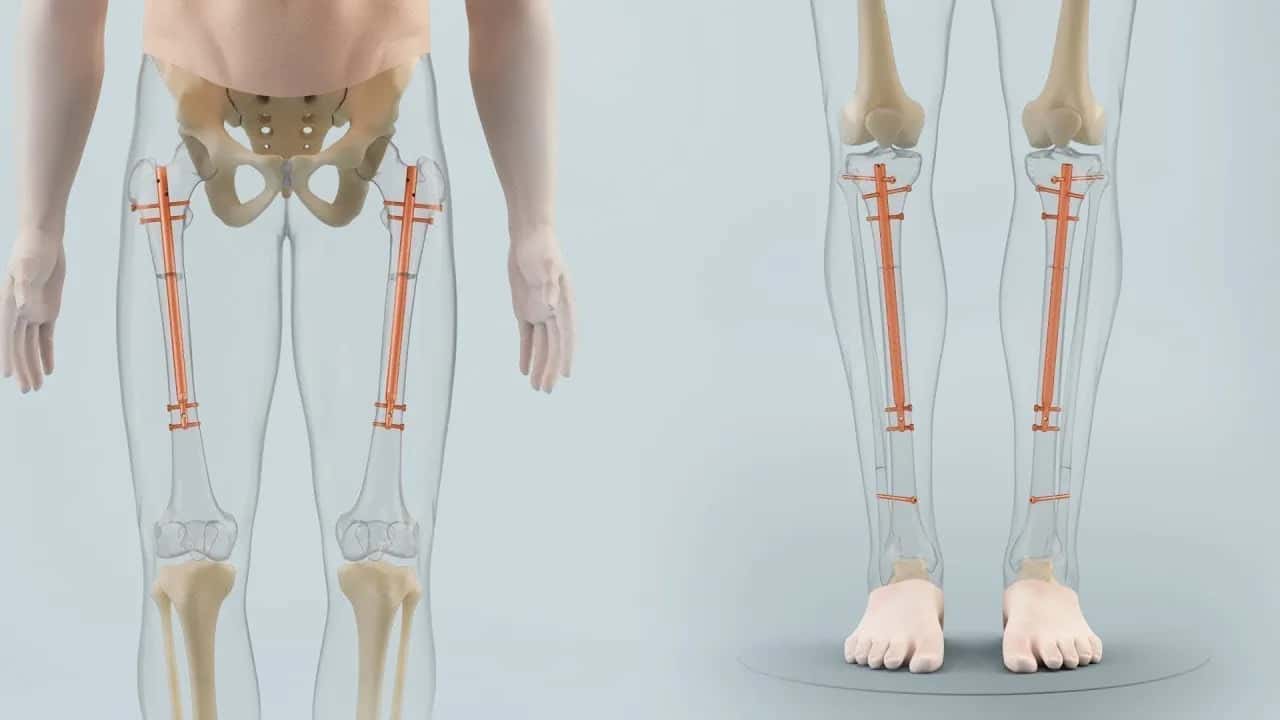
Height reduction surgery is a rare orthopedic procedure in which part of a leg bone is surgically shortened, primarily to correct meaningful limb-length differences rather than as a routine cosmetic operation for people who simply want to be shorter.
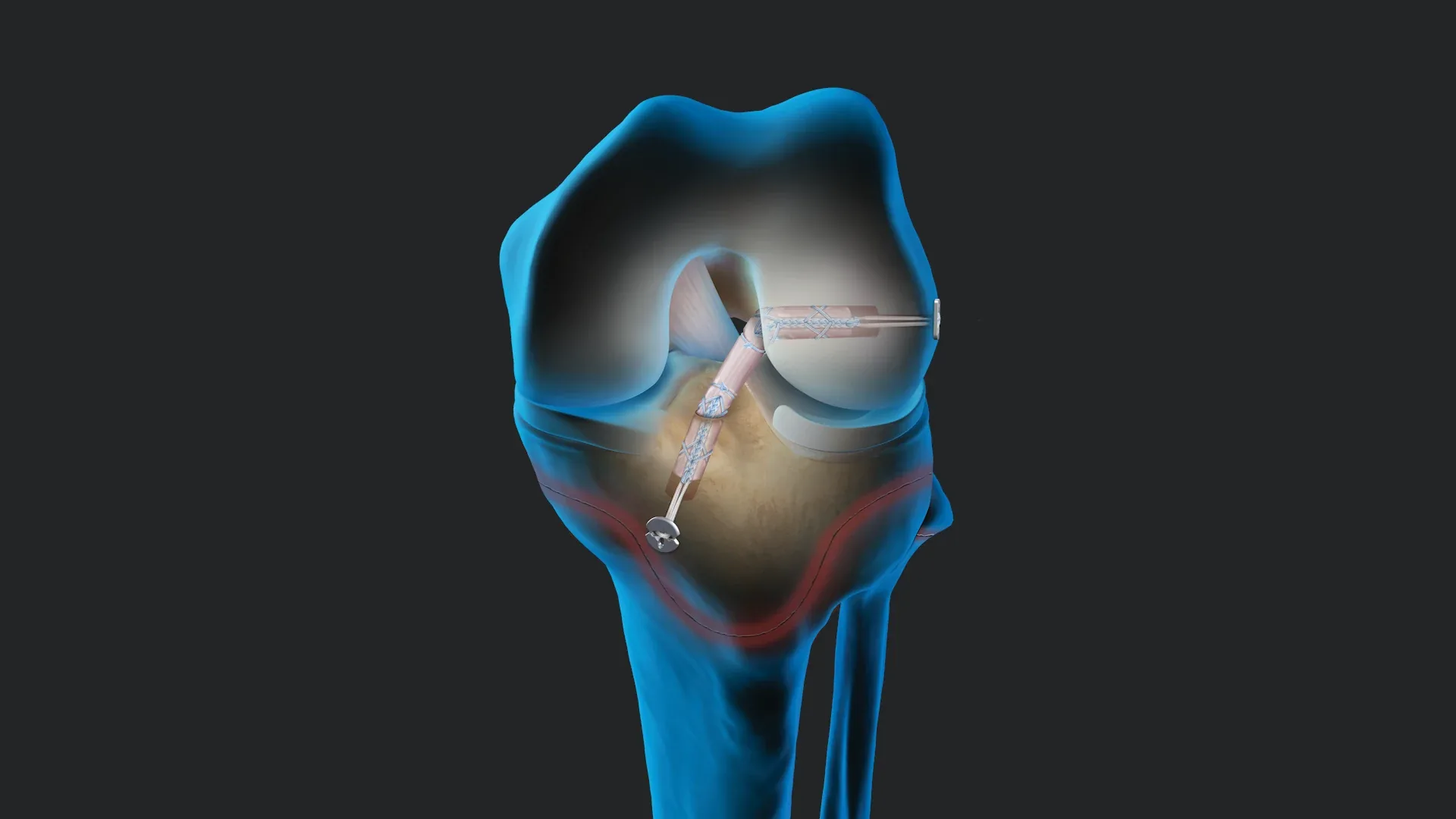
This guide compares ACL surgery costs around the world in 2026, including private treatment, graft choices, hospital packages, rehabilitation, insurance, and medical travel expenses.

Botox Treatment for Spasticity is a medical use of botulinum toxin injections to relax selected overactive muscles for a limited time. It is usually considered when muscle tightness, spasms, or stiffness affect comfort, movement, hygiene, caregiving, or daily activities.

Subscribe to the Medifinder newsletter and never miss our latest content.