










Understanding Botox for Spasticity Management
Botox Treatment for Spasticity is a medical use of botulinum toxin injections to relax selected overactive muscles for a limited time. It is usually considered when muscle tightness, spasms, or stiffness affect comfort, movement, hygiene, caregiving, or daily activities.

- Last updated
- 64 reads
- 12 min read


What is spasticity, and why does it happen?
Spasticity is abnormal muscle tightness that can make a limb feel stiff, hard to move, or pulled into a certain position. It often happens after an injury or condition affecting the brain, spinal cord, or nerves that control movement, such as stroke, spinal cord injury, cerebral palsy, multiple sclerosis, or traumatic brain injury. Spasticity may affect the arms, legs, hands, feet, or other muscle groups, and it can range from mild tightness to severe limits on movement.
The main problem is not the muscle alone. Spasticity starts with changes in the nervous system. When the signals between the brain, spinal cord, and muscles do not work in the usual balanced way, some muscles may stay “on” too much. This can cause stiffness, sudden spasms, cramps, pain, awkward postures, or trouble with tasks like walking, dressing, opening the hand, placing the foot flat, or moving from one position to another.
Spasticity is not always harmful. In some people, a certain amount of stiffness may help with standing or transferring. In others, the same stiffness may cause pain, skin problems, sleep trouble, joint strain, or difficulty with care. This is why treatment decisions should be based on clear personal goals, not only on how tight a muscle feels during an exam.
Botox treatment targets specific tight muscles
Botox is the brand name for onabotulinumtoxinA, a prescription form of botulinum toxin type A. For spasticity care, it is injected into selected muscles to reduce the signal that tells those muscles to contract. Botox is approved for certain adult and pediatric spasticity uses, including upper and lower limb spasticity in children ages 2 to 17, with dosing and muscle selection guided by the prescribing information and the clinician’s judgment.
A key point is that Botox does not treat the entire nervous system. It works locally, meaning the clinician chooses the muscles most likely to be causing the problem. For example, treatment may focus on muscles that bend the wrist and fingers, pull the thumb into the palm, point the toes downward, or turn the foot inward. The goal is to reduce unwanted tightness in those muscles while keeping as much useful strength as possible.
This makes botox for spasticity treatment different from some oral medicines that affect muscle tone more widely throughout the body. A local injection may be useful when spasticity is strongest in a few muscle groups. If stiffness is more widespread, a broader treatment plan may be needed.
How botox for muscle spasms may help daily life
People often ask about botox for muscle spasms because the spasms are what they notice most. A spasm may feel like a sudden tightening, jerking, cramp, or pulling. Botox may help when those spasms are coming from specific overactive muscles that can be identified and safely treated.
The possible benefits are practical. A relaxed hand may be easier to clean, stretch, or place in a splint. A less tight calf may make it easier to fit a brace, place the foot, or practice walking. A shoulder, elbow, or wrist that moves more freely may make dressing and positioning easier. For some people, reducing tone may also lower discomfort from constant pulling.
Still, Botox is not a cure for spasticity or for the condition that caused it. It does not rebuild damaged nerve pathways, and it does not replace therapy, stretching, strengthening, bracing, or other parts of care. The best results usually come when the injections are linked to a clear plan for movement, positioning, and daily function.
Treatment goals matter more than the injection itself
Before any injection, the care team should define what success would look like. “Less tightness” is a start, but it is often too vague. A stronger goal might be “open the hand enough for hygiene,” “reduce toe curling in shoes,” “make transfers safer,” “reduce painful spasms at night,” or “help therapy work on a new movement pattern.”
Clear goals help the clinician choose the right muscles. They also help everyone decide later whether the treatment was worth repeating. If the goal is walking, the team may look at foot placement, knee position, brace fit, and balance. If the goal is hand care, they may focus on finger, thumb, wrist, or elbow muscles.
Useful treatment goals often include:
- Comfort goals: less pain, fewer cramps, easier sleep, or less pulling.
- Care goals: easier bathing, dressing, nail care, skin checks, or splint use.
- Movement goals: better reach, step pattern, standing position, or transfer ability.
- Safety goals: lower risk of falls, skin breakdown, joint strain, or awkward posture.
- Therapy goals: more range of motion so stretching, strengthening, or task practice can be more effective.
The most realistic goals are specific, measurable, and personal. A small change can be meaningful if it makes daily care easier or reduces pain.
Who may be a candidate for Botox Treatment for Spasticity?
A person may be considered for Botox Treatment for Spasticity when stiffness or spasms are focused in certain muscles and are causing a problem worth treating. The clinician will look at medical history, current medicines, movement patterns, muscle strength, joint range, pain, skin condition, and the person’s daily needs. The treatment is usually planned by a healthcare professional with training in spasticity care, such as a physiatrist, neurologist, or another qualified specialist.
Good candidates often have a clear target. For example, the calf may be pulling the foot down, the wrist and fingers may be held in flexion, or the thigh muscles may make positioning difficult. Botox may be less useful if the main problem is a fixed joint contracture, severe weakness without overactive muscle tone, or a movement problem caused mostly by poor balance rather than spasticity.
A full exam is important because spasticity can look like other problems. Pain, infection, constipation, skin irritation, poor brace fit, anxiety, or a change in routine can sometimes make spasms worse. Treating those triggers may reduce symptoms without changing the spasticity plan.
What happens before the procedure
A Botox visit for spasticity usually starts with assessment, not a needle. The clinician may ask when spasms happen, what makes them worse, what makes them better, how the tightness affects daily tasks, and what treatments have already been tried. They may also watch movement, test range of motion, check reflexes, and feel which muscles are overactive.
Medication review is also important. Patients should tell the clinician about recent botulinum toxin injections, blood thinners, muscle relaxants, antibiotics, sleep medicines, supplements, pregnancy, breastfeeding, breathing problems, swallowing problems, and neuromuscular conditions. Mayo Clinic notes that Botox is a prescription medicine and should be used only under the care of a licensed and skilled healthcare provider.
The care team may also discuss what to expect after treatment. Botox does not work instantly. A plan may include stretching, therapy sessions, brace changes, home exercises, or follow-up checks during the weeks after injection. Planning these steps ahead of time helps use the period of reduced muscle tone well.
The injection appointment is usually targeted and brief
During the procedure, the clinician injects small amounts of medicine into selected muscles using a thin needle. The number of injections depends on the size, number, and location of the muscles being treated. Some clinicians use ultrasound, electrical stimulation, or needle electromyography to help localize the involved muscles, and the Botox prescribing information recommends localization techniques for spasticity injections.
The experience varies by person. Some people feel pressure, pinching, or brief soreness. Children or people who are very sensitive to needles may need extra comfort measures, distraction, numbing, or other support based on the clinic’s practice and the patient’s needs.
After the appointment, many people can return to usual activities, but they should follow the clinician’s instructions. Mayo Clinic advises not rubbing or massaging treated areas for 24 hours and avoiding lying down for 2 to 4 hours after injections in order to reduce the chance of the toxin moving where it is not wanted.
Results take time and are temporary
Botox injections often begin working within a few days, but full effects may take a week or more. The amount of change can differ from person to person, and not everyone gets the same level of relief. Depending on the condition being treated, effects may last about 3 to 4 months, and repeat injections are generally spaced at least 12 weeks apart when the prior effect has faded.
This temporary effect can be helpful. It gives the care team a window of time to work on stretching, strengthening, splinting, bracing, walking practice, hygiene, or positioning. It also allows the plan to be adjusted over time. If the first treatment helps but does not meet the goal, the clinician may change the dose, muscle targets, therapy plan, or timing at a later visit.
Because results fade, follow-up matters. The patient or caregiver may be asked to track changes in pain, spasms, sleep, ease of care, walking, brace use, or hand position. Notes, photos, videos, or therapy reports can help the clinician judge what changed and what did not.
Botox works best as part of a broader spasticity plan
Spasticity management often includes more than one treatment. Mayo Clinic describes options such as therapy, oral medications, injections, intrathecal drug pumps, orthotics, serial casting, and surgery, depending on the person’s needs and goals. Botox is one tool in this larger set of choices.
Physical and occupational therapy can help turn reduced muscle tightness into useful function. Therapy may focus on stretching tight muscles, strengthening weaker muscles, improving posture, practicing transfers, fitting splints, or relearning everyday movements. Without this follow-through, the muscle may be looser, but the person may not gain as much practical benefit.
A broader plan may include:
- Trigger management: checking for pain, infection, skin irritation, poor positioning, or other issues that may increase spasms.
- Stretching and positioning: keeping joints moving and reducing the pull of tight muscles.
- Strengthening: building control in muscles that oppose the tight ones when appropriate.
- Bracing or splinting: supporting better alignment of the wrist, hand, ankle, or foot.
- Task practice: using the treatment window to work on real activities, such as dressing, transfers, walking, or hand care.
- Medication review: balancing benefit and side effects from oral medicines or other treatments.
- Follow-up measurement: comparing results with the goals set before injection.
Botox may reduce a barrier, but daily practice and supportive care often determine how much that reduction helps.
Side effects and safety points should be discussed clearly
Botox injections are usually considered safe when given by a qualified professional, but side effects can happen. Common issues may include pain, swelling, bruising, or infection at the injection site, as well as headache or flu-like symptoms. For spasticity treatment, unwanted weakness in nearby muscles can also be a concern, especially if the treated muscle was helping with standing, walking, gripping, or transfers.
There is also a serious warning about possible spread of toxin effect beyond the injection site. Symptoms can include generalized muscle weakness, vision problems, drooping eyelids, trouble speaking, trouble swallowing, breathing problems, or loss of bladder control, and these symptoms may occur hours to weeks after injection. The prescribing information says swallowing and breathing problems can be life-threatening, and patients or caregivers should seek immediate medical care if swallowing, speech, or breathing problems occur.
Botox may not be appropriate for everyone. People with existing swallowing or breathing issues, certain neuromuscular disorders, pregnancy or breastfeeding concerns, or medicines that affect muscle or nerve signaling need careful discussion with a clinician. The prescribing information also notes that Botox units are specific to the product and should not be converted as if they are the same as units for other botulinum toxin products.
Questions to ask before starting treatment
A calm, practical conversation can make treatment easier to understand. Patients and caregivers should feel comfortable asking why certain muscles are being chosen and how the team will judge whether the treatment worked. They should also ask what risks apply to their specific health situation.
Helpful questions include:
- What daily problem are we trying to improve?
- Which muscles are causing that problem?
- How will you find the correct muscles for injection?
- What changes should I expect, and when should I expect them?
- What therapy, stretching, bracing, or home care should happen after the injections?
- What side effects should I watch for?
- When should I call the clinic, and when should I seek urgent care?
- How will we decide whether to repeat treatment?
- Could reducing this muscle tone make any activity harder?
These questions are especially important when spasticity has both helpful and harmful effects. For example, a tight leg muscle may make walking awkward, but it may also help the person stand. The goal is not always to relax every tight muscle. The goal is to improve comfort, safety, care, or function.
Realistic expectations help avoid frustration
Botox for spasticity treatment can be useful, but it is not magic. It may reduce tightness in selected muscles, but it may not change weakness, balance, coordination, sensation, joint stiffness, or the underlying neurologic condition. If a joint has become fixed over time, relaxing the muscle may not fully restore motion.
It is also possible to get partial results. A hand may open more easily for washing but still not have enough active control for fine tasks. A foot may fit better in a brace but still need gait training. Pain may improve in one area while another problem remains. These results can still be meaningful if they match the goals set before treatment.
The best mindset is step-by-step. After each treatment cycle, the team can ask what improved, what stayed the same, what side effects occurred, and what should change next time. Over time, this helps build a plan that fits the person rather than forcing the person into a standard plan.
When to contact a healthcare professional
Anyone considering Botox Treatment for Spasticity should talk with a licensed healthcare professional who evaluates and treats muscle tone problems. It is important to seek care sooner if spasms suddenly worsen, pain changes, skin breaks down, a brace no longer fits, walking becomes less safe, or caregiving becomes harder. Sudden changes may point to another issue that needs attention.
After treatment, contact the clinic if there is increasing pain, redness, swelling, fever, unexpected weakness, or any symptom that feels unusual. Seek urgent medical care for trouble breathing, swallowing, or speaking, or for severe generalized weakness after injection. These symptoms are uncommon but important to act on quickly because they may signal a serious reaction.
The main takeaway
Botox for muscle spasms related to spasticity is a targeted, temporary treatment that may help selected overactive muscles relax. It can support comfort, hygiene, positioning, brace use, therapy, or movement when the goals are clear and the right muscles are treated. It works best as part of a full spasticity management plan that may include therapy, stretching, bracing, medicines, and follow-up.
The most important step is a careful evaluation. Spasticity is personal, and the right treatment depends on how it affects daily life. A qualified clinician can explain whether Botox is a reasonable option, what benefits are realistic, what risks matter most, and how to build a plan around the results.
Sources:
- https://www.mayoclinic.org/departments-centers/spasticity-management/overview/ovc-20569237
- https://dailymed.nlm.nih.gov/dailymed/fda/fdaDrugXsl.cfm?setid=33d066a9-34ff-4a1a-b38b-d10983df3300
- Last updated
- Language
- English
How did you find this article?
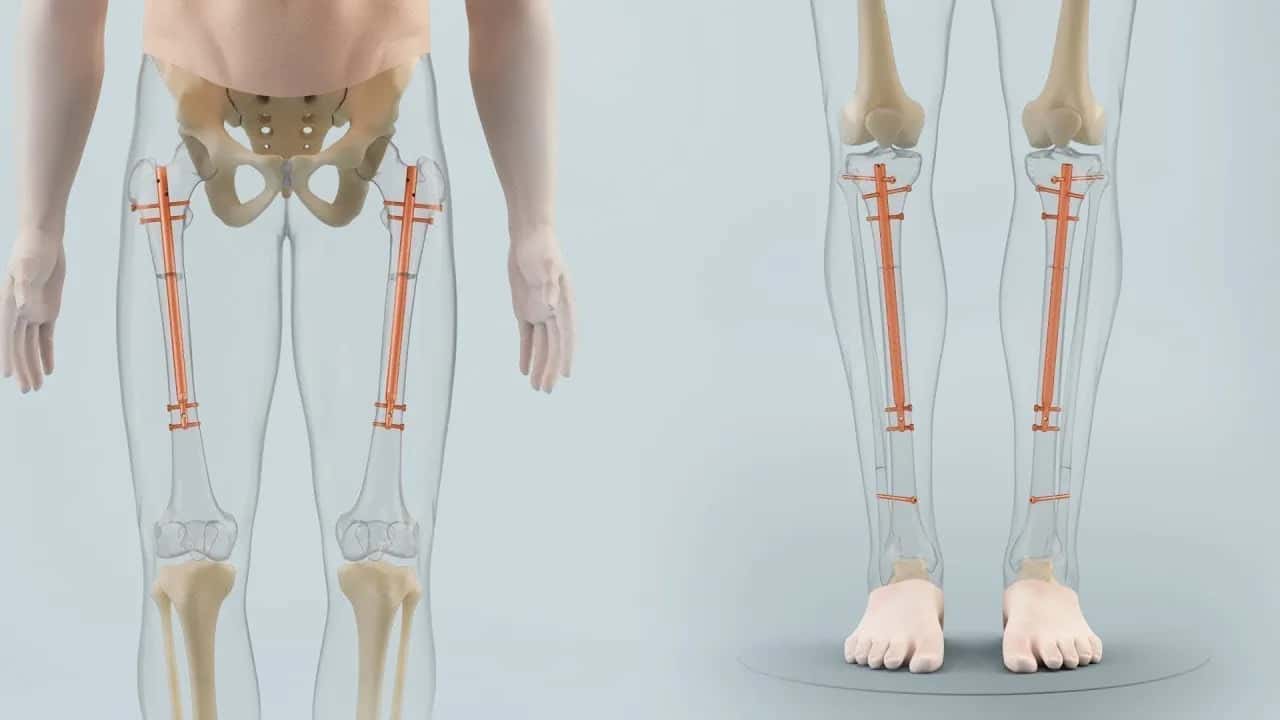
Height reduction surgery is a rare orthopedic procedure in which part of a leg bone is surgically shortened, primarily to correct meaningful limb-length differences rather than as a routine cosmetic operation for people who simply want to be shorter.

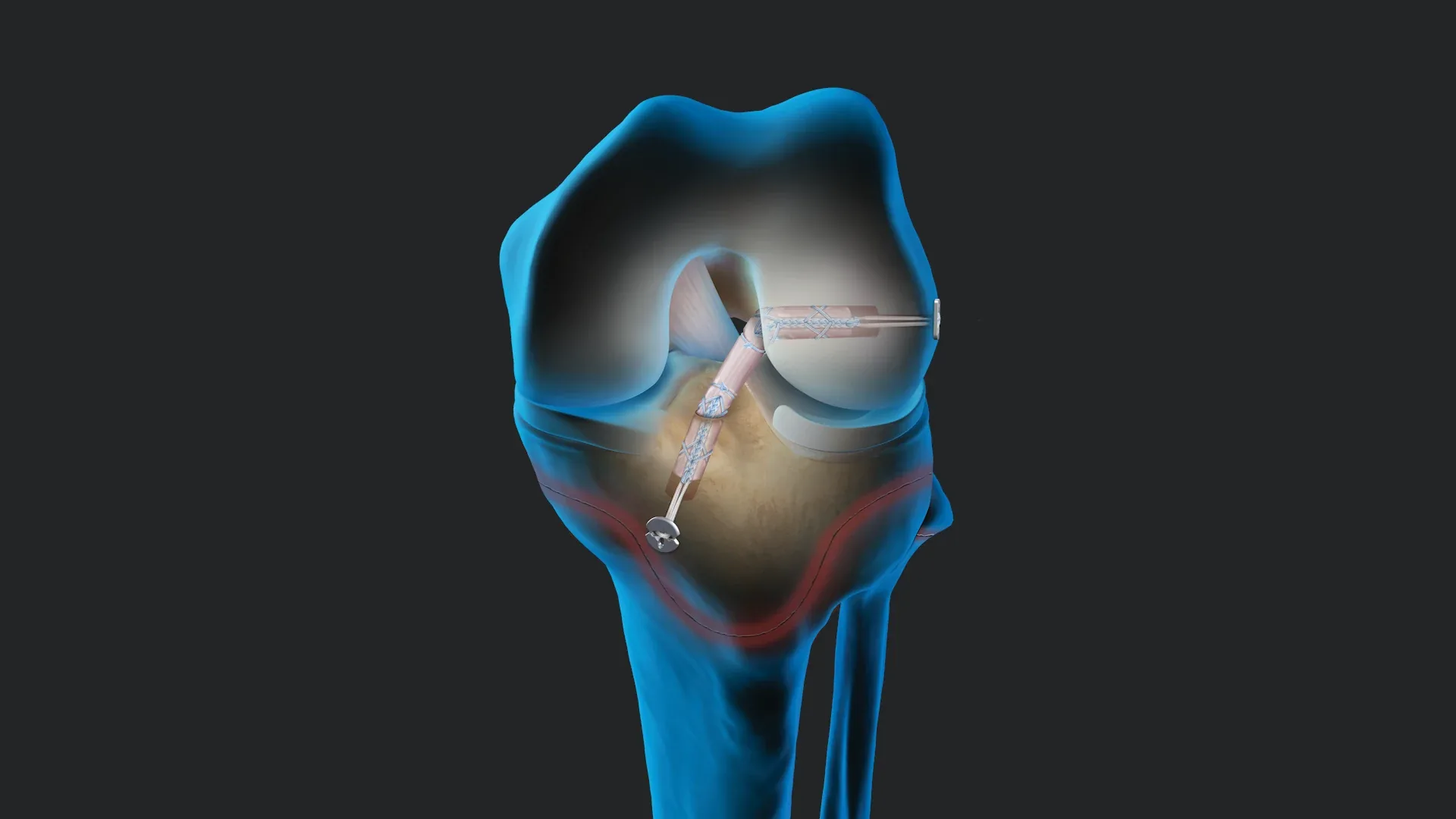
This guide compares ACL surgery costs around the world in 2026, including private treatment, graft choices, hospital packages, rehabilitation, insurance, and medical travel expenses.

This guide explains scoliosis surgery, including when it is needed, spinal fusion, curve correction, recovery, mobility, risks, scars, and long-term results.
Subscribe to the Medifinder newsletter and never miss our latest content.