










What Can You Do About Teeth Clenching While Sleeping?
Learn what causes sleep bruxism, how to protect your teeth, reduce jaw tension, improve sleep habits and recognise when nighttime teeth clenching needs treatment.

- Last updated
- 133 reads
- 10 min read


Waking with a tired jaw, sensitive teeth or a dull headache around your temples may indicate that you have been clenching or grinding your teeth during sleep. This condition, known as sleep bruxism, often happens without conscious awareness. In many cases, a partner first notices the grinding sound. People who clench silently may not realise there is a problem until a dentist identifies worn enamel, cracked fillings or enlarged jaw muscles.
Occasional teeth clenching does not always require treatment. The concern becomes more important when it happens frequently enough to cause pain, damage the teeth or disturb sleep. Management usually involves more than one measure. Protecting the teeth is important, but you may also need to address daytime tension, sleep quality, medication use or an underlying sleep disorder.
The right approach depends on your symptoms. A custom night guard may protect your teeth, but it does not necessarily stop the jaw muscles from contracting. Relaxation techniques may reduce daytime tension, yet they may not resolve sleep bruxism caused by another medical or sleep-related condition.
What Is Sleep Bruxism?
Sleep bruxism is an involuntary pattern of clenching, pressing or grinding the teeth during sleep. Grinding creates movement between the upper and lower teeth, while clenching may occur without any noticeable sound.
The behaviour is associated with brief changes in sleep activity rather than being a simple habit that you can consciously stop during the night. Its exact cause is not always clear. Stress may contribute, but sleep bruxism can also be linked with genetic factors, lifestyle habits, certain medications and sleep disorders.
Common signs include:
- Jaw tightness or fatigue after waking
- Morning headaches around the temples
- Tooth sensitivity
- Flattened, chipped or cracked teeth
- Damaged fillings, crowns or veneers
- Pain around the jaw, face or neck
- Clicking or tenderness in the jaw joints
- Indentations along the tongue or inside the cheeks
- Grinding sounds noticed by a partner
Severe or persistent bruxism may damage teeth and dental restorations while contributing to facial pain and jaw-joint symptoms.
1. Have Your Teeth and Jaw Examined
The first useful step is a dental examination. You may suspect bruxism because of morning discomfort, but several other problems can produce similar symptoms. Tooth decay, cracked teeth, gum disease, sinus problems and jaw-joint disorders can all cause pain around the teeth or face.
A dentist can examine the biting surfaces for unusual wear, small fractures and changes in enamel. Existing fillings and crowns can also be checked for damage. Your jaw muscles and joints may be assessed for tenderness, restricted movement or clicking.
Not every person who clenches needs extensive treatment. Mild bruxism without pain or dental damage may only require observation. When wear is progressing, however, early protection may prevent more complex dental work later.
You should describe when the discomfort occurs and how long it lasts. Mention whether your partner hears grinding, whether your jaw locks and whether pain becomes worse while chewing. You should also report snoring, interrupted breathing, daytime sleepiness and waking with a dry mouth, as these symptoms may point to a sleep-related problem.
2. Consider a Professionally Fitted Night Guard
A night guard, also called an occlusal splint, is one of the most common options for people who damage their teeth through sleep bruxism. It creates a protective layer between the upper and lower teeth.
The main purpose of a night guard is to reduce direct tooth-to-tooth contact. This may help protect enamel, fillings, crowns and other restorations. Depending on the design, it may also distribute pressure more evenly and reduce strain on particular teeth.
A night guard does not guarantee that clenching will stop. Your jaw muscles may continue to contract, but the teeth are less likely to grind directly against one another. This distinction is important because a damaged guard does not necessarily mean the device has failed. It may have absorbed force that would otherwise have affected your teeth.
Custom guards are made after an examination and an impression or digital scan. Their fit can be adjusted so that they do not create excessive pressure on individual teeth. Ready-made products may be cheaper, but bulky or poorly fitting guards can feel uncomfortable and may fall out during sleep.
Do not continue using a device that causes new pain, changes your bite or irritates your gums. Night guards also need regular cleaning and periodic checks because they can wear down over time. Mouth guards can be part of conservative care for jaw-related symptoms, although treatment often works best when combined with other measures.
3. Reduce Daytime Clenching and Jaw Tension
Sleep bruxism happens while you are unconscious, but many people also clench their teeth during the day. Daytime clenching often occurs while working, driving, concentrating or dealing with stress.
Reducing this daytime tension may help your jaw muscles recover. Begin by checking the position of your teeth several times throughout the day. When your jaw is resting, the upper and lower teeth do not normally need to touch continuously. Your lips may remain gently closed while a small space stays between the teeth.
Place a discreet reminder near your computer or phone. Each time you see it, relax your shoulders, release your jaw and allow your tongue to rest comfortably. The aim is not to hold your mouth in a rigid position but to notice unnecessary tension.
Try to avoid habits that keep the jaw muscles active for long periods. Frequent chewing gum, biting pens, chewing ice and holding objects between the teeth can increase fatigue. If your jaw is already sore, very hard or chewy foods may temporarily make symptoms worse.
A warm compress against the side of the face may help tight muscles relax. Use comfortable warmth rather than excessive heat. Gentle massage around the cheeks and temples may also reduce tension, but strong pressure over a painful or swollen joint should be avoided.
4. Improve Sleep Quality and Review Possible Triggers
A regular sleep schedule may not eliminate bruxism, but poor sleep can make pain, fatigue and muscle tension harder to manage. Try to go to bed and wake at similar times, including at weekends.
Reduce stimulating activities close to bedtime. Bright screens, demanding work and late-night arguments can make it harder to settle. A quieter routine involving gentle stretching, reading or slow breathing may help your body prepare for sleep.
Caffeine can remain active for several hours. If you drink coffee, strong tea or energy drinks late in the day, consider moving them earlier or reducing the amount gradually. Alcohol may make you feel sleepy initially, but it can disrupt sleep later in the night. Tobacco and other stimulants may also contribute to clenching in susceptible people.
Some prescription medicines can be associated with bruxism, including certain medicines used for depression, seizures or attention-related conditions. You should not stop a prescribed medicine on your own. Instead, tell the prescribing clinician when the clenching began and whether it changed after a new medicine or dose adjustment.
Sleep apnoea also deserves attention. Loud snoring, pauses in breathing, choking during sleep, morning headaches and excessive daytime sleepiness should be reported. Treating a sleep disorder may improve both general health and nighttime symptoms. Sleep bruxism is seen more often in people who also have snoring or sleep apnoea.
5. Manage Stress Without Treating It as the Only Cause
Stress is commonly associated with clenching, but telling yourself to “stop being stressed” is rarely helpful. Sleep bruxism is not simply a failure to relax, and many people clench even during calm periods.
Still, emotional strain can increase jaw-muscle tension and make pain feel more intense. You may benefit from identifying when your symptoms become worse. Busy work periods, poor sleep, family problems or anxiety may coincide with increased morning discomfort.
Simple breathing exercises can help reduce physical tension. Breathe slowly through your nose, allow your abdomen to expand and extend the exhalation without forcing it. You can practise for a few minutes before bed or during demanding parts of the day.
Regular exercise may support sleep and stress management. Choose an activity that you can continue consistently rather than using intense exercise only when you feel overwhelmed.
If anxiety, low mood or ongoing stress affects your daily life, professional psychological support may be useful. Cognitive behavioural approaches can help you recognise tension patterns and develop more practical coping strategies. This support does not imply that the dental pain is imaginary; it addresses one possible contributor to muscle activity and pain sensitivity.
Can Jaw Exercises Help?
Gentle jaw exercises may help when muscle tightness or reduced movement is present. However, exercises should be matched to your symptoms.
One simple approach is to place your tongue lightly against the roof of your mouth and open your jaw slowly without forcing it. The movement should remain smooth and comfortable. You can also practise small, controlled side-to-side movements if they do not increase pain.
Avoid repeatedly opening your mouth as widely as possible. Aggressive stretching can irritate painful joints and overworked muscles. If your jaw catches, locks or deviates significantly, ask a dentist or physiotherapist experienced in jaw disorders for guidance.
Physical therapy may be useful when bruxism is accompanied by neck tension, restricted jaw movement or temporomandibular disorder symptoms.
Do Medicines Stop Teeth Clenching?
There is no single medicine that reliably stops sleep bruxism in every patient. Treatment usually focuses on protecting the teeth and managing contributing factors.
Pain relievers may provide temporary comfort when jaw muscles are sore, but they do not address the nighttime activity itself. Common pain medicines are not suitable for everyone, particularly if you have stomach, kidney, liver, bleeding or cardiovascular problems.
Muscle relaxants or other prescription medicines may occasionally be considered for selected patients, usually for a limited period. The potential benefits must be weighed against drowsiness and other side effects.
Botulinum toxin injections are sometimes used in severe cases to reduce the strength of particular jaw muscles. This may decrease pain or force, but it does not correct tooth damage that has already occurred and is not appropriate for everyone. The treatment should be performed by a qualified medical professional familiar with facial anatomy and jaw function.
What About Dental Alignment?
People often assume that sleep bruxism is caused entirely by crooked teeth or an imperfect bite. Bite problems may influence how pressure is distributed, but adjusting healthy teeth does not necessarily stop sleep-related clenching.
Permanent procedures such as grinding down teeth, replacing restorations or extensive bite reconstruction should not be undertaken casually. Irreversible treatment requires a clear dental reason beyond the hope that it will cure bruxism.
Orthodontic treatment may improve alignment when there is a separate clinical need, but it should not be presented as a guaranteed solution for sleep bruxism.
How Can You Protect Sensitive or Damaged Teeth?
If bruxism has worn away enamel, your teeth may become sensitive to cold, heat or sweet foods. A toothpaste designed for sensitive teeth may reduce discomfort, although improvement can take time.
Avoid brushing aggressively. A hard toothbrush and heavy pressure can worsen wear near the gum line. Use a soft brush and a controlled technique.
Cracked fillings, broken teeth and persistent sensitivity require dental treatment. A night guard can help reduce future damage, but it cannot repair a fracture or reverse lost enamel.
You should also avoid using your teeth to open packaging or bite hard objects. Teeth already weakened by grinding may fracture under additional pressure.
When Should You See a Dentist or Doctor?
Arrange an assessment if you regularly wake with jaw pain, headaches or tooth sensitivity. You should also seek help if a partner reports loud grinding or if you notice flattening, cracking or shortening of the teeth.
Prompt evaluation is advisable when:
- Your jaw locks or cannot open normally
- Pain becomes persistent or severe
- A tooth breaks or becomes loose
- You develop facial swelling
- Your bite suddenly feels different
- A night guard causes new symptoms
- You have loud snoring or interrupted breathing
- Morning headaches are becoming more frequent
Jaw clicking without pain or restricted movement does not always require treatment. Constant tenderness, sudden pain or inability to open and close the mouth normally should be professionally evaluated.
Conclusion
Sleep bruxism can cause morning jaw fatigue, headaches, sensitive teeth and progressive dental wear. Because it happens while you are asleep, you may not know there is a problem until someone hears grinding or a dentist identifies damage.
A useful treatment plan often combines several measures. A professionally fitted night guard can protect your teeth, while daytime awareness, reduced jaw overuse and improved sleep habits can help manage muscle tension. Medication, snoring and possible sleep apnoea should also be reviewed when relevant.
You should not rely on one product to solve every aspect of the problem. A guard protects the teeth but may not stop clenching, while relaxation alone may not address an underlying sleep disorder.
Early assessment is particularly important when you have cracked teeth, persistent pain, jaw locking or symptoms of interrupted breathing during sleep. With the right combination of dental protection, habit changes and medical evaluation, the effects of nighttime teeth clenching can often be managed successfully.
- Last updated
- Language
- English
How did you find this article?
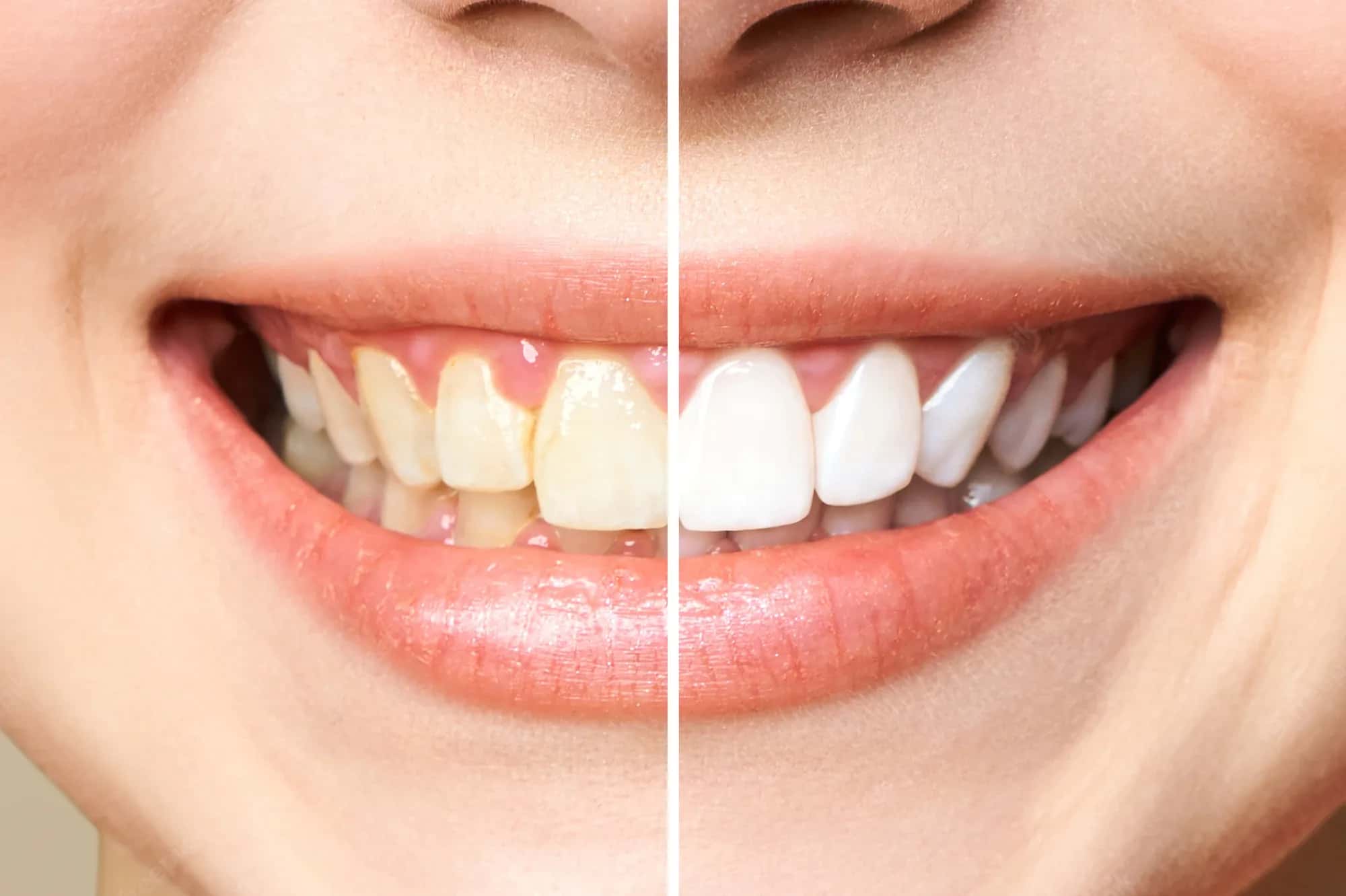
Teeth whitening costs around the world vary substantially, with professional treatment generally costing less in countries such as Turkey, Mexico and India than in the United States or United Kingdom.
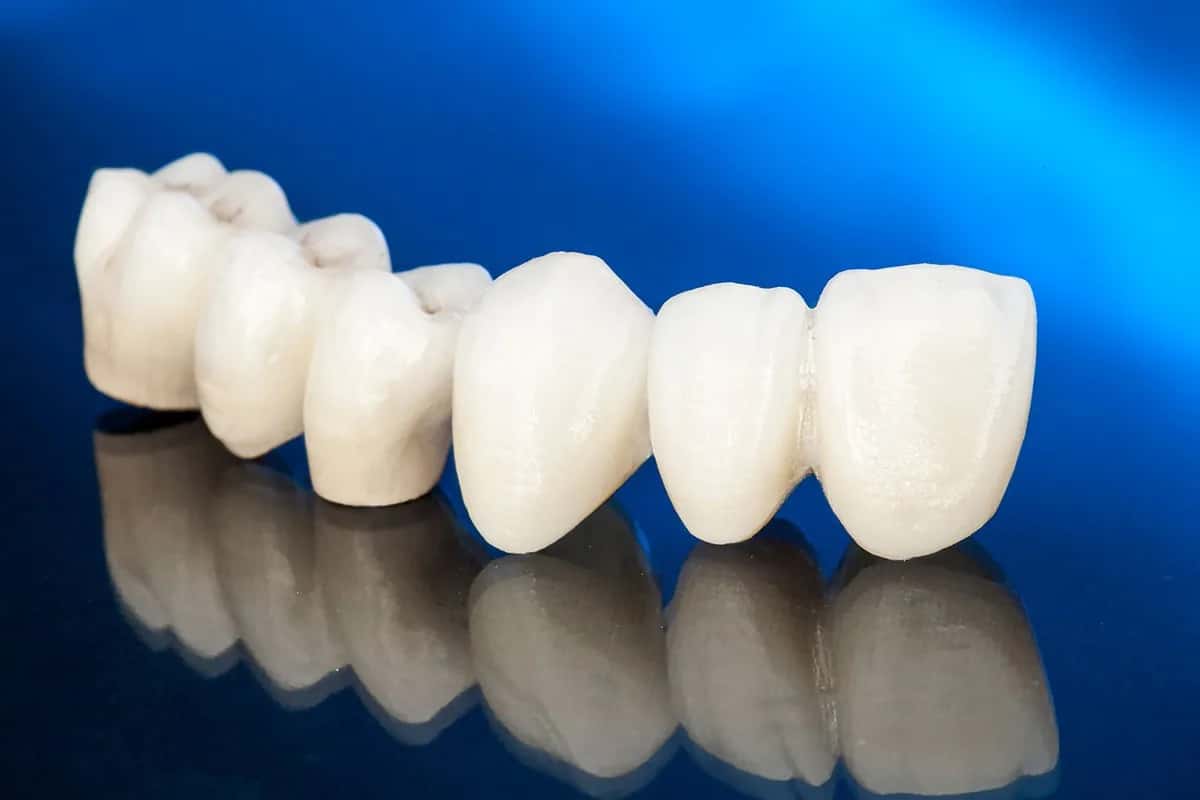
Zirconium crown costs around the world vary significantly, from approximately €180–€400 per tooth in Turkey to $1,000–$2,500 in the United States, based on published 2026 private-treatment prices.
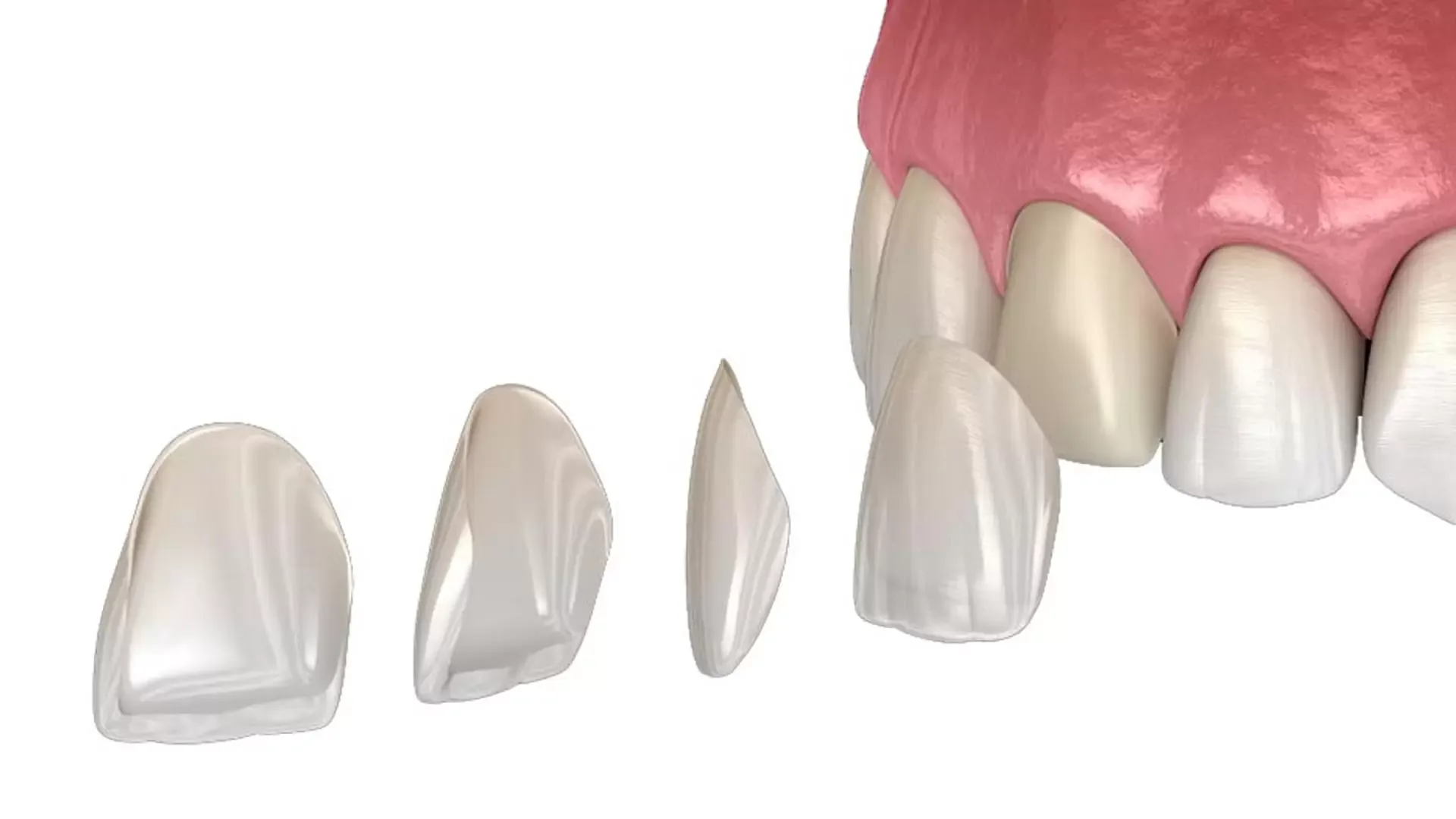
E-Max costs around the world differ significantly, with ceramic veneers and crowns available at lower published prices in countries such as Turkey, Mexico and Hungary than in the United States or United Kingdom.
Subscribe to the Medifinder newsletter and never miss our latest content.