










What Are the Different Types of Ethnic Rhinoplasty?
Explore the main types of ethnic rhinoplasty, including African, Asian, Middle Eastern, Latino and mixed-heritage approaches, with techniques, goals and recovery details.

- Last updated
- 162 reads
- 10 min read



Ethnic rhinoplasty is a personalised form of nose surgery that takes your natural facial proportions, nasal anatomy, cultural background and individual preferences into account. Its purpose is not to make every nose fit one narrow beauty standard. The aim is to create balance while preserving the features that feel important to your identity.
The term covers several approaches, including African or Black rhinoplasty, Asian rhinoplasty, Middle Eastern rhinoplasty, Latino rhinoplasty and surgery for patients with mixed heritage. These categories can be useful when discussing commonly encountered anatomical patterns, but they are not strict medical classifications. People from the same region may have completely different skin thickness, cartilage strength, bridge height and nostril shape.
For this reason, your treatment should never be selected from an ethnic template. A detailed examination is more valuable than a label. Your surgeon should evaluate the nose in front, side and three-quarter views, examine the internal airway and discuss which characteristics you want to retain or change.
What Is Ethnic Rhinoplasty?
Ethnic rhinoplasty refers to nasal surgery planned with awareness of the wide anatomical variation found across different populations. It can address cosmetic concerns, breathing difficulties or both.
Traditional rhinoplasty teaching often centred on reducing a prominent bridge and refining a strong cartilaginous framework. That approach does not suit every nose. Some patients need bridge augmentation rather than reduction. Others need stronger tip support, conservative nostril narrowing or structural reinforcement.
Modern ethnic rhinoplasty therefore focuses less on “Westernising” the nose and more on matching surgical techniques to the individual. Medical literature also increasingly recognises that race-based labels can oversimplify nasal anatomy and should not replace patient-specific assessment.
Your consultation should include more than a discussion of size. The surgeon should consider how the nose relates to your forehead, cheeks, lips and chin. Breathing must also be evaluated because changing the external shape can affect the internal nasal airway.
African and Black Rhinoplasty
African and Black rhinoplasty includes patients from highly diverse backgrounds, including African, Caribbean, African American and mixed-heritage communities. There is no single “African nose,” and considerable variation exists within every population.
Some patients may have a relatively low bridge, thick skin, a wider nasal base or softer tip cartilage. Others may have a prominent bridge, narrow nostrils or strong cartilage. Surgery must therefore begin with your actual anatomy rather than assumptions based on appearance or heritage.
Common treatment goals may include:
- Improving bridge definition
- Refining a broad or rounded tip
- Increasing tip support
- Adjusting nostril width
- Correcting asymmetry
- Improving breathing without over-narrowing the nose
A lower bridge may be augmented with your own cartilage. Septal cartilage is often considered first when enough is available. Ear or rib cartilage may be discussed when greater structural support is required.
Tip refinement must be approached carefully when the skin is thick. Simply removing cartilage can weaken support without producing clear definition. Structural grafting and controlled reshaping may create a more reliable result than aggressive reduction.
Alar base reduction can narrow wide or flared nostrils, but removing too much tissue may make the nose look pinched or create visible scars. The nasal base should remain balanced with the lips, cheeks and rest of the face. Commonly described anatomical patterns and the need for tailored structural techniques are well documented, but they are not shared by every Black patient.
Asian Rhinoplasty
Asian rhinoplasty may refer to patients with East Asian, Southeast Asian, Central Asian or mixed Asian heritage. These groups contain substantial anatomical diversity, so the term should be treated as a broad starting point.
Many Asian rhinoplasty procedures involve augmentation rather than major reduction. A patient may request more bridge definition, stronger tip projection or improved balance between the bridge and nasal base.
Possible goals include raising a low bridge, creating a smoother profile, lengthening a short nose or refining a rounded tip. Nostril width may also be adjusted when it is out of proportion with the rest of the face.
Cartilage grafts can be used to strengthen the tip and create projection. The bridge may be augmented with cartilage or, in selected settings, an implant. Each option has advantages and limitations. Your own cartilage avoids placing a permanent synthetic device in the nose but may require an additional donor site. An implant avoids harvesting a large cartilage graft but introduces risks such as infection, movement, visibility or pressure on the skin.
The safest choice depends on skin thickness, the amount of augmentation required, previous surgery and your surgeon’s experience. Asian nasal anatomy cannot be reduced to one standard pattern, and measurable differences vary even within the same regional population.
Middle Eastern Rhinoplasty
Middle Eastern rhinoplasty commonly includes patients with Arab, Persian, Turkish, Kurdish, Armenian, Jewish, North African and mixed regional backgrounds. Again, this is a highly diverse category rather than one fixed nasal type.
Some patients seek treatment for a prominent dorsal hump, a drooping tip or a nose that appears long in profile. Thick skin, strong cartilage or a wide bony bridge may also influence planning.
Common surgical goals can include reducing a hump, straightening the bridge, supporting or rotating the tip and improving the relationship between the nose and chin. In some cases, the nose may look prominent partly because the chin is relatively small. Facial assessment should therefore extend beyond the nose.
Over-reduction is an important concern. Removing too much from a strong bridge can erase natural character, weaken support and create a scooped appearance. A conservative reduction may provide a smoother profile while preserving a recognisable family or cultural resemblance.
Skin thickness also affects the result. Thick skin may take longer to settle and can soften very fine tip definition. Surgical planning should account for what the skin can realistically display rather than promising an extremely sharp result. Research in Middle Eastern populations has examined skin thickness as one factor affecting postoperative appearance and patient satisfaction.
Latino and Hispanic Rhinoplasty
Latino or Hispanic rhinoplasty includes people with many combinations of Indigenous American, European, African, Middle Eastern and Asian ancestry. As a result, nasal anatomy may vary considerably between individuals and families.
One patient may have thick skin and a broad tip, while another may have a narrow nose with a prominent hump. Some patients need augmentation and support; others benefit from conservative reduction.
Treatment may involve tip refinement, bridge reshaping, nostril adjustment or correction of deviation. The surgeon may use cartilage grafts to improve support when the lower part of the nose is soft or lacks projection.
Trying to classify every Latino patient by country of origin is unlikely to produce an accurate treatment plan. A more useful approach is to identify the structural features of the individual nose. Published surgical classifications have similarly suggested that deformity type may be more practical than geographical origin when planning Hispanic rhinoplasty.
South Asian Rhinoplasty
South Asian rhinoplasty may include patients with Indian, Pakistani, Bangladeshi, Sri Lankan, Nepali or mixed heritage. Skin and cartilage characteristics differ widely across the region.
Possible concerns include a prominent hump, broad bridge, rounded tip, drooping tip or wide nasal base. Some patients have strong nasal bones but softer cartilage in the lower third of the nose. Others may need augmentation rather than reduction.
A balanced plan may combine conservative bridge work with structural tip support. Thick skin can limit how much fine detail becomes visible, so the operation should focus on stable shape and proportion rather than excessive cartilage removal.
Preserving identity is particularly important because a dramatic change in bridge height or tip shape can alter the overall character of the face. You should discuss which family or ethnic features you value before the surgical plan is finalised.
Mixed-Heritage Rhinoplasty
Patients with mixed heritage may not fit any traditional ethnic rhinoplasty category. You may have features associated with several family backgrounds or anatomy that does not resemble any standard description.
Mixed-heritage rhinoplasty is therefore best approached without labels. Your surgeon should assess skin thickness, bone width, cartilage quality, nostril shape, tip support and facial proportions individually.
You should also be able to explain which features you want to preserve. Old photographs and pictures of family members may sometimes help communicate what feels natural to you, although they should not be used as exact templates.
The goal is not to decide which side of your heritage the nose should resemble. It is to create a shape that feels balanced and authentic to your face.
Augmentation Ethnic Rhinoplasty
Ethnic rhinoplasty can also be classified by the type of surgical change rather than the patient’s background. Augmentation rhinoplasty adds height, projection or structural support.
It may be used when the bridge is low, the tip lacks projection or previous surgery has removed too much support. Cartilage from the septum, ear or rib can be shaped into grafts. Synthetic implants may be considered in selected cases, depending on local practice and patient preference.
Augmentation must remain proportional. Building the bridge too high can make the nose look narrow or disconnected from the forehead and cheeks. The tip and bridge should be planned together so that one area does not appear underdeveloped beside the other.
Reduction Ethnic Rhinoplasty
Reduction rhinoplasty removes or reshapes bone and cartilage to decrease a hump, narrow a broad bridge or shorten an overly projecting nose.
The procedure should not simply make the nose as small as possible. Excessive reduction can weaken the nasal framework and compromise breathing. It can also create a result that does not fit the rest of the face.
Conservative reduction is often especially important in ethnic rhinoplasty because distinctive bridge or tip characteristics may be part of the patient’s identity. The desired amount of change should be agreed upon clearly during consultation.
Tip-Refinement Rhinoplasty
Tip refinement focuses on the lower third of the nose. It may improve a rounded, drooping, asymmetric or poorly supported tip.
Techniques can include suturing the tip cartilages, repositioning them or adding cartilage grafts. The method depends on cartilage strength, skin thickness and the required amount of projection.
A very narrow tip is not suitable for every face. Removing too much cartilage can produce pinching, collapse or breathing problems. Structural support is often more important than aggressive trimming.
Alar Base Reduction
Alar base reduction changes the width or flare of the nostrils. Small amounts of tissue may be removed where the nostrils meet the cheek.
This procedure must be planned carefully because the scars sit in a visible and expressive area. Excessive narrowing can make the nostrils look unnatural, create asymmetry or restrict airflow.
The surgeon should assess the nose both at rest and while you smile. Some nostrils widen mainly during facial movement, which may influence whether surgery is worthwhile.
Functional Ethnic Rhinoplasty
Ethnic rhinoplasty is not purely cosmetic. You may also have a deviated septum, narrowed nasal valve, previous trauma or another structural problem that affects breathing.
Functional treatment may be combined with cosmetic reshaping. The internal airway should be examined before surgery, particularly when you already experience congestion or difficulty breathing through one side.
A smaller-looking nose should never come at the cost of reduced airflow. Rhinoplasty performed for breathing problems requires careful structural evaluation and support.
Open and Closed Ethnic Rhinoplasty
Ethnic rhinoplasty may be performed through an open or closed approach. Open rhinoplasty uses a small external incision across the tissue between the nostrils, allowing the skin to be lifted for broad access. Closed rhinoplasty uses incisions placed inside the nose.
Neither method is automatically better. Open surgery may provide greater visibility for complex grafting, major tip work and revision procedures. Closed surgery avoids an external incision and may suit selected changes.
Your surgeon should choose the approach according to the operation required rather than using the same method for every patient.
How Should You Choose a Surgeon?
Look for a qualified surgeon who regularly performs rhinoplasty and can demonstrate experience with a wide range of nasal anatomies. The consultation should focus on your goals rather than presenting a standard “ethnic” result.
Ask to see photographs of patients with similar skin thickness, cartilage strength and surgical concerns. Consistent front, side and base views are more useful than heavily edited social-media images.
Your surgeon should also discuss breathing, graft sources, scars, possible revision and the limits of the expected result. Rhinoplasty can involve bleeding, infection, poor healing, breathing changes, numbness, asymmetry and the possibility of further surgery.
Conclusion
The main types of ethnic rhinoplasty are commonly described as African or Black, Asian, Middle Eastern, Latino, South Asian and mixed-heritage rhinoplasty. Procedures may also be classified by their purpose, including augmentation, reduction, tip refinement, alar base reduction and functional correction.
These categories should guide discussion rather than determine your treatment. People from the same ethnic group can have completely different nasal structures and aesthetic preferences.
A successful ethnic rhinoplasty respects your facial proportions, preserves the characteristics you value and protects nasal function. The best result is not a standardised nose. It is a carefully planned nose that looks natural on your face and continues to feel like your own.
- Last updated
- Language
- English
How did you find this article?
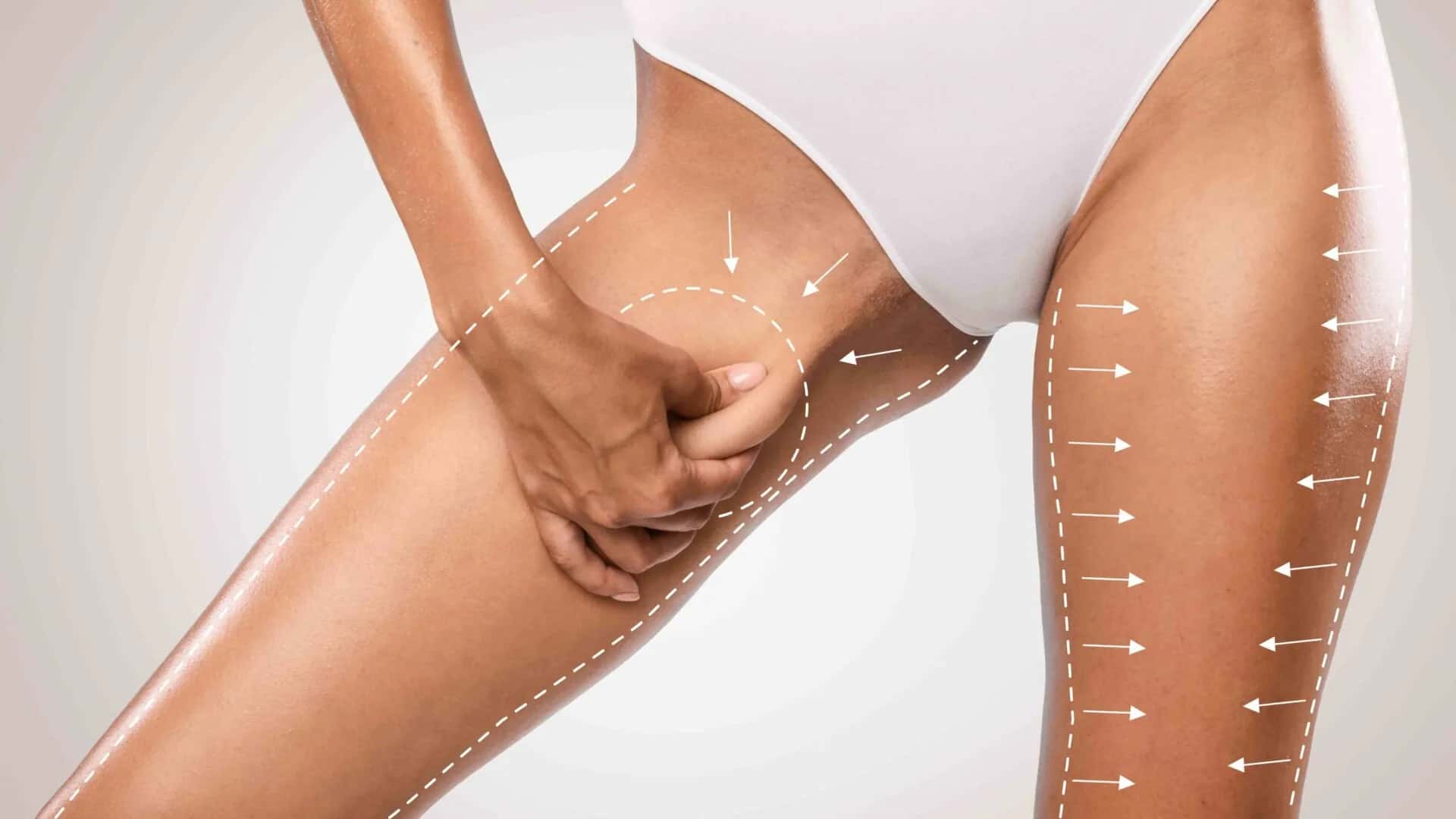
Thigh lift surgery can cost from roughly $2,000 in lower-cost private healthcare markets to more than $15,000 for extensive treatment in higher-priced countries during 2026. Also known as thighplasty, the procedure removes excess skin and reshapes the thighs, particularly after major weight loss.
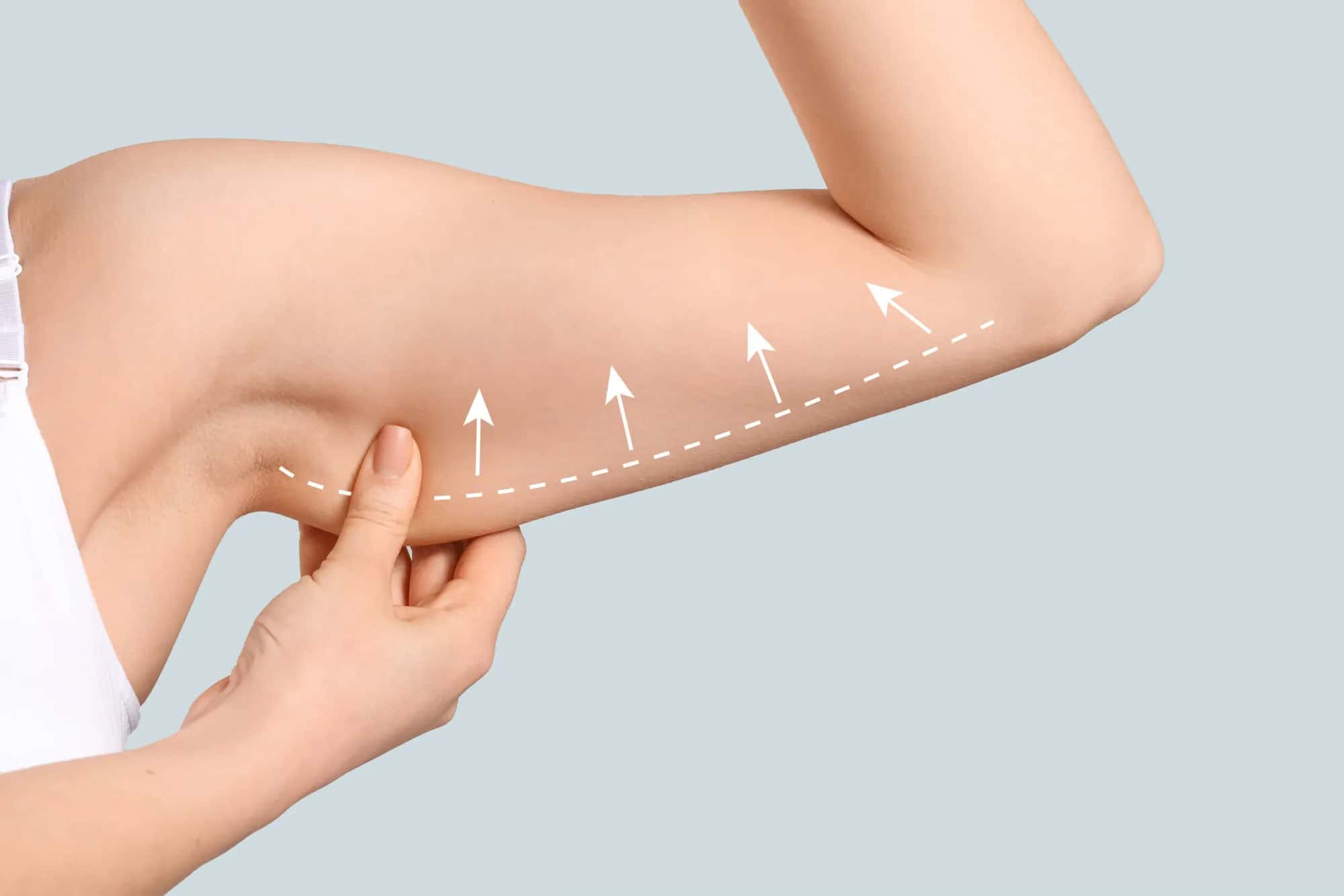
Arm lift surgery can cost from roughly $2,500 in lower-cost private healthcare markets to well above $15,000 for more extensive treatment in expensive countries during 2026. Also called brachioplasty, the operation removes excess upper-arm skin and reshapes tissue.

Lipo 360 can cost roughly $3,000 in lower-cost medical tourism markets and more than $15,000 in higher-priced private healthcare systems during 2026.
Subscribe to the Medifinder newsletter and never miss our latest content.