










Belt Lipectomy: What Is It? Costs and Risks
This guide explains belt lipectomy surgery, including how it works, costs, treatment areas, recovery, scars, risks, and expected long-term body contouring results.

- Last updated
- 59 reads
- 8 min read
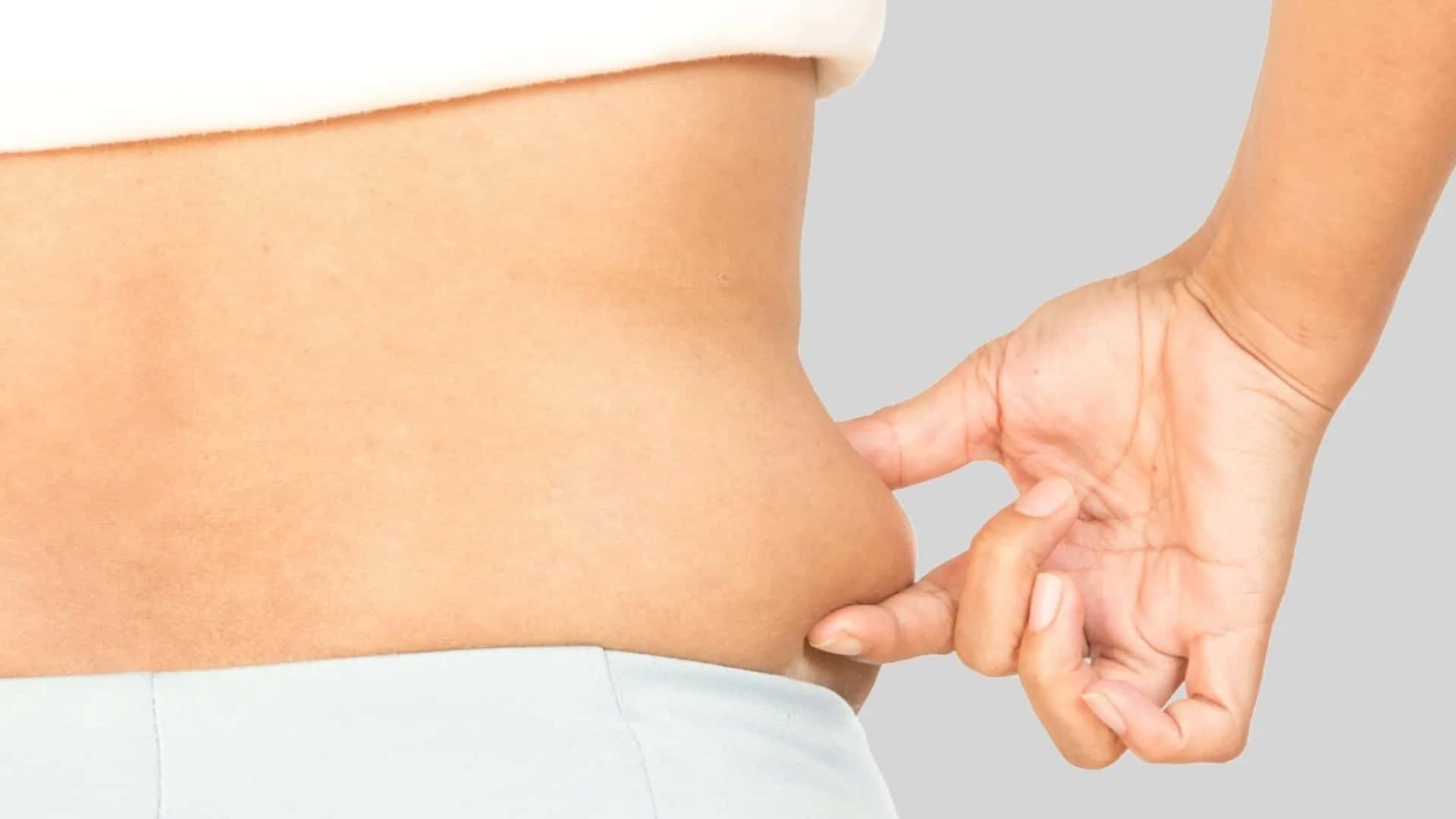


What Is a Belt Lipectomy?
A belt lipectomy is a body contouring surgery that removes excess skin and fat around the abdomen, waist, hips, lower back, and buttocks.
The procedure is also commonly called a lower body lift because it treats the torso in a continuous 360-degree pattern. It is particularly relevant after substantial weight loss leaves loose skin that cannot contract naturally. Surgery removes redundant tissue before tightening and repositioning the remaining skin. This process can flatten the lower abdomen while lifting the buttocks and improving the contour around the hips. Unlike a standard tummy tuck, treatment extends around both the front and back of the body.
What Does a Belt Lipectomy Treat?
A belt lipectomy treats loose skin and tissue around the entire lower torso rather than focusing only on the front of the abdomen.
Common treatment areas include:
-
Loose abdominal skin after major weight loss
-
Skin folds around the waist and flanks
-
Sagging tissue across the lower back
-
Drooping skin around the buttocks
-
Loose tissue near the outer thighs
-
Persistent skin folds that cause friction or hygiene difficulties
-
Lower-body contour irregularities after bariatric surgery
-
Excess tissue that interferes with comfortable movement
Because the incision extends around the body, one operation can improve several connected areas of the lower torso.
Who Is a Good Candidate for Belt Lipectomy?
A good candidate for belt lipectomy generally has substantial loose lower-body skin, stable weight, good overall health, and realistic expectations about scars and recovery.
The procedure is particularly suited to people who have completed major weight loss and no longer expect significant changes in body weight. Stable weight matters because later weight gain can stretch the remaining skin again. Adequate nutrition is also important because extensive incisions require reliable wound healing. Smoking increases healing complications and is generally incompatible with an uncomplicated recovery plan. Candidates must also understand that the operation replaces unwanted loose skin with a permanent scar extending around much of the waist.
How Is Belt Lipectomy Surgery Performed?
Belt lipectomy is performed through a circumferential incision that allows excess skin and fat to be removed from the abdomen, waist, back, and buttock region.
The procedure takes place under general anesthesia. Surgery usually begins with carefully planned markings around the torso. Excess tissue is removed through an incision extending around the belt line, while remaining tissue is lifted and repositioned. The abdominal area may also receive muscle tightening when required within the planned operation. Surgeons then close the incision in layers and commonly place temporary drains beneath the skin. These drains remove fluid that could otherwise accumulate during early recovery.
What Is the Difference Between Belt Lipectomy and a Tummy Tuck?
A belt lipectomy treats the entire lower torso, while a tummy tuck primarily reshapes the front of the abdomen.
Both procedures can remove excess abdominal skin and improve the contour of the midsection. However, the incision for a tummy tuck remains mainly across the lower abdomen. A belt lipectomy continues around the hips and lower back, creating circumferential correction. This wider approach allows surgery to lift the buttocks and improve tissue around the flanks and outer thighs. Belt lipectomy therefore addresses loose skin that extends around the body, while abdominoplasty is more suitable when excess tissue is concentrated mainly on the abdomen.
What Is the Difference Between Belt Lipectomy and Panniculectomy?
A belt lipectomy reshapes the lower torso circumferentially, while a panniculectomy primarily removes hanging tissue from the lower abdominal area.
A panniculectomy focuses on the abdominal apron, particularly when this tissue causes irritation, hygiene problems, or functional difficulties. It does not automatically lift the buttocks, flanks, or outer thighs. Belt lipectomy extends the incision around the lower torso and removes additional tissue from the back and sides. This broader design produces a more comprehensive body contouring effect. The distinction is important because the two procedures differ in surgical extent, recovery demands, scarring, and potential insurance classification when excess abdominal tissue creates documented medical problems.
Does Belt Lipectomy Remove Fat?
Belt lipectomy removes some excess fat together with loose skin, but its main purpose is tissue removal and lifting rather than large-volume fat reduction.
The operation excises sections of skin and attached fatty tissue that hang around the lower torso. Liposuction may also be added when localized fat deposits interfere with the planned contour. However, belt lipectomy should not function as a weight-loss procedure. The strongest results usually occur after substantial weight loss has already finished and body weight has become stable. Surgery then removes tissue that cannot respond to further dieting or exercise. The resulting change comes primarily from reshaping the existing lower-body contour rather than reducing overall body weight.
How Long Does Belt Lipectomy Surgery Take?
Belt lipectomy commonly takes several hours because surgery extends around the torso and requires extensive tissue removal, repositioning, and wound closure.
The operation is longer than a standard tummy tuck because the treatment area includes both the front and back of the lower body. Repositioning may also be necessary during surgery so different sections can be accessed safely. Additional abdominal muscle repair or liposuction can extend the operating time further. Because a belt lipectomy creates a large surgical wound, careful closure takes considerable time. Postoperative monitoring also continues after the operation before discharge or transfer to an inpatient recovery setting.
How Much Does a Belt Lipectomy Cost?
A belt lipectomy in the United States currently costs about $19,392 on average, with broader total prices commonly ranging from approximately $15,000 to $34,500.
This range reflects the extensive nature of a 360-degree lower body lift. A separate surgical-fee benchmark places the average lower body lift surgeon fee at approximately $11,397, excluding several related expenses. Therefore, the surgeon fee should not be interpreted as the complete treatment price. Anesthesia, operating facilities, medical tests, compression garments, medications, and postoperative services can increase the final expense considerably. More extensive combined body contouring can also push total costs beyond standard belt lipectomy ranges.
What Is Included in Belt Lipectomy Cost?
Belt lipectomy costs generally include several surgical and postoperative expenses beyond the professional fee for performing the operation.
The complete financial estimate can include general anesthesia, hospital or surgical facility charges, medical tests, surgical supplies, compression garments, prescriptions, and follow-up care. Overnight monitoring may create additional costs when required. Combining belt lipectomy with liposuction or another body contouring procedure can further increase the final total. Published surgeon-fee averages therefore remain considerably lower than many complete treatment prices. Current data place the average surgeon fee around $11,397, while broader national procedure costs average approximately $19,392 when more expenses are considered.
Does Insurance Cover Belt Lipectomy?
Health insurance generally does not cover cosmetic belt lipectomy, although treatment for documented medical problems caused by excess skin may receive consideration.
Loose skin can sometimes cause recurrent infections, rashes, ulcers, hygiene difficulties, or limitations in normal movement. In these circumstances, medically necessary tissue removal may receive different coverage treatment than elective body contouring. However, lifting the buttocks, reshaping the waist, and improving general body appearance usually remain cosmetic components. Insurance coverage therefore should not be assumed simply because excess skin developed after significant weight loss. Even when part of treatment receives coverage, deductibles and other financial responsibilities can still apply.
Is Belt Lipectomy Painful?
Belt lipectomy causes significant postoperative soreness, tightness, and discomfort because the surgery involves a long incision and extensive tissue repositioning around the torso.
General anesthesia prevents pain during the operation itself. After surgery, the abdomen and lower back can feel tight, particularly when standing upright or changing position. Pain medication helps control discomfort while the tissues begin healing. Movement generally becomes easier as swelling and incision tension decrease. Temporary numbness around sections of the scar can also occur because small sensory nerves are affected during tissue removal. Severe or rapidly worsening pain requires assessment because it can indicate bleeding, infection, or another postoperative complication.
What Is Belt Lipectomy Recovery Like?
Belt lipectomy recovery involves several weeks of restricted activity, incision care, compression garments, drain management, and gradual increases in walking and normal movement.
Temporary drains commonly remain under the skin during the early healing period. Compression garments can help manage swelling and support the newly repositioned tissues. Patients should avoid excessive bending because movement places tension on the circumferential incision. Heavy lifting and strenuous exercise generally remain restricted for approximately six weeks. Light walking begins much earlier because movement supports circulation and reduces problems associated with prolonged inactivity. Complete tissue settling takes much longer, and final body contours may continue changing for a year or more.
How Long Does Swelling Last After Belt Lipectomy?
Most obvious swelling after belt lipectomy decreases during the first several weeks, although residual swelling and tissue settling can continue for months.
The operation affects a large surface area, so postoperative inflammation can involve the abdomen, hips, lower back, and adjacent tissues. Compression garments help support the area while swelling gradually decreases. The lower body may initially look uneven because different areas do not always resolve inflammation at the same rate. Early improvements become visible as bruising and swelling fade, but they do not represent the final result. The skin and deeper tissue can require up to a year or longer to settle completely into their new position.
Does Belt Lipectomy Leave a Scar?
Belt lipectomy leaves a permanent scar that extends around most or all of the lower torso because the operation requires a circumferential incision.
The scar is usually positioned along the belt or underwear line where clothing can conceal much of it. Early scars often appear red, firm, raised, or darker than surrounding skin. They gradually flatten and fade as healing progresses. However, a belt lipectomy scar does not completely disappear. The tradeoff is necessary because removing substantial loose skin requires direct surgical excision. Scar quality continues changing for many months, while individual healing characteristics influence its final width, color, texture, and visibility.
What Are the Risks of Belt Lipectomy?
Belt lipectomy carries meaningful surgical risks because it treats a large area and creates an incision extending around the lower torso.
Potential complications include infection, excessive bleeding, fluid accumulation, wound separation, delayed healing, numbness, asymmetry, and persistent swelling. Blood clots can develop in the legs and may travel to the lungs, creating a serious pulmonary embolism. Some patients experience recurrent skin looseness or unwanted contour irregularities after healing. The extensive incision also creates a greater wound-healing burden than smaller cosmetic procedures. Additional surgery may occasionally become necessary when complications or significant contour problems develop during recovery.
Are Belt Lipectomy Results Permanent?
Belt lipectomy results are long lasting because surgically removed skin does not grow back, although future weight changes and aging can alter the remaining tissues.
Maintaining stable body weight provides the strongest foundation for preserving the postoperative contour. Significant weight gain can stretch remaining skin and recreate lower-body looseness. Major weight loss can also produce new excess tissue. Natural aging gradually reduces skin elasticity, so some change continues even without substantial weight fluctuation. The immediate improvement becomes visible after surgery, while swelling and tissue settling influence the final appearance for many months. With stable weight, the lower-body contour created by belt lipectomy can remain substantially improved for many years.
- Last updated
- Language
- English
How did you find this article?

Liposuction has become part of a more open conversation about cosmetic surgery, with celebrities discussing everything from subtle body contouring to difficult recoveries and results they later regretted. These 20 public figures have personally acknowledged undergoing liposuction, offering different perspectives.

Many actors, models, musicians and television personalities have spoken openly about having rhinoplasty, some for cosmetic reasons and others to repair an injury or improve their breathing. This guide looks at what 20 of these celebrities said about their own nose surgery and what their experiences can teach anyone.

Several well-known musicians, reality stars and influencers have spoken openly about having a Brazilian butt lift, and many of them have also shared regret, reduction surgery or difficult recoveries. This guide looks at what these celebrities said about their own procedures and what their experiences can teach anyone.
Subscribe to the Medifinder newsletter and never miss our latest content.