










Breast Fat Transfer: What Is It? Costs and Risks
This guide explains breast fat transfer, including how the procedure works, costs, expected size increase, fat survival, recovery, risks, scars, and long-term results.

- Last updated
- 86 reads
- 9 min read
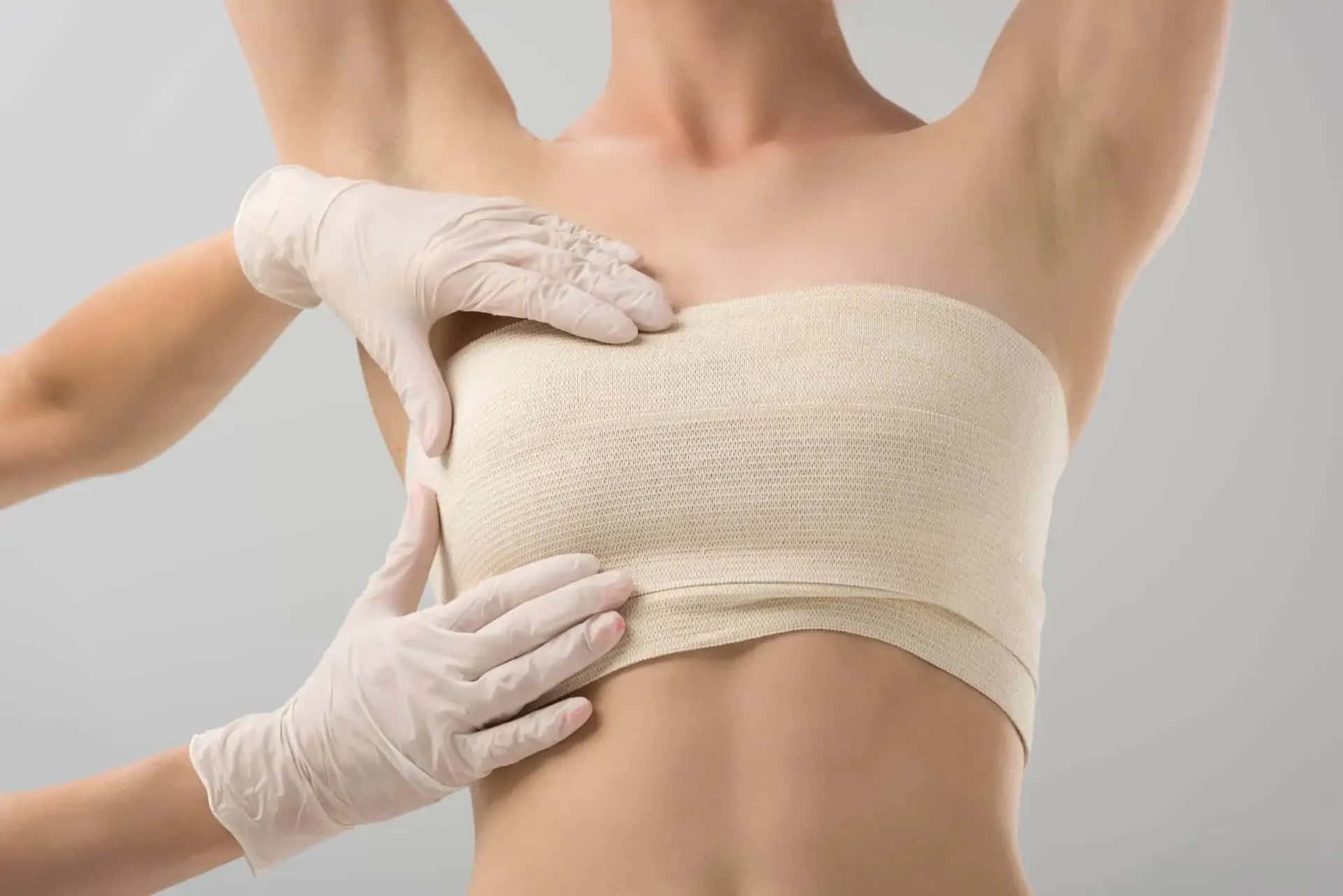


What Is Breast Fat Transfer?
Breast fat transfer is a cosmetic procedure that increases breast volume by moving fat from another area of the body into the breasts.
The procedure is also known as fat grafting or autologous fat transfer. Fat is first collected through liposuction, commonly from the abdomen, thighs, hips, or flanks. The harvested tissue is then processed before selected fat cells are injected into different breast layers. This technique can create a modest increase in size without using breast implants. Because the transferred material comes from the patient's own body, surviving cells eventually become living tissue within the breast.
How Does Breast Fat Transfer Work?
Breast fat transfer works by harvesting body fat with liposuction, preparing the collected tissue, and carefully injecting viable fat cells throughout the breasts.
The process begins by removing fat from one or more suitable donor areas. The harvested material is then purified to separate useful fat cells from blood, fluid, and unwanted tissue. Small amounts are injected across different breast tissue layers rather than creating one large deposit. This distribution helps transferred cells develop a new blood supply. Some cells are naturally absorbed during healing, while the portion that successfully establishes circulation contributes to the lasting breast volume.
Who Is a Good Candidate for Breast Fat Transfer?
A good candidate for breast fat transfer generally wants a moderate increase in breast volume and has enough body fat available for harvesting.
The breasts should be fully developed, while pregnancy and breastfeeding should be completed before elective augmentation. Stable body weight also supports more predictable long-term results because transferred fat responds to future weight changes. The procedure can suit people who want fuller breasts after weight loss, pregnancy, aging, or naturally limited breast development. Significant sagging requires separate consideration because adding fat creates volume without reliably lifting loose breast skin. Adequate donor fat is also necessary to complete the transfer.
Where Is Fat Taken From for Breast Fat Transfer?
Fat for breast transfer is commonly harvested from the abdomen, flanks, thighs, hips, back, or other areas with sufficient fatty tissue.
Liposuction removes the fat through small skin openings before it is processed for transplantation. The donor area therefore receives some contour reduction as part of the same procedure. However, the main purpose of harvesting is obtaining suitable fat rather than producing major weight loss. Current research has not established one universally superior donor area for long-term fat survival. The amount available, tissue quality, and overall body proportions therefore remain more relevant than selecting one specific body region for every patient.
How Much Bigger Can Breasts Get With Fat Transfer?
Breast fat transfer usually creates a subtle to moderate size increase, commonly around one to two cup sizes rather than dramatic enlargement.
The amount of enlargement is limited by both the available donor fat and the amount the breast tissue can safely support. Injecting excessive fat at once can reduce cell survival because transplanted tissue needs access to a new blood supply. Some injected volume is also naturally lost during healing. For these reasons, people seeking a substantial increase may require more than one fat transfer session. Breast implants generally provide greater volume during a single procedure when a larger size change is the primary goal.
How Much Fat Survives After Breast Fat Transfer?
About half of transferred breast fat may remain long term, although individual fat retention varies considerably between procedures.
A 2026 analysis involving 47 studies and 4,425 participants found an average graft uptake of approximately 53 percent per breast. Earlier pooled research reported a similar retention level near 54 percent. This means the volume immediately after surgery should not be considered the final result. Postoperative swelling makes the breasts look larger initially, while some injected cells are gradually absorbed. The remaining fat becomes more stable after establishing circulation, allowing the final breast volume to become clearer over several months.
How Long Does Breast Fat Transfer Take?
Breast fat transfer commonly takes around three to four hours because the operation includes liposuction, fat preparation, and detailed breast injections.
The liposuction stage first removes sufficient tissue from selected donor areas. Processing then prepares the harvested fat for transplantation. The injection stage can take considerable time because fat is placed in many small deposits throughout the breasts. This method helps distribute the cells across tissues capable of providing blood supply. Breast fat transfer is typically performed as an outpatient operation, allowing patients to return home after postoperative monitoring. Combining the procedure with other cosmetic surgery can increase the overall operating time.
How Much Does Breast Fat Transfer Cost?
Breast fat transfer in the United States costs about $8,598 on average in 2026, with common total prices ranging from approximately $5,977 to $14,618.
The procedure generally costs more than a simple injectable treatment because it combines liposuction with breast augmentation. Expenses can increase when several donor areas require liposuction or a larger volume of fat needs processing. General anesthesia and an accredited operating facility also contribute to the final price. Additional fat grafting sessions create further expenses when more volume is desired after the initial result settles. The quoted price should therefore represent the complete procedure rather than only one professional fee.
What Is Included in Breast Fat Transfer Cost?
Breast fat transfer cost usually includes several components because the treatment combines body liposuction with fat processing and breast augmentation.
The total price can include anesthesia, operating facility charges, liposuction, fat preparation, breast injections, compression garments, medications, and postoperative appointments. Treating several donor areas generally increases surgical time and therefore raises the overall expense. Medical testing before surgery can also create separate charges. A second fat grafting session may not be included within the original price if additional breast volume is later requested. Comparing complete treatment costs is therefore more useful than comparing an advertised surgical fee without considering supporting services.
Does Insurance Cover Breast Fat Transfer?
Cosmetic breast fat transfer is generally not covered by health insurance when the procedure is performed solely to increase breast size or improve appearance.
Elective augmentation does not usually meet medical necessity requirements, so patients generally pay directly for the procedure. The financial situation can differ when fat grafting forms part of medically necessary breast reconstruction after cancer treatment or another qualifying condition. Reconstructive treatment follows different coverage rules from cosmetic augmentation. Even when coverage applies to reconstructive care, deductibles, coinsurance, and other policy responsibilities may remain. Cosmetic liposuction performed beyond the reconstructive need can also remain a separate self-funded expense.
What Is the Difference Between Breast Fat Transfer and Implants?
Breast fat transfer uses the patient's own fatty tissue, while breast implants use manufactured silicone or saline devices to create additional breast volume.
Fat transfer generally produces a more modest increase and avoids placing a permanent prosthetic device inside the breast. It also provides liposuction of donor areas as part of the procedure. Implants can create considerably greater enlargement during a single operation and provide more predictable initial volume. However, implants carry device-specific considerations that fat grafting avoids. Fat transfer has different limitations because some cells are absorbed and additional sessions may be necessary. The two procedures therefore create breast volume through fundamentally different methods.
Is Breast Fat Transfer Painful?
Breast fat transfer usually causes soreness, swelling, bruising, and tenderness after surgery, with the liposuction areas often producing much of the early discomfort.
General anesthesia commonly prevents pain during the operation itself. After surgery, the breasts may feel swollen or sensitive as the injected tissue settles. Donor areas can feel bruised and tight because liposuction affects a broader layer beneath the skin. Discomfort generally improves during the first several days, although tenderness can remain for several weeks. Sudden severe pain, increasing redness, excessive swelling, fever, or abnormal drainage requires medical assessment because these symptoms can indicate a postoperative complication.
What Is Breast Fat Transfer Recovery Like?
Breast fat transfer recovery usually requires about one week away from normal work, while swelling and tenderness can continue for several additional weeks.
The breasts and liposuction areas can both develop bruising, swelling, and soreness after treatment. A surgical bra may support the breasts while compression garments are often used around liposuction areas. Pressure directly over the transferred breast fat is generally minimized during early healing. Light walking can begin relatively soon, but strenuous activity requires additional recovery. Many people return to routine activities within one to two weeks. Final results take longer because swelling must resolve and transferred fat must stabilize.
How Long Does Swelling Last After Breast Fat Transfer?
Most noticeable swelling after breast fat transfer improves over several weeks, although smaller changes can continue for months before the final result becomes clear.
Both the breasts and donor areas swell because the procedure combines fat injection with liposuction. Early swelling makes the breasts appear larger than their eventual size, while gradual fat absorption creates additional change. Soreness and bruising may continue for approximately three weeks in some patients. More subtle swelling can persist considerably longer. Final breast volume is generally easier to assess several months after treatment, once transferred cells have either established a blood supply or been naturally absorbed.
Does Breast Fat Transfer Leave Scars?
Breast fat transfer usually leaves small scars because liposuction and fat injection require only limited skin openings rather than large breast incisions.
The donor areas have several short liposuction entry points that gradually fade during healing. Breast injection openings are typically very small and can become difficult to notice after the skin recovers. This creates less visible scarring than procedures requiring larger incisions for implant placement or extensive breast lifting. However, breast fat transfer cannot be considered completely scarless because any skin opening creates a healing response. Individual scar appearance also reflects skin characteristics, pigmentation, wound healing, and previous scar tendencies.
What Are the Risks of Breast Fat Transfer?
Breast fat transfer has recognized surgical and fat-grafting risks even though it avoids complications specifically associated with implants.
Potential risks include:
-
Infection after surgery
-
Bleeding and prolonged bruising
-
Fat necrosis within the breast
-
Oil cyst formation
-
Breast asymmetry
-
Uneven fat absorption
-
Under-correction or excessive fullness
-
Contour irregularities at liposuction sites
-
Microcalcifications within breast tissue
-
Need for another fat transfer session
A 2026 pooled analysis estimated fat necrosis in approximately 4.7 percent of participants, although reported rates varied substantially between studies.
Can Breast Fat Transfer Affect Mammograms?
Breast fat transfer can create benign changes such as fat necrosis, oil cysts, and calcifications that may become visible during future breast imaging.
These findings can develop when some transferred fat does not survive normally. Modern breast imaging can often distinguish typical fat-grafting changes from suspicious abnormalities, but additional imaging or biopsy may occasionally become necessary. A 2026 pooled analysis reported subsequent biopsy in approximately 5.6 percent of participants across included studies, although results varied widely. Patients should therefore tell breast imaging professionals about previous fat grafting. Routine screening remains important after cosmetic breast fat transfer rather than becoming unnecessary because surgery was performed.
Are Breast Fat Transfer Results Permanent?
Surviving fat after breast transfer can remain permanently because successfully grafted cells develop circulation and become living breast tissue.
The result still changes with the body over time. Significant weight loss can shrink transferred fat cells, while weight gain can enlarge them. Pregnancy, hormonal changes, aging, and gravity can also alter breast shape despite successful graft survival. Some transferred cells disappear during the first months, so early breast volume should not be considered permanent. Once this absorption period ends, the remaining tissue provides the long-term result. Additional fat grafting can be performed when greater volume or further contour refinement is desired.
- Last updated
- Language
- English
How did you find this article?
Liposuction has become part of a more open conversation about cosmetic surgery, with celebrities discussing everything from subtle body contouring to difficult recoveries and results they later regretted. These 20 public figures have personally acknowledged undergoing liposuction, offering different perspectives.
Many actors, models, musicians and television personalities have spoken openly about having rhinoplasty, some for cosmetic reasons and others to repair an injury or improve their breathing. This guide looks at what 20 of these celebrities said about their own nose surgery and what their experiences can teach anyone.
Several well-known musicians, reality stars and influencers have spoken openly about having a Brazilian butt lift, and many of them have also shared regret, reduction surgery or difficult recoveries. This guide looks at what these celebrities said about their own procedures and what their experiences can teach anyone.
Subscribe to the Medifinder newsletter and never miss our latest content.