










What are the Benefits of a Kidney Transplant?
A kidney transplant is a treatment for kidney failure that places a healthy donor kidney into the body to do the work the kidneys can no longer do well. For many people who are medically eligible, it can offer more freedom, better daily energy and improved quality of life compared with dialysis.

- Last updated
- 62 reads
- 7 min read
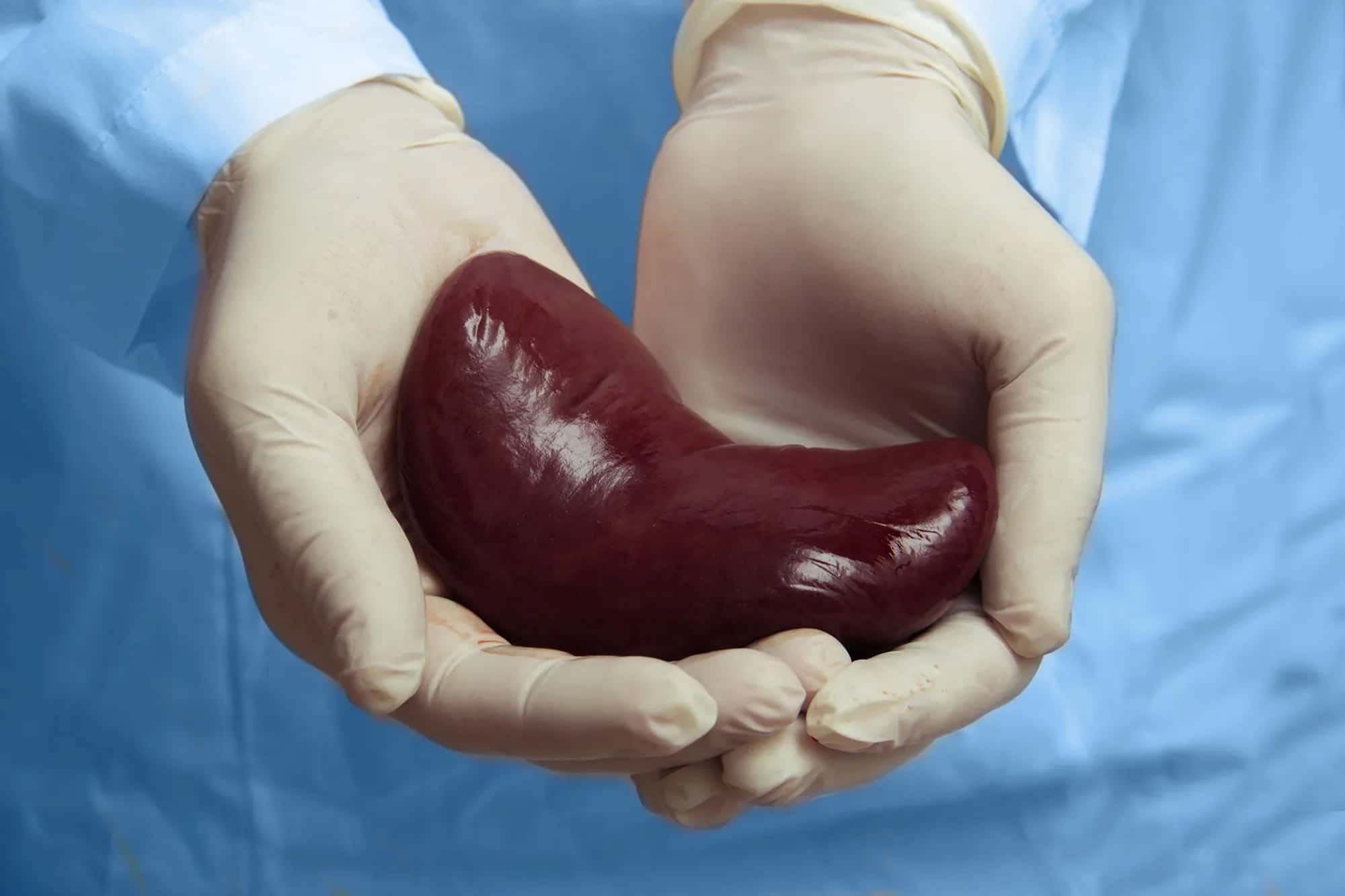


What are the main benefits of a kidney transplant?
The main benefits of a kidney transplant often include better waste and fluid removal, freedom from routine dialysis sessions, improved energy, fewer day-to-day restrictions, and the possibility of living longer than remaining on dialysis for many eligible patients. A successful transplant may also make it easier to work, travel, spend time with family, and return to a more flexible routine. These organ transplant benefits depend on overall health, the quality of the match, the type of donor kidney, and how well post-transplant care is followed.
Kidney failure affects far more than lab results. It can shape when a person eats, drinks, sleeps, works, exercises, and plans family events. Dialysis can be lifesaving, but it is time-intensive and can leave people feeling tied to a strict schedule. A transplant, when successful, can reduce that treatment burden because the new kidney works continuously inside the body rather than filtering blood only during dialysis sessions.
That does not mean transplant is simple or suitable for everyone. Surgery, recovery, medication side effects, infection risk, and rejection monitoring are real considerations. The clearest decision usually comes from discussing personal risks and goals with a transplant team.
A working kidney can support better daily health
One of the biggest Benefits of a kidney transplant is that a functioning donor kidney can filter waste, balance fluids, and support body chemistry in a more steady way than scheduled dialysis. Dialysis performs an essential job, but it does not fully replace everything healthy kidneys do every hour of the day. A transplanted kidney, when it works well, can provide more continuous support.
This may translate into practical changes people can feel. Some patients notice better appetite, improved stamina, less time spent recovering from treatment sessions, and more predictable days. Energy can still vary, especially during recovery or medication adjustments, but many people find that transplant gives them a stronger foundation for daily activities.
Health benefits may also include fewer dialysis-related disruptions. Without multiple treatment sessions each week, people may have more room for consistent sleep, movement, meal planning, and social activities. That kind of consistency can matter as much as any single medical improvement.
Why can a transplant improve quality of life?
A kidney transplant can improve quality of life because it often gives people more control over their schedule, fewer treatment-related interruptions, and greater flexibility in food, fluid, work, travel, and family life. Instead of building life around dialysis appointments or supplies, many recipients can build a routine around recovery, medication, monitoring, and long-term wellness. The difference is not only medical; it is emotional, social, and practical.
For someone on in-center dialysis, treatment time may include travel, waiting, the session itself, and recovery afterward. For someone using home dialysis, the schedule may be more flexible, but treatment still requires supplies, setup, training, and planning. Transplant does not remove the need for medical care, but it can reduce the constant presence of kidney failure treatment in everyday life.
Common quality-of-life improvements may include:
- More schedule freedom: Work, school, appointments, and family plans may become easier to coordinate.
- More ability to travel: Travel still requires medication planning and medical precautions, but it may be less complicated than arranging dialysis away from home.
- A more normal social life: Meals, gatherings, and events may feel easier to attend when treatment is not dominating the calendar.
- Better emotional breathing room: Less time connected to dialysis can help some people feel more independent.
- Improved fertility potential for some: When kidney disease or dialysis has contributed to fertility problems, successful transplant may improve the chance of having children, though pregnancy and family planning require specialist guidance.
Quality of life is personal, so the “best” benefit will not be the same for everyone. For one person, it may be returning to work. For another, it may be eating with fewer restrictions, taking a trip, or having enough energy to be present with loved ones.
Freedom from routine dialysis is a major advantage
A successful kidney transplant can eliminate the need for dialysis as long as the transplanted kidney keeps working well. This is one of the most meaningful organ transplant benefits because dialysis can be physically tiring, emotionally demanding, and difficult to fit around normal life.
Dialysis also brings ongoing logistical concerns. Patients may need transportation, access care, supply storage, treatment scheduling, and backup plans for illness or travel. Even when dialysis is going smoothly, it can take up significant time and attention.
After transplant, the routine changes. Instead of dialysis sessions, the focus becomes medication adherence, lab checks, clinic visits, infection prevention, and watching for signs of rejection. That is still a serious commitment, but for many people it is a more flexible commitment than dialysis.
Diet and fluid routines may become less restrictive
Many people with kidney failure must closely limit certain foods, minerals, and fluids, especially if dialysis is not removing enough waste or fluid between treatments. After a successful transplant, some of these restrictions may become less strict. This can make meals more enjoyable and social situations less stressful.
However, “less restrictive” does not mean “no guidance.” A transplanted kidney needs protection, and many anti-rejection medicines can affect blood pressure, blood sugar, cholesterol, weight, and bone health. A heart-healthy eating pattern, safe food handling, and a healthy weight are often important parts of long-term care.
Helpful post-transplant nutrition habits often include:
- Following the transplant team’s food safety advice to reduce infection risk.
- Choosing balanced meals that support blood pressure, blood sugar, and heart health.
- Watching sodium intake if swelling or high blood pressure is a concern.
- Taking medicines exactly as prescribed because missed doses can increase rejection risk.
- Asking before using supplements since some products can interfere with transplant medicines.
These habits help turn the Benefits of a kidney transplant into lasting gains. The goal is not just receiving a kidney; it is helping that kidney work well for as long as possible.
A transplant may support longer survival for eligible patients
For many medically eligible patients, kidney transplant is associated with longer average life expectancy than remaining on dialysis. This does not mean every person will have the same result, because age, other health conditions, donor type, surgical risk, and post-transplant complications all matter. Still, survival benefit is one of the reasons transplant is often discussed as a preferred treatment option for suitable candidates.
The possible survival advantage is connected to how the body functions with a working kidney. Better ongoing filtering, fewer dialysis-related stresses, and improved overall stability can help reduce some burdens of kidney failure. At the same time, transplant creates new responsibilities, especially taking immune-suppressing medicine every day.
This is why transplant evaluation is thorough. The team needs to understand whether surgery is safe enough, whether infections or heart problems need treatment first, and whether the patient can manage the follow-up plan. The benefit is greatest when transplant is not only possible, but realistically sustainable.
What should patients consider before choosing transplant?
Patients should consider both the benefits and the lifelong responsibilities of transplant, including surgery, recovery time, anti-rejection medicine, infection precautions, lab monitoring, and the possibility that the kidney may not last forever. A transplant can offer major improvements, but it is not a one-time fix. It is a long-term treatment that works best when the patient and care team stay closely connected.
Key points to discuss with a care team include:
- Eligibility: Not everyone is healthy enough for transplant surgery right away.
- Donor options: A kidney may come from a living or deceased donor, and wait times vary.
- Medication commitment: Anti-rejection medicine is usually required every day for the life of the transplant.
- Side effects: Some medicines can raise the risk of infection, high blood pressure, diabetes, bone disease, or other complications.
- Monitoring: Regular blood tests help show whether the kidney is working and whether medicine levels are safe.
- Backup planning: Some people may need dialysis again if the kidney is slow to start or if it fails later.
It is also important to think about support at home. Recovery may require help with transportation, meals, medication organization, and appointment reminders. Emotional support matters too, because transplant can bring relief, fear, gratitude, pressure, and uncertainty all at once.
The benefits are strongest with active long-term care
The Benefits of a kidney transplant do not end in the operating room. They depend on what happens afterward: taking medicines on schedule, attending follow-up visits, reporting symptoms early, and building habits that protect the new kidney. Small daily actions can make a meaningful difference.
Patients can support long-term transplant health by keeping an updated medication list, using reminders, staying current with recommended checkups, practicing careful hand hygiene, and asking the transplant team before changing medicines. It also helps to track blood pressure, follow nutrition guidance, and stay active within medical limits.
The best outcomes often come from treating transplant care as a partnership. The patient brings consistency and honest communication. The care team brings testing, medical guidance, and early response when problems appear.
A kidney transplant can create room for life again
A successful kidney transplant can offer better health, more independence, fewer dialysis-related limits, and a stronger sense of normal routine. For many eligible people, those benefits add up to improved quality of life and the possibility of longer survival.
Transplant also asks for lifelong commitment. The new kidney must be protected with medication, monitoring, and healthy choices. For anyone exploring treatment options, the next step is a careful conversation with a kidney care team about personal risks, likely benefits, donor options, and what life after transplant may realistically look like.
- Last updated
- Language
- English
How did you find this article?
Several television personalities and content creators have openly shared their experience with a gastric balloon, a non-surgical weight loss treatment that temporarily reduces the space in the stomach.

This guide compares gallbladder surgery costs around the world in 2026, including laparoscopic cholecystectomy, open surgery, hospital packages, insurance, and medical travel expenses.

This guide compares blepharoplasty costs around the world in 2026, including upper, lower, combined eyelid surgery, treatment inclusions, insurance, and medical travel expenses.
Subscribe to the Medifinder newsletter and never miss our latest content.